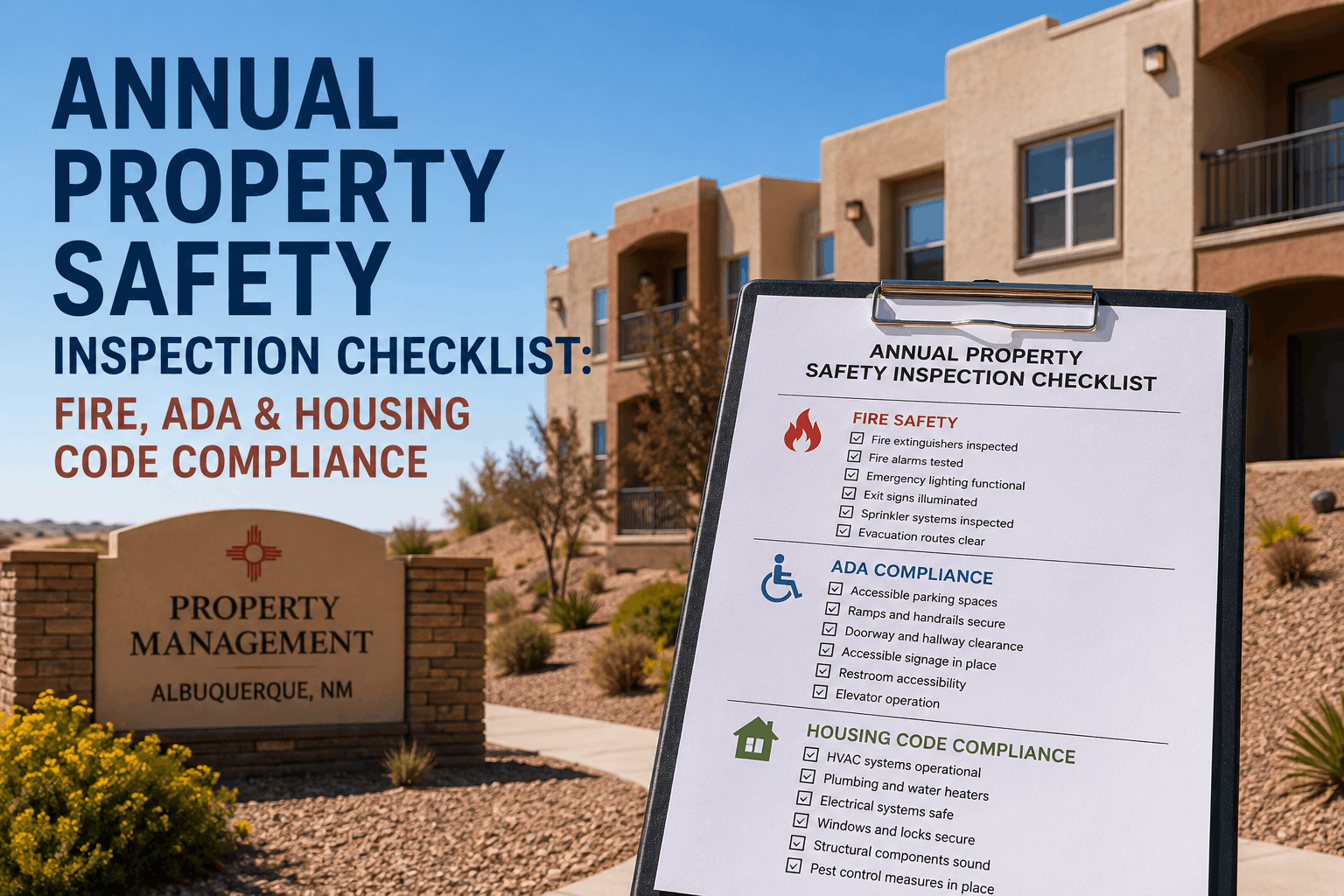
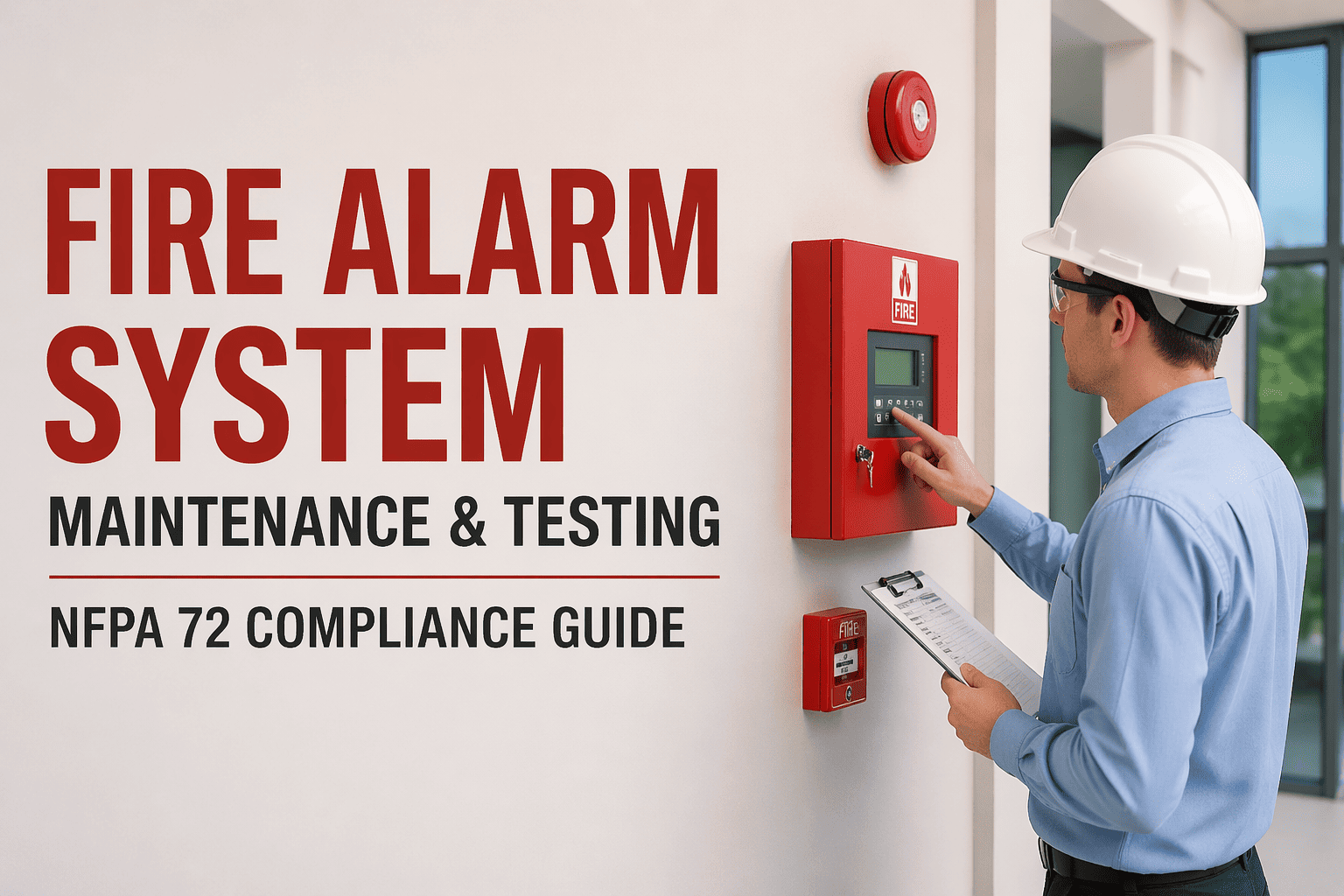
When commercial buildings, hospitals, schools, and government facilities rely on emergency lighting and fire alarm systems to protect occupants during critical events, the challenge extends far beyond simply having equipment installed—it's ensuring every exit sign illuminates, every strobe activates, and every pull station triggers the response chain exactly when lives depend on it. A single dead battery or malfunctioning smoke detector can be the difference between an orderly evacuation and a preventable tragedy.
For facility managers and fire safety officers overseeing large building portfolios, emergency lighting and fire alarm failures represent the most commonly cited violations during fire marshal inspections. Rather than treating annual inspections as a last-minute scramble through dusty log books, forward-thinking organizations are now deploying digital checklists, automated testing schedules, and CMMS-driven compliance tracking that ensures every device is tested, documented, and audit-ready—transforming fire safety from a regulatory burden into a proactive life-safety program.
This guide provides comprehensive inspection checklists for emergency lighting and fire alarm systems, aligned with NFPA 72, NFPA 101, and local fire codes, ensuring your facility maintains continuous compliance while protecting building occupants. Organizations looking to digitize their fire safety inspection program can start building their automated inspection system today.
Emergency lighting and fire alarm systems form the backbone of building life-safety infrastructure. Modern inspection programs integrate with CMMS platforms to automate testing schedules, track device inventories, and generate compliance documentation—creating a defensible audit trail that satisfies both fire marshals and insurance underwriters.
The Four Pillars of Fire & Life Safety Compliance
Emergency Illumination
Function: Providing minimum 1 foot-candle illumination along egress paths during power failure
Risk Factor: Battery degradation, lamp burnout, or transfer switch failure
Failure Impact: Dark evacuation routes, occupant disorientation, code violations, liability exposure
Prevention: Monthly 30-second functional tests and annual 90-minute duration tests
Detection & Notification
Function: Detecting fire conditions and alerting occupants via audible/visual signals
Risk Factor: Dirty detectors, dead batteries, silenced alarms, or disabled zones
Failure Impact: Delayed evacuation, undetected fire spread, mass casualty potential
Prevention: Semiannual sensitivity testing and visual inspections per NFPA 72
Signage & Wayfinding
Function: Guiding occupants to exits via illuminated and photoluminescent signage
Risk Factor: Obstructed signs, faded lettering, non-functional internal illumination
Failure Impact: Occupants unable to locate exits, bottleneck at wrong doors, AHJ citation
Prevention: Monthly visual checks and annual photometric verification
Never miss an inspection deadline. Automate your emergency lighting and fire alarm testing schedules with digital checklists and real-time compliance dashboards.
Systematic inspection of emergency lighting ensures reliable illumination during power outages. This checklist covers monthly functional tests, annual duration tests, and component-level verification per NFPA 101 Life Safety Code requirements.
Fire alarm inspections must follow NFPA 72 National Fire Alarm and Signaling Code requirements. This checklist covers initiating devices, notification appliances, and control panel verification to ensure full system readiness.
Modern IoT-enabled fire safety systems and CMMS integration allow facility teams to move from calendar-based inspections to condition-based monitoring, catching failures between scheduled tests and eliminating compliance gaps.
Fire Safety Telemetry & Alerts
1
Battery Health Monitoring
Continuous voltage and impedance tracking on emergency lighting and FACP batteries. AI algorithms predict remaining useful life and trigger replacement work orders before capacity drops below 90-minute threshold, preventing test failures.
ROI: Eliminates emergency battery replacements; ensures 100% test pass rate
2
Detector Drift Monitoring
Tracking smoke detector sensitivity values over time. As detectors accumulate dust and contaminants, sensitivity shifts outside the listed range. The system flags detectors approaching out-of-range conditions for cleaning or replacement before they cause false alarms or miss real events.
ROI: Reduces false alarms by 60%; prevents detector blindness to real fires
3
Circuit Integrity Monitoring
Continuous supervision of notification appliance circuits (NAC) and signaling line circuits (SLC). Ground faults, open circuits, and intermittent wiring issues are detected in real-time—not discovered during the next semiannual inspection.
ROI: Zero surprise circuit failures during testing; faster fault isolation
4
Automated Self-Test Reporting
Emergency lighting units with self-test/self-diagnostic capability automatically perform monthly and annual tests, reporting results directly to the CMMS. Failed units generate work orders immediately—no technician walk-through required for routine checks.
ROI: Saves 40+ hours/year of manual testing labor; instant failure notification
Automated Fire Alarm Deficiency Resolution Workflow
1
FACP reports trouble signal: Zone 3 smoke detector communication fault
→
2
CMMS auto-creates priority work order with device location and wiring diagram
→
3
Fire alarm technician dispatched via mobile app with device specs and history
→
4
Tech replaces faulty detector, verifies zone communication, and tests alarm function
→
5
System confirms trouble cleared; CMMS logs repair for compliance documentation
See automated fire safety compliance in action. Book a demo showing how CMMS integration with your fire alarm panel streamlines inspection tracking and deficiency management.
Book Custom Demo →
Digitize Your Fire & Life Safety Compliance Program
Oxmaint CMMS automates inspection schedules, captures digital test records, and generates audit-ready compliance reports—ensuring every emergency light and fire alarm device is tested, documented, and ready when it matters most.
Trusted by facility managers maintaining life-safety compliance across building portfolios
Emergency lighting and fire alarm maintenance is governed by national fire codes, local AHJ requirements, and occupational safety regulations. Proper documentation must demonstrate adherence to all applicable standards during fire marshal inspections and insurance audits.
Visual inspection frequencies (weekly, monthly, semiannual, annual)
Functional testing of all initiating and notification devices
Sensitivity testing of smoke detectors within 1 year of installation
Documentation and record retention (minimum 1 year)
Automated: Digital inspection forms auto-populate NFPA 72 Table 14.3.1 requirements per device type
Emergency illumination of means of egress (min 1 foot-candle)
Monthly 30-second and annual 90-minute battery tests
Exit sign illumination and visibility requirements
Generator-powered emergency lighting load testing
Automated: Testing schedules auto-assigned with pass/fail criteria built into mobile checklists
Adequate exit route lighting (29 CFR 1910.37)
Fire prevention plan documentation (29 CFR 1910.39)
Employee emergency action plan training
Portable fire extinguisher maintenance (29 CFR 1910.157)
Automated: Safety training records linked to employee profiles with expiration alerts
Local fire marshal annual inspection sign-off
Insurance carrier loss-prevention audit documentation
Certificate of occupancy maintenance compliance
Impairment tracking when systems are out of service
Automated: Impairment notifications auto-sent to fire department and insurance carrier when systems go offline
→ Inventory all emergency lighting units, exit signs, and fire alarm devices by building/floor
→ Record device make/model, installation date, and last inspection date for each unit
→ Tag all devices with QR codes linked to digital asset records and manuals
→ Identify deficiencies: non-functional units, expired batteries, missing devices
→ Map inspection frequencies per NFPA 72 Table 14.3.1 for each device type
Milestone: Complete device registry with deficiency punch list and inspection calendar
→ Deploy mobile inspection app to fire safety technicians for paperless testing
→ Configure automated inspection schedules (monthly, semiannual, annual triggers)
→ Build digital checklists matching NFPA 72 and NFPA 101 testing requirements
→ Train staff on mobile inspection workflow and deficiency reporting process
→ Pilot digital inspections in one building; validate data capture and reporting
Milestone: Technicians completing digital inspections; first automated compliance reports generated
→ Expand digital inspection program to all buildings and campuses
→ Integrate FACP trouble signals with CMMS for automatic work order creation
→ Establish parts inventory management for batteries, lamps, and detector heads
→ Generate first comprehensive compliance report for fire marshal review
→ Set up dashboard showing real-time compliance status across all buildings
Milestone: 100% digital compliance program; audit-ready documentation on demand
A clipboard-and-spreadsheet approach to emergency lighting and fire alarm inspections—scrambling before the fire marshal arrives—is both risky and unsustainable. The modern standard demands a proactive, digitized program where every device is tracked, every test is documented, and every deficiency is resolved through automated workflows before it becomes a violation.
By implementing digital inspection checklists, automated scheduling, and CMMS-driven deficiency management, facility teams can transform fire safety compliance from an annual burden into a continuous assurance program. Inspections shift from reactive walk-throughs to data-driven verification. Documentation shifts from paper logs stuffed in binders to searchable digital records that prove diligence instantly during any audit.
The technology to secure your building's life-safety systems exists today. Whether managing a single facility or a portfolio of buildings, the path to fire safety compliance starts with better data and better processes. For a personalized assessment of your fire safety inspection program, request a consultation with our facility compliance specialists.
How often must emergency lighting be tested?
Per NFPA 101 Life Safety Code, emergency lighting requires a monthly 30-second functional test to verify lamps illuminate on battery power, and an annual 90-minute duration test to confirm batteries can sustain illumination for the full required duration. Self-testing/self-diagnostic units can perform these tests automatically but must still be visually verified periodically.
What is the difference between NFPA 72 and NFPA 101?
NFPA 72 (National Fire Alarm and Signaling Code) covers the installation, inspection, testing, and maintenance of fire alarm systems and their components—detectors, pull stations, notification appliances, and control panels. NFPA 101 (Life Safety Code) covers the broader building egress requirements including emergency lighting, exit signage, means of egress width, and occupancy requirements. Both codes work together to ensure complete life-safety compliance.
Who is qualified to inspect fire alarm systems?
NFPA 72 requires that fire alarm system inspections and testing be performed by qualified personnel who are trained and experienced in the specific system being inspected. Many jurisdictions require NICET (National Institute for Certification in Engineering Technologies) certification for fire alarm technicians. Some states require specific state fire alarm licenses. Visual inspections of emergency lighting can often be performed by trained in-house staff.
How long must fire alarm inspection records be retained?
NFPA 72 requires that inspection and testing records be maintained until the next test of the same type is performed, but best practice (and most AHJ requirements) is to retain records for a minimum of 3 to 5 years. A CMMS provides permanent digital storage of all inspection records, making historical data available for trend analysis, litigation defense, and insurance audits indefinitely.
What happens if a device fails during inspection?
When a device fails during testing, it must be documented as a deficiency and repaired or replaced. Critical life-safety deficiencies (non-functional detectors, inoperable notification appliances) should be treated as impairments requiring immediate fire watch or interim protective measures per NFPA 72 Chapter 10. The CMMS should generate an immediate high-priority work order and track the deficiency through resolution, creating a complete audit trail.