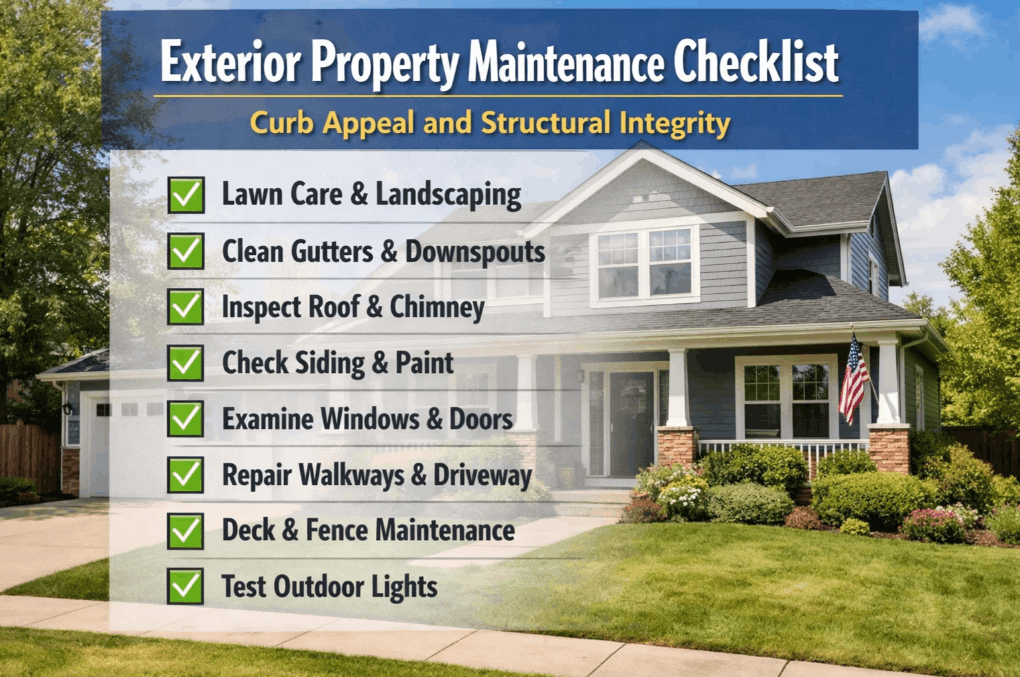
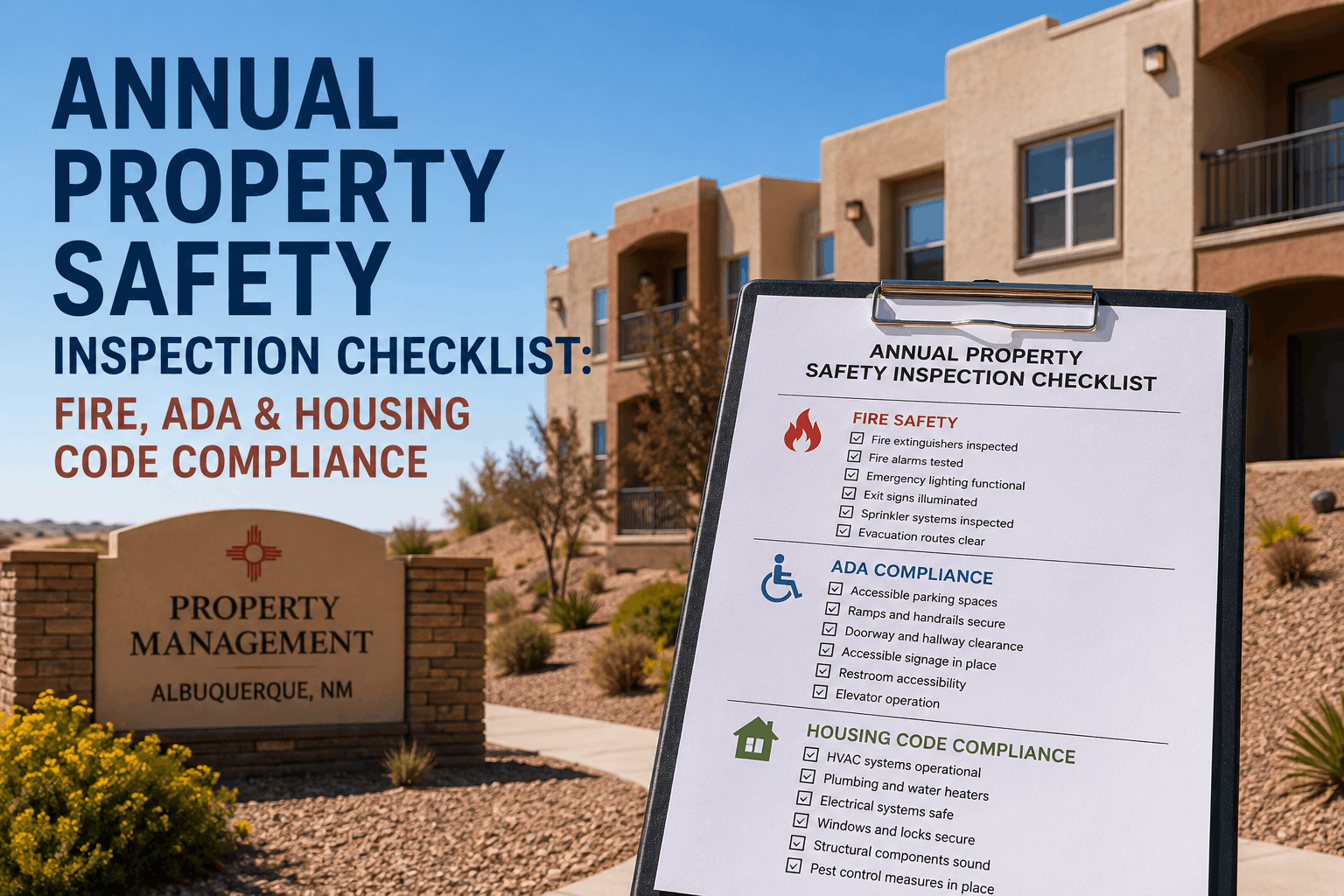
Exterior Property Maintenance Checklist: Curb Appeal and Structural Integrity
By Josh Turley on March 25, 2026
Your property's exterior is the first impression every visitor, tenant, and inspector encounters — and its condition directly impacts structural longevity, asset value, and regulatory compliance. A cracked facade, overgrown landscaping, or deteriorating parking surface signals neglect and invites liability. Facilities that implement a structured preventive maintenance program consistently achieve better inspection outcomes, reduced emergency repair costs, and sustained curb appeal across every season. This exterior property maintenance checklist covers every critical inspection zone — from roofline to parking lot — so nothing gets missed between scheduled site walks.
Automate Your Exterior Property Maintenance ProgramSchedule site inspections, seasonal tasks, and compliance documentation across every building exterior and ground asset.
of structural failures originate from neglected exterior envelope defects
3×
Higher repair costs when exterior issues are deferred beyond one season
15%
Increase in property value from consistent curb appeal maintenance
OSHA
Compliance maintained with documented grounds and exterior safety inspections
CriticalStructural safety, regulatory compliance, or immediate riskHighAddress within inspection cycle — no deferral permittedSeasonalPerform at designated seasonal interval
Checklist 1 — Roof and Gutters Inspection
Inspect roofing surface for missing, cracked, or lifting shingles and membrane tears
Walk the roofline perimeter and identify any displaced shingles, punctures, blistering, or lifted membrane sections; exposed substrate allows water infiltration that accelerates structural deck deterioration and leads to interior leak damage requiring far costlier remediation than a patch repair.
CriticalBi-AnnualMaintenance Tech
Clear gutters and downspouts of debris, sediment, and vegetation growth
Remove all leaf debris, compacted sediment, and any moss or plant growth from gutters and flush downspouts with pressurized water; blocked gutters force overflow against the fascia and foundation wall, creating chronic moisture intrusion that damages soffits and destabilizes the building perimeter.
HighSeasonalGrounds Crew
Inspect flashing around chimneys, skylights, vents, and roof penetrations for sealant failure
Check all roof-to-wall transitions, penetration collars, and step flashing for lifted edges, cracked sealant, or corrosion; failed flashing is the leading cause of interior water damage in commercial and residential properties and is frequently missed during visual inspections from ground level.
CriticalAnnualRoofing Contractor
Check fascia boards and soffits for rot, pest entry points, and paint delamination
Probe fascia and soffit boards for soft spots indicating wood rot, and inspect all vents and gaps for pest entry; deteriorated soffits allow moisture into the roof assembly and provide nesting access for rodents and insects, compounding both structural and pest control costs.
HighAnnualMaintenance Tech
Verify downspout extensions direct water at least 6 feet away from foundation
Confirm all downspout extensions and splash blocks channel stormwater discharge well away from the building footprint; inadequate discharge distance is a primary driver of foundation hydrostatic pressure, basement water infiltration, and soil erosion along the building perimeter. Use OxMaint to schedule and track this task automatically — sign up free and never miss a seasonal drainage check.
CriticalSeasonalMaintenance Tech
Checklist 2 — Siding and Exterior Wall Inspection
Inspect siding panels, brick, or stucco for cracks, gaps, and surface delamination
Perform a systematic wall-by-wall inspection for cracks wider than 1/8 inch, joint separation, spalling brick, or stucco delamination; these defects breach the weatherproofing layer and allow sustained moisture infiltration that degrades wall insulation and internal framing components over multiple seasons.
CriticalBi-AnnualProperty Manager
Check exterior caulking at all window frames, door frames, and wall penetrations
Inspect caulk beads at all penetrations for shrinkage cracks, adhesion failure, or mold growth; deteriorated caulk is one of the most cost-effective repairs to execute and one of the most expensive to ignore, as failed seals around penetrations allow wind-driven rain to enter wall cavities undetected for extended periods. Want to automate your siding inspection schedule? Book a demo to see how OxMaint manages recurring exterior tasks.
HighAnnualMaintenance Tech
Assess exterior paint condition for peeling, chalking, fading, and mold or efflorescence staining
Evaluate paint adhesion and surface condition on all exterior elevations; peeling and chalking paint expose substrate materials to UV degradation and moisture absorption, accelerating substrate deterioration and increasing the scope and cost of the next full repaint cycle.
HighAnnualMaintenance Tech
Inspect exterior wall-mounted fixtures, signage, and utility connections for secure anchoring
Check all wall-anchored items including signage, light fixtures, HVAC components, and utility meters for loose fasteners, corrosion, and structural backing integrity; improperly anchored exterior fixtures become wind-load projectile hazards during storm events and create liability exposure for property owners.
CriticalBi-AnnualMaintenance Tech
Checklist 3 — Windows, Doors, and Entry Points
Inspect all exterior windows for cracked glazing, failed seals, and frame deterioration
Check every exterior window unit for glass cracks, fogging between double-pane layers indicating seal failure, and frame rot or corrosion; failed window seals reduce thermal performance, and cracked glazing creates both a security vulnerability and a personal injury liability from potential glass breakage under pressure.
CriticalAnnualProperty Manager
Test all exterior doors for proper alignment, weather seal contact, and hardware function
Operate each exterior door through its full swing arc and verify the door closes flush against the frame with complete weather seal contact along all edges; misaligned doors allow air infiltration that increases HVAC load, and incomplete seal contact at entry doors represents a security gap in access-controlled buildings.
HighBi-AnnualMaintenance Tech
Inspect door thresholds and sill plates for deterioration, gaps, and moisture damage
Check threshold assemblies for worn sweep seals, cracked sill plates, and water staining below entry doors; a compromised threshold allows both water infiltration and pest entry at ground level, and worn sweeps are one of the most frequent sources of energy loss in high-traffic entry points.
HighAnnualMaintenance Tech
Verify exterior lighting at all entry points is operational and meets minimum illumination standards
Test all entry and pathway lighting for correct lumen output and confirm photosensor or timer activation; inadequate entry lighting is a documented liability factor in slip-and-fall incidents during low-light hours and creates a security vulnerability that may affect property insurance rating and compliance with local code minimums.
CriticalMonthlyFacilities Manager
Checklist 4 — Landscaping and Grounds Maintenance
Trim trees and shrubs to maintain clearance from the building envelope and roof edge
Prune all vegetation to maintain a minimum 3-foot clearance from siding, a 6-foot clearance from the roofline, and full clearance from all windows; branches in contact with the building abrade siding and roofing materials in wind events, and overhanging limbs deposit debris into gutters and provide pest access routes to the structure.
HighSeasonalGrounds Crew
Inspect irrigation systems for leaks, broken heads, and proper coverage patterns
Run each irrigation zone and visually inspect all heads for correct arc, broken risers, and spray pattern overlap against foundation walls; irrigation heads that direct water toward the building foundation are a primary cause of chronic foundation moisture problems and landscape-related slab damage in commercial properties.
HighSeasonalGrounds Crew
Inspect mulch beds for adequate depth, weed suppression, and soil grade away from foundation
Confirm mulch depth between 2–4 inches, clear of direct contact with siding or foundation, and verify that soil grades slope away from the building at a minimum 6-inch drop over 10 feet; mulch piled against siding retains moisture against the building envelope and creates ideal conditions for termite and carpenter ant colonization. Track all grounds maintenance tasks in one place — start your free trial today with no credit card required.
CriticalAnnualGrounds Crew
Assess turf condition, bare patches, and lawn grade uniformity for drainage performance
Walk all turf areas and identify bare patches, compacted zones, low spots that collect standing water, and areas where grade directs surface runoff toward the building; deteriorated turf allows soil erosion that progressively lowers grade against the foundation and degrades stormwater management across the site.
SeasonalSeasonalGrounds Crew
Checklist 5 — Parking Lots, Driveways, and Hardscape
Inspect asphalt and concrete surfaces for cracks, potholes, and surface oxidation
Walk the full parking surface and driveway perimeter and map all crack patterns, pothole locations, and oxidized asphalt zones; unaddressed surface cracks allow water penetration to the base course, accelerating freeze-thaw deterioration that converts a sealcoat repair into a full pavement replacement within two to three seasons.
CriticalBi-AnnualFacilities Manager
Verify parking lot striping, ADA markings, and directional signage are clearly visible
Assess the legibility of all parking stall lines, crosswalk markings, fire lane designations, and ADA accessible space markings; faded ADA markings constitute a code violation under the Americans with Disabilities Act and expose property owners to civil liability, while deteriorated fire lane markings create emergency access compliance deficiencies. Keep your compliance records audit-ready — get started free with OxMaint's automated inspection documentation.
CriticalAnnualFacilities Manager
Inspect parking lot drainage inlets, catch basins, and surface grades for stormwater flow
Clear all parking lot drain inlets of debris, confirm catch basin grates are intact, and verify surface grades direct sheet flow toward drainage structures; blocked lot drainage causes standing water that accelerates pavement deterioration, creates slip hazards in freeze conditions, and may trigger stormwater permit violations for commercial properties.
HighSeasonalMaintenance Tech
Check curbs, wheel stops, speed bumps, and bollards for damage, displacement, and secure anchoring
Inspect all parking lot curbing for crack-outs and displaced sections, verify wheel stops are properly anchored and not cracked through, and confirm bollards are plumb and structurally sound; displaced wheel stops and broken curbing are frequent vehicle damage and personal injury sources that generate direct property owner liability claims.
HighBi-AnnualMaintenance Tech
Assess walkway surfaces, steps, and ramps for trip hazards and slip-resistant surface condition
Walk all pedestrian pathways, step nosings, and accessible ramps and identify any surface heave, sunken sections, or worn anti-slip aggregate; uneven walkway surfaces are the most common source of premises liability slip-and-fall claims and require immediate documentation and hazard abatement regardless of scheduled inspection cycles.
CriticalMonthlyFacilities Manager
Checklist 6 — Drainage, Foundation, and Site Perimeter
Inspect the building foundation perimeter for cracks, efflorescence, and soil erosion
Walk the full foundation perimeter and examine exposed masonry for horizontal or stair-step cracks, white efflorescence deposits indicating chronic moisture movement, and soil erosion exposing the foundation below finish grade; foundation cracks wider than 1/4 inch or showing displacement require immediate structural evaluation before conditions worsen through the next wet season.
CriticalAnnualStructural Engineer
Verify site surface drainage patterns divert stormwater away from all structures
Assess site grades and swale alignments during or immediately after a rain event to confirm stormwater sheet flow moves away from all building foundations and does not pond within 10 feet of the structure; positive drainage away from foundations is the single most impactful exterior maintenance measure for long-term structural integrity.
CriticalSeasonalFacilities Manager
Inspect perimeter fencing, retaining walls, and site barriers for structural stability
Check all perimeter fence lines for leaning posts, damaged panels, and gate hardware condition, and inspect retaining walls for forward lean, drainage weep hole blockage, and cap block displacement; a failed retaining wall constitutes a life safety hazard and generates emergency repair costs that dwarf any routine maintenance investment.
HighAnnualMaintenance Tech
Check outdoor utility enclosures, trash corrals, and service area surfaces for structural integrity and cleanliness
Inspect all utility and waste enclosure structures for damaged panels, non-closing gates, and corrosion at post bases; unsecured waste enclosures generate code violations with municipal health and zoning departments, and deteriorated service area surfaces create pest harborage and drainage compliance issues in regulated waste management zones.
HighMonthlyFacilities Manager
Exterior Maintenance Investment vs. Deferred Cost Analysis
A structured exterior property maintenance program protects asset value, ensures regulatory compliance, and eliminates the financial exposure of reactive emergency repairs to roofing, paving, and building envelope systems.
Maintenance Program
Annual Cost
Risk / Savings Avoided
Payback
Roof and Gutter Inspection Program
$800 per building
$18,000+ avoided emergency leak remediation and interior damage repair
Under 2 weeks
Siding and Caulking Maintenance Program
$500 per building
$12,000 avoided exterior recoat and wall cavity moisture remediation
Under 2 weeks
Parking Lot Preventive Maintenance
$1,500 per lot
$35,000 avoided full pavement replacement from deferred crack sealing
Under 2 weeks
ADA and Liability Compliance Inspections
$400 per property
$50,000+ avoided premises liability settlement from walkway fall incidents
Under 3 days
Landscaping and Drainage Program
$600 per property
$22,000 avoided foundation repair from chronic improper site drainage
Under 2 weeks
CMMS-Automated Exterior PM Scheduling
$1,200 per facility
$40,000 reduction in reactive emergency repair and inspection remediation spend
Under 3 weeks
A complete exterior property maintenance program consistently delivers 10–20× ROI relative to the first major deferred-maintenance failure event it prevents. Roof, pavement, and drainage inspections alone recover program cost within weeks. Start free and automate your exterior PM program today.
Stop Tracking Exterior Inspections on Spreadsheets
Automate every seasonal inspection, maintenance task, and compliance record — across every building and outdoor asset on your property. No missed inspections. No deferred liability.
How often should an exterior property inspection be performed?
A full exterior property inspection should be completed at minimum twice annually — once in spring following the winter season and once in fall before the wet season. High-priority items including walkway trip hazards, exterior lighting, and parking lot drainage should be checked monthly. Roofing and foundation inspections require an annual professional evaluation and an additional inspection following any major storm event.
What exterior maintenance tasks are most critical for property liability protection?
From a liability standpoint, the highest-priority exterior maintenance tasks are walkway surface integrity and trip hazard elimination, exterior lighting adequacy at all entry points, ADA marking compliance in parking areas, and perimeter drainage management. These directly correspond to the most frequent premises liability claims. Any identified hazard must be documented, reported, and remediated immediately regardless of scheduled inspection timing.
How does exterior maintenance affect property value and tenant retention?
Consistent exterior maintenance directly sustains property valuation through visible curb appeal and structural asset preservation. Properties with documented preventive maintenance programs command higher per-square-foot lease rates and demonstrate lower capitalization rates in appraisal, reflecting reduced deferred maintenance risk. For tenant-occupied properties, curb appeal and exterior condition quality rank among the top three factors in tenant renewal decisions.
What documentation should be maintained for exterior property inspections?
Exterior inspection records should include the date and inspector identification, a property zone-by-zone inspection log, photographic documentation of all identified deficiencies, corrective action status and completion dates, and contractor records for any third-party repair work. For regulated properties, drainage and ADA compliance inspection records may be required by municipal or state authorities and must be retained for the period specified by local regulations.
When should exterior maintenance be escalated from preventive to corrective repair?
Any deficiency that poses an immediate safety hazard — including walkway trip hazards, unsecured fixtures, actively leaking roof areas, or structural displacement — requires immediate corrective action regardless of the maintenance schedule. Deficiencies that do not pose an immediate hazard but are documented as deteriorating should be scheduled for corrective repair within the current inspection cycle to avoid escalating to emergency repair status in the following season. Book a demo to see how OxMaint automates corrective action tracking and escalation workflows.
document.addEventListener('DOMContentLoaded',function(){document.querySelectorAll('.ep-cb-label input[type="checkbox"]').forEach(function(chk){
chk.addEventListener('change',function(){
var card=this.closest('.ep-card');
card.querySelector('.ep-card-title').classList.toggle('ep-done',this.checked);
card.querySelector('.ep-card-desc').classList.toggle('ep-done',this.checked);
});
});});