Waste heat recovery systems — blast furnace gas boilers, BOF gas recovery stacks, top pressure recovery turbines, and coke dry quenching units — quietly generate 15% to 25% of a steel plant's total energy value every single day. Unlike a burst pipe or a tripped breaker, a fouled boiler tube or a slipping turbine seal never sets off an alarm; it simply steals a little more efficiency every week until the losses are big enough to show up on the annual energy bill. Most mills only discover the damage during a scheduled efficiency audit, by which time months of recoverable steam or power are already gone for good. A structured, CMMS-driven maintenance program is the only reliable way to catch this decline while it is still cheap to fix. Start a free trial of Oxmaint to see how a CMMS built for steel plant energy assets tracks boiler fouling, gas quality, and turbine health before the losses become permanent.
WASTE HEAT RECOVERY · BOILER PM · GAS QUALITY · TURBINE RELIABILITY · CMMS TRACKING
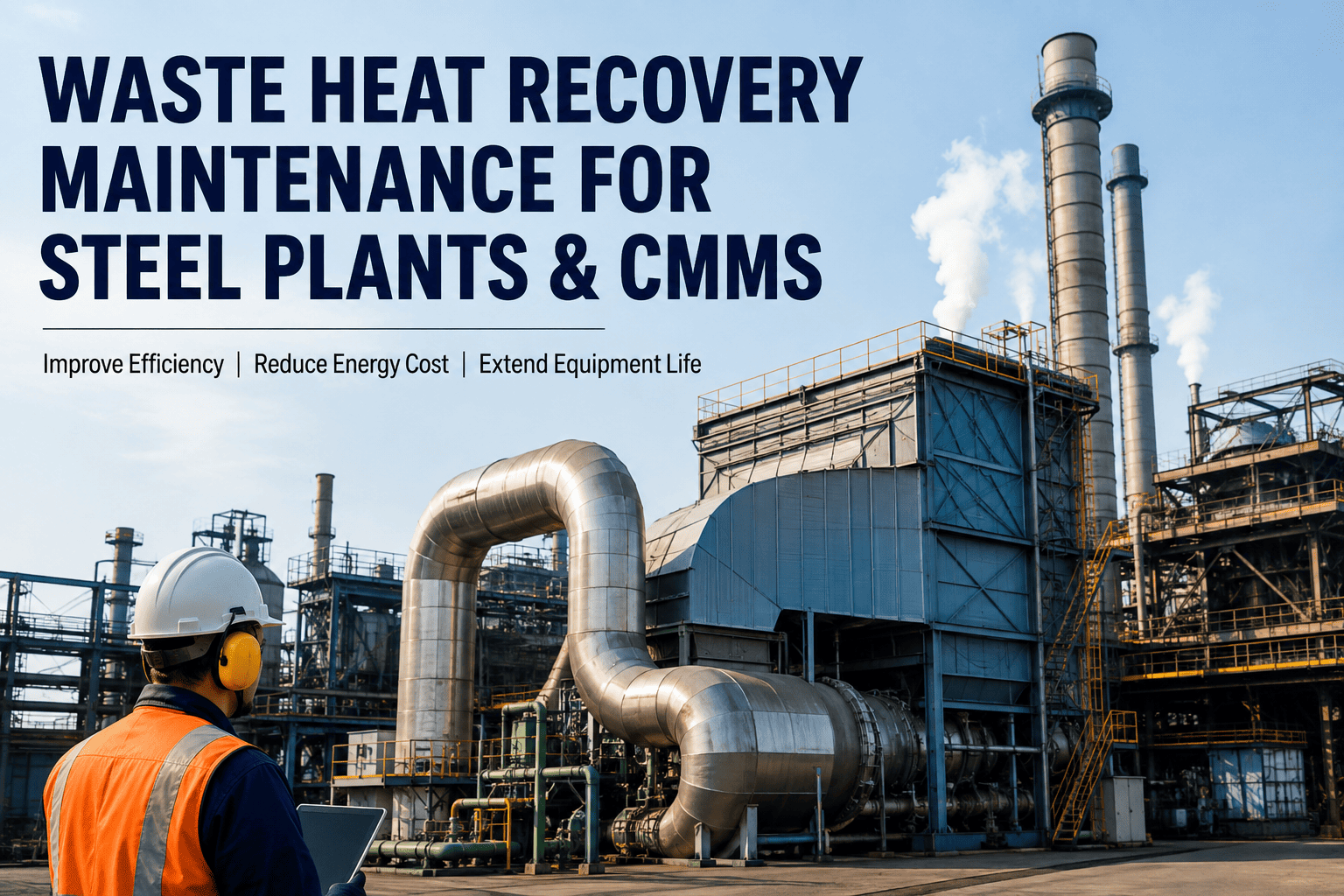
Waste Heat Recovery Maintenance for Steel Plants
Protect the energy your plant already paid for. Track BFG boiler fouling, BOF/OG gas recovery, TRT turbine health, and coke dry quenching performance in one CMMS built for steel plant energy assets.
15-25%Of a steel plant's total energy recovery potential comes from waste heat systems
2-4%Boiler thermal efficiency lost every year of operation without preventive tube cleaning
$15K-$30KAnnual steam loss from a single quarter-inch steam trap left leaking undetected
$400K-$1.2MTypical annual value lost by a mid-size mill from undetected waste heat recovery decline
Why Waste Heat Recovery Equipment Needs Its Own Maintenance Program
A general boiler technician can service a commercial heating boiler with standard maintenance checklists. A blast furnace gas boiler cannot be maintained the same way, because the gas feeding it carries abrasive dust and corrosive compounds that quietly coat tube banks and reduce heat transfer long before any failure occurs. A BOF gas recovery hood that develops even a small air leak stops behaving like a suppressed-combustion recovery system and starts burning off the very CO gas the plant intended to capture as fuel. A top pressure recovery turbine losing a few percentage points of output to blade erosion will not trip an alarm — it will simply generate less electricity from the same blast furnace gas flow, month after month. Generic mechanical maintenance competence is not the same as waste heat recovery competence, and the gap between the two is exactly where energy value disappears. Book a demo with Oxmaint to see how a CMMS purpose-built for steel plant energy assets closes that gap with trend-based, not calendar-based, maintenance triggers.
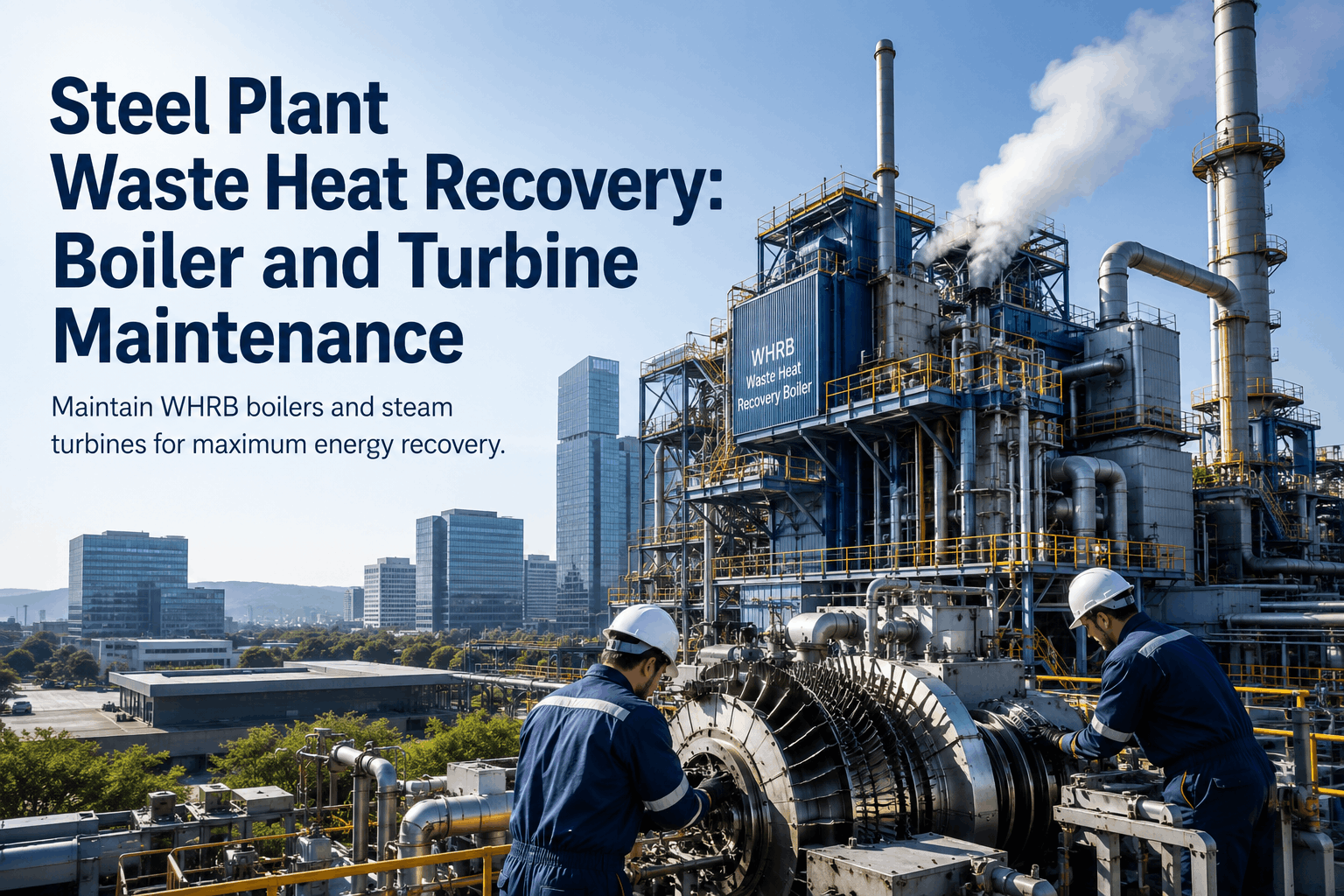
Blast Furnace Gas (BFG) Boiler
Steam generation from BF top gas
Recovers sensible heat from 200-250°C blast furnace exhaust to generate high-pressure steam for the plant steam network.
Dust and ash fouling on tube banks silently drops steam output with no alarm or visible fault
BOF / OG Gas Recovery
Suppressed combustion converter gas capture
A hood skirt over the BOF mouth limits air infiltration, recovering 10-30% sensible heat as steam and 50-70% as CO fuel gas.
A degraded hood seal lets in air, converting recoverable CO gas into wasted combustion heat
Top Pressure Recovery Turbine
Electricity from BF top gas pressure
Uses the pressure energy in blast furnace top gas to spin a turbine and generate electricity before the gas is used downstream.
Blade erosion from dust carryover reduces output gradually, long before vibration alarms trigger
Coke Dry Quenching (CDQ)
Inert gas cooling of hot coke
Replaces wet quenching with circulated inert gas, recovering roughly 80% of hot coke sensible heat as usable steam.
Refractory wear or gas leakage cuts recovery efficiency without any change to coke quality
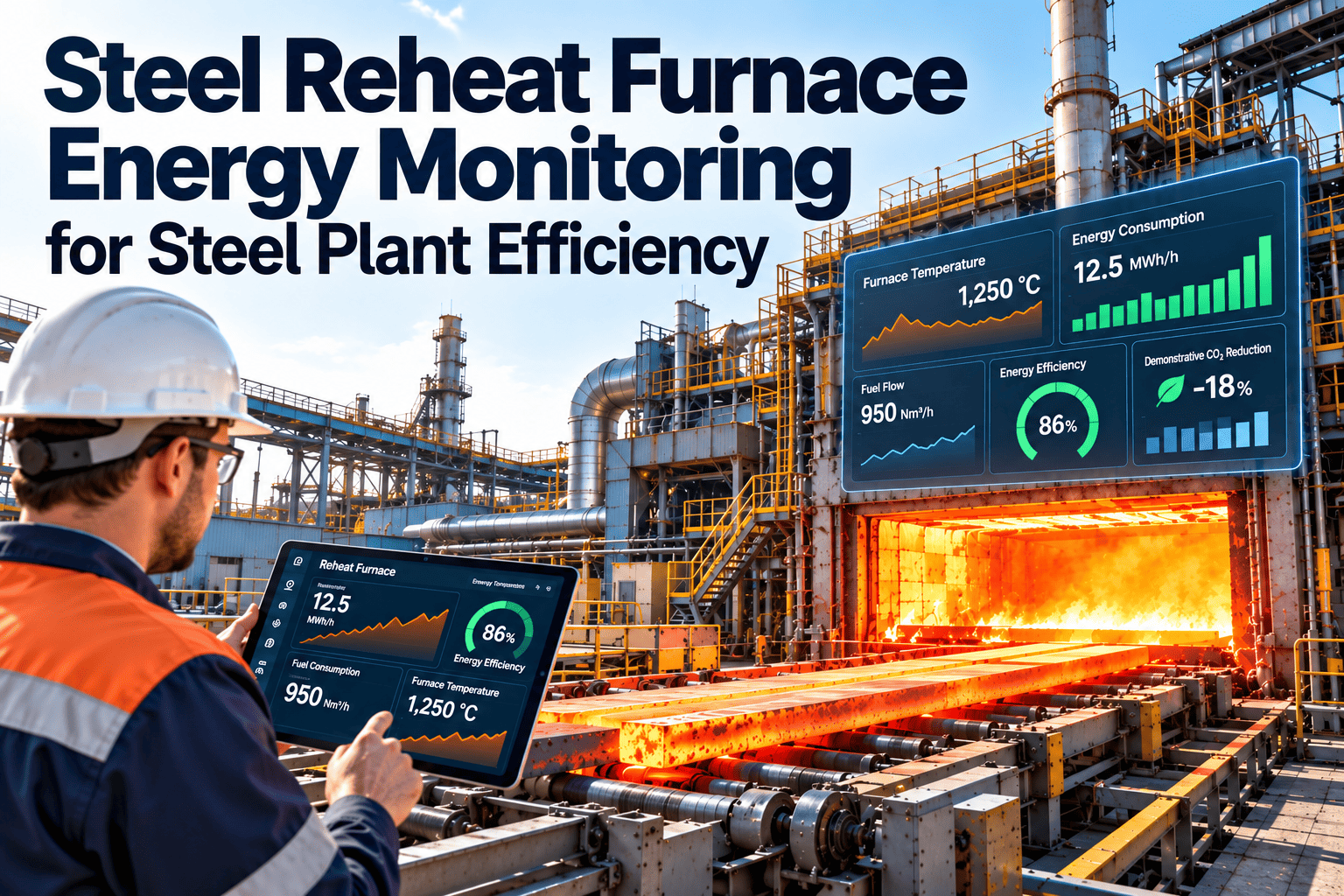
See Your Waste Heat Recovery Assets in One Dashboard
Boiler tube fouling, gas quality trends, turbine health, and steam trap status — tracked automatically instead of discovered during an annual audit.
The Silent Failure Pattern Behind Every Lost Waste Heat Recovery Dollar
Waste heat recovery equipment degrades without failure events, which is exactly why the losses go unnoticed for so long. A boiler does not stop working when its tubes foul — it just makes slightly less steam from the same gas flow. A turbine does not shut down when its blades erode — it just produces slightly less power. A heat exchanger does not fail when it scales up — it just quietly reduces the temperature it can recover. None of these trigger a work order on their own, which is why a CMMS needs to track the trend itself, not wait for a threshold breach.
| System | Early Warning Sign | Typical Root Cause | Recommended CMMS Action |
| BFG Boiler |
Steam output drifts down at constant gas flow |
Ash and dust fouling on tube banks |
Trigger cleaning from differential pressure trend, not calendar date |
| BOF / OG Recovery |
Recovered gas heating value falls below spec |
Air infiltration through hood seal |
Log oxygen analyzer readings and seal inspection each campaign |
| TRT Turbine |
Power output falls at the same gas pressure |
Blade erosion from dust carryover |
Track output and vibration trend against an erosion threshold |
| Caster Cooling Loop |
Recovered water temperature declines |
Heat exchanger scale buildup |
Monitor approach temperature and schedule descaling early |
CMMS Maintenance Checklist for Waste Heat Recovery Assets
A waste heat recovery maintenance program works only when it is built around measurable trends rather than fixed calendar intervals, since two boilers running identical schedules can foul at very different rates depending on gas quality and dust loading that week.
Tube Bank Cleaning
Trigger cleaning from differential pressure and steam output trend instead of a fixed monthly date.
Gas Quality Logging
Record oxygen analyzer and calorific value readings every campaign to catch hood seal degradation early.
Turbine Condition Tracking
Log vibration, bearing temperature, and output trend to catch blade erosion before it becomes measurable loss.
Steam Trap Survey Rounds
Schedule ultrasonic trap testing rounds so failed traps are replaced within days, not discovered by accident.
Heat Exchanger Fouling Checks
Track approach temperature against design baseline to schedule descaling before recovery drops further.
Refractory and Duct Inspection
Log periodic thermal imaging of ducts and refractory linings to catch leaks that bleed recovered heat away.
Performance Benchmarks: Is Your Waste Heat Recovery System Healthy?
Objective thresholds turn "the boiler seems fine" into a number your energy manager can act on before the next audit finds a surprise.
Boiler Thermal Efficiency Loss
Poor: more than 4% per year
Acceptable: 2-3% per year
Excellent: under 1.5% per year
Efficiency loss without preventive tube cleaning compounds year over year until a full outage is required to recover it.
Steam Trap Functional Rate
Poor: below 80%
Acceptable: 85-90%
Excellent: above 95%
Every 5% below the 95% target on a large steam network can represent millions in avoidable annual fuel-equivalent loss.
TRT / Turbine Availability
Poor: below 90%
Acceptable: 92-96%
Excellent: above 97%
Availability below 90% usually points to reactive bearing or seal repairs rather than trend-based condition monitoring.
Recovered Energy vs Design
Poor: below 70%
Acceptable: 75-85%
Excellent: above 90%
Comparing actual recovered energy to original design capacity is the fastest way to reveal silent, undocumented decline.
Frequently Asked Questions About Waste Heat Recovery Maintenance
How much energy can a steel plant realistically recover through better maintenance?
Waste heat systems already represent 15-25% of a plant's total energy recovery potential. Closing the gap between design capacity and actual recovered energy, often 10-20 percentage points, is usually the single largest energy-saving lever a mill has without new capital equipment.
What is the biggest cause of losses that never trigger a boiler alarm?
Gradual tube fouling and scale buildup. Boilers and heat exchangers keep operating normally while quietly delivering less steam or heat than the same equipment produced a year earlier, which is why trend tracking matters more than alarm thresholds.
How often should BFG boiler tube banks be cleaned?
There is no universal interval, since fouling rate depends on dust loading and gas quality that week. The reliable approach is triggering cleaning from differential pressure and steam output trend rather than a fixed calendar date.
Can a CMMS actually track gas quality and turbine performance, not just work orders?
Yes.
Oxmaint's CMMS logs oxygen analyzer readings, turbine vibration and output trends, and heat exchanger approach temperatures alongside standard work order history, so degradation shows up as a trend rather than a surprise.
What is coke dry quenching and why does its maintenance matter?
Coke dry quenching cools hot coke with circulated inert gas instead of water, recovering around 80% of the coke's sensible heat as usable steam. Refractory wear or gas leakage in the CDQ chamber reduces this recovery quietly, so
booking a demo is the fastest way to see how condition tracking catches it early.
Protect the Energy Your Steel Plant Already Recovers
Track boiler fouling, gas recovery quality, turbine health, and steam trap performance in one CMMS built for steel plant energy assets.

-programs.png)


