
A typical integrated steel plant consumes approximately 23 GJ of energy per metric ton of steel produced, yet 20-50% of that energy is lost as waste heat through exhaust gases, hot products, cooling water, and radiant surfaces. Across the steel industry globally, this translates to hundreds of millions of tonnes of wasted thermal energy every year. The U.S. Department of Energy estimates that blast furnaces alone generate 46 TWh per year of recoverable waste heat, while electric arc furnaces add another 14.1 TWh. At an ArcelorMittal facility, researchers identified 17 waste heat sources with a combined capacity reaching 1 GW.
The waste heat recovery market for metal manufacturing is projected to reach $27.2 billion by 2035, driven by tightening energy efficiency regulations and rising energy costs. For steel plant managers, every GJ of recovered heat directly reduces fuel purchases, cuts CO₂ emissions, and improves operating margins. Talk to Oxmaint about optimizing your plant's energy recovery.
Where Steel Plants Lose Heat: A Source-by-Source Breakdown
Steel production involves extreme temperatures at every stage. Each process generates specific waste heat streams with different temperatures, volumes, and contamination levels. Understanding your plant's heat profile is the first step toward capturing energy that's currently walking out the stack:
BOF Off-Gas
Extremely high temperature exhaust with high CO concentration. Offers both chemical energy and sensible heat recovery. Most recovery is costly due to contaminants, but the energy potential is enormous.
EAF Exhaust Gas
EAF off-gas exits at ~2,200°F. Captured in waste heat recovery boilers for power generation or scrap preheating. Most common recovery: using exhaust to preheat incoming scrap, saving 60-100 kWh/t electricity.
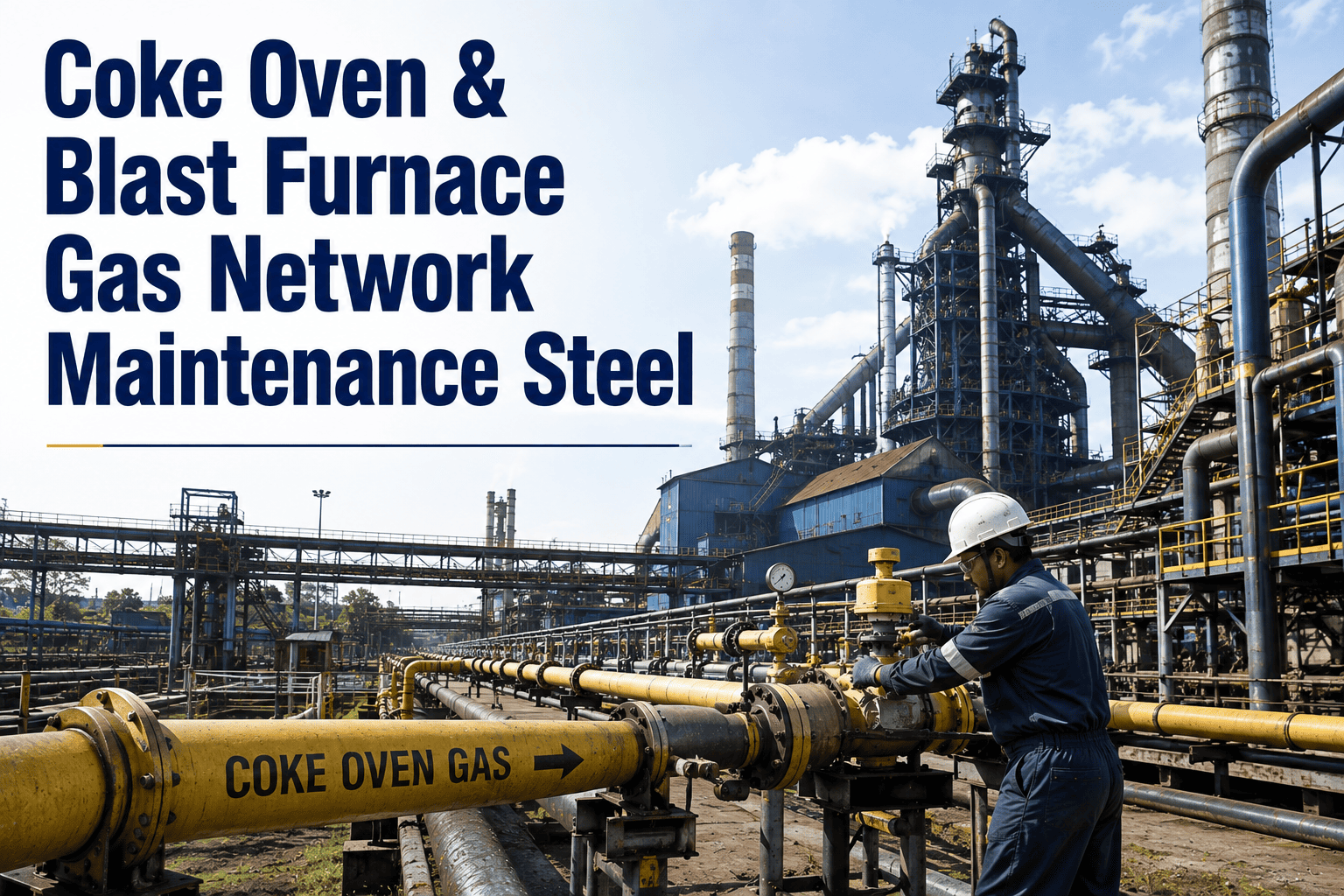
Coke Oven Gas & Hot Coke
Hot coke exits ovens at ~1,000°C. COG exits at 650-980°C. Japanese mills recover ~33% of COG energy. CDQ systems generate clean steam and improve coke quality simultaneously.
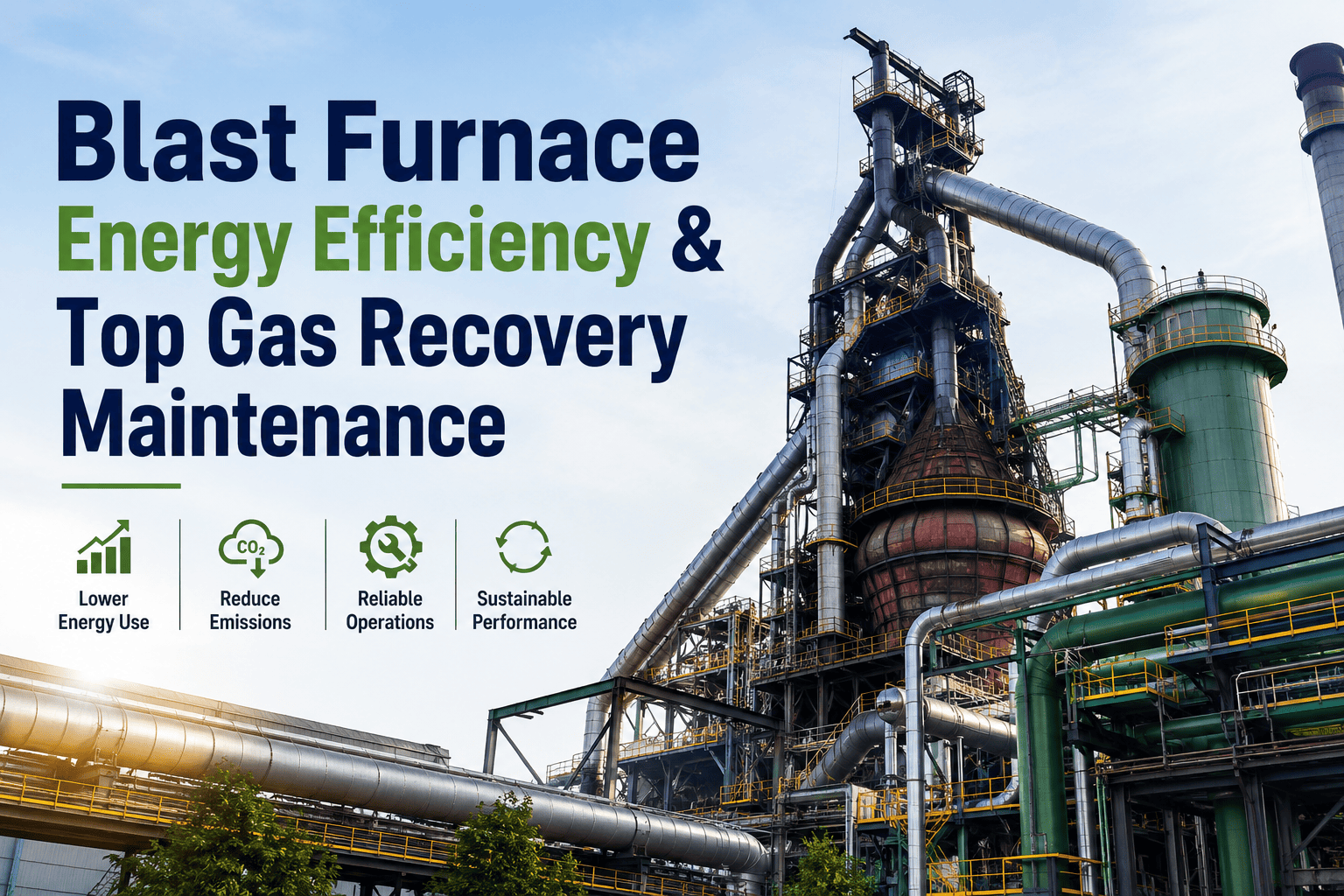
Blast Furnace Top Gas & Stove Flue
BF top gas is a low-BTU fuel recovered within the mill. TRT generates 15-40 kWh/t pig iron from gas pressure. Stove flue at ~250°C. Recuperators save ~0.126 GJ/tonne pig iron.
Sinter Cooler & Exhaust
Sinter cooler air exits at ~300°C. Among the most accessible sources with relatively clean gas. Ideal for ORC systems or combustion air preheating with short payback periods.
Cooling Water, Casting & Slag
Cooling water carries massive thermal energy at low temperatures. Slag at 1,300-1,500°C has huge potential but is hard to recover. One plant increased waste heat utilization from 4% to 95% via district heating integration.
Recovery Technologies Matched to Your Heat Sources
Different temperature ranges demand different technologies. The key to maximizing ROI is matching the right technology to each heat source:
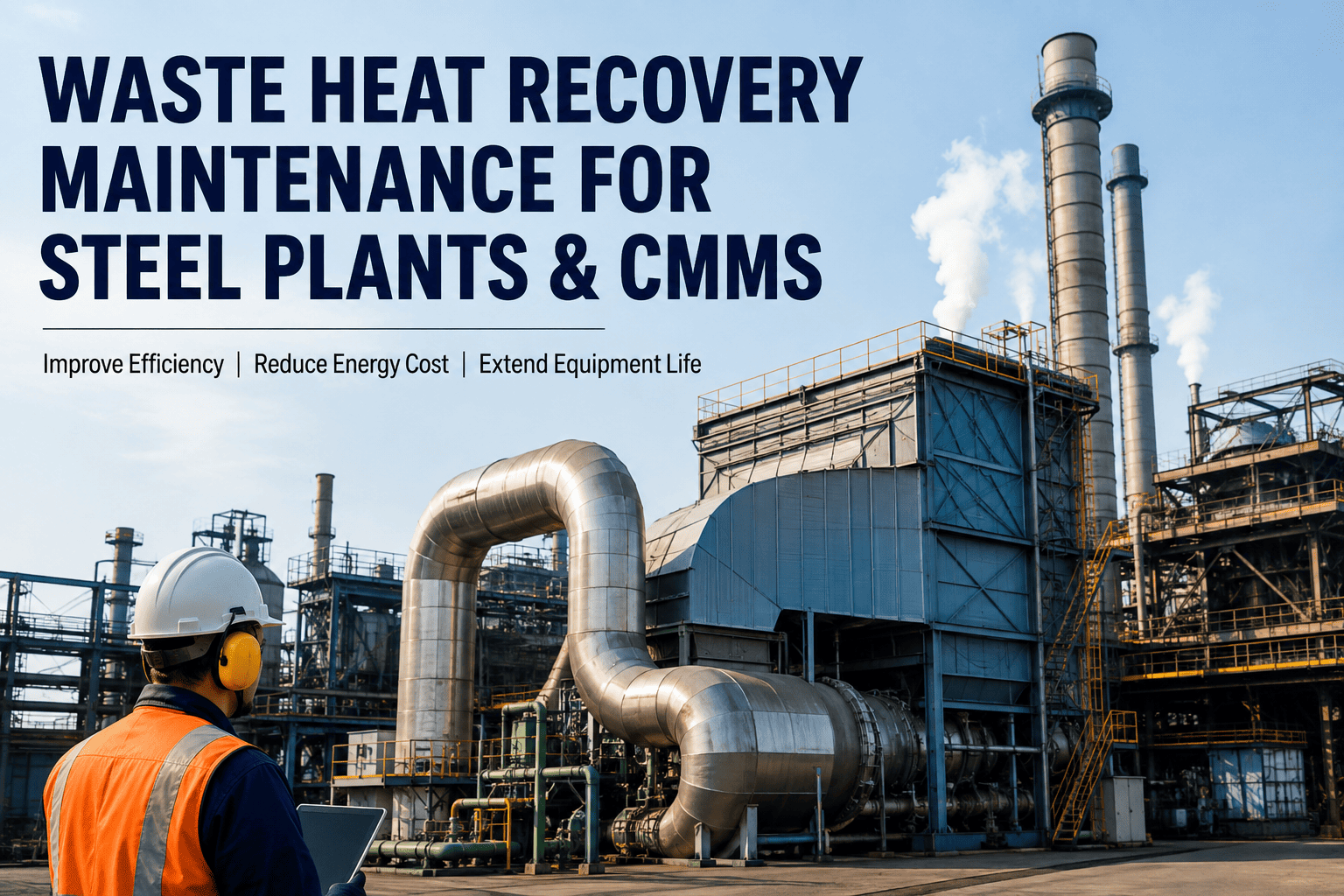
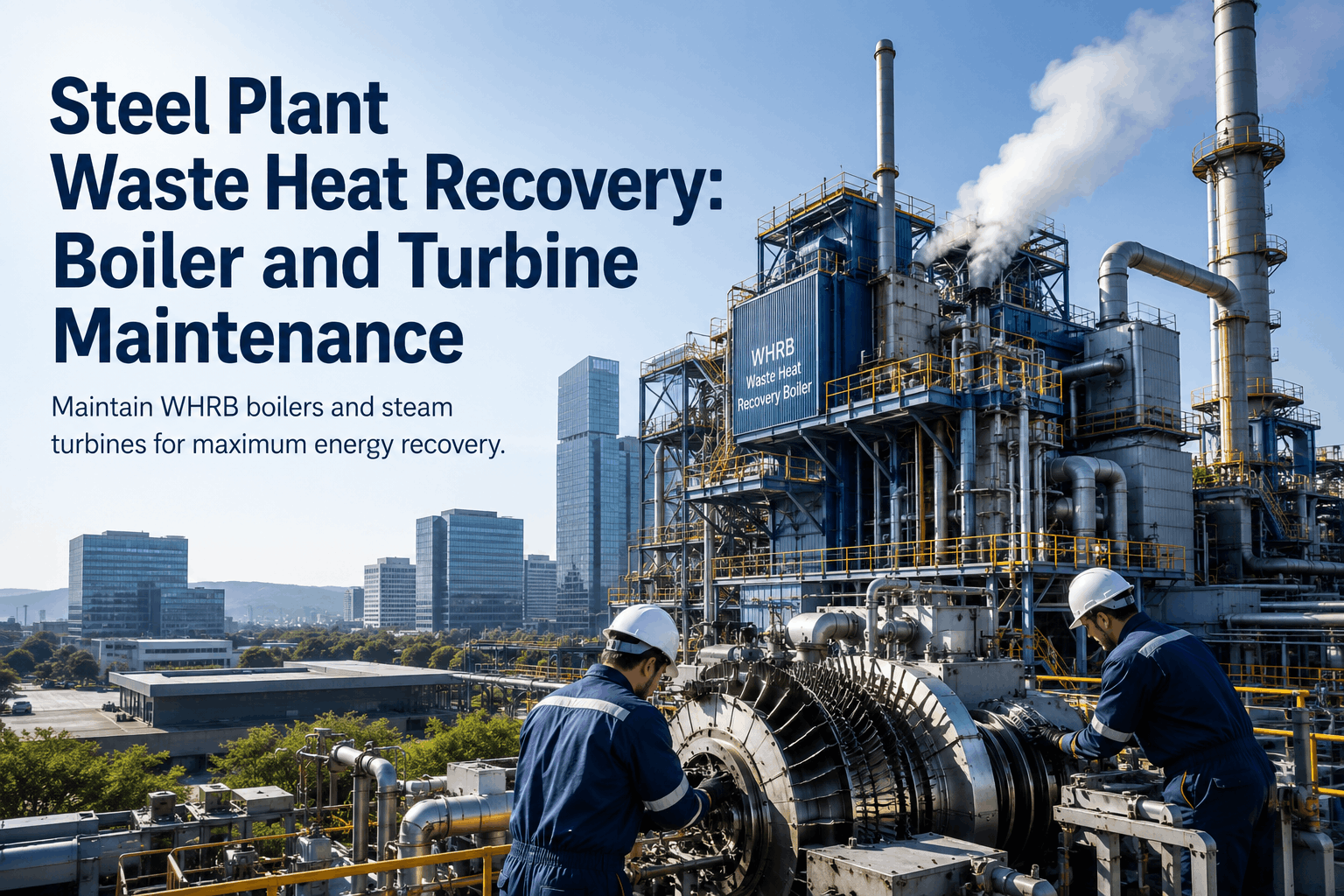
Waste Heat Recovery Boiler (WHRB)
Captures high-temperature exhaust from EAF, BOF, or coke ovens to generate steam. Most mature technology in steel.
Coke Dry Quenching (CDQ)
Replaces wet quenching with inert gas cooling. Recovers ~80% of hot coke sensible heat. Proven since 1976 at Nippon Steel. Improves coke quality.
Top Pressure Recovery Turbine (TRT)
Generates electricity from BF top gas pressure. Zero fuel cost. Standard in Japanese and European integrated mills for decades.
Organic Rankine Cycle (ORC)
Organic working fluids with lower boiling points generate electricity from medium heat. Efficiency improving 30% with new supercritical fluids.
Regenerative & Recuperative Exchangers
Preheat combustion air using waste exhaust. Regenerative burners recover 40-50% of flue gas heat. Fastest payback of all WHR technologies.
Heat Pumps & District Heating
Upgrade low-grade waste heat for district heating. One plant went from 4% to 95% utilization. Centrifugal pumps supply 90°C water from low-temp sources.
Maximize Your Plant's Energy Recovery
Oxmaint helps steel plants track energy consumption, schedule preventive maintenance on heat recovery equipment, and monitor performance to ensure every system operates at peak efficiency.
Why CMMS Is Critical for Waste Heat Recovery
Recovery systems only generate savings when running. A single WHRB tube leak, fouled ORC exchanger, or failed TRT bearing takes recovery offline. Oxmaint's CMMS ensures peak uptime:
Preventive Maintenance
Automated PM for every component: boiler tubes, ORC fluid, TRT bearings, heat exchanger fouling, CDQ inert gas systems. Calendar and meter triggers.
Performance Monitoring
Track output against design: rising stack temps, dropping steam production, falling power output. Catch degradation before failure.
Energy Data Logging
Record kWh generated, tonnes of steam, GJ recovered. Build clear recovery performance picture. Justify expansion investments with real data.
Downtime Cost Tracking
When systems go offline, calculate lost energy recovery in real dollars. Quantify the true cost of every hour of downtime for maintenance investment.
Spare Parts Inventory
Track critical spares: boiler tubes, ORC fluid, exchanger gaskets, TRT blades. Set reorder points. Reduce repair downtime from days to hours.
Incentive Compliance
Document energy savings for IRA tax credits, DOE programs, carbon credits. Maintain audit-ready records of CO₂ reductions and efficiency gains.
ROI Calculator: What Heat Recovery Saves You
Understanding the financial return helps prioritize investments. Here's what the most common recovery projects deliver:
EAF Scrap Preheating
CDQ System (Coke Plant)
TRT (Blast Furnace)
Start Recovering Energy Today
Whether maintaining existing equipment or planning new installations, Oxmaint ensures peak performance. Schedule, monitor, and optimize every system from one platform designed for heavy industry.
Frequently Asked Questions
How much energy does a typical steel plant waste as heat?
Integrated BF-BOF plants consume ~23 GJ/t steel, losing 20-50% as waste heat. If all streams were recovered, up to 14.7 GJ/t could be saved. EAF mini-mills consume 6.1 GJ/t but still generate significant recoverable heat from exhaust at ~1,200°C.
What is the best WHR technology for EAF steel plants?
Scrap preheating is most proven (60-100 kWh/t savings). WHRB converts off-gas to steam. ORC offers 10-20% efficiency for medium temps. Emerging sCO₂ cycles show promise for the wide temp range (200-1,300°C) in EAF operations.
What ROI can steel plants expect?
Payback: TRT 2-4yr, scrap preheating 2-3yr, WHRB 3-5yr, CDQ 4-6yr, ORC 4-7yr. Annual savings $10-30M for large integrated plants. WHR metals market growing at 8.9% CAGR.
How does CMMS help with heat recovery?
Oxmaint maximizes uptime via automated PM scheduling, performance monitoring with threshold alerts, energy data logging, downtime cost tracking, spare parts management, and IRA/DOE incentive documentation.
Are there government incentives for WHR?
Yes. IRA provides tax credits for industrial efficiency. DOE funded 1,200+ facility proposals. Carbon credits and state mandates add incentives. In 2024, 45% of North American WHR installations were IoT-enabled, qualifying for smart manufacturing programs.
-programs.png)
