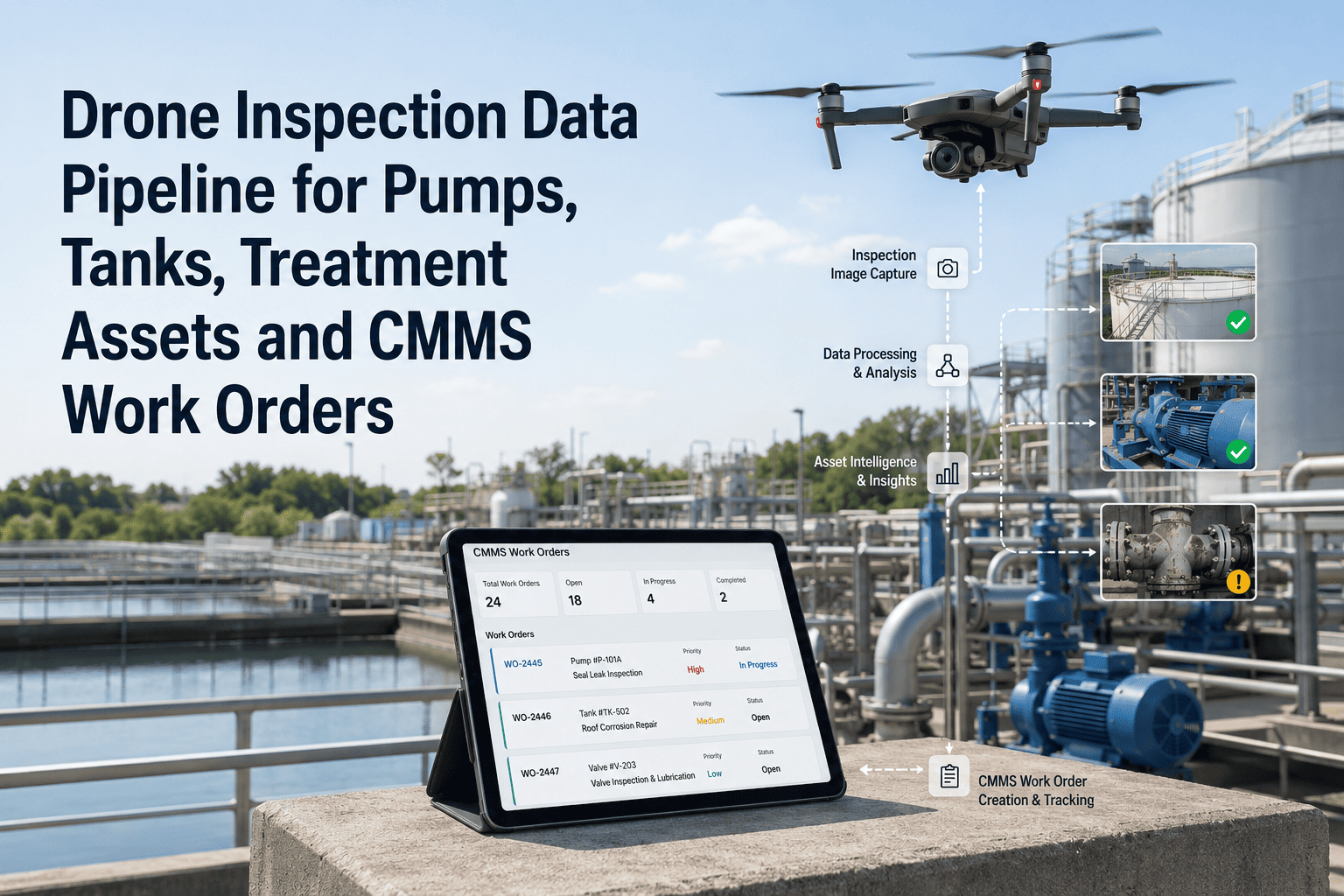
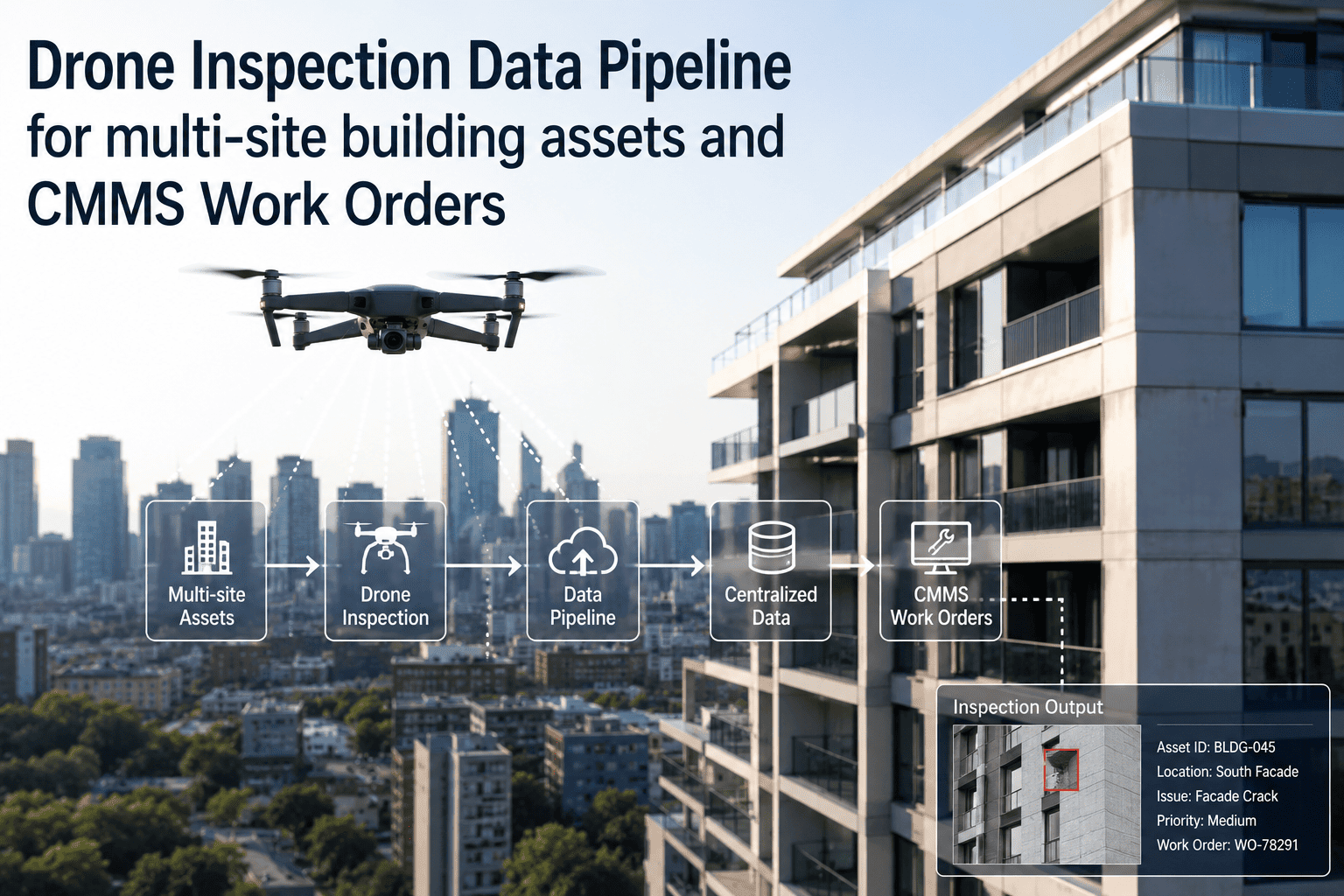
Data center maintenance teams are managing more assets, more interdependencies, and more regulatory scrutiny than at any previous point — while simultaneously being asked to do more with leaner staffing. Digital twin maintenance software addresses this directly: by creating a live virtual replica of your physical data center, your team can monitor asset condition in real time, simulate failure scenarios before they occur, and generate work orders from sensor thresholds without waiting for a technician to discover the problem manually. The global digital twin market for data centers reached USD 18.97 billion in 2024 and is projected to grow at a 36% CAGR through 2032 — a signal that the industry has moved from experimentation to operational deployment. OxMaint's digital twin maintenance platform connects your DCIM, BMS, and sensor data to structured work orders, predictive alerts, and a full asset performance record — without requiring a multi-year implementation. If your data center team is still dispatching technicians reactively and logging repairs after the fact, book a demo to see how OxMaint structures digital twin maintenance for data center teams in 2026.
CMMS Comparison · Data Centers · 2026
Best Digital Twin Maintenance Software for Data Centers Teams in 2026
Reduce downtime, automate work orders from sensor thresholds, and track every asset in your data center with predictive maintenance built for today's high-density, high-availability environments.
$18.97B
Digital twin data center market size, 2024
36.4%
CAGR projected through 2032
18.5%
CAGR for data center optimization segment, 2026–2033
What Digital Twin Maintenance Software Does for Data Center Teams
A digital twin maintenance platform is not a visualization tool. It is an operational layer that connects physical asset data to the maintenance workflows that keep systems running.
RT
Real-Time Asset Monitoring
Sensor data from CRAC units, UPS systems, PDUs, servers, and cooling towers feeds directly into asset-level dashboards — showing current status, temperature, load, and operating trend in one view per asset.
PM
Predictive Work Order Generation
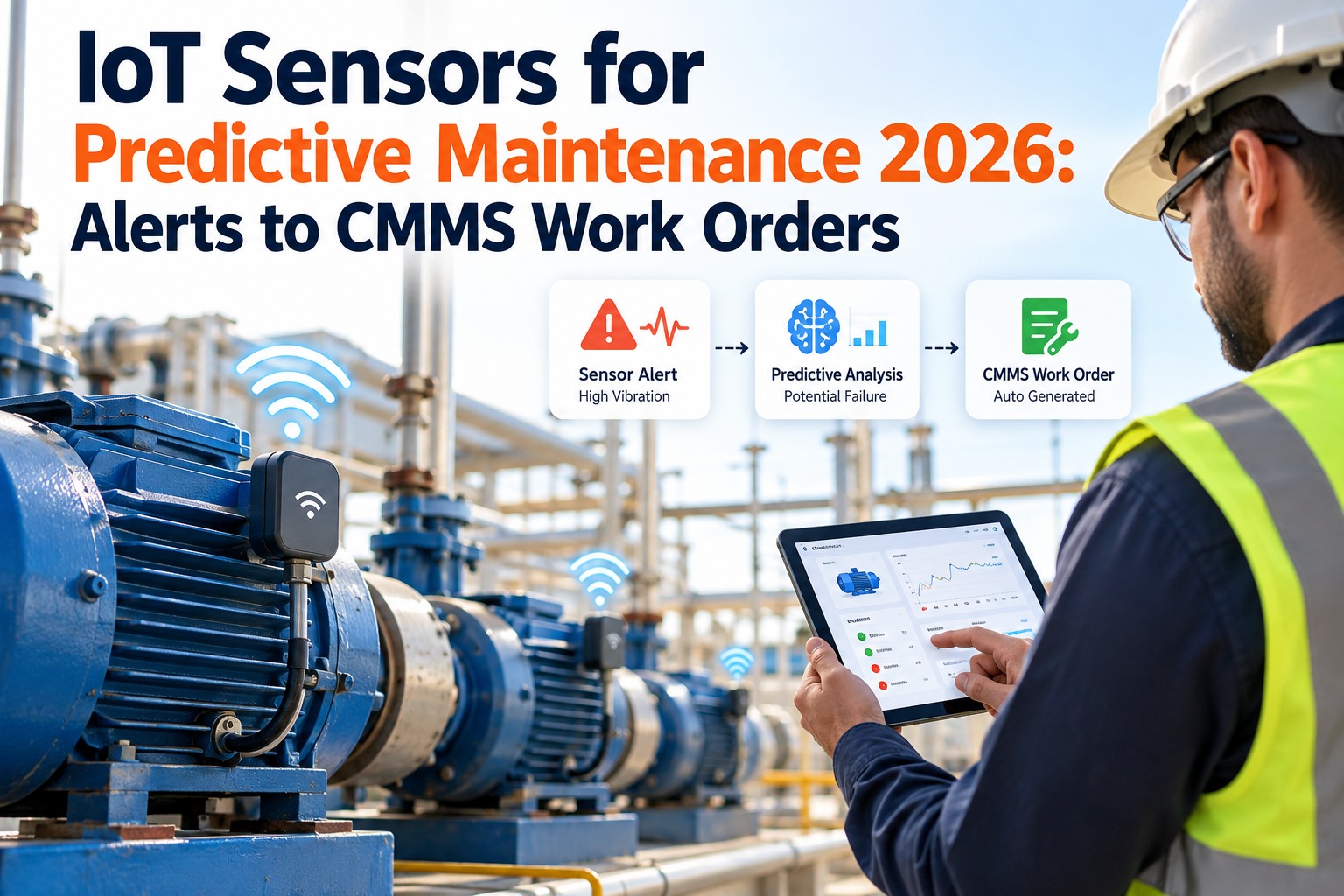
When a sensor reading crosses a configured threshold — UPS battery voltage dropping, CRAC discharge temperature rising, PDU load approaching rated capacity — OxMaint generates a work order automatically before the alarm fires.
AH
Full Asset History
Every work order, inspection, parts replacement, and sensor trend is stored against the asset record — giving you a complete maintenance history that survives staff turnover and informs future capital decisions.
CA
Capacity and Availability Planning
Digital twin data in OxMaint shows which assets are approaching end-of-life thresholds, which zones are running hot, and where redundancy is degrading — so you plan maintenance windows instead of reacting to outages.
OxMaint vs. Other Digital Twin Maintenance Approaches
| Capability |
OxMaint |
Standalone DCIM Tools |
Generic CMMS (No Digital Twin) |
Manual / Spreadsheet |
| Sensor-to-work order automation |
Yes — configurable thresholds |
Monitoring only, no WO creation |
No sensor integration |
Manual discovery only |
| Asset-level maintenance history |
Full lifecycle history per asset |
Limited to current DCIM data |
Yes, if logged manually |
Scattered or lost |
| Predictive maintenance alerts |
Trend-based auto alerts |
Threshold alarms only |
PM schedules, not condition-based |
No predictive capability |
| Multi-site data center support |
Single account, all sites |
Varies by vendor |
Typically yes |
Per-site files |
| Mobile technician access |
Full mobile app with offline mode |
Desktop-only typically |
Varies by vendor |
Not structured |
| SCADA / BMS / DCIM integration |
API + OPC-UA + historian feeds |
Native to some platforms |
Requires custom work |
None |
| Implementation time |
Days to weeks |
Months to years |
Weeks to months |
Immediate (low value) |
See OxMaint's digital twin maintenance in a live data center environment
Watch how sensor thresholds become work orders, how asset history builds automatically, and how predictive alerts replace reactive dispatch — in a 30-minute live session.
Key Assets Covered in OxMaint Data Center Digital Twin Maintenance
UPS Systems
Battery voltage, runtime capacity, bypass status, internal temperature
Work order triggers at 80% battery capacity threshold or voltage anomaly
CRAC / CRAH Units
Discharge/return air temperature, humidity, fan RPM, filter pressure drop
Alert on return air temp rise or filter delta pressure above baseline
PDU / RPP
Per-circuit load, voltage, current, phase imbalance
Load approaching rated threshold triggers capacity review work order
Chillers and Cooling Towers
Approach temperature, condenser water temps, vibration, compressor draw
Approach temperature deviation flags fouling or refrigerant loss
Generators
Fuel level, coolant temperature, test run hours, battery status
Missed test run or low fuel triggers automated PM work order
Fire Suppression
Agent cylinder pressure, inspection date, system test status
Inspection due date triggers scheduled work order in advance
Expert Perspective
DC
Data center maintenance teams have always had sensor data — the problem has been the gap between the sensor alarm and the structured work order. A technician gets an alert, investigates, fixes the issue, and then that knowledge lives in their head or a text message thread. Digital twin maintenance software closes that loop: the sensor trend triggers the work order, the work order captures what was found and what was done, and the asset history builds automatically. Over time, the data tells you what fails, when, and at what threshold — which is worth more than any single repair call.
Data Center Infrastructure Director
Hyperscale and enterprise data center operations, 14 years experience
Digital Twin Maintenance Market: 2026 Data Snapshot
| Metric |
Value |
Source / Context |
| Digital twin for data centers market size (2024) |
USD 18.97 billion |
DataM Intelligence |
| Projected market size by 2032 |
USD 227.56 billion |
DataM Intelligence (36.42% CAGR) |
| Data center optimization segment CAGR (2026–2033) |
18.5% |
Data Bridge Market Research |
| Hyperscale data centers share of digital twin market (2025) |
52.4% |
Data Bridge Market Research |
| Colocation data centers fastest growing segment CAGR |
20.9% (2026–2033) |
Data Bridge Market Research |
| North America share of digital twin market (2025) |
38.9% (largest region) |
Data Bridge Market Research |
| Largest application: energy management share |
Dominant segment |
Data Bridge Market Research |
Frequently Asked Questions
Does OxMaint replace an existing DCIM platform in a data center environment?
OxMaint is designed to complement existing DCIM and BMS systems, not replace them. OxMaint reads sensor and event data from your existing DCIM historian, SCADA, or OPC-UA feeds and converts relevant conditions into structured maintenance work orders. The DCIM platform continues to handle real-time monitoring and environmental control while OxMaint manages the maintenance workflow, asset history, and work order lifecycle.
Book a demo to map OxMaint to your current data center toolchain.
How does OxMaint handle multi-data-center portfolios with different infrastructure vendors?
OxMaint's asset hierarchy supports multi-site data center operations where each site may use different CRAC, UPS, or PDU vendors. Asset profiles are vendor-agnostic — you configure the relevant sensor parameters and thresholds per asset type, regardless of manufacturer. A data center director can view the full portfolio in one dashboard, drill into site-level asset status, and export compliance or performance reports per site or across the entire estate.
Start a free trial to explore multi-site configuration.
What makes OxMaint better suited for data center teams than a standard CMMS in 2026?
Standard CMMS platforms manage scheduled PMs and reactive work orders — they have no mechanism to receive sensor data or generate condition-based work orders automatically. OxMaint bridges that gap: it connects to your sensor and monitoring infrastructure, converts threshold breaches into structured work orders before failure occurs, and maintains the asset maintenance history that makes future predictive models more accurate over time. For data center teams running N+1 or 2N redundancy environments where a single component failure can cascade, this proactive loop is the difference between planned maintenance and emergency response.
How quickly can OxMaint be deployed for a data center team?
Most data center deployments on OxMaint go live within days to weeks — not months. The process involves connecting your existing data feeds via API or historian integration, building the asset hierarchy for your critical infrastructure, configuring threshold rules per asset type, and testing end-to-end from sensor reading to work order generation. Anthropic does not require hardware replacement or control system changes.
Talk to our team about your specific infrastructure setup and we will scope the deployment timeline accurately.
Your next data center failure is already visible in your sensor data. The question is who acts on it first.
OxMaint turns data center sensor trends into structured work orders before alarms fire — so your team is fixing problems, not discovering them. Start free or see it live in a 30-minute demo.