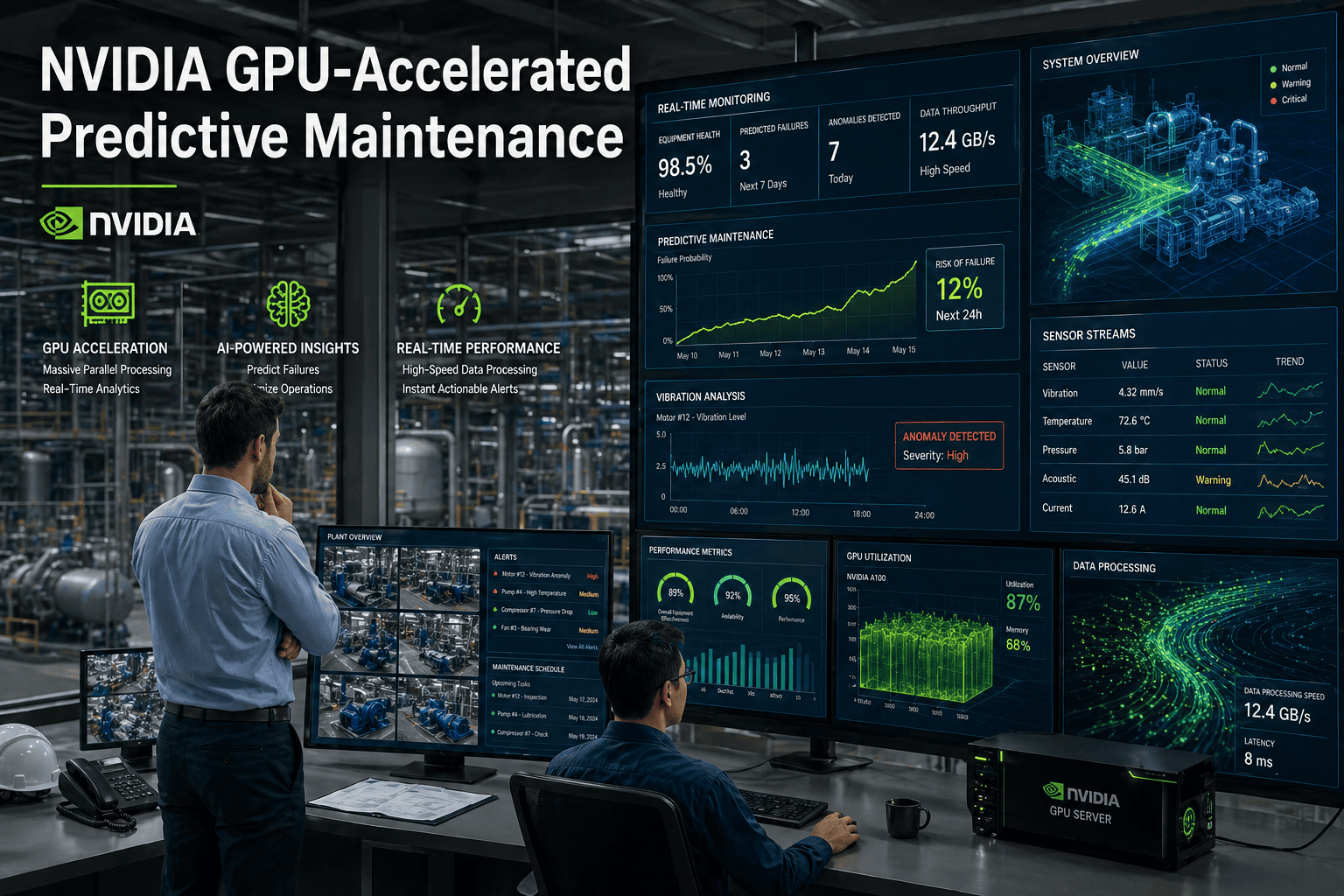
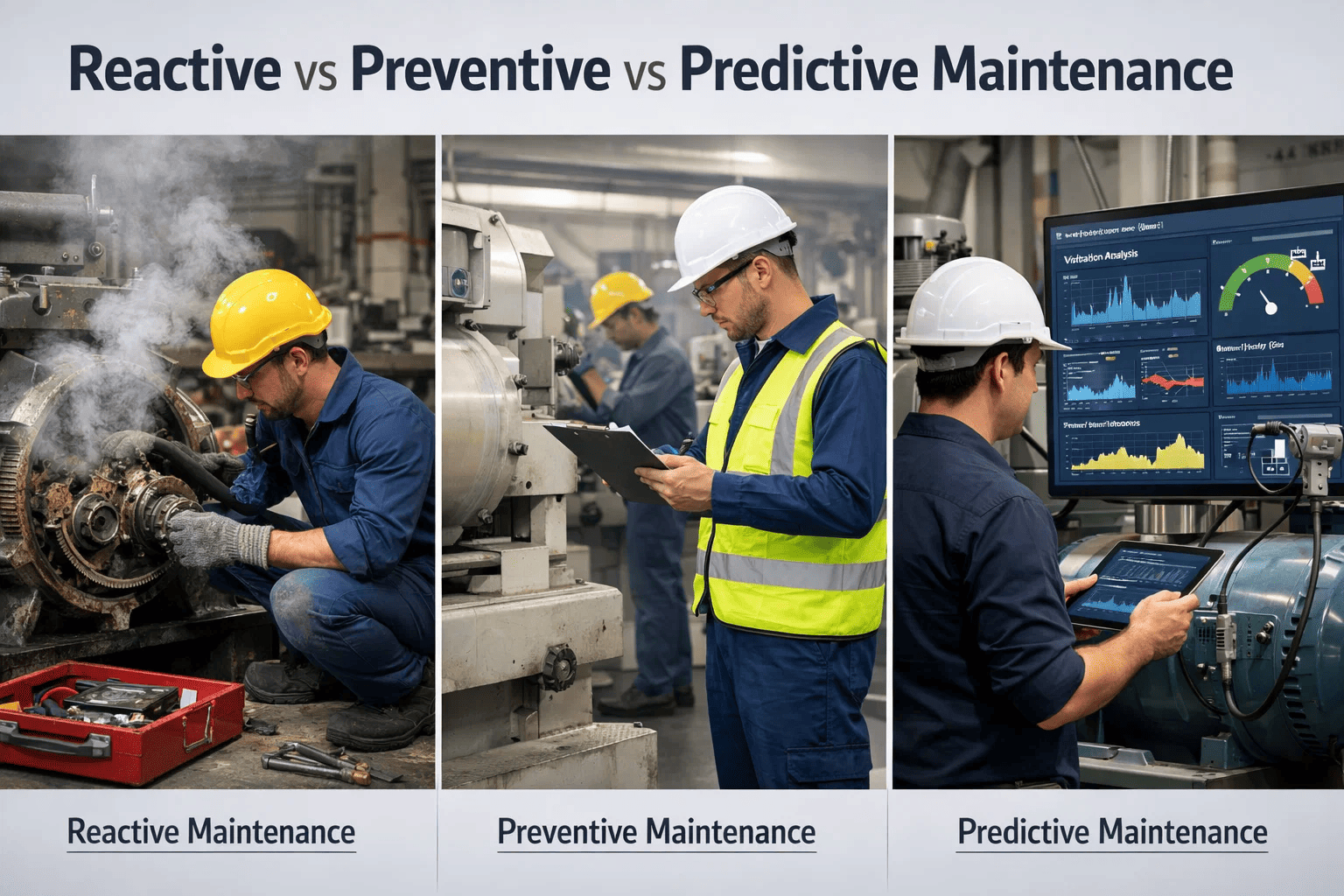
Industrial operations shifting from reactive to predictive maintenance strategies report maintenance cost reductions between 18% and 35% within the first 18 months of implementation. This analysis examines the economic impact of predictive maintenance across manufacturing, energy, transportation, and facilities management sectors using real implementation data from 2024-2026. The financial case extends beyond immediate repair savings to include avoided downtime costs, extended asset lifespan, optimized spare parts inventory, and improved production output. OxMaint delivers predictive maintenance capabilities with IoT integration and condition-based scheduling that drives measurable ROI without requiring data science teams or heavy implementation costs. Facilities achieving the strongest economic returns combine sensor data with structured PM programs rather than attempting to replace scheduled maintenance entirely. Book a 15-minute demo to see how predictive maintenance economics apply to your specific asset portfolio and operational environment.
Economic Impact of Predictive Maintenance: Industry ROI Analysis
Real cost reduction data, avoided downtime economics, asset lifespan extension, and total ROI modeling across manufacturing, energy, transportation, and facilities sectors — with implementation timelines and break-even analysis.
See Predictive Maintenance Economics for Your Asset Portfolio
OxMaint combines IoT sensor integration with condition-based PM scheduling to deliver measurable maintenance cost reduction without requiring dedicated data science resources or lengthy implementation timelines.
How Predictive Maintenance Creates Economic Value
Predictive maintenance generates financial returns through six distinct economic mechanisms. Organizations typically capture value across multiple categories rather than from a single source. The strongest economic impact occurs when predictive insights enable optimized intervention timing rather than simply adding monitoring on top of existing reactive or time-based programs. Want to model predictive maintenance economics for your facility? Start a free trial or book a demo to see OxMaint's condition-based scheduling applied to your asset portfolio.
Predictive Maintenance ROI by Industry Sector
Reactive vs Predictive: 5-Year Cost Analysis
This comparison models a mid-sized manufacturing facility with 150 critical assets over five years. The predictive maintenance scenario assumes gradual implementation with full capability achieved by year 2. All figures are indexed to reactive maintenance baseline costs. To see how these economics apply to your facility type, book a demo and bring your current maintenance spend data for a customized ROI analysis.
| Cost Category | Reactive Maintenance (5-Year Total) | Predictive Maintenance (5-Year Total) | Economic Impact |
|---|---|---|---|
| Emergency repair costs | $1,850,000 | $740,000 | $1,110,000 saved |
| Planned maintenance labor | $620,000 | $890,000 | $270,000 increase |
| Downtime production loss | $3,200,000 | $1,440,000 | $1,760,000 saved |
| Spare parts inventory | $480,000 | $340,000 | $140,000 saved |
| Asset replacement (accelerated) | $920,000 | $600,000 | $320,000 saved |
| Monitoring system & software | $0 | $180,000 | $180,000 cost |
| Total 5-Year Cost | $7,070,000 | $4,190,000 | $2,880,000 net savings |
Cost Structure & Investment Requirements
What Prevents Predictive Maintenance ROI
IoT Integration · Condition-Based Scheduling · Measurable Cost Reduction
Built for facilities teams that need predictive maintenance economics without data science teams or complex analytics platforms. OxMaint combines sensor data integration, automated alert workflows, and condition-based work order generation in a single CMMS platform.