Cement Mill Predictive Maintenance: Vibration, Temperature and Lubrication

Connect with Industry Experts, Share Solutions, and Grow Together!

Join Discussion Forum
cement-mill-predictive-maintenance-vibration-temperature-and-lubrication

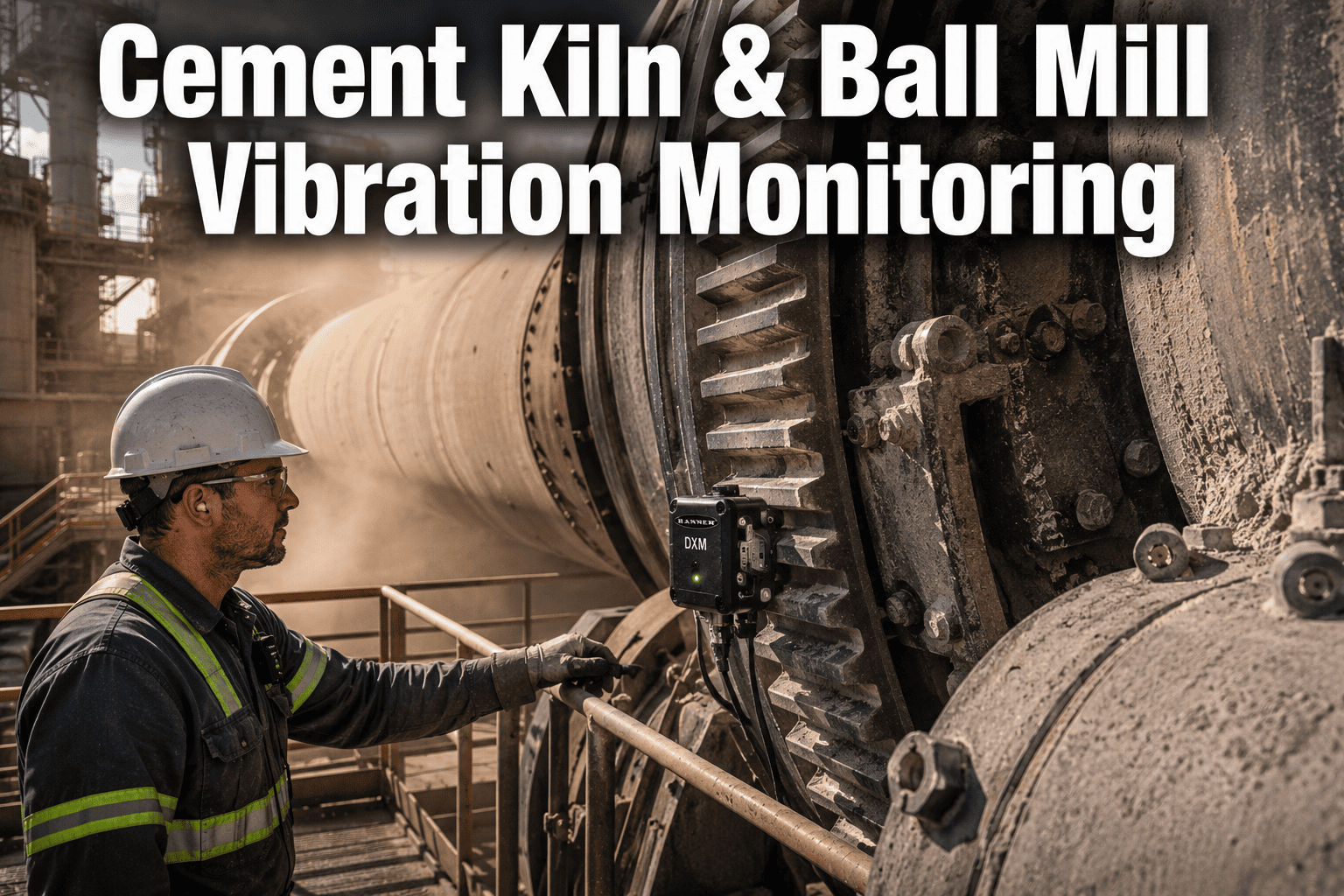
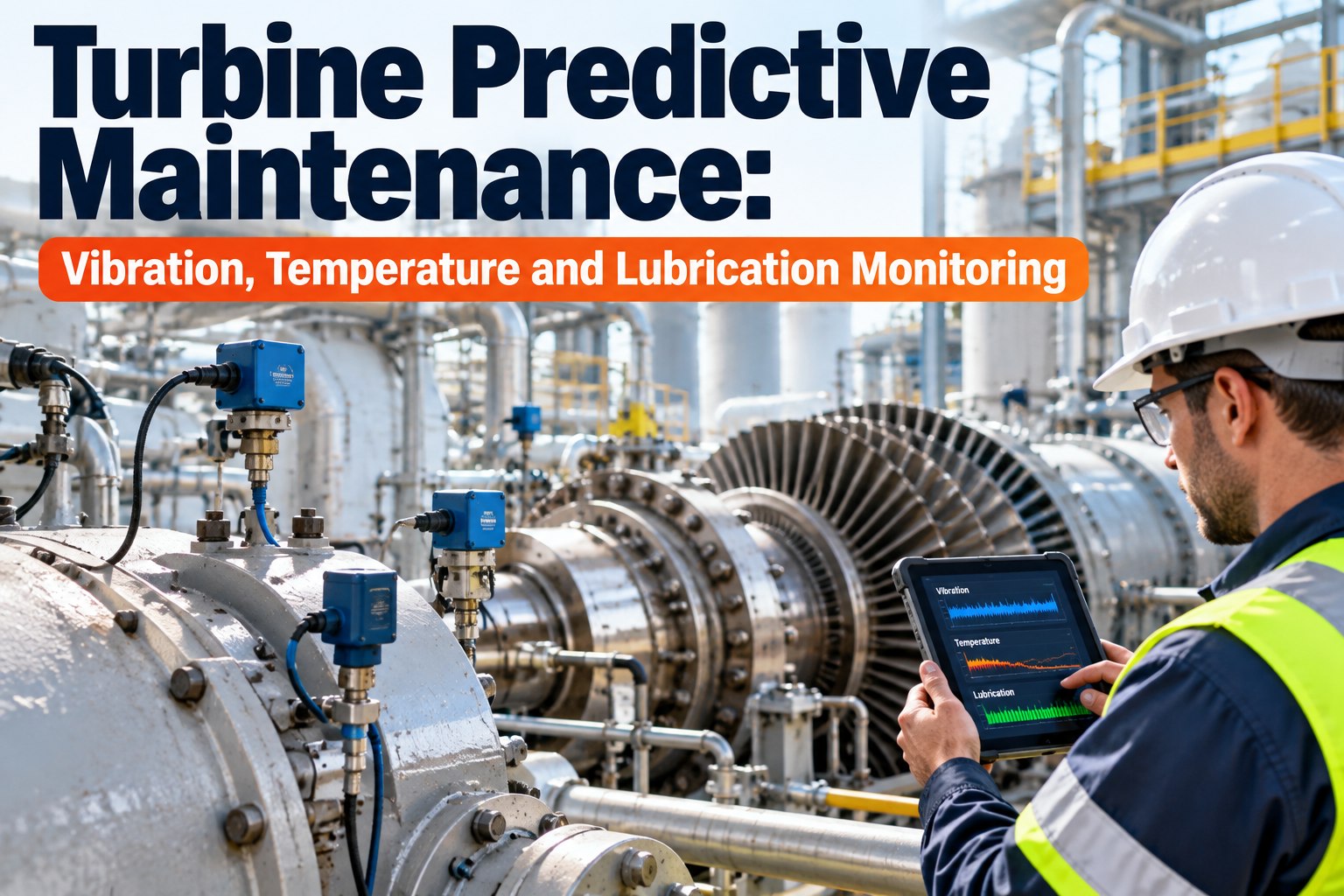
A cement mill is one of the most punishing environments in heavy industry abrasive dust, enormous torque, shock loading, and drives that run near-continuously because every stopped hour is lost production. When a mill gearbox, pinion or main bearing fails unplanned, it takes days to recover, not hours. The three signals that warn you first are vibration, temperature and lubrication — and each sees a different part of the failure. Read alone, any one of them misleads; read together and fed into maintenance, they turn a looming failure into a planned repair. This guide covers the three-channel predictive approach for cement mills and how OXMAINT AI, the AI-powered CMMS, turns a threshold crossing into a prioritized work order.

Cement Plant · Predictive Maintenance · Rotating Equipment

Cement Mill Predictive Maintenance: Vibration, Temperature & Lubrication

Warning signs scatter across vibration logs, temperature trends and oil reports that nobody reads together — until the mill is down. OXMAINT AI brings them onto one asset: condition signals become tracked issues, threshold crossings become prioritized work orders, and closed work orders feed the preventive and predictive schedule. So a rising bearing temperature or an oil-cleanliness excursion becomes assigned work before the mill stops.

3 channels
vibration, temperature and lubrication — the mill's vital signs
ISO 10816-3
vibration severity zones for the mill drivetrain
ISO 4406
oil cleanliness — abrasive dust is the dominant wear driver
Signal → WO
the value is acting on the trend, not just logging it

Why One Signal Isn't Enough

Each channel answers a different question. Vibration tells you where a mechanical fault is developing; temperature tells you how urgent it's becoming; oil analysis tells you what is wearing and why. Watch only one and you get a partial, sometimes misleading, picture. The power is in correlating all three — and acting on them.

Start free and bring all three channels onto the mill in OXMAINT AI.

CHANNEL 1
Vibration
Where is the fault?
Bearing defects, gear-tooth wear, misalignment, imbalance and looseness — each has a signature frequency that pinpoints the component.
CHANNEL 2
Temperature
How urgent is it?
Bearing and gearbox temperature rising at steady load flags friction, lube-film breakdown or overload — often the fastest-moving signal.
CHANNEL 3
Lubrication
What is wearing, and why?
Wear metals, contamination and viscosity in the oil reveal degradation — and dust ingress, the dominant wear driver in a cement mill.

The Two-Sensor Rule

Reliability teams have a shorthand for why you need more than one channel: oil says what, vibration says where. Oil analysis catches wear chemistry months out but can't locate it; vibration locates the fault but reads late on lubrication problems. Temperature confirms urgency across both. Together they cover each other's blind spots.

Book a demo to see the channels correlated on your mill.

Oil says
WHAT
Wear metals and contamination reveal what's degrading — early, but not where.
+
Vibration says
WHERE
Signature frequencies pinpoint the component — precisely, but late on lube faults.

Temperature ties them together as the urgency check — a rise at constant load says "act sooner." No single channel is a complete picture; the reliable read is all three, trended on the same asset.

Vibration: Grade It by Zone

A vibration reading only means something against a threshold. ISO 10816-3 groups overall vibration into severity zones for the machine class — a consistent way to turn a number into an action for mill drive motors, gearboxes and pinions.

Sign up free and grade vibration by zone in OXMAINT AI.

Zone A
Newly commissioned. Vibration typical of a machine in good, as-new condition.
Zone B
Unrestricted operation. Acceptable for long-term running — the normal working band.
Zone C
Limited operation. Not satisfactory for long-term running — plan corrective action.
Zone D
Damage likely. Vibration severe enough to cause damage — investigate and act now.

Exact zone boundaries depend on machine class, mounting and rated power under ISO 10816-3 / ISO 20816 — use them as a framework and set thresholds to your specific drivetrain and OEM guidance. Trend direction matters as much as the absolute value.

The Data's Already There. It's Just Scattered.

Most mills collect vibration, temperature and oil data — in three systems nobody reads together. OXMAINT AI puts them on one asset and turns a threshold crossing into a prioritized work order, so the warning becomes action instead of an entry.

Lubrication: The Dust Problem

In a cement mill, contamination is often the dominant failure driver — ahead of gear or bearing wear on their own. Abrasive dust ingress grinds through the oil film and accelerates every other failure mode, which is why oil cleanliness is monitored as closely as the wear metals themselves.

Book a demo to track oil condition against the asset.

Cleanliness (ISO 4406)
Particle-count coding of the oil — the leading indicator of abrasive dust ingress driving three-body wear.
Wear Metals
Iron, copper and other metals in the oil point to which components are shedding material, and how fast.
Viscosity
Off-spec viscosity means the oil isn't maintaining its film — from degradation, contamination or the wrong top-up.
Water & Additives
Moisture ingress and additive depletion signal the oil is losing its protective capability before wear shows.

From Signal to Work Order

The three channels only pay off as an end-to-end flow. Here's how one signal moves through OXMAINT AI — from a threshold crossing to a closed work order with the cause logged against the mill.

Start free and connect your mill's signals in OXMAINT AI.

Signal

A channel crosses threshold — vibration into Zone C, a bearing temperature trending up, or oil cleanliness off spec.
Correlate

The other channels are checked — does oil confirm what vibration located? A correlated alert is a confident one.
Prioritize

Ranked by severity — a Zone D reading on a critical mill drive jumps the queue automatically.
Assign

A work order is raised — into a planned window where possible, with the readings and history attached.
Learn

Closed with the cause logged against the mill — so a recurring dust-ingress or misalignment pattern surfaces.

Reactive vs. Three-Channel Predictive

What mattersReactive / single-channelThree-channel in OXMAINT AI
When failure is caughtAt breakdown — days of downtimeOn the trend — plannable
Signals usedWhichever log someone checkedVibration, temperature & oil together
ConfidenceSingle-channel, easy to misreadCorrelated across channels
From signal to actionManual, if anyone connects itAuto-raised, prioritized work order
Root-cause learning"Replaced, back to running"Cause logged, patterns surface

Frequently Asked Questions

Why monitor three channels instead of just vibration?
Because each sees a different thing — vibration locates the fault, temperature signals urgency, and oil analysis reveals what's wearing and catches lubrication problems vibration reads late. Correlating all three gives a confident, early warning. Start free and correlate all three in OXMAINT AI.
What vibration level should trigger action on a mill drive?
Use the ISO 10816-3 zones as a framework — Zone C means limited operation and plan a repair, Zone D means damage is likely and act now — but set exact thresholds to your machine class and OEM guidance, and watch the trend. Book a demo of zone-based alerting.
Why is oil cleanliness such a big deal in cement mills?
Abrasive dust ingress is often the dominant failure driver — it grinds through the oil film and accelerates gear and bearing wear. Tracking ISO 4406 cleanliness catches that ingress before it shows up as damage. Sign up free and track oil cleanliness in OXMAINT AI.
We already collect this data — what's missing?
Usually the last mile — the data sits in three separate systems nobody reads together, so a warning never becomes work. A CMMS puts all three on one asset and turns a threshold crossing into a tracked work order. Book a demo of signal-to-work-order.
How does logging the cause help future maintenance?
Recording what was found at close-out — dust ingress, misalignment, lube-film breakdown — lets recurring patterns surface on the mill, so you fix the root cause and sharpen thresholds instead of repeating the same failure. Start free and build mill history in OXMAINT AI.

Read All Three Signals — and Act on Them.

Bring vibration, temperature and lubrication onto one mill asset, grade them against real thresholds, and let a correlated threshold crossing become a prioritized work order — with OXMAINT AI, so a looming failure becomes a planned repair.
By William Jerry

✨

Experience
Oxmaint's
Power

Take a personalized tour with our product expert to see how OXmaint can help you streamline your maintenance operations and minimize downtime.

Book a Tour

Share This Story, Choose Your Platform!

Connect all your field staff and maintenance teams in real time.

Report, track and coordinate repairs. Awesome for asset, equipment & asset repair management.

Schedule a demo or start your free trial right away.

iphone

Get Oxmaint App
Most Affordable Maintenance Management Software

Download Our App