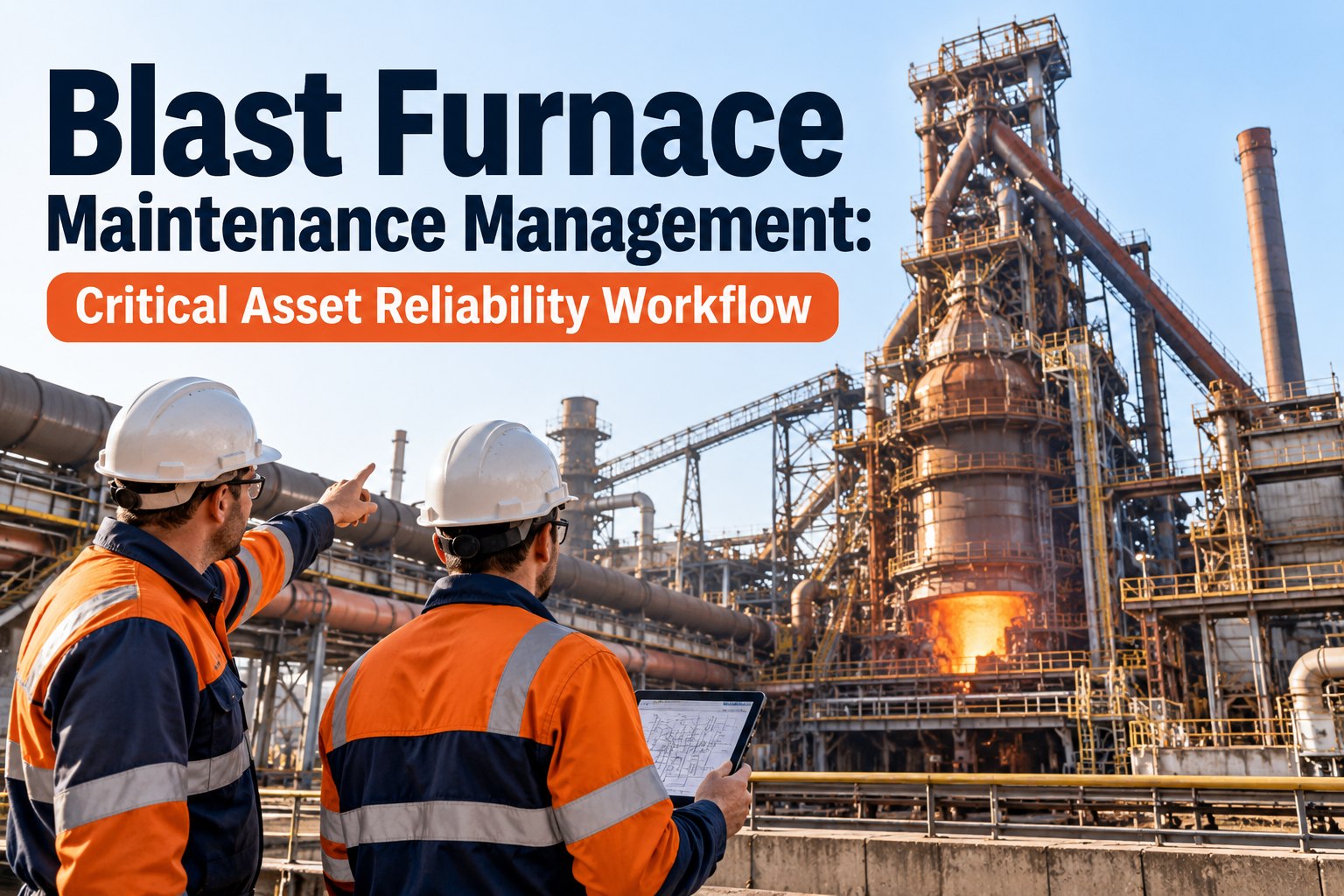
A blast furnace is built to run for years without stopping, which makes every critical asset around it a long-term commitment. A tuyere cooler leak, a failing stove valve, a worn charging seal or a drifting cooling-water pump can all force a costly intervention — and the history that explains why is often scattered across logbooks, shutdown reports and individual memory. Reliability here is less about reacting fast and more about knowing which assets matter most, watching them consistently and planning work around the campaign. This guide lays out a critical asset reliability workflow, and shows how OXMAINT AI, the AI-powered CMMS, connects it end to end.
AI-Powered CMMS · Steel Plant Reliability · Blast Furnace Maintenance
Protect the Campaign: Know Which Assets Matter and Act Before They Fail.
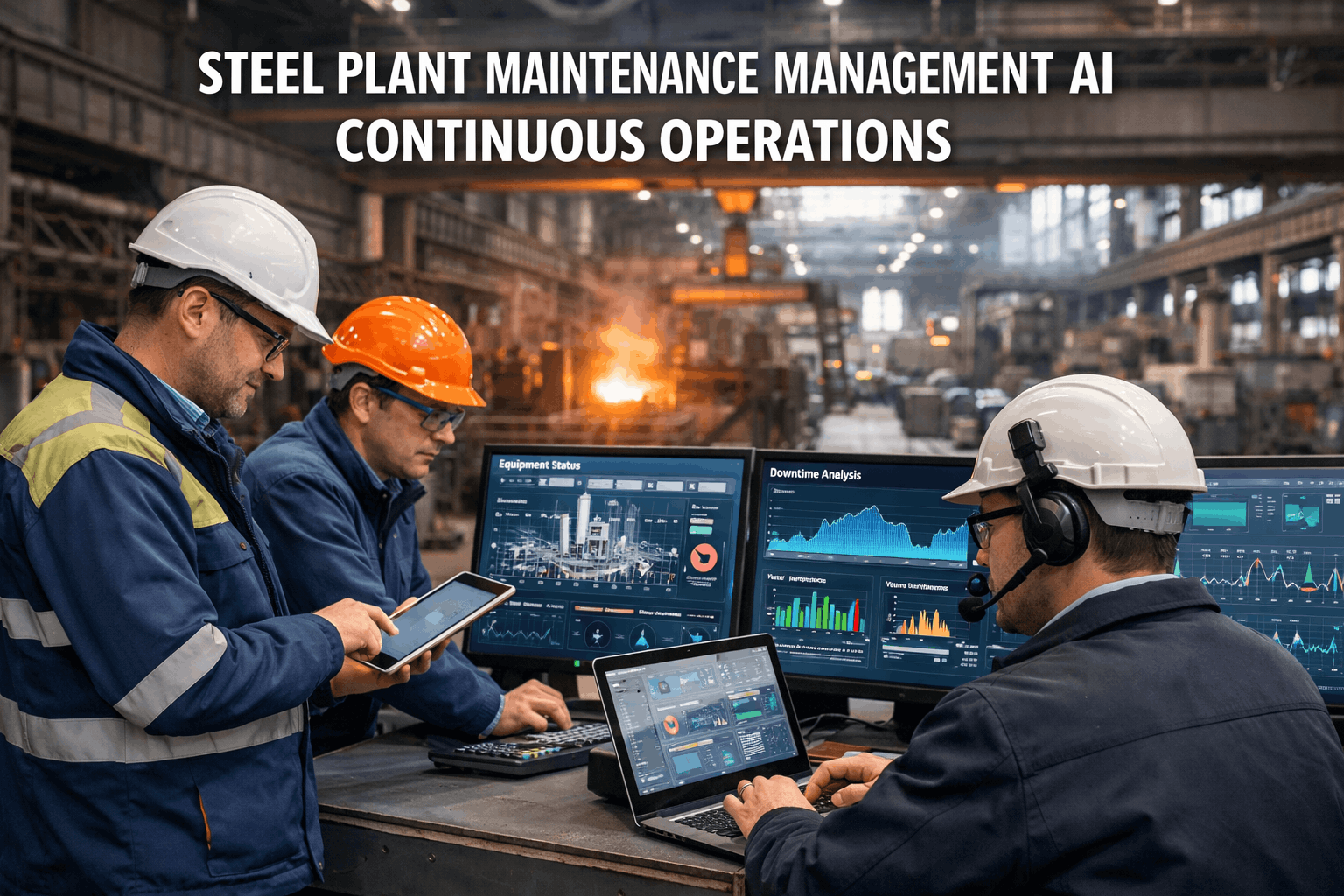
Critical assets are inspected on paper, defects wait in reports, and the history needed for the next shutdown plan is hard to find. OXMAINT AI links the workflow in one maintenance platform: rounds and inspections raise issues, issues become work orders, PM schedules keep routine work on time, and condition alerts help you act earlier on the assets that matter most.
Reliability Workflow
1
RankScore criticality for every asset
2
InspectRounds with photos and readings
3
ActDefect to work order to closure
4
ImprovePM and shutdown plans from history
Step 1: Decide What Is Actually Critical
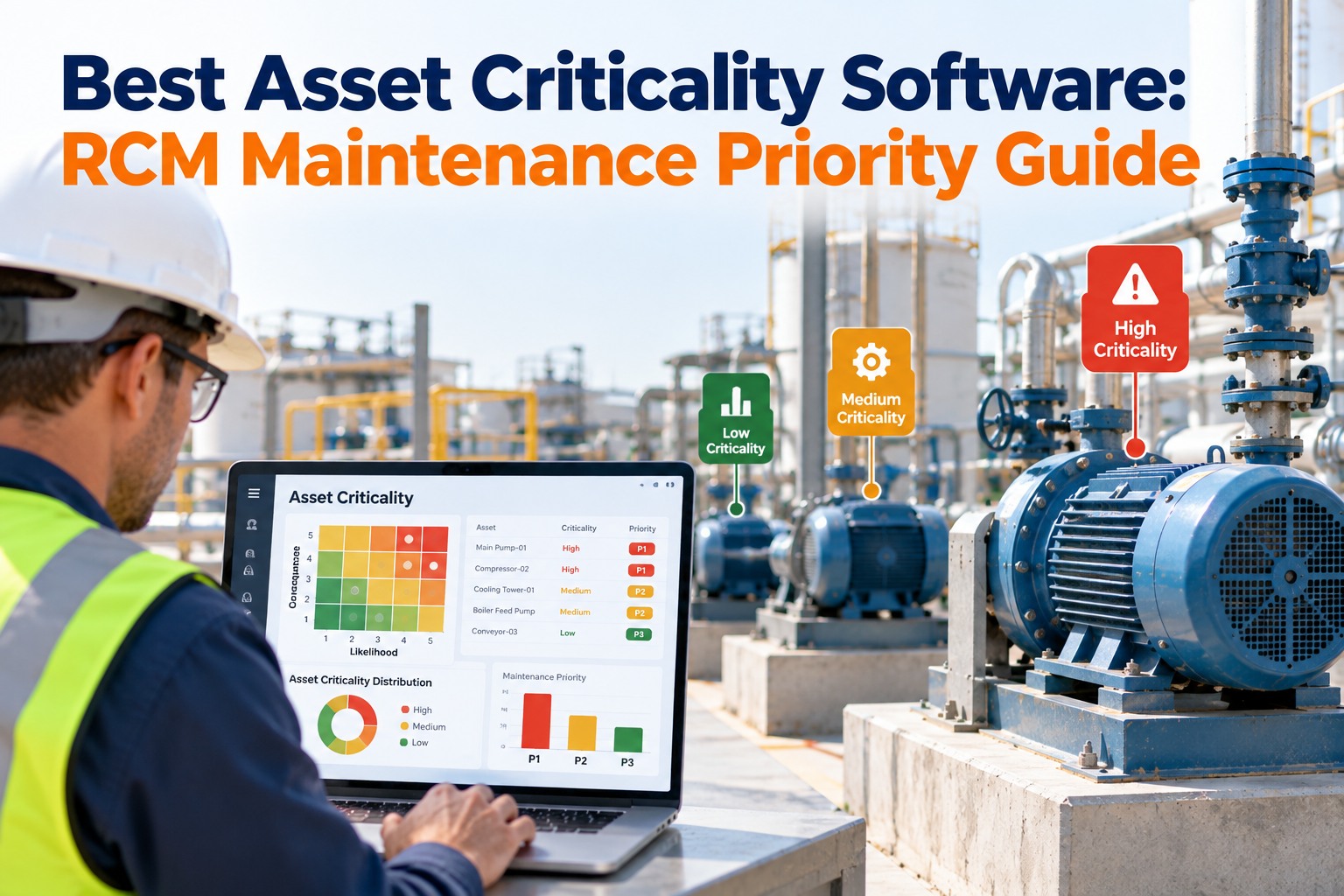
Not every pump or valve deserves the same attention. Score each asset on three questions, and the strategy follows. Book a demo to see criticality scoring in OXMAINT AI.
Safety
Could failure harm people or the environment, such as gas or high-temperature release?
+
Production
Does failure reduce output or force a stop, with no easy workaround?
+
Detectability
Can you see it coming, or does it fail with little warning?
A
Critical
Condition monitoring where practical, frequent rounds, spares held, detailed failure analysis.
B
Important
Scheduled PM and inspections, key spares identified, repeat failures reviewed.
C
Standard
Basic PM or run-to-failure where the risk is low and replacement is simple.
Step 2: Walk the Furnace Area by Area
Each area has its own critical assets and failure signs. A single asset register keeps them all connected. Start free and build your furnace asset hierarchy.
TOP
Charging & gas handling
Charging equipment, seals, hoppers, gas cleaning. Watch wear, leakage and mechanical condition.
SHAFT
Cooling system
Staves, cooling circuits, water pumps. Watch flow, temperature trends and leaks.
BOSH
Tuyeres & blowpipes
Tuyere coolers, blowpipes, hot blast connections. Watch for leaks and thermal stress.
HEARTH
Cast house
Tap hole equipment, runners, hydraulic systems. Watch wear and routine repair patterns.
AUX
Stoves & blowers
Stove valves, burners, blowers, drives. Watch valve condition, vibration and temperatures.
The Next Shutdown Plan Starts With Today's Records.
When every inspection, defect and repair is recorded against the asset, planning a shutdown stops being a hunt through old reports. You see what has been wearing, what was repaired and what keeps coming back.
Step 3: Build the Defect-to-Closure Chain
1
Inspection finding
Photo, reading and asset tag recorded on mobile.
2
Risk rating
Defect rated against asset criticality.
3
Work order
Owner, parts, permits and timing assigned.
4
Verified closure
Completion checked, cause noted, PM updated.
Step 4: Track Reliability Data Over the Whole Campaign
Furnace campaigns are long, so patterns only show if the data survives. Capture these consistently. Book a demo to see campaign-long asset history in OXMAINT AI.
Failure history
What failed, when, how and why
Condition trends
Temperatures, flows, vibration readings
Repair records
Work done, parts used, contractors
Inspection photos
Dated images tied to the asset
Spares usage
Critical parts consumed and on hand
Open defects
Backlog by risk and area
Frequently Asked Questions
Which blast furnace assets are usually most critical?
It depends on your plant, but cooling systems, tuyere equipment, stove valves and burners, blowers, charging equipment and gas-handling systems are common candidates. Score them on safety, production impact and detectability rather than assuming.
Can a CMMS support safety-critical work?
It can organize inspections, work orders, permits-to-work references and records, so critical tasks are not missed. Your site safety procedures remain the authority on how work is carried out.
Start free and set up a critical-asset round.
How does this help with planned shutdowns?
Recorded defects, repair history and open work give planners a clear starting scope, so shutdown packages are built from evidence instead of memory.
Does it replace process monitoring systems?
No. Process and condition systems keep monitoring. The CMMS ensures that what they reveal becomes tracked inspection and maintenance work.
Give Your Critical Assets the Attention They Deserve.
Rank criticality, run inspections, close defects and keep the full campaign history in one place with OXMAINT AI. Try it free, or book a demo and see the workflow on your own furnace assets.