In a food or beverage plant, a CIP system is the last line of defense between the last batch and the next one — and its failures are invisible by design. A single blocked spray-ball orifice leaves a cleaning shadow where biofilm and allergen residue build up unseen until a swab or an audit finds it; a caustic wash a few degrees below temperature can't dissolve the fats it's meant to, and the cycle logs "complete" anyway. CIP cleans, but only when every component is maintained to its spec, because a below-temperature or low-flow cycle fails silently. This is the full CIP maintenance checklist — component by component, with the parameters that make the difference between clean and merely rinsed, as checkable items you can run on the job. OxMaint AI schedules each task, logs the parameters for your HACCP record, and raises a work order when flow, temperature, or sensor drift crosses the line.
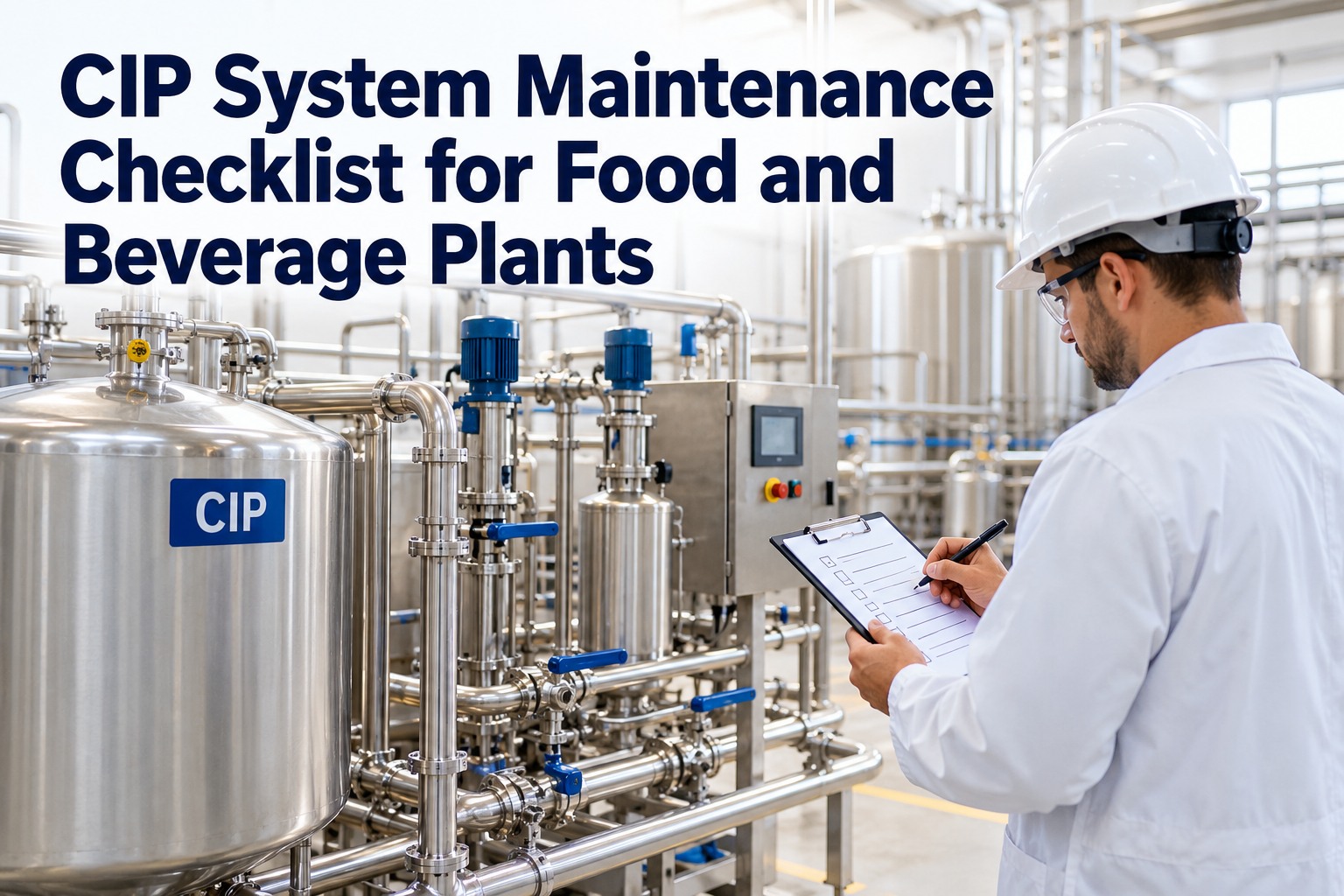
CIP System Maintenance Checklist for Food and Beverage Plants
A CIP cycle can report success while a blocked nozzle or a cold caustic wash leaves product residue behind — the failures don't show until a swab does. This checklist covers every CIP component — spray balls, pumps, heat exchangers, valves, sensors, tanks — as checkable tasks with the temperature, flow, and conductivity targets that actually decide whether the clean worked. Run it as a scheduled program and the parameters log straight to your food-safety record. OxMaint schedules each task and flags a deviation before it reaches a batch.
caustic wash temperature — below it, fats don't dissolve
≥90% flow
of design spec at each circuit, or cleaning falls short
10 µS/cm
final-rinse conductivity above potable water — proof it's clear
2-year record
cycle logs and calibrations retained for FSMA
How to Use This Checklist
Run the daily pre- and post-op items every cycle, and the component tasks on their frequency — weekly, monthly, quarterly, or annual. Log the critical parameters (temperature, flow, conductivity, concentration) each cycle; a deviation means abort and re-run before production. In a CMMS, each task is raised automatically and each reading is captured for the audit. Start free and load the whole program into OxMaint AI.
A CIP Cycle Can Log "Complete" and Still Leave Residue Behind.
That's what makes CIP maintenance a food-safety control, not just reliability. A blocked nozzle, a cold wash, a pump below flow — each lets a cycle finish on the timer while the surfaces stay dirty, and the only evidence is a failed swab days later. Maintaining each component to its parameter, and logging that parameter every cycle, is how you prove the clean was real.
Daily, weekly, monthly, and annual tasks raised automatically for each pump, valve, spray ball, and sensor.
Parameter Logging
Temperature, flow, conductivity, and concentration captured each cycle against the validated target.
Deviation Alerts
Auto-flag when flow drops below 90%, temperature deviates over 3°C, or sensor drift exceeds 5%.
Calibration Records
As-found and as-left readings, standard lot, and technician captured for the 2-year retention rule.
Spray & Valve Logs
Inspection and UV-dye coverage results linked to the asset, so the shadow-zone risk is tracked.
Audit-Ready Export
Cycle logs, calibrations, and maintenance events produced on demand for FSMA, SQF, or BRC.
Frequently Asked Questions
What are the main CIP components to maintain?
Spray balls and spray devices, CIP pumps, heat exchangers, valves, sensors and dosing systems, and supply/return tanks — each on its own task frequency. Start free and schedule them all in OxMaint.
Why is spray-ball inspection so critical?
A single blocked orifice leaves a cleaning shadow zone where biofilm and allergen residue accumulate invisibly until a swab or audit finds it — which is why orifices are checked weekly and coverage is UV-dye tested monthly.
What parameters must every CIP cycle hit?
Temperature (70–85°C for caustic), flow rate (90%+ of spec), final-rinse conductivity (within 10 µS/cm of potable water), and the validated contact time — each logged every cycle.
How does CIP maintenance tie to food safety?
CIP cycles are critical control points under HACCP and FSMA; temperature, flow, and concentration are critical parameters, any deviation triggers abort and re-run, and all records are retained for two years.
How does a CMMS help with CIP?
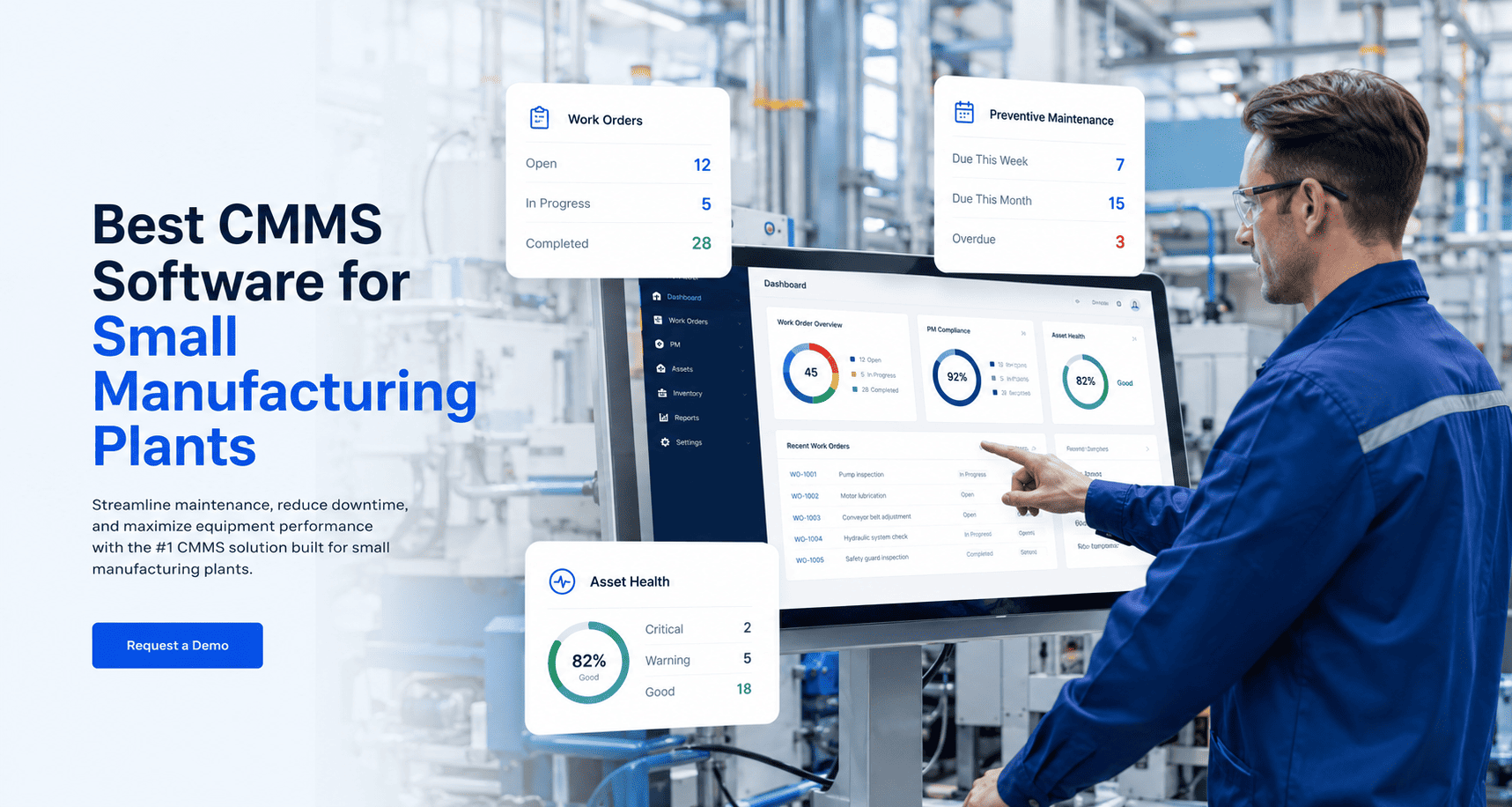
OxMaint schedules each component task, logs the cycle parameters, alerts on deviations, keeps calibration and maintenance records for the retention rule, and exports an audit-ready file on demand.
Prove the Clean, Don't Just Run the Cycle.
In food and beverage, a CIP system that reports "complete" isn't the same as a system that cleaned — and the difference is maintenance held to parameter. Run the checklist by component, log temperature, flow, and conductivity every cycle, and act on any deviation before it reaches a batch. OxMaint schedules the program, captures the parameters, and keeps the record your audit depends on.