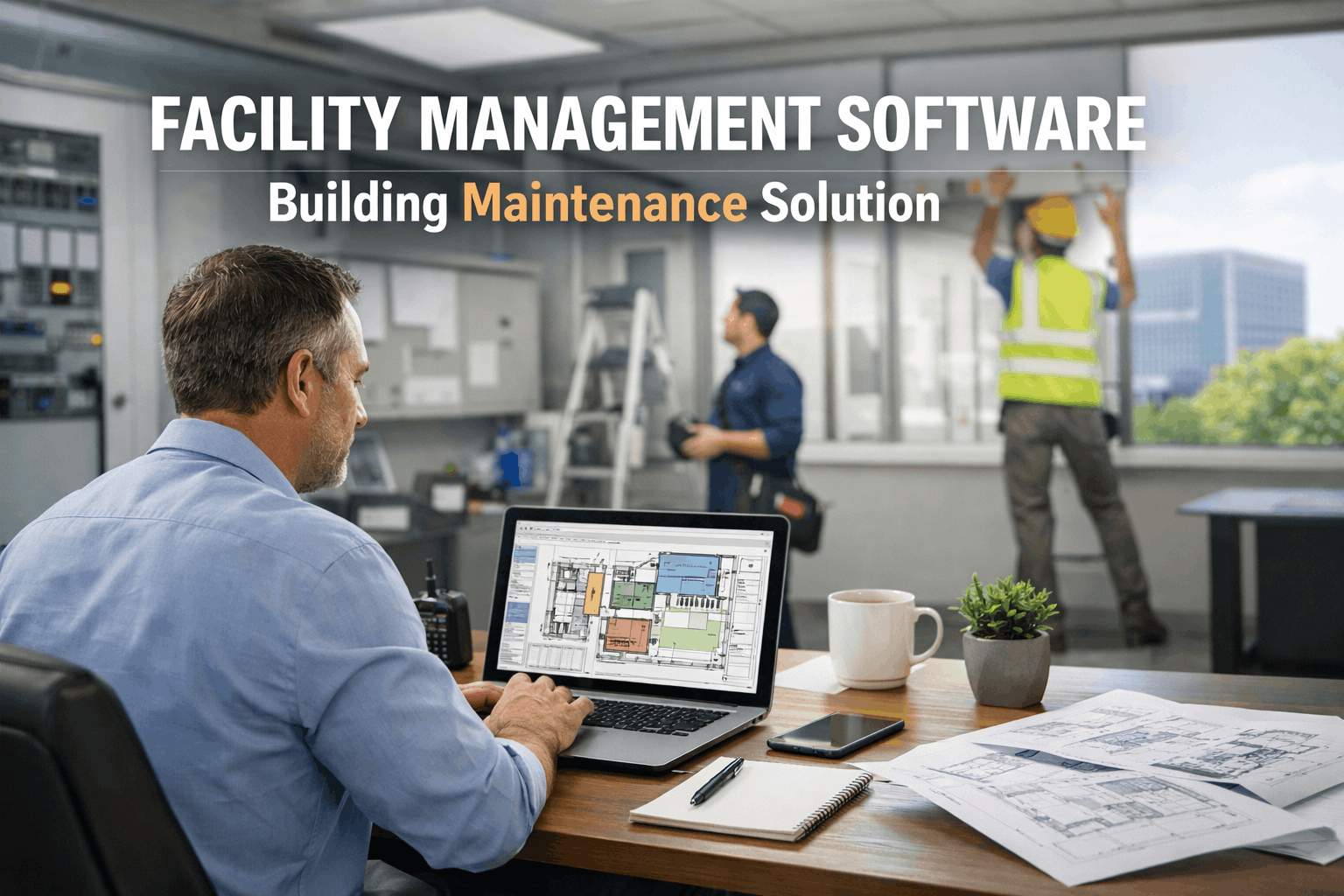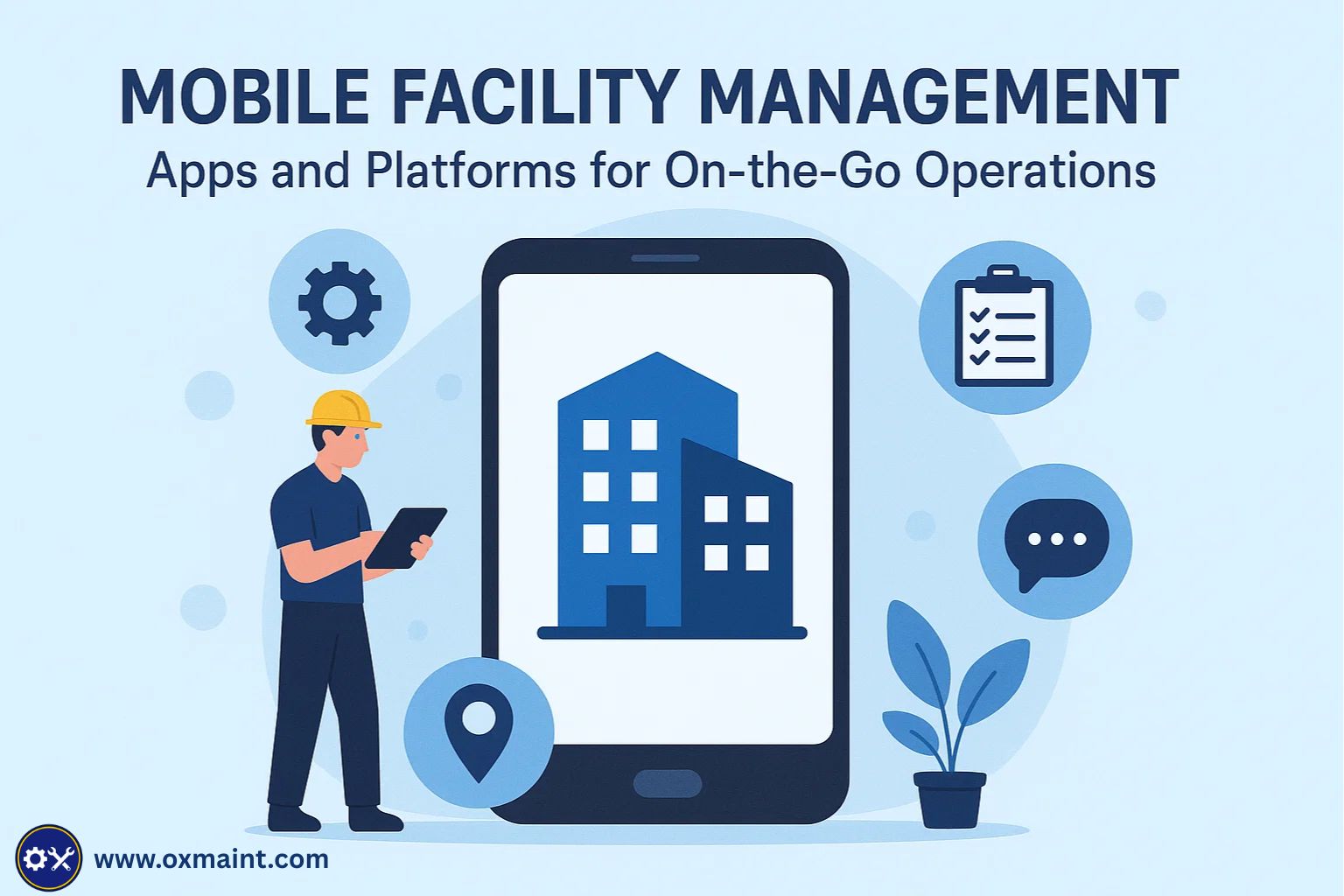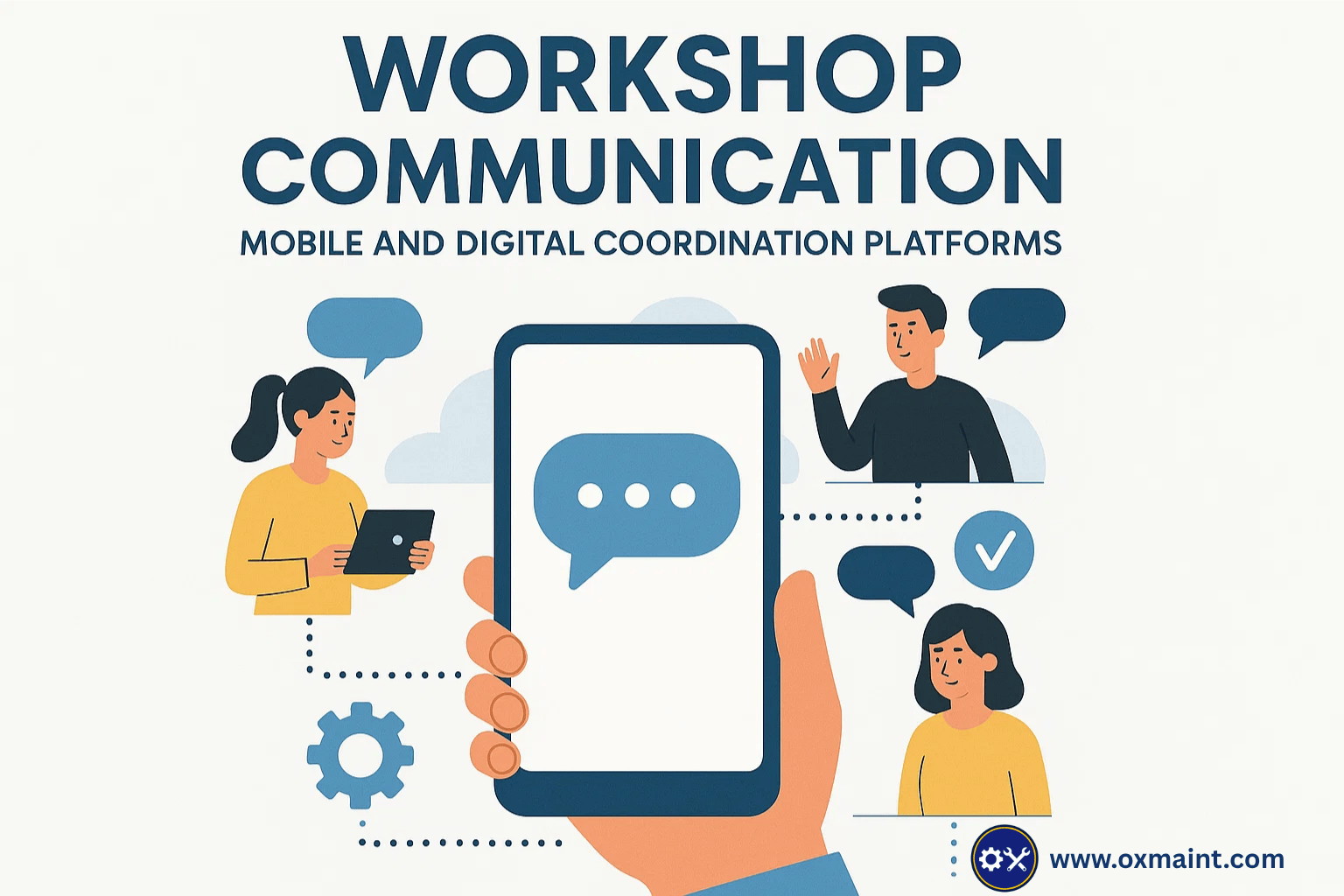
The manufacturing industry has undergone a dramatic transformation in recent years, with digital technology reshaping how facilities operate and communicate. Today's manufacturing environments house multiple tenants, contractors, and occupants who need seamless communication channels to ensure safety, efficiency, and productivity. Traditional methods of facility communication—bulletin boards, intercom systems, and paper-based notifications—are no longer sufficient for the complex, fast-paced demands of modern manufacturing operations.
Digital platforms have emerged as the cornerstone of effective facility communication, offering real-time connectivity, centralized information management, and enhanced engagement between facility managers and occupants. These platforms are not just technological upgrades; they represent a fundamental shift toward more responsive, transparent, and efficient facility management that directly impacts your bottom line.
The Evolution of Facility Communication in Manufacturing
Manufacturing facilities have traditionally relied on static communication methods that often resulted in information gaps, delayed responses, and missed critical updates. The shift toward digital platforms represents more than just technological advancement—it's a strategic response to the increasing complexity of modern manufacturing operations.
Today's manufacturing facilities often house multiple tenants, from primary manufacturers to specialized service providers, logistics companies, and maintenance contractors. Each group has unique communication needs, compliance requirements, and operational schedules. Digital platforms provide the infrastructure needed to manage these diverse communication requirements while maintaining security, accessibility, and real-time functionality.
Key Insight: Facilities using digital communication platforms report 40% faster response times to maintenance requests and 25% improvement in overall tenant satisfaction scores.
Core Features of Modern Digital Communication Platforms
Real-Time Messaging and Notifications
Modern digital platforms provide instant messaging capabilities that enable immediate communication between facility managers, tenants, and service providers. These systems support both one-to-one and broadcast messaging, ensuring that critical information reaches the right people at the right time. Push notifications ensure that urgent messages aren't missed, while message threading keeps conversations organized and searchable.
Centralized Document Management
Digital platforms serve as centralized repositories for all facility-related documentation, from safety protocols and emergency procedures to maintenance schedules and compliance certificates. This centralization eliminates the confusion of outdated documents and ensures that all occupants have access to the most current information. Version control features track document changes and maintain audit trails for compliance purposes.
Service Request Management
Integrated service request systems allow tenants to submit maintenance requests, report issues, and track resolution progress through user-friendly interfaces. These systems automatically route requests to appropriate personnel, maintain detailed records of all interactions, and provide transparency throughout the resolution process. Analytics features help identify recurring issues and optimize maintenance scheduling.
Emergency Communication Systems
Digital platforms excel in emergency situations, providing multiple communication channels including SMS, email, push notifications, and in-app alerts. These systems can be configured to send location-specific alerts, evacuation instructions, and real-time updates during emergencies. Integration with building systems enables automatic notifications based on sensor data or alarm triggers.
Benefits for Manufacturing Facilities
Enhanced Operational Efficiency
Digital communication platforms streamline facility operations by reducing the time spent on administrative tasks, improving response times, and enabling better coordination between different tenant groups. Automated workflows handle routine communications, freeing up facility managers to focus on strategic initiatives. Real-time status updates and progress tracking ensure that issues are resolved quickly and efficiently.
Improved Safety and Compliance
Manufacturing facilities operate under strict safety regulations and compliance requirements. Digital platforms help maintain compliance by ensuring that all occupants receive timely safety updates, training notifications, and regulatory changes. Document management features maintain comprehensive records of safety communications, training completions, and incident reports, supporting audit requirements and regulatory compliance.
Cost Reduction and Resource Optimization
By improving communication efficiency and reducing response times, digital platforms help facilities reduce operational costs and optimize resource allocation. Preventive maintenance scheduling based on data analytics helps avoid costly emergency repairs. Improved tenant satisfaction leads to higher retention rates and reduced turnover costs.
ROI Perspective: Manufacturing facilities typically see a 15-30% reduction in communication-related operational costs within the first year of implementing digital platforms.
Implementation Strategies for Success
Assess Current Communication Challenges
Before implementing a digital platform, conduct a comprehensive assessment of your current communication processes. Identify pain points, measure response times, and gather feedback from tenants and occupants. This assessment provides the baseline for measuring improvement and helps prioritize platform features that will deliver the greatest impact.
Choose the Right Platform
Select a platform that aligns with your facility's specific needs, considering factors such as the number of tenants, types of communications required, integration capabilities with existing systems, and scalability for future growth. Evaluate platforms based on user experience, security features, mobile accessibility, and vendor support capabilities.
Develop a Phased Rollout Plan
Implement the platform in phases, starting with core features and gradually expanding functionality. This approach allows for user adaptation, system optimization, and issue resolution before full deployment. Begin with pilot groups to gather feedback and refine processes before facility-wide implementation.
Provide Comprehensive Training
Successful platform adoption requires thorough training for all users. Develop training materials that address different user groups' specific needs and provide ongoing support during the transition period. Consider appointing platform champions within each tenant organization to facilitate adoption and provide peer support.
Measuring Success and Continuous Improvement
Establishing clear metrics for success is essential for demonstrating platform value and identifying areas for improvement. Key performance indicators should include response times, user adoption rates, tenant satisfaction scores, and operational efficiency metrics. Regular surveys and feedback sessions help identify new requirements and optimization opportunities.
Digital platforms generate valuable data that can inform facility management decisions. Analytics dashboards provide insights into communication patterns, peak usage times, and common issues. This data supports strategic planning, resource allocation, and continuous process improvement initiatives.
Success Metric: Facilities with mature digital communication platforms report 95% user adoption rates and 80% improvement in communication satisfaction scores.
Take the next step toward better facility communication
See how digital platforms can transform your manufacturing facility's communication and engagement.
Getting StartedBook a Demo
Conclusion
The transformation of facility communication through digital platforms represents a critical competitive advantage for manufacturing facilities. These platforms address the complex communication needs of multi-tenant environments while improving operational efficiency, safety compliance, and tenant satisfaction. The benefits extend beyond simple communication improvement to encompass cost reduction, resource optimization, and enhanced facility management capabilities.
As manufacturing facilities continue to evolve and become more complex, the need for sophisticated communication solutions will only increase. Digital platforms provide the foundation for scalable, efficient, and responsive facility management that meets the demands of modern manufacturing operations. The question is not whether to adopt digital communication platforms, but rather how quickly you can implement them to gain competitive advantage and improve your facility's performance.
The time to act is now. Manufacturing facilities that embrace digital communication platforms today will be better positioned to adapt to future challenges and opportunities. Start your digital transformation journey by evaluating your current communication processes and exploring how modern platforms can address your specific needs and objectives.