Fleet maintenance has evolved dramatically in 2025, with advanced fleet maintenance CMMS systems becoming essential for managing complex vehicle operations efficiently. The global fleet management software market is projected to reach $34.9 billion by 2025, driven by the need for enhanced operational efficiency and cost reduction. Modern fleet software integrates IoT sensors, predictive analytics and mobile accessibility to help fleet managers reduce maintenance costs by up to 30% while improving vehicle uptime. For US manufacturing professionals managing delivery fleets, service vehicles or logistics operations, selecting the right maintenance software can transform operational efficiency and significantly impact the bottom line. With numerous CMMS 2025 solutions available, choosing the optimal platform requires understanding specific fleet requirements, integration capabilities and scalability features. This comprehensive guide explores the critical factors for selecting fleet maintenance CMMS software that will enhance your fleet operations, deliver measurable ROI in 2025. Start your free trial today to experience these benefits firsthand.
Key Insight: The right fleet maintenance CMMS can reduce vehicle downtime by 35% and maintenance costs by 30%, making software selection crucial for competitive advantage in 2025.
Fleet maintenance management in manufacturing environments presents unique challenges that require specialized software solutions designed to handle diverse vehicle types, complex maintenance schedules, and regulatory compliance requirements. Traditional paper-based systems and basic spreadsheets are no longer sufficient for managing modern fleet operations that demand real-time visibility, predictive maintenance capabilities, and seamless integration with existing enterprise systems. The evolution of fleet maintenance CMMS technology has introduced advanced features like IoT device integration, artificial intelligence-driven maintenance predictions, mobile-first interfaces that enable maintenance teams to access critical information from anywhere. These technological advances enable manufacturing companies to shift from reactive maintenance strategies to proactive approaches that prevent costly breakdowns and extend vehicle lifecycles.
The financial impact of implementing robust fleet software extends beyond simple maintenance cost reduction, encompassing improved asset utilization, enhanced safety compliance, and better regulatory adherence that collectively contribute to operational excellence. Manufacturing facilities with large vehicle fleets typically see return on investment within 12-18 months through reduced emergency repairs, optimized maintenance scheduling, and improved fuel efficiency resulting from properly maintained vehicles. Additionally, modern fleet maintenance systems provide comprehensive reporting and analytics capabilities that enable data-driven decision making, helping fleet managers identify trends, optimize maintenance intervals, make informed decisions about vehicle replacement cycles. Book your personalized demo to see how these analytics can transform your operations.
Ready to transform your fleet maintenance operations? Discover how our advanced CMMS platform can reduce your maintenance costs by up to 30% while improving vehicle uptime. Join thousands of manufacturing professionals who have already streamlined their fleet operations with proven solutions designed specifically for industrial environments.
Essential Features to Look for in Fleet Maintenance CMMS
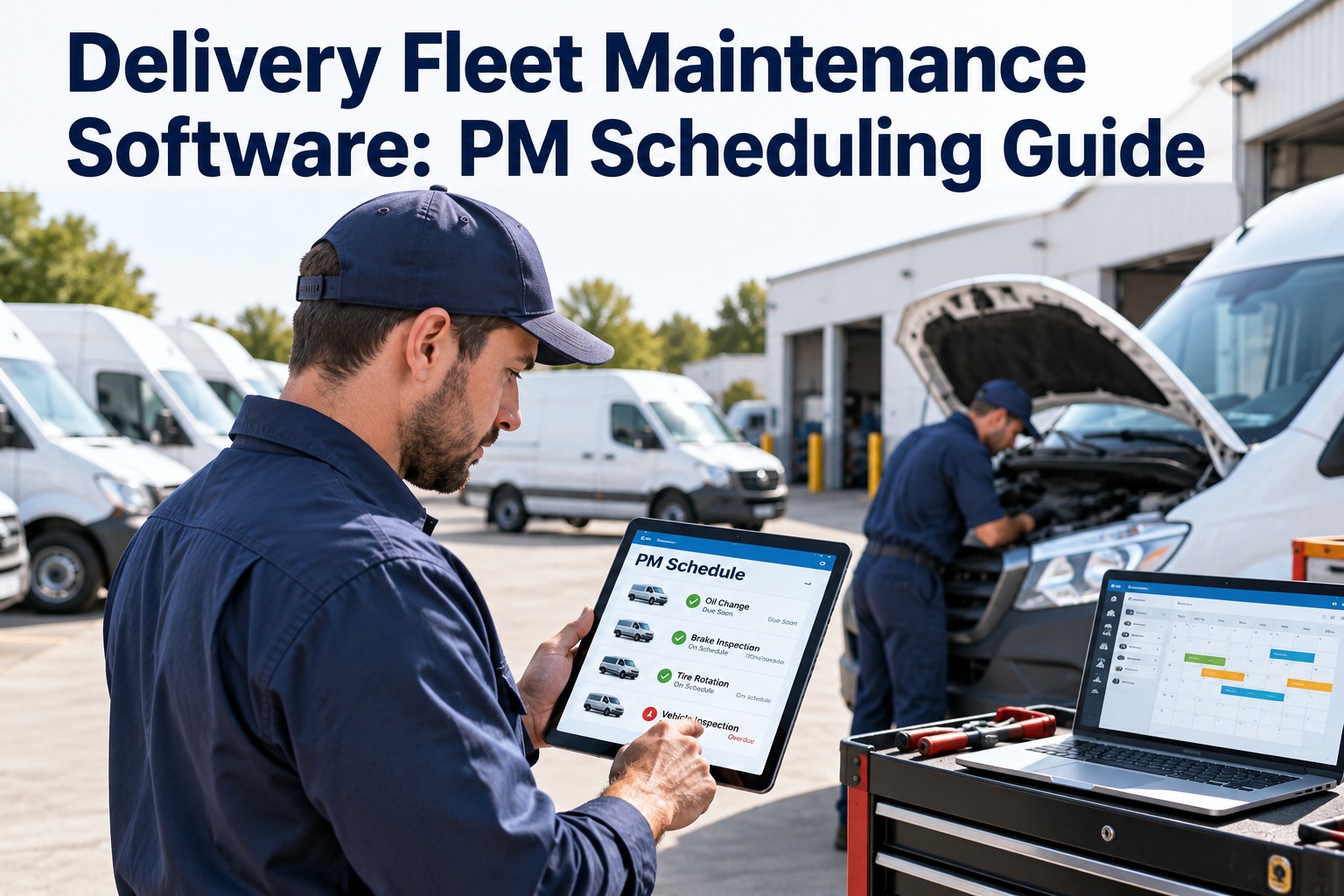
Selecting the optimal fleet maintenance CMMS requires careful evaluation of features that directly support your fleet's operational requirements and growth objectives. Asset management capabilities form the foundation of effective fleet maintenance software, enabling detailed vehicle records, maintenance histories, and performance tracking across diverse vehicle types from light-duty trucks to heavy equipment. Work order management functionality should provide automated scheduling, mobile access for technicians, and integration with inventory systems to ensure parts availability when needed. Preventive maintenance scheduling capabilities are crucial for reducing unexpected breakdowns, allowing fleet managers to create customized maintenance plans based on mileage, hours of operation, or time intervals specific to each vehicle type and usage pattern.
Modern CMMS 2025 solutions should offer comprehensive inventory management features that track spare parts, automate reordering processes, and provide real-time visibility into parts availability across multiple locations. Mobile accessibility has become non-negotiable, as maintenance technicians need access to work orders, vehicle manuals, and communication tools while working in the field or at remote locations. Integration capabilities with existing ERP systems, telematics platforms, and IoT devices ensure seamless data flow and eliminate information silos that can hinder operational efficiency. Advanced reporting and analytics features provide insights into maintenance costs, vehicle performance, and operational efficiency metrics that support strategic decision-making and continuous improvement initiatives. Get instant access to these essential features now.
Integration Capabilities and Technology Requirements
Successful fleet software implementation depends heavily on the platform's ability to integrate seamlessly with existing technology infrastructure and third-party systems commonly used in manufacturing environments. Fleet maintenance CMMS should connect with telematics systems to automatically capture vehicle data including mileage, engine hours, fault codes, and performance metrics that trigger maintenance alerts and work orders. Integration with enterprise resource planning systems enables synchronized inventory management, procurement processes, and financial reporting that provides comprehensive visibility into fleet operating costs and maintenance expenditures.
IoT device compatibility is increasingly important as manufacturing companies deploy sensors for real-time monitoring of vehicle conditions, fuel consumption, and driver behavior patterns that impact maintenance requirements. The chosen maintenance software should support open APIs and standard data formats that facilitate connections with existing systems while providing flexibility for future technology additions. Cloud-based deployment options offer scalability, automatic updates, and remote accessibility advantages, while on-premise solutions may be preferred for companies with specific security requirements or limited internet connectivity in operational areas. Schedule your integration consultation to explore seamless connectivity options.
Don't let outdated maintenance systems hold back your operations. Experience firsthand how seamless integration and advanced technology can revolutionize your fleet management approach. See why leading manufacturers trust our platform to connect all their critical systems and deliver real-time insights.
Cost Considerations and ROI Analysis
Understanding the total cost of ownership for fleet maintenance CMMS solutions helps manufacturing professionals make informed decisions that balance functionality with budget constraints and expected return on investment. Initial costs include software licensing, implementation services, data migration, training programs, and potential hardware requirements that can range from $10,000 for small fleets to $500,000 for enterprise-level implementations. Ongoing expenses encompass monthly or annual licensing fees, support and maintenance contracts, system updates, and additional user licenses as fleet operations expand.
The financial benefits of implementing advanced fleet operations software typically outweigh initial investments through reduced maintenance costs, decreased vehicle downtime, and improved asset utilization that directly impact operational profitability. Manufacturing companies commonly report 20-35% reduction in emergency repairs, 15-25% improvement in vehicle availability, and 10-20% decrease in overall maintenance costs within the first year of implementation. Long-term benefits include extended vehicle lifecycles, better regulatory compliance, improved safety records, and enhanced decision-making capabilities through comprehensive data analytics and reporting features. Calculate your potential savings with our ROI assessment tool.
Implementation Best Practices and Success Strategies
Successful CMMS 2025 implementation requires strategic planning, stakeholder engagement, and systematic approach to change management that ensures user adoption and maximizes return on investment. Begin with comprehensive assessment of current maintenance processes, identifying pain points, inefficiencies, and specific requirements that the new system must address. Data preparation and migration planning are critical steps, as clean, accurate vehicle and maintenance data forms the foundation for effective system operation and meaningful reporting capabilities.
Phased implementation approaches often prove most successful, starting with pilot programs in specific departments or vehicle categories to validate workflows and identify potential issues before full deployment. Comprehensive training programs should address not only system functionality but also how the new fleet software fits into broader operational strategies and maintenance philosophies. Change management initiatives help overcome resistance to new processes and ensure that maintenance teams understand the benefits and importance of accurate data entry and system utilization. Regular performance monitoring and continuous improvement processes help organizations adapt their system usage to evolving needs and maximize the benefits of their software investment. Get your implementation roadmap from our certified experts.
Ready to implement a solution that guarantees success? Learn from industry experts who have guided hundreds of successful fleet CMMS implementations. Our proven methodology and dedicated support team ensure your project delivers maximum ROI from day one.
Vendor Selection and Evaluation Criteria
Choosing the right fleet maintenance CMMS vendor requires thorough evaluation of company stability, industry experience, support capabilities, and long-term product roadmap alignment with your operational requirements. Vendor reputation and financial stability are crucial factors, as fleet maintenance systems typically represent long-term investments that require ongoing support, updates, and potential system enhancements. Industry experience specifically with manufacturing and fleet operations ensures that the vendor understands unique requirements, regulatory compliance needs, and operational challenges common to industrial vehicle fleets.
Technical support capabilities, including response times, availability hours, and support channels, significantly impact system effectiveness and user satisfaction throughout the implementation and operational phases. Training programs, documentation quality, and user community resources contribute to successful adoption and ongoing system optimization. Vendor product roadmap and development philosophy should align with your organization's technology direction and growth plans, ensuring that the chosen maintenance software will continue meeting operational needs as requirements evolve and technology advances. Access our vendor comparison guide to make the right choice for your fleet.
Ready to make the right choice for your fleet's future? Take the guesswork out of vendor selection with our comprehensive evaluation framework and expert guidance. Join successful manufacturing companies who made informed decisions and achieved exceptional results with the right CMMS partner.
FAQs About Fleet Maintenance CMMS Selection
What is the difference between fleet management software and fleet maintenance CMMS?
Fleet management software typically focuses on vehicle tracking, routing, and driver management, while fleet maintenance CMMS specifically addresses maintenance scheduling, work orders, and asset management. Many modern solutions combine both capabilities for comprehensive fleet operations management.
How much does fleet maintenance CMMS software cost for manufacturing companies?
Costs vary significantly based on fleet size and features, ranging from $20-$150 per vehicle per month. Small fleets might spend $5,000-$25,000 annually, while enterprise solutions can cost $100,000+ for comprehensive implementations including integration and training.
What ROI can manufacturing companies expect from fleet maintenance CMMS?
Manufacturing companies typically see 20-35% reduction in emergency repairs, 15-25% improvement in vehicle availability, and overall ROI within 12-18 months. Benefits include reduced maintenance costs, decreased downtime, and extended vehicle lifecycles.
Which fleet maintenance CMMS features are most important for manufacturing?
Critical features include preventive maintenance scheduling, mobile work order access, inventory management, integration with existing ERP systems, comprehensive reporting, and IoT device compatibility for real-time vehicle monitoring.
How long does fleet maintenance CMMS implementation take?
Implementation timelines range from 2-4 months for basic deployments to 6-12 months for complex enterprise installations. Factors affecting duration include data migration complexity, integration requirements, customization needs, and training scope.
Conclusion: Choose the Right Fleet Maintenance CMMS for Success in 2025
Selecting the optimal fleet maintenance CMMS for your manufacturing operations in 2025 requires careful evaluation of features, integration capabilities, costs, and vendor support that align with your specific operational requirements and growth objectives. The right fleet software delivers measurable benefits including reduced maintenance costs, improved vehicle uptime, and enhanced operational efficiency that directly impact your organization's profitability and competitive position. Modern maintenance software platforms offer advanced capabilities like IoT integration, predictive analytics, and mobile accessibility that transform traditional reactive maintenance approaches into proactive strategies that prevent costly breakdowns and extend asset lifecycles. With the fleet management software market continuing to evolve rapidly, investing in a scalable, feature-rich CMMS 2025 solution positions your organization for long-term success and operational excellence. Take advantage of vendor demonstrations and pilot programs to evaluate how these advanced systems can optimize your fleet operations and deliver significant return on investment in the year ahead. Schedule your success consultation to begin your transformation today.
Ready to transform your fleet maintenance strategy and achieve measurable results? Don't wait for another breakdown to cost you time and money. Take the first step toward operational excellence with a solution trusted by industry leaders. Your fleet's future starts with the decision you make today.