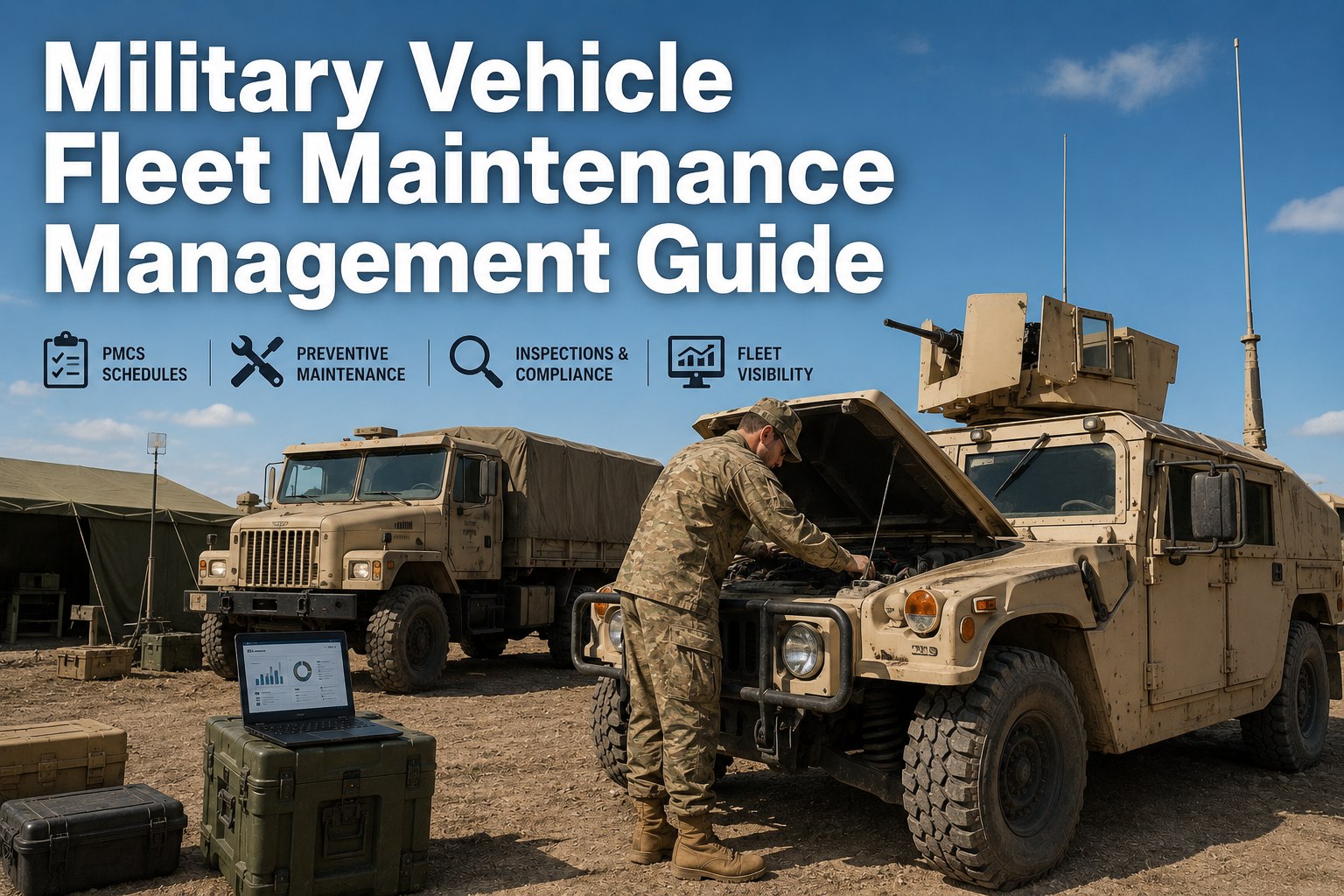
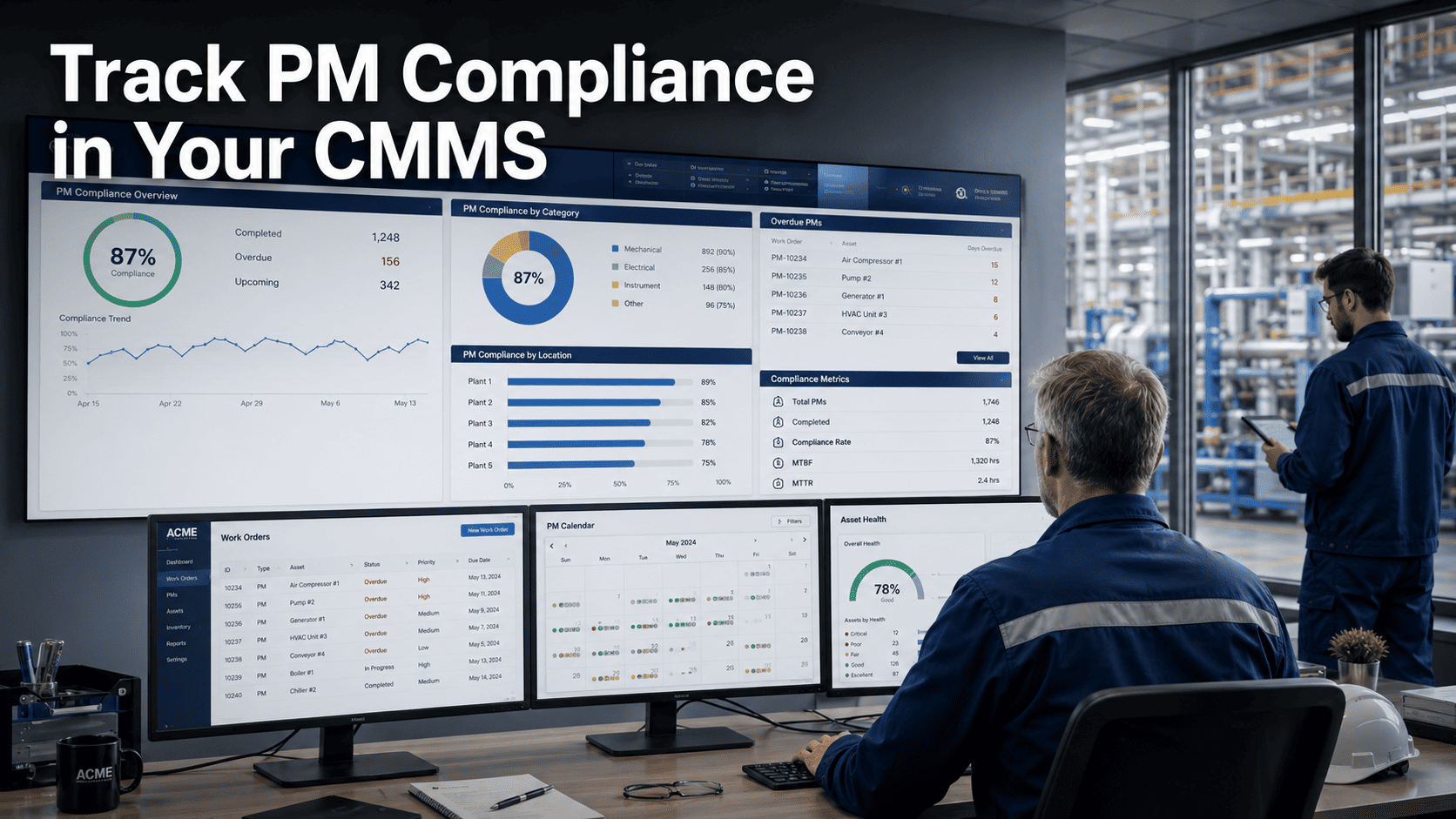
Operating a diverse fleet—whether it's long-haul trucks, delivery vans, or specialized heavy equipment—requires a delicate balance between operational uptime and rigorous regulatory compliance. For many fleet managers, the daily struggle involves juggling paper-based vehicle inspections, missed oil changes, and the constant threat of DOT fines. Understanding the role of a Fleet Management CMMS is the first step toward modernizing these operations. It is a dedicated system maintenance management platform designed to centralize vehicle health data, automate service intervals, and ensure every driver is compliant before they hit the road. When a company transitions from manual logs to integrated fleet maintenance software, they transform their garage from a cost center into a high-efficiency engine of the business.
Implementing a robust vehicle maintenance system allows companies to reduce maintenance costs by 10–25% while significantly improving asset resale value. By tracking fuel consumption, monitoring real-time diagnostics, and enforcing DVIR (Driver Vehicle Inspection Report) compliance, fleet operators can identify small mechanical issues before they lead to catastrophic roadside failures. Asset lifecycle management becomes a science, allowing for data-driven decisions on when to repair versus when to retire a vehicle. Oxmaint provides the purpose-built CMMS platform that captures every odometer reading, schedules preventive service, and maintains an audit-ready digital history of every asset in your fleet. Start your free trial to begin optimizing your fleet operations and ensuring 100% vehicle compliance today.
Master the complexities of modern fleet operations. From automating DVIR inspections and monitoring fuel efficiency to scheduling mileage-based preventive maintenance and managing DOT compliance logs — this is the definitive guide to deploying a Fleet CMMS. Engineered for fleet directors, safety officers, and maintenance shop managers.
Core Pillars of Fleet CMMS: Feature Capabilities Explained
To maximize fleet uptime, a CMMS must address the specific mobile nature of the assets. The framework below outlines the six essential capabilities of a modern Fleet Maintenance platform. Each pillar is designed to eliminate common bottlenecks—like pencil-whipped inspections or unexpected engine failures—by creating a transparent, real-time data flow between drivers, mechanics, and management.
6 Core Functions of Fleet CMMSEssential Modules
1: Digital DVIR & Inspections
Drivers complete daily walk-around inspections via mobile app. Defects are instantly flagged and converted into maintenance work orders.
Compliance | Safety First | 100% DOT Audit Ready
2: Preventive Maintenance
Automated triggers for oil changes, tire rotations, and brake checks based on mileage (odometer), engine hours, or calendar dates.
Track fuel transactions and fluid levels (DEF, Coolant) to identify anomalies, calculate MPG, and detect potential engine performance issues.
Cost Control | Efficiency | Identify Fuel Theft/Leaks
4: Parts & Inventory
Manage tires, filters, and spare parts across multiple garage locations with auto-reorder points to ensure critical parts are always in stock.
Operations | Stock Levels | Zero Waiting for Parts
5: Telematics Integration
Sync directly with GPS and OBD-II devices to pull real-time engine fault codes (DTCs) and precise odometer readings automatically.
Smart Tech | Real-Time | Automated Data Entry
6: Compliance & Safety
Maintain driver medical cards, CDL renewals, and annual DOT inspection records in one centralized, notification-enabled system.
Risk Mgmt | Audit-Ready | 0 Compliance Violations
The Fleet Breakdown Cascade: From Minor Leak to Major Fine
Roadside breakdowns are never just a mechanical issue; they are a logistical and financial nightmare. A single neglected minor defect can trigger a cascade that results in towing fees, lost cargo, and heavy regulatory penalties. The cascade below illustrates how an unmonitored fleet asset fails when modern CMMS triggers are absent. Discover how Oxmaint breaks this cascade at every stage.
Fleet Maintenance Cascade — Brake System ExampleHow a single missed inspection point multiplies across fleet operations
1
Skipped DVIR
Driver skips the pre-trip inspection or uses a paper log. A slight air leak in the brake line goes unreported.
Day 1
2
Compressor Strain
The air compressor runs 50% more to maintain pressure. Fuel efficiency drops as the engine works harder to power the compressor.
Days 2–5
3
Roadside Stop
Random DOT inspection occurs. The audible air leak is detected. The vehicle is placed Out-of-Service (OOS) immediately.
Day 7
4
Failed Delivery
Critical cargo is delayed. A second truck must be dispatched to transfer the load, doubling the labor and fuel costs.
Day 7 (PM)
5
Total Impact
Heavy fines, towing fees, emergency repair rates, and a hit to the company's CSA safety score.
A specialized Fleet CMMS handles different asset types with precision. The matrix below maps specific fleet assets to their primary maintenance challenges, the CMMS countermeasure, and the resulting benefit. This serves as a roadmap for fleet managers aiming to digitize their maintenance strategy.
Fleet Performance Benchmarks After CMMS DeploymentTypical improvements for logistics and transport fleets
95%
Vehicle Uptime
Fleet availability for revenue-generating loads
80%
DVIR Compliance
Improvement in daily inspection completion rates
45%
Labor Efficiency
Reduction in mechanic administrative/paperwork time
30%
Tire Life Extension
Increased tire lifespan via regular alignment/checks
$180k+
Average Savings
Annual savings for a fleet of 50 vehicles
90 Days
Speed to ROI
Time to reach positive return on software investment
Fleet Operations Maintenance Calendar
Fleet maintenance is a continuous cycle of inspection and action. The calendar below details how a Fleet CMMS orchestrates daily driver responsibilities, weekly shop priorities, and annual compliance audits to keep the wheels turning without interruption.
Daily
Drivers perform eDVIRs (electronic DVIR) before and after shiftsShop managers review flagged defects and prioritize emergency repairsFuel transaction data is imported and reconciled for MPG trackingMechanics log parts and labor hours against specific vehicle IDs
Weekly
System generates upcoming PMs based on real-time odometer syncInventory counts for high-turnover items (fluids, filters, bulbs)Review of Out-of-Service (OOS) trends to identify recurring issuesPending work order backlog review and technician scheduling
Monthly
Driver performance reports (idle time, harsh braking, fuel economy)Compliance check for driver files (CDL, Medical Card expirations)Vendor service billing reconciliation and parts spend reviewFacility safety inspections for maintenance bays and fueling areas
Quarterly
Deep dive into Total Cost of Ownership (TCO) for aging vehiclesBulk parts procurement for seasonal items (coolant, winter tires)Safety meeting review of fleet-wide inspection data
Annually
Annual DOT inspections for all power units and trailersFleet replacement analysis to guide next year's capital budgetComprehensive data audit for insurance and liability renewals
Modernize Your Fleet Maintenance Today
Oxmaint connects your drivers, mechanics, and vehicles in a single digital ecosystem. Automatically trigger PMs from odometer readings, eliminate paper DVIRs, and gain full visibility into your fleet's true cost of operation with morning-ready dashboards.
Many fleets operate in "Firefighter Mode," where the maintenance plan is simply waiting for a truck to break down. Moving up the maturity scale from reactive to predictive is the key to reducing liability and maximizing profit per mile.
Managing a fleet requires moving from "waiting for failure" to "knowing the future." Generic maintenance software doesn't cut it for the road. The strategies below are industry-proven workflows for transforming a garage's performance through digitization.
Mobile eDVIR Deployment
Replace paper logs with a driver-friendly mobile app. Require photos for flagged defects. This creates an immediate digital trail for the shop to follow, ensuring no safety issue is "pencil-whipped" or forgotten.
50% reduction in inspection-related DOT safety violations
Telematics Data Sync
Connect your CMMS directly to your ELD/GPS. Let real-time mileage and engine hours drive your PM schedules. No more manual odometer entry or guessing when the next oil change is due.
Zero missed preventive maintenance service intervals
Inventory Thresholds
Set minimum stock levels for critical items like brake pads, oil filters, and tires. The system sends alerts or creates POs automatically, so your mechanics never have a truck stuck on a lift waiting for parts.
20% reduction in average Mean Time to Repair (MTTR)
Fault Code Automation
Enable engine fault code (DTC) alerts. When a "Check Engine" light appears, the system immediately notifies the shop with the exact code, allowing for pre-diagnosis and part preparation before the truck arrives.
40% decrease in unexpected roadside engine failures
Unify Your Fleet Maintenance Today
From mobile apps for drivers to real-time telematics integration for managers — Oxmaint delivers the complete digital platform that makes every vehicle, driver, and repair task visible. Stop reactive maintenance and start driving fleet excellence.
The Oxmaint Advantage: Connecting Fleet Data to Safety
The difference between a safe fleet and a high-risk one is the system connecting inspections to repairs. The six capabilities below detail how Oxmaint transforms disjointed fleet communications into a structured, audit-ready maintenance engine.
01Mobile Driver App
Drivers complete daily DVIRs, report fuel fill-ups, and log odometer readings on their own devices. Photos can be attached to any defect, giving mechanics instant visual context.
02Odometer/Hour PM Triggers
Preventive maintenance is never missed. Set triggers based on real usage. When a truck hits 15,000 miles, the oil change work order is automatically created and assigned.
03Asset Lifetime Records
A complete, permanent digital folder for every vehicle. Store VINs, title copies, insurance docs, and every single repair invoice in one place for instant retrieval during audits.
04Vendor & Outsourced Management
If you use outside shops, track their performance and invoices. Ensure warranty work is captured and that external vendors are held to your fleet's safety standards.
05Compliance Dashboards
Know your fleet's health at a glance. Visual "Stoplight" charts show which vehicles are due for service, which have open defects, and which are expired for DOT inspections.
06Fuel & MPG Analytics
Import fuel card data to calculate accurate MPG across different routes and drivers. Instantly identify poor-performing engines or potential fuel card fraud.
Frequently Asked Questions
Q. How does Fleet CMMS differ from standard maintenance software?
A Fleet CMMS is specifically designed for mobile assets. Unlike building maintenance, fleet software prioritizes mileage/hour tracking, DVIR compliance for DOT, fuel monitoring, and integration with telematics (GPS) systems. It’s built to handle the unique regulatory and movement-based needs of transportation.
Q. Can drivers use the CMMS on the road?
Yes. Modern platforms like Oxmaint offer a mobile app where drivers can complete inspections, report breakdowns, and upload fuel receipts instantly. This eliminates the delay of waiting for paper logs to reach the office. Sign up for Oxmaint to digitize your driver logs.
Q. How does a CMMS help during a DOT audit?
When a DOT auditor asks for maintenance records, you can generate a complete service history for any vehicle in seconds. The CMMS provides a timestamped, unalterable record of inspections and repairs, proving your fleet is compliant and safe.
Q. Does the software integrate with GPS/Telematics?
Absolutely. By integrating with providers like Geotab or Samsara, Oxmaint automatically pulls odometer readings and engine fault codes. This removes the need for manual data entry and ensures your maintenance schedules are always accurate based on real-world usage. Book a demo to see telematics integration.
Q. Is it difficult to set up a 100-vehicle fleet?
Not with bulk import tools. You can typically upload your entire fleet list, driver roster, and part inventory via CSV in minutes. Most fleets can go from paper-based to fully digital within 30 days of implementation.
By Jennie
✨
Experience Oxmaint's Power
Take a personalized tour with our product expert to see how OXmaint can help you streamline your maintenance operations and minimize downtime.