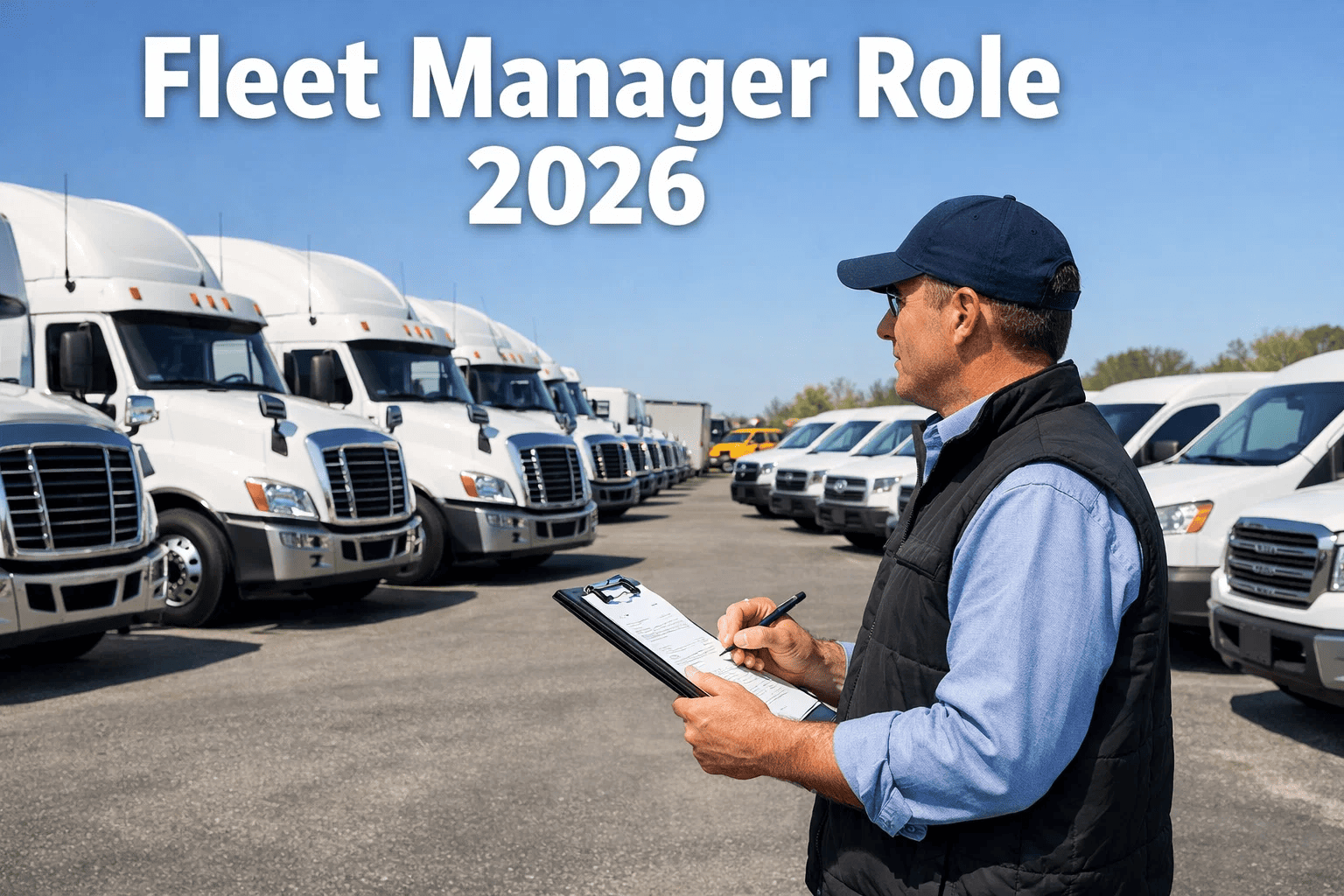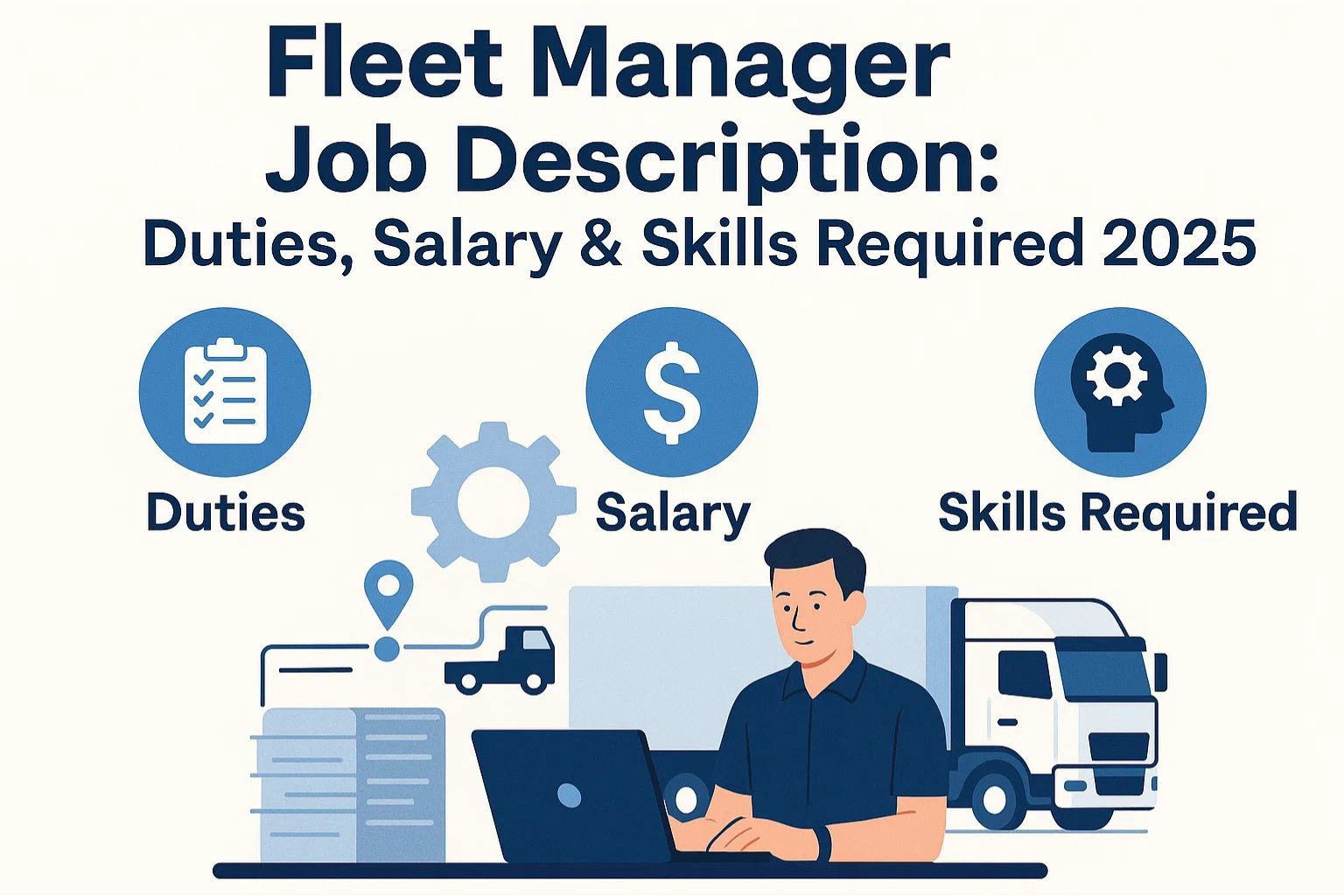
As businesses grow increasingly dependent on transportation and logistics to deliver goods, services, and field operations, the role of the fleet manager has transformed into a strategic cornerstone of operational success. In 2025, fleet managers are no longer limited to vehicle oversight—they are data-driven decision-makers responsible for reducing downtime, ensuring regulatory compliance, optimizing costs, improving driver safety, and adopting next-generation technologies like telematics, EV integration, and predictive maintenance systems. This guide offers a complete overview of the fleet management profession—from job responsibilities and industry demand to salary ranges, required certifications, and career growth pathways. Whether you're entering the field or hiring your next fleet leader, understanding the evolving scope of this role is essential in today’s complex and competitive marketplace.
Fleet managers serve as the backbone of transportation operations, overseeing everything from vehicle maintenance and driver management to cost optimization and regulatory compliance. This comprehensive guide explores the evolving fleet manager responsibilities, competitive salary ranges, essential skills, and career advancement opportunities available in 2025.
With the transportation industry experiencing rapid technological advancement and increased environmental regulations, fleet management jobs offer excellent growth potential for dedicated professionals seeking dynamic and rewarding careers in vehicle fleet management.
What is a Fleet Manager? Complete Role Overview
A fleet manager is a transportation professional responsible for overseeing and optimizing all aspects of an organization's vehicle fleet operations. This strategic role combines operational management, financial planning, technology implementation, and team leadership to ensure efficient, cost-effective, and compliant fleet operations.
Fleet operations managers work across diverse industries including logistics companies, delivery services, construction firms, government agencies, rental car companies, and any organization that operates multiple vehicles. The role has evolved significantly with the integration of advanced telematics, GPS tracking systems, and fleet management software platforms.
Key Industries Hiring Fleet Managers in 2025
Logistics & Transportation
Managing delivery trucks, freight vehicles, and transportation networks for e-commerce and logistics companies. Fleet coordinator jobs in this sector focus on optimizing delivery routes and maintaining vehicle efficiency.
Construction & Industrial
Overseeing heavy machinery, construction vehicles, and specialized equipment fleets. Vehicle fleet managers ensure equipment availability and maintenance compliance.
Government & Municipal
Managing public service vehicles, emergency fleets, and municipal transportation systems. Fleet supervisor roles focus on public safety and regulatory compliance.
Rental & Leasing
Coordinating rental car fleets, lease vehicle programs, and fleet maintenance operations. Emphasis on customer satisfaction and vehicle turnover optimization.
Fleet Manager Salary Guide 2025: Complete Breakdown
Fleet Manager Salary Range
Entry Level: $45,000 - $65,000 | Mid-Level: $65,000 - $90,000 | Senior Level: $90,000 - $120,000+
The fleet manager salary varies significantly based on experience level, geographic location, industry sector, and fleet size. According to recent industry surveys and job market analysis, fleet management professionals enjoy competitive compensation packages that often include performance bonuses, health benefits, and professional development opportunities.
| Experience Level | Salary Range | Additional Benefits | Typical Fleet Size | Job Demand |
|---|---|---|---|---|
| Entry Level (0-2 years) | $45,000 - $65,000 | Health insurance, training programs | 50-100 vehicles | High |
| Mid-Level (3-7 years) | $65,000 - $90,000 | Performance bonuses, professional development | 100-500 vehicles | Very High |
| Senior Level (8+ years) | $90,000 - $120,000+ | Executive benefits, stock options, car allowance | 500+ vehicles | Extremely High |
| Director Level (10+ years) | $120,000 - $180,000+ | Full executive package, equity participation | Multiple locations | High |
Factors Impacting Fleet Manager Compensation in 2025
- Geographic Location: Urban markets (New York, Los Angeles, Chicago) offer 20-30% higher salaries than rural areas
- Industry Sector: Technology, oil & gas, and logistics sectors pay premium rates for experienced fleet operations managers
- Fleet Size and Complexity: Managing larger fleets (500+ vehicles) or specialized equipment commands significantly higher compensation
- Educational Background: Bachelor's degree in logistics, business, or transportation can increase earning potential by 15-25%
- Professional Certifications: NAFA certification, CAFM, and specialized training add $8,000-$18,000 annually
- Performance Metrics: Demonstrable cost savings, efficiency improvements, and safety records drive substantial bonus eligibility
- Technology Skills: Proficiency in modern fleet management software and telematics systems increases market value
Essential Fleet Manager Duties and Responsibilities
The fleet manager duties encompass a comprehensive range of operational, strategic, and administrative responsibilities. Modern fleet supervisors must balance cost efficiency with operational excellence while ensuring regulatory compliance and driver safety.
Core Daily Operational Responsibilities
Vehicle Fleet Management
- Monitor vehicle utilization and performance metrics using advanced telematics
- Schedule and oversee preventive maintenance programs
- Coordinate repairs, warranty claims, and emergency breakdowns
- Track vehicle inspections and regulatory compliance
- Manage vehicle acquisition, disposal, and replacement cycles
Driver and Team Management
- Recruit, hire, and train qualified drivers and fleet personnel
- Monitor driver performance, safety records, and behavior analytics
- Conduct regular driver evaluations and performance coaching
- Manage driver licensing, certifications, and training requirements
- Implement driver safety programs and incident investigations
Technology and Systems
- Implement and manage fleet management software platforms
- Monitor GPS tracking, telematics, and IoT device data
- Generate comprehensive performance reports and analytics
- Optimize routing, dispatch, and scheduling systems
- Integrate emerging technologies like AI and predictive analytics
Financial and Budget Management
- Develop and manage comprehensive fleet budgets and forecasts
- Analyze total cost of ownership (TCO) and lifecycle costs
- Negotiate vendor contracts, pricing, and service agreements
- Monitor fuel consumption, costs, and efficiency metrics
- Prepare financial reports and ROI analysis for leadership
Strategic Planning and Analysis Responsibilities
Transportation managers are responsible for long-term strategic planning that aligns fleet operations with organizational goals. Key strategic responsibilities include:
- Fleet Optimization and Right-Sizing: Analyzing utilization data to optimize fleet size, composition, and deployment strategies
- Vehicle Replacement Planning: Developing data-driven vehicle replacement schedules based on lifecycle analysis and market conditions
- Technology Integration Strategy: Evaluating and implementing emerging fleet technologies including electric vehicles and autonomous systems
- Sustainability and Environmental Initiatives: Implementing green fleet programs, alternative fuel strategies, and carbon reduction plans
- Risk Management and Safety: Developing comprehensive safety programs, emergency response procedures, and risk mitigation strategies
- Vendor and Supplier Management: Building strategic partnerships with OEMs, service providers, and technology vendors
- Regulatory Compliance Strategy: Staying ahead of changing regulations and ensuring proactive compliance measures
Compliance and Safety Management
Critical Compliance Responsibilities for Fleet Managers
- DOT and FMCSA Regulations: Ensuring complete compliance with Department of Transportation and Federal Motor Carrier Safety Administration requirements
- Safety Standards and OSHA: Implementing workplace safety protocols and industry-specific safety standards
- Environmental Regulations: Managing emissions compliance, environmental reporting, and sustainability initiatives
- Insurance and Risk Management: Coordinating comprehensive coverage, claims management, and risk assessment
- Licensing and Permits: Maintaining all required business licenses, permits, and regulatory certifications
- Data Privacy and Security: Ensuring compliance with driver privacy laws and data protection regulations
Required Skills and Qualifications for Fleet Manager Jobs
Successful fleet management careers require a diverse skill set that combines technical knowledge, leadership abilities, and analytical thinking. The modern fleet coordinator role demands both operational expertise and strategic vision.
Essential Technical Skills for Fleet Management Professionals
- Fleet Management Software Proficiency: Expert knowledge of platforms like Fleetio, Verizon Connect, Geotab, Samsara, or similar systems
- Data Analytics and Reporting: Ability to interpret complex performance metrics, KPIs, and generate actionable business insights
- GPS and Telematics Systems: Deep understanding of tracking technologies, driver behavior monitoring, and IoT integration
- Financial Planning and Analysis: Advanced skills in budget development, cost analysis, ROI calculations, and financial modeling
- Regulatory and Compliance Knowledge: Comprehensive understanding of DOT, OSHA, EPA, and industry-specific regulations
- Maintenance Management Systems: Knowledge of preventive maintenance protocols, repair processes, and warranty management
- Advanced Excel and Database Management: Proficiency in data manipulation, pivot tables, and database query languages
Leadership and Management Competencies
- Team Leadership and Development: Proven ability to lead diverse teams including drivers, mechanics, dispatchers, and administrative staff
- Strategic Communication: Excellent verbal and written communication skills for stakeholder management and executive reporting
- Problem-Solving and Crisis Management: Quick decision-making capabilities and ability to manage emergency situations effectively
- Project Management: Experience managing complex, multi-phase projects with strict timelines and budget constraints
- Vendor Negotiation and Contract Management: Strong negotiation skills and experience managing supplier relationships
- Training Program Development: Ability to design, implement, and deliver comprehensive training programs
- Change Management: Skills in leading organizational change and technology adoption initiatives
Educational Requirements and Professional Certifications
Educational Foundation for Fleet Management Careers
- Minimum Education: High school diploma or equivalent for entry-level fleet coordinator jobs
- Preferred Education: Bachelor's degree in business administration, logistics, transportation management, supply chain management, or related field
- Advanced Education: Master's degree in business or logistics for senior-level positions
- Relevant Experience: 3-7 years in transportation, logistics, automotive, or fleet operations
High-Value Professional Certifications
- NAFA Certified Automotive Fleet Manager (CAFM): Premier fleet management certification recognized industry-wide
- Certified Fleet Manager (CFM): Comprehensive credential covering all aspects of fleet operations
- Commercial Driver's License (CDL): Valuable for understanding driver requirements and regulations
- Project Management Professional (PMP): Essential for managing complex fleet initiatives
- ASE Certifications: Automotive service excellence certifications for technical credibility
- Lean Six Sigma: Process improvement methodology valuable for operational efficiency
- EV Fleet Specialist Certification: Emerging certification for electric vehicle fleet management
Career Advancement and Growth Opportunities in Fleet Management
The fleet management career path offers exceptional advancement opportunities for dedicated professionals. With the transportation industry's continued expansion and technological evolution, experienced fleet managers can pursue diverse career trajectories with significant earning potential.
Typical Fleet Management Career Progression
- Fleet Coordinator/Assistant (Entry Level): Handling administrative tasks, basic fleet operations, and data entry with salary range $35,000-$50,000
- Fleet Supervisor (Mid-Level): Managing specific fleet segments, geographic regions, or specialized vehicle types with salary range $50,000-$70,000
- Fleet Manager (Professional Level): Full responsibility for complete fleet operations, strategic planning, and team leadership with salary range $65,000-$90,000
- Senior Fleet Manager (Expert Level): Managing multiple locations, large fleets, or specialized operations with salary range $85,000-$120,000
- Director of Fleet Operations (Executive Level): Enterprise-wide fleet strategy, P&L responsibility, and cross-functional leadership with salary range $120,000-$160,000
- Vice President of Transportation (C-Suite Level): Senior executive role with complete transportation strategy ownership and salary range $150,000-$250,000+
Alternative Career Paths for Fleet Management Professionals
- Independent Fleet Consultant: Providing specialized consulting services to multiple organizations with potential earnings of $80-150 per hour
- Vendor and Technology Sales: Working for fleet service providers, OEMs, or technology companies with commission-based earnings potential
- Government Fleet Management: Public sector positions focusing on municipal, state, or federal fleet operations with excellent benefits
- Fleet Technology Entrepreneurship: Starting fleet services companies, technology solutions, or specialized consulting practices
- Training and Education Specialist: Developing and delivering fleet management training programs for organizations or educational institutions
- Fleet Insurance and Risk Management: Specializing in fleet insurance, claims management, and risk assessment services
Industry Trends Shaping Fleet Management Jobs in 2025
The fleet management industry is experiencing unprecedented transformation driven by technological advancement, environmental regulations, and evolving business models. Understanding these trends is crucial for career success in fleet operations management.
Technology Trends Revolutionizing Fleet Management
Electric Vehicle Fleet Integration
Managing EV fleets, charging infrastructure deployment, and transition planning from traditional internal combustion engines. Fleet managers need expertise in EV lifecycle management and charging optimization.
Artificial Intelligence and Machine Learning
AI-powered predictive maintenance, intelligent route optimization, advanced driver behavior analysis, and automated decision-making systems are becoming standard in fleet operations.
Advanced Mobile Technology
Comprehensive mobile applications for driver communication, real-time vehicle inspections, instant reporting, and seamless fleet monitoring capabilities.
IoT and Connected Vehicle Technology
Internet of Things sensors, connected vehicle platforms, real-time data streams, and comprehensive vehicle health monitoring systems transforming fleet visibility.
Regulatory and Environmental Changes Impacting Fleet Jobs
- Emissions Regulations and Carbon Reduction: Stricter environmental standards driving rapid adoption of alternative fuel vehicles and sustainable fleet practices
- Advanced Safety Technology Requirements: Mandatory implementation of collision avoidance systems, driver monitoring technology, and automated safety features
- Data Privacy and Security Laws: Increasing compliance requirements for driver privacy protection and fleet data security management
- Autonomous Vehicle Integration: Preparing fleet operations for semi-autonomous and fully autonomous vehicle deployment and management
- Supply Chain Resilience: Developing robust supply chain strategies to handle disruptions and ensure operational continuity
How to Land Your First Fleet Manager Job: Complete Guide
Breaking into fleet management careers requires strategic planning, skill development, and understanding of industry requirements. This comprehensive roadmap will help you secure your first fleet coordinator job or advance to higher-level positions.
Step-by-Step Career Development Plan
- Build Foundation Knowledge and Skills: Gain experience in transportation, logistics, automotive, or related industries. Develop proficiency in Microsoft Office, basic data analysis, and learn fundamental vehicle maintenance concepts.
- Pursue Relevant Education and Training: Earn a bachelor's degree in business, logistics, transportation management, or related field. Complete fleet management certification programs and attend industry conferences and training seminars.
- Gain Hands-On Experience: Start in entry-level positions such as fleet coordinator, dispatcher, or logistics assistant. Volunteer for fleet-related projects and initiatives within your current organization.
- Develop Technical Proficiency: Learn fleet management software platforms, GPS tracking systems, and telematics technology. Gain experience with data analysis tools and reporting systems.
- Build Professional Networks: Join professional organizations like NAFA (National Association of Fleet Administrators) or AFLA (American Fleet Leasing Association). Attend industry events and connect with experienced fleet professionals.
- Enhance Leadership Capabilities: Take on supervisory responsibilities, improve communication and presentation skills, learn budget management and financial analysis, and develop project management competencies.
Essential Job Search Strategies for Fleet Management Positions
- Target High-Growth Industries: Focus on logistics, e-commerce, construction, government, and technology sectors with expanding fleet needs
- Leverage Professional Networks: Utilize LinkedIn, industry associations, and professional contacts to identify opportunities
- Highlight Relevant Experience: Emphasize any transportation, logistics, mechanical, or leadership experience in your resume and interviews
- Demonstrate Cost-Saving Achievements: Quantify any efficiency improvements, cost reductions, or process optimizations you've accomplished
- Stay Current with Industry Trends: Show knowledge of emerging technologies, regulations, and best practices in fleet management
- Consider Contract and Temporary Positions: Use temporary assignments to gain experience and prove your capabilities to potential employers
Fleet Manager Interview Preparation: Key Questions and Answers
Preparing for fleet manager job interviews requires understanding common questions and developing compelling responses that demonstrate your qualifications and experience.
Common Fleet Manager Interview Questions
Frequently Asked Questions About Fleet Manager Careers
Launch Your Fleet Management Career Today
The fleet management industry offers exceptional career opportunities with competitive salaries, job security, and outstanding growth potential. Whether you're starting your career or looking to advance in transportation management, 2025 presents an ideal time to pursue fleet manager positions.
Ready to start your journey? Research fleet management certification programs, connect with industry professionals, and begin building the skills needed for success in this dynamic and rewarding field.
Conclusion: Fleet Manager Career Outlook and Opportunities in 2025
The fleet manager job description continues to evolve rapidly as technology, environmental concerns, and business needs reshape the transportation industry. With competitive salaries ranging from $65,000 to $120,000+ and exceptional growth prospects, fleet management represents an outstanding career path for motivated professionals seeking stability and advancement opportunities.
Success as a fleet operations manager requires a strategic combination of technical expertise, leadership skills, financial acumen, and adaptability to changing industry conditions. As organizations increasingly recognize the critical importance of efficient fleet operations to their bottom line, qualified fleet management professionals will continue to be in high demand across diverse industries.
The future of fleet management careers is particularly bright, with emerging technologies like electric vehicles, artificial intelligence, and autonomous systems creating new opportunities for skilled professionals. Those who invest in continuous learning, professional development, and industry networking will be best positioned for long-term success in this rewarding field.
Whether you're pursuing your first fleet coordinator job or advancing to senior leadership positions, the fleet management industry offers a clear path to professional growth, competitive compensation, and the satisfaction of optimizing critical business operations. Start building your fleet management career today and join the thousands of professionals driving the future of transportation.
Ready to Accelerate Your Fleet Management Career?
Whether you're just starting out or stepping into a leadership role, Oxmaint helps fleet professionals reduce downtime, boost compliance, and simplify operations.