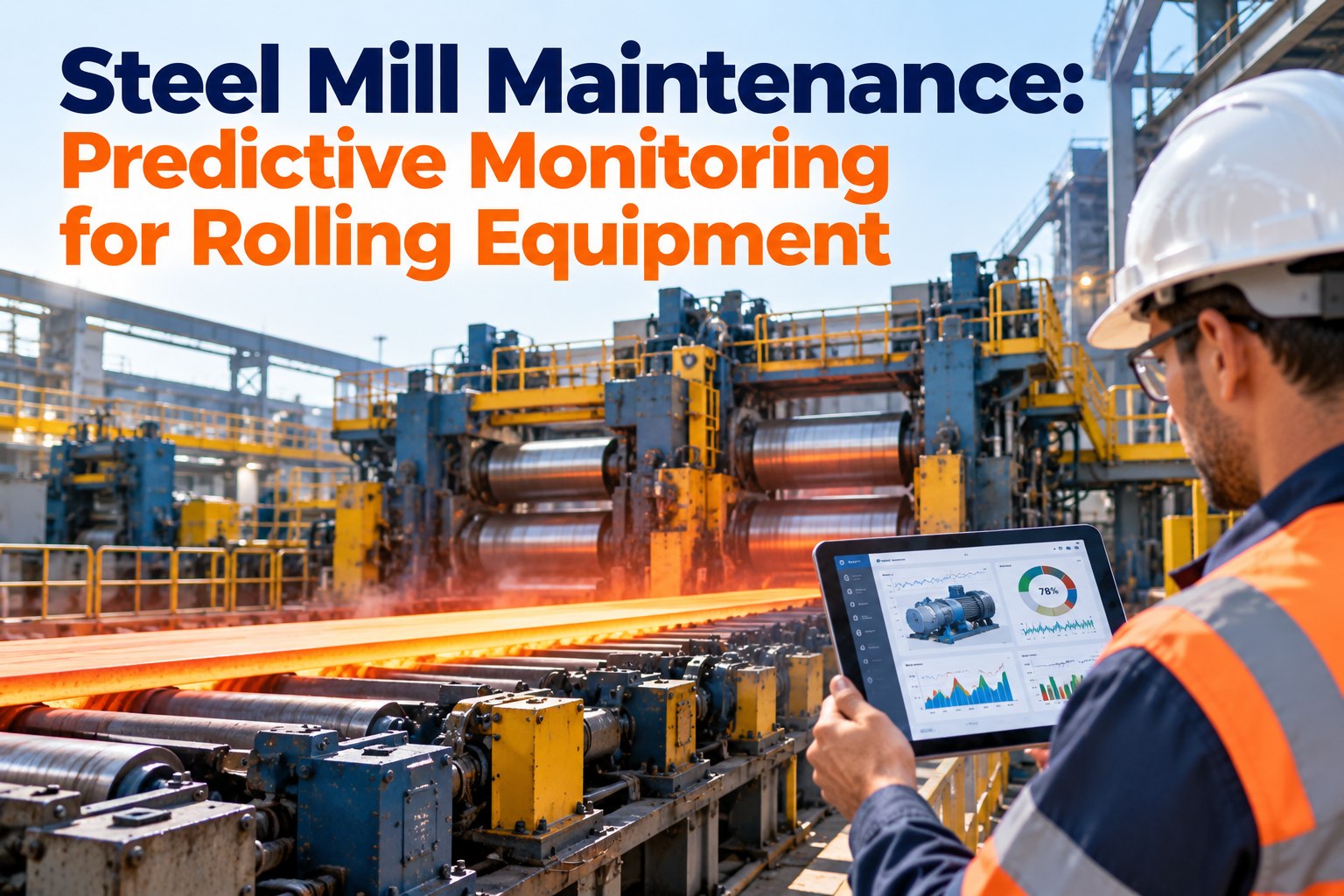
Imagine walking into your manufacturing facility knowing with absolute certainty that every piece of equipment will perform flawlessly throughout the day. No surprise breakdowns, no emergency repairs, and no costly production halts. This isn't just a dream anymore—it's the reality that AI-powered predictive maintenance is delivering to manufacturing operations across the United States.
The manufacturing landscape has evolved dramatically over the past decade. Traditional reactive maintenance approaches—where equipment is fixed only after it breaks—are becoming obsolete. Even scheduled preventive maintenance, while better than reactive approaches, often leads to unnecessary maintenance activities and missed critical issues. Enter predictive maintenance powered by artificial intelligence: a game-changing approach that's revolutionizing how manufacturers manage their most valuable assets.
Understanding AI-Powered Predictive Maintenance
AI-powered predictive maintenance represents a fundamental shift from traditional maintenance strategies. Instead of waiting for equipment to fail or following rigid maintenance schedules, this approach uses advanced algorithms and machine learning to predict when equipment is likely to fail, allowing maintenance teams to intervene at the optimal time.
The technology works by continuously monitoring equipment through various sensors that collect data on vibration, temperature, pressure, acoustic emissions, and other critical parameters. This data is then processed by sophisticated AI algorithms that can identify patterns and anomalies that human technicians might miss. The system learns from historical data, recognizing the subtle signatures that precede equipment failures.
Ready to transform your maintenance operations with AI-powered solutions?
Getting Started Book a DemoThe Technology Behind Intelligent Equipment Monitoring
Sensor Integration and Data Collection
The foundation of any effective predictive maintenance system lies in comprehensive data collection. Modern manufacturing equipment can be equipped with various types of sensors, each designed to monitor specific aspects of machine health. Vibration sensors detect mechanical wear and imbalances, thermal sensors monitor heat generation that could indicate friction or electrical issues, and acoustic sensors can identify unusual sounds that precede failures.
Machine Learning Algorithms
The real power of AI-driven predictive maintenance comes from its ability to process and analyze vast amounts of data in real-time. Machine learning algorithms, particularly deep learning neural networks, excel at pattern recognition and can identify complex relationships between different variables that would be impossible for human analysts to detect.
Edge Computing and Real-Time Processing
Modern predictive maintenance systems often employ edge computing technology, processing data locally rather than sending everything to the cloud. This approach reduces latency, ensures real-time response capabilities, and maintains system functionality even during network outages. Edge devices can make immediate decisions about equipment health while still contributing to the broader learning system.
Quantifiable Benefits for Manufacturing Operations
Dramatic Reduction in Unplanned Downtime
Unplanned downtime is the enemy of manufacturing efficiency. Every minute of unexpected equipment failure translates directly to lost production, missed deadlines, and decreased profitability. AI-powered predictive maintenance systems have demonstrated the ability to reduce unplanned downtime by 35-45% on average, with some operations achieving even more dramatic improvements.
Optimized Maintenance Scheduling
Traditional preventive maintenance often follows manufacturer recommendations or historical schedules that may not reflect actual equipment condition. This approach can lead to unnecessary maintenance activities or, conversely, insufficient attention to equipment that's operating under more demanding conditions. AI systems optimize maintenance timing based on actual equipment condition, leading to more efficient resource allocation and reduced maintenance costs.
Extended Equipment Lifespan
By identifying and addressing issues before they become critical failures, predictive maintenance helps extend the useful life of manufacturing equipment. This approach prevents small problems from cascading into major failures that could cause irreversible damage. The result is a significant extension in equipment lifespan and delayed capital expenditure for replacement equipment.
Implementation Strategies for Maximum Success
Starting with Critical Equipment
Successful predictive maintenance implementation doesn't require a complete overhaul of existing operations. The most effective approach is to begin with critical equipment that has the highest impact on production when it fails. This focused approach allows teams to gain experience with the technology while delivering immediate, measurable results.
Building Internal Capabilities
While AI systems can automate much of the analysis process, human expertise remains crucial for interpreting results and making maintenance decisions. Successful implementations invest in training maintenance personnel to understand and work with AI-generated insights. This creates a powerful combination of artificial intelligence and human experience.
Integration with Existing Systems
Modern predictive maintenance solutions are designed to integrate seamlessly with existing manufacturing execution systems (MES), enterprise resource planning (ERP) systems, and computerized maintenance management systems (CMMS). This integration ensures that predictive insights become part of the normal operational workflow rather than requiring separate processes.
Don't let equipment failures control your production schedule. Take control with intelligent predictive maintenance.
Schedule Your Demo TodayOvercoming Common Implementation Challenges
Data Quality and Availability
One of the most common challenges in implementing predictive maintenance is ensuring adequate data quality and availability. Older equipment may lack the necessary sensors, and existing data collection systems may not provide the granularity required for effective AI analysis. However, retrofit sensor solutions and modern data collection platforms can address these challenges without requiring complete equipment replacement.
Change Management and User Adoption
Transitioning from traditional maintenance approaches to AI-powered systems requires significant change management. Maintenance teams may be skeptical of AI recommendations, especially initially. Successful implementations focus on demonstrating value through pilot programs and providing comprehensive training to build confidence in the new approach.
Balancing Automation with Human Expertise
While AI systems can process data and identify patterns far beyond human capability, the most effective predictive maintenance programs maintain a balance between automated analysis and human judgment. Experienced maintenance professionals bring contextual knowledge about equipment history, operational conditions, and practical constraints that complement AI insights.
The Future of Manufacturing Reliability
The evolution of AI-powered predictive maintenance is accelerating rapidly. Emerging technologies like digital twins, augmented reality maintenance assistance, and advanced IoT sensors are creating even more sophisticated monitoring and maintenance capabilities. Manufacturers who embrace these technologies today are positioning themselves at the forefront of the industry transformation.
The question is no longer whether to implement predictive maintenance, but how quickly you can get started. Every day of delayed implementation represents continued exposure to unexpected failures, unnecessary maintenance costs, and missed opportunities for optimization. The manufacturers who are moving quickly to adopt AI-powered solutions are already gaining competitive advantages that will be difficult for others to match.
The transformation of manufacturing through intelligent maintenance is not a distant future possibility—it's happening right now. Companies across industries are already experiencing the benefits of reduced downtime, lower maintenance costs, and improved equipment reliability. The tools and technologies are mature, proven, and ready for implementation.
Join the manufacturing revolution. Implement AI-powered predictive maintenance and transform your operations today.
Getting Started Book a Demo