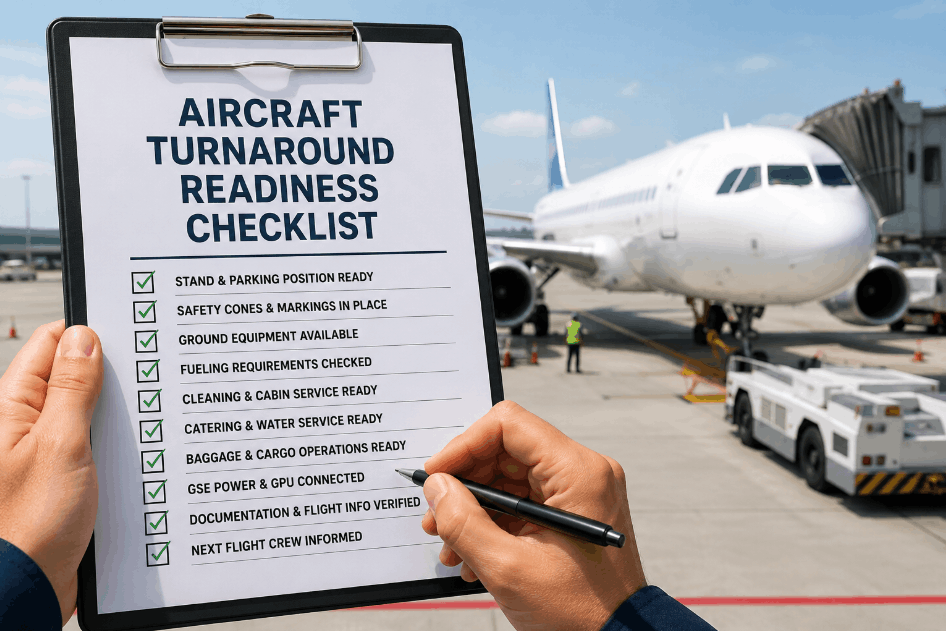
An aircraft turnaround readiness checklist confirms that every stand service, ground support resource, and ramp position is prepared before an arriving aircraft docks, so the next movement sequence starts without delay or safety exposure. Turnaround windows are tight by design, and a single missed readiness step — an uncleared previous service, a GPU not staged, a tow path not verified — compounds across downstream flights. Sign Up Free on Oxmaint to log stand readiness checks against each gate asset before arrival and assign findings to the right ground crew. Book a Demo to see how Oxmaint turns pre-arrival readiness into a trackable, recurring work order process tied to real asset and equipment data across your ramp operations.
Start Every Turnaround From a Verified Ready State
Log stand readiness checks against each gate asset before arrival and assign findings to the right ground crew.
1. Stand & Gate Area Clearance
Confirm the stand and surrounding gate area are clear of previous service debris, equipment, and personnel before the inbound aircraft enters the approach.
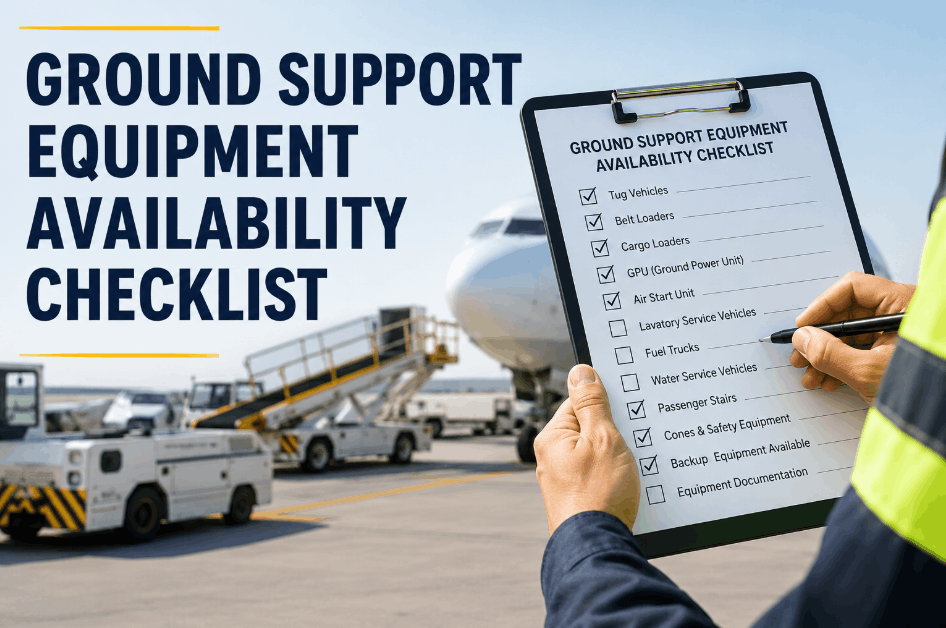
2. Ground Support Equipment Staging
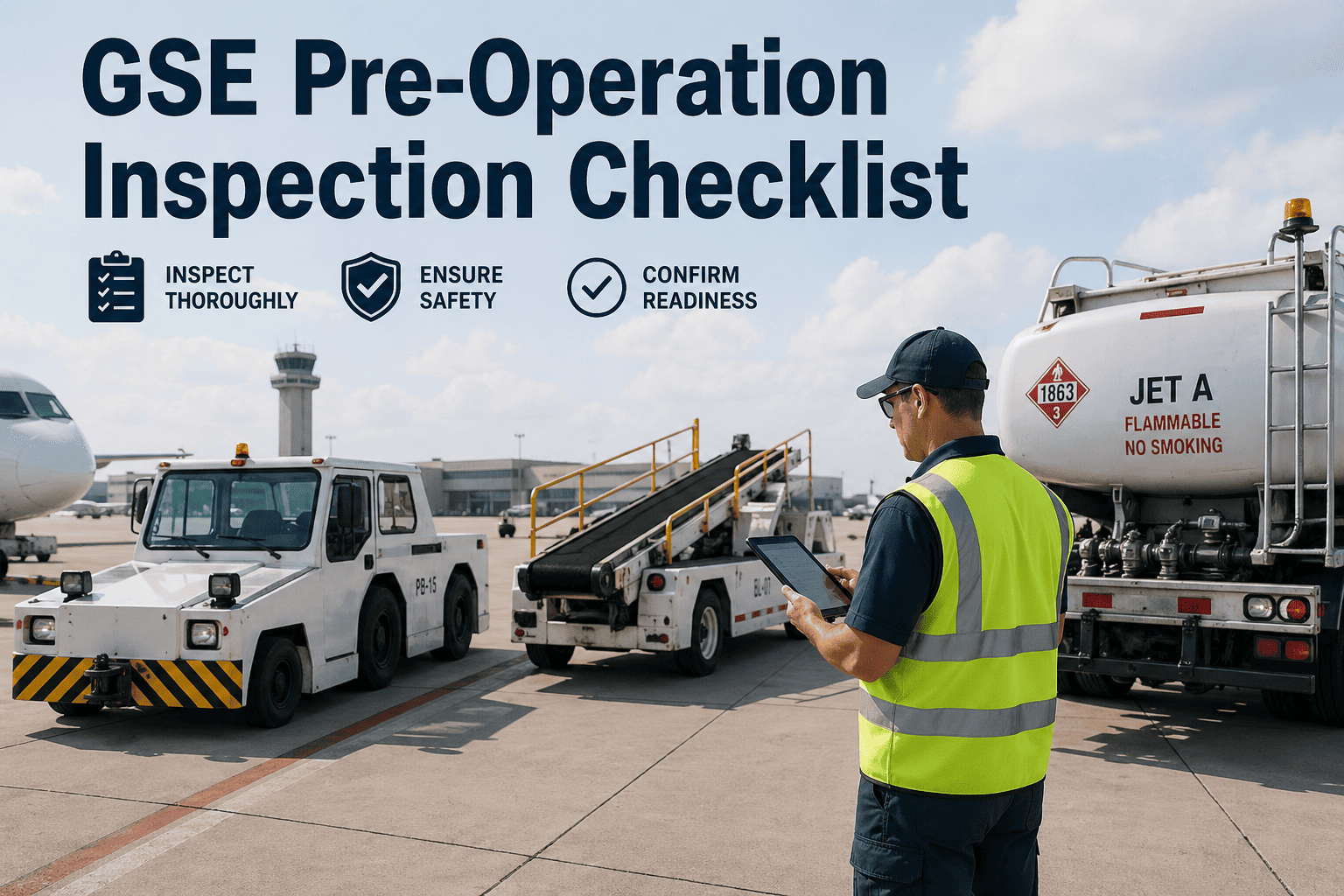
Confirm all required GSE is positioned, operational, and assigned before the inbound parks — not after.
3. Pre-Arrival Documentation & Communication Checks
Confirm inbound data, crew assignments, and service orders are distributed and acknowledged before the aircraft arrives.
4. Safety & Marshalling Readiness
Confirm the marshalling position, safety perimeter, and emergency access path are set before the aircraft enters the stand.
5. Post-Docking Service Sequence Confirmation
Confirm the service sequence kicks off in the correct order after block-in and that nothing waits on a missed handoff.
Make Stand Readiness a Documented, Repeatable Process
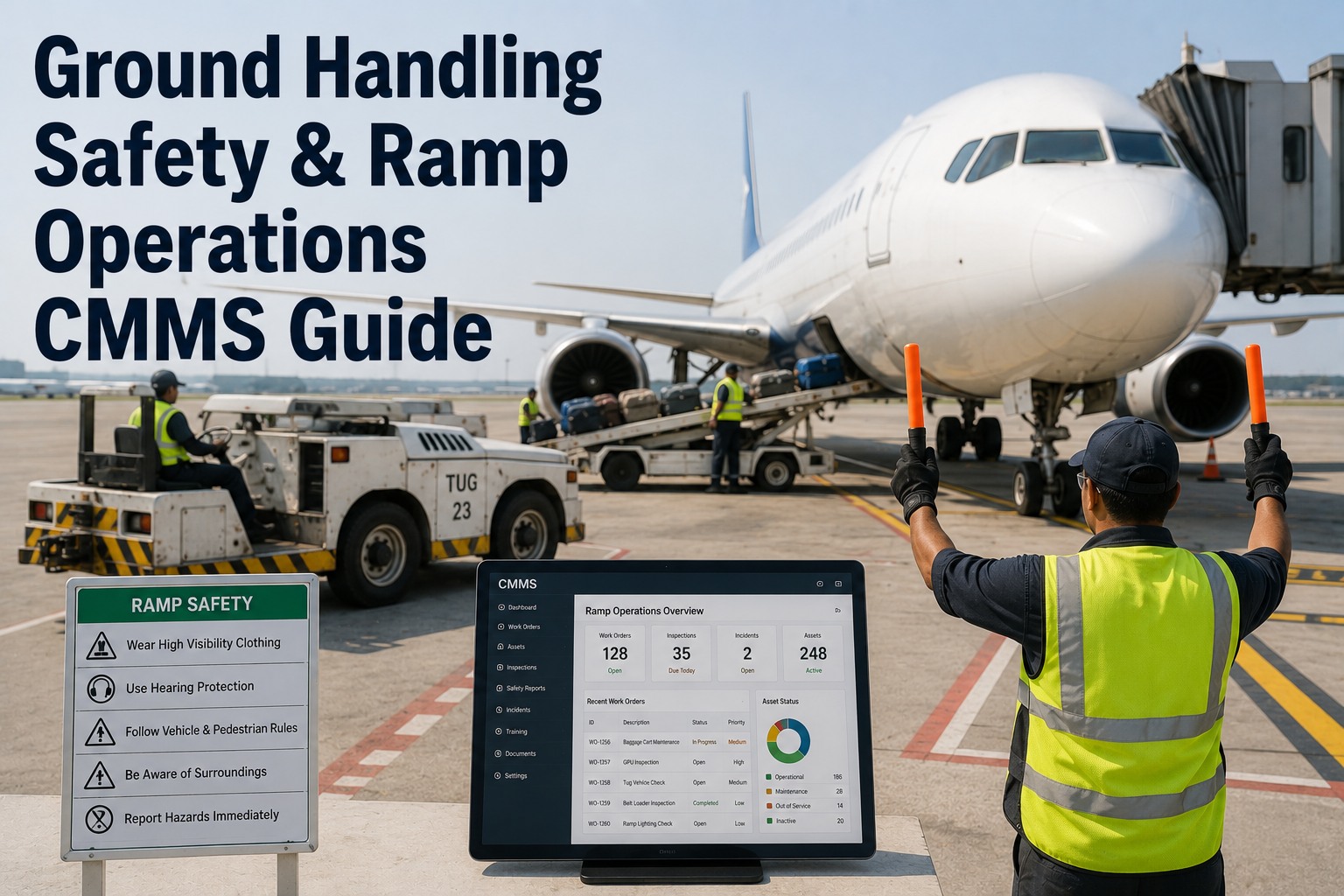
Oxmaint logs pre-arrival checks, flags readiness gaps, and routes findings to the right crew before the aircraft docks.
Frequently Asked Questions — Aircraft Turnaround Readiness
1. What does an aircraft turnaround readiness checklist cover?
It covers stand clearance, GSE staging, crew assignments, safety perimeter setup, and service sequence confirmation before an arriving aircraft docks — every step that must be done before block-in, not after.
2. Why do turnaround delays often originate in pre-arrival gaps?
Equipment not staged, stands not cleared, or crew assignments unconfirmed before arrival force reactive scrambling at block-in, compressing the service window and pushing pushback times back.
3. How does Oxmaint support ramp turnaround readiness?
Oxmaint logs stand readiness checks against each gate asset, routes gaps to assigned work orders with timestamps, and gives supervisors a live view of readiness status across the full stand portfolio.
4. Can turnaround readiness checks be tracked across multiple stands?
Yes — Oxmaint tracks readiness completion status across every active stand in the terminal, so ground ops leadership can see which gates are confirmed ready before the inbound fleet arrives.
5. How often should turnaround readiness be validated as a formal process?
Each turn is its own readiness event, but the checklist process itself should be reviewed quarterly against actual delay data to confirm the steps still reflect current GSE, staffing, and stand configurations.
Ready to Run Tighter Turnarounds From a Verified Stand?
Oxmaint connects stand readiness checks, GSE asset records, and work orders into one view across your airport operations.