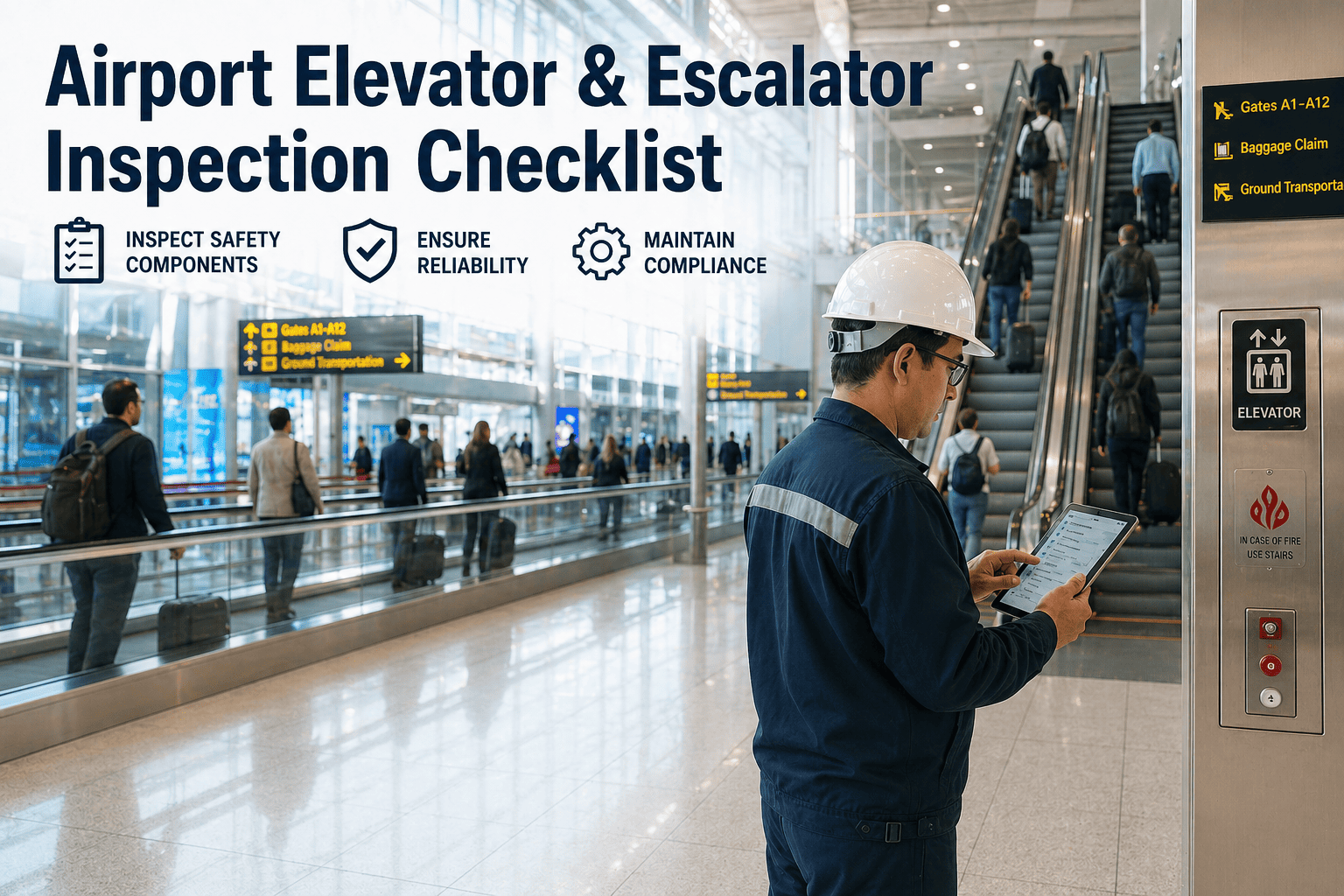
Every airport operations manager knows that a single missed inspection point on ground support equipment can cascade into a ramp safety incident, flight delay, or regulatory violation — but most GSE inspection checklists still live on paper clipboards that get rushed through during shift changes. When a belt loader hydraulic line fails mid-operation because the pre-shift inspection was signed off without actually checking fluid levels, the cost is not just the repair — it is the aircraft ground time, the passenger delay compensation, and the FAA ramp safety audit that follows. OxMaint digitizes GSE inspections with mobile checklists, automatic compliance logging, and defect tracking that closes the loop on every finding — start your free trial and eliminate paper-based inspection gaps.
Ground Support Equipment · Pre-Operation Safety · Airport Ramp Operations
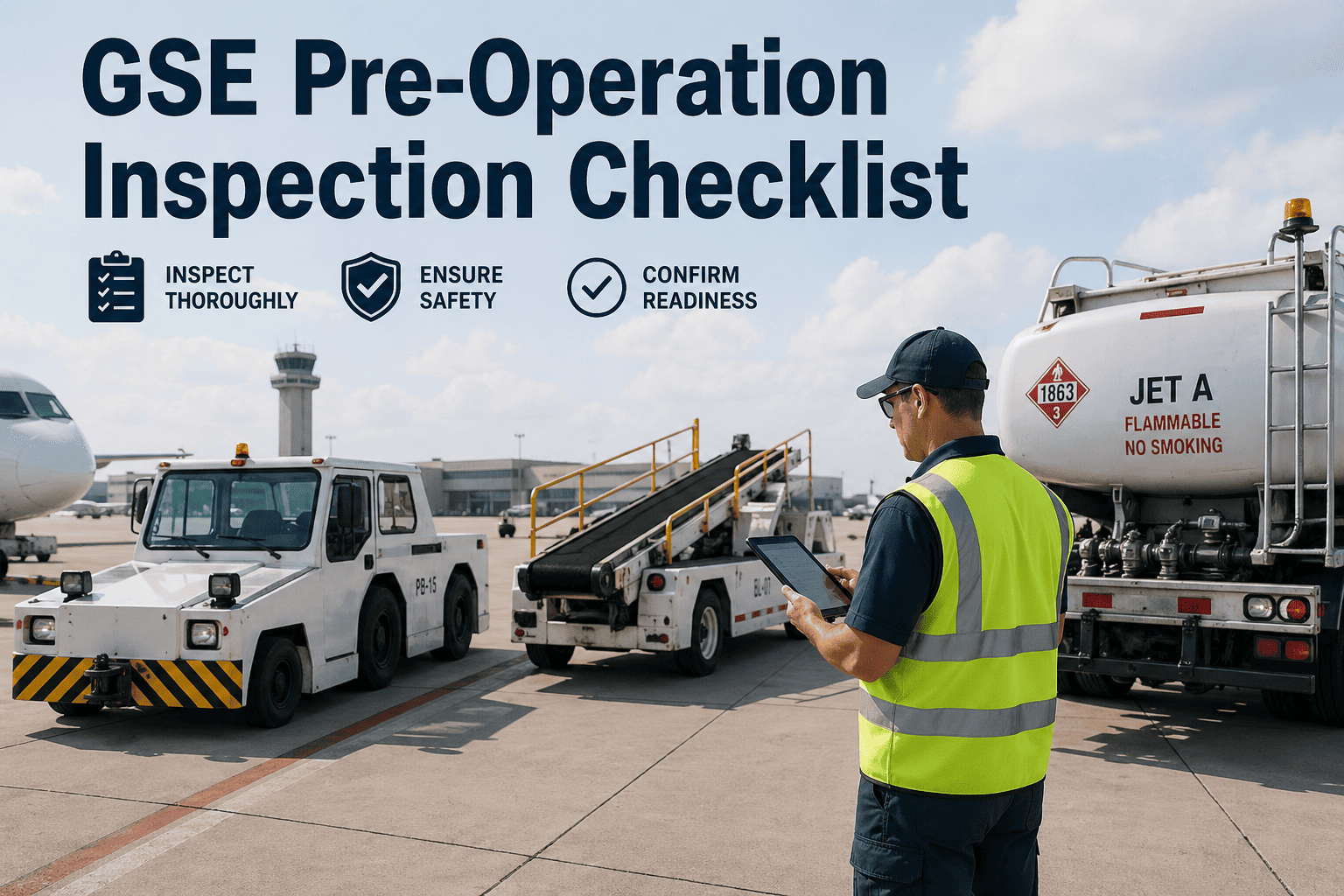
GSE Pre-Operation Inspection Checklist: Complete Safety Protocol for Airport Ground Equipment
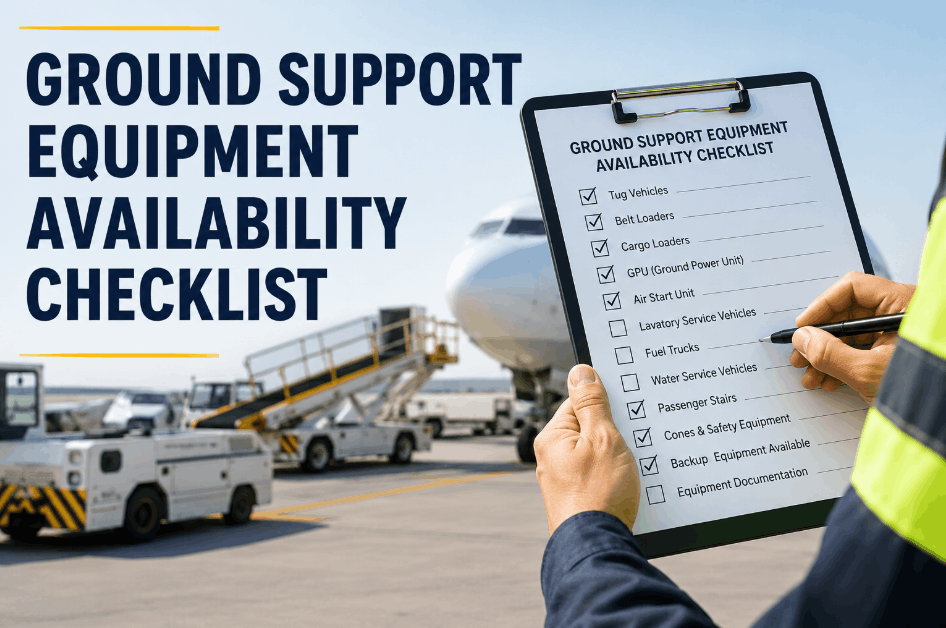
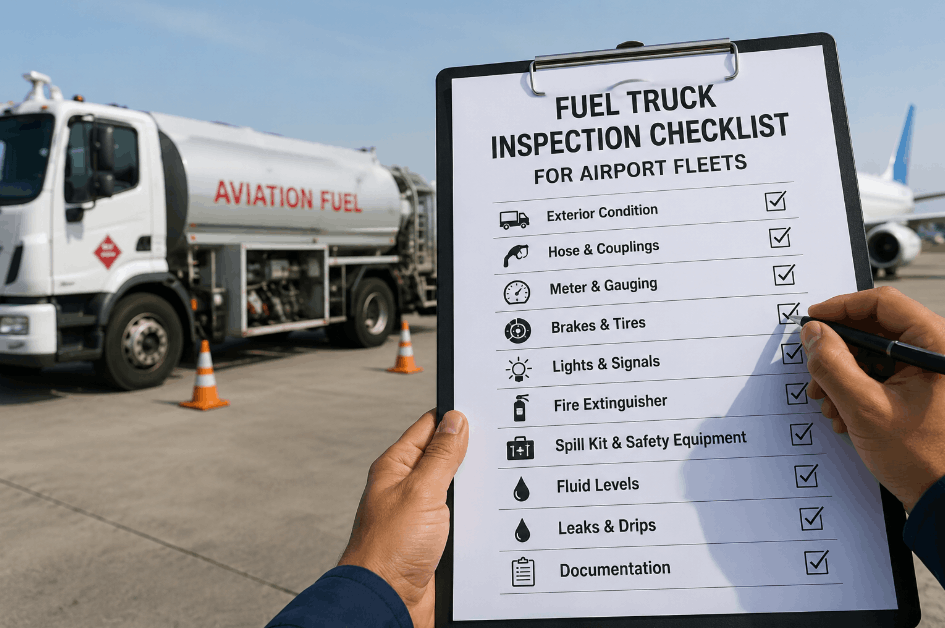
Before any GSE unit touches an aircraft, a structured pre-operation inspection must verify mechanical integrity, fluid levels, safety systems, and operational controls. This checklist framework covers tugs, belt loaders, fuel trucks, GPU units, and all ramp equipment categories.
73%
of GSE incidents trace back to skipped inspection items
$28K
average cost per ramp safety violation
4.2 min
average digital inspection time vs 8.5 min on paper
92%
reduction in missed inspection points with digital checklists
What Is GSE Pre-Operation Inspection
GSE Pre-Operation Inspection: Shift-Start Safety Verification Before Equipment Use
A GSE pre-operation inspection is a mandatory safety check performed at the start of every shift or before first use of any ground support equipment unit. The inspection verifies that brakes, steering, hydraulics, electrical systems, safety devices, and fluid levels meet operational standards before the equipment is cleared for ramp use. For fuel trucks and hazmat vehicles, additional fire suppression and spill containment checks are required. Inspection records must be retained for audit compliance and incident investigation. Want to digitize your GSE inspection process? Start a free trial with OxMaint and track every inspection in real time.
Daily Verification
Every GSE unit requires a pre-operation check before its first deployment each shift, regardless of how recently it was serviced or inspected.
Compliance Documentation
Inspection records must include operator signature, timestamp, equipment ID, and defect documentation to satisfy FAA and OSHA audit requirements.
Defect Response Protocol
Any failed inspection point triggers immediate equipment quarantine and work order creation — units cannot return to service until repair is verified and signed off.
Equipment Category Specificity
Inspection criteria vary by GSE type — belt loaders require hydraulic checks, fuel trucks need fire suppression verification, and tugs demand brake system validation.
Universal GSE Inspection Points
Core Pre-Operation Inspection Items — All Ground Support Equipment Categories
These eight inspection categories apply across all GSE equipment types before any ramp deployment. Each category contains specific verification points that must be checked and documented every shift.
01
Visual Equipment Condition
Body damage or structural cracks
Fluid leaks under equipment
Tire condition and inflation pressure
Safety decals and markings visible
02
Brake System Functionality
Parking brake holds on incline
Service brake pedal resistance normal
No air leaks in pneumatic systems
Brake fluid level within spec
03
Steering and Controls
Steering wheel free play within limits
All gauges and indicators functioning
Horn operational
Emergency shut-off accessible
04
Lighting and Visibility
Headlights and taillights operational
Amber warning beacons functioning
Turn signals working both sides
Mirrors clean and properly adjusted
05
Fluid Levels Verification
Engine oil at proper level
Coolant reservoir filled
Hydraulic fluid within range
Fuel tank adequate for shift
06
Safety Equipment Present
Fire extinguisher charged and accessible
First aid kit stocked
Spill kit present for fuel units
Emergency contact placard visible
07
Operational Systems Test
Engine starts without hesitation
Hydraulic systems operate smoothly
No abnormal noises during operation
Dashboard warning lights clear after start
08
Documentation and Compliance
Previous inspection log reviewed
Outstanding work orders checked
Equipment certification current
Operator qualified for equipment type
Equipment-Specific Checks
Additional Inspection Points by GSE Category
Beyond universal checks, each equipment type requires specialized inspection points tied to its operational function and safety risk profile.
Towbar connection pins and safety clips intact
Communication headset and intercom functional
Tow hitch articulation smooth without binding
Rear camera and monitor operational
Conveyor belt tension and tracking correct
Platform safety rails and gates secure
Hydraulic lift cylinders leak-free
Emergency stop buttons functioning at all stations
Grounding cable and clamp functional
Fuel hose integrity with no cracks or leaks
Deadman switch operational on nozzle
Spill containment kit complete and accessible
Power cables and connectors undamaged
Voltage output within aircraft spec range
Cooling fans and ventilation clear
Circuit breakers reset and functional
Fluid tank levels and mixture ratios correct
Boom articulation and controls responsive
Spray nozzles clear and pressure consistent
Platform stabilizers operational and secure
Hitch pin and safety chain secure
Cart coupling mechanism functioning
Backup alarm audible at 30 feet
Load capacity placard visible and legible
Common Inspection Failures
Top GSE Pre-Operation Inspection Gaps That Lead to Safety Incidents
Analysis of ramp safety reports shows these six inspection failures account for 81% of preventable GSE incidents at commercial airports. Book a demo to see how OxMaint prevents these gaps with digital inspection enforcement and automatic defect escalation.
Rushed Shift-Change Inspections
Operators sign off checklists without physically verifying points during shift transitions, creating false compliance records while actual equipment defects go undetected.
68% of incidents occur within first 45 minutes of shift
Hydraulic Leak Detection Failure
Small hydraulic leaks get missed during visual inspection because they are not actively dripping — but under operational pressure they spray onto hot engine components or ramp surfaces.
$47K average cost per hydraulic failure incident
Brake System Assumption
Operators assume brakes are functional based on previous shift reports rather than conducting actual brake hold tests, leading to rollaway incidents on ramp inclines.
22% of pushback incidents involve brake failure
Fire Extinguisher Oversight
Fire extinguishers mounted on equipment are not checked for charge pressure or accessibility — discovered only during actual fire events when they are already expired or blocked.
Fire extinguisher failures cited in 34% of fuel spill escalations
Defect Report Loop Closure
Previous inspection defects get reported but repair completion is never verified before equipment returns to service — defects carry forward across multiple shifts unresolved.
41% of repeat incidents involve previously reported but unresolved defects
Paper Trail Gaps
Paper inspection logs get lost, damaged, or filled out after the fact, creating compliance audit failures and eliminating any traceable inspection history during incident investigations.
Paper-based programs average 73% inspection record gaps during audits
Digital GSE Inspection Solution
How OxMaint Closes GSE Pre-Operation Inspection Gaps
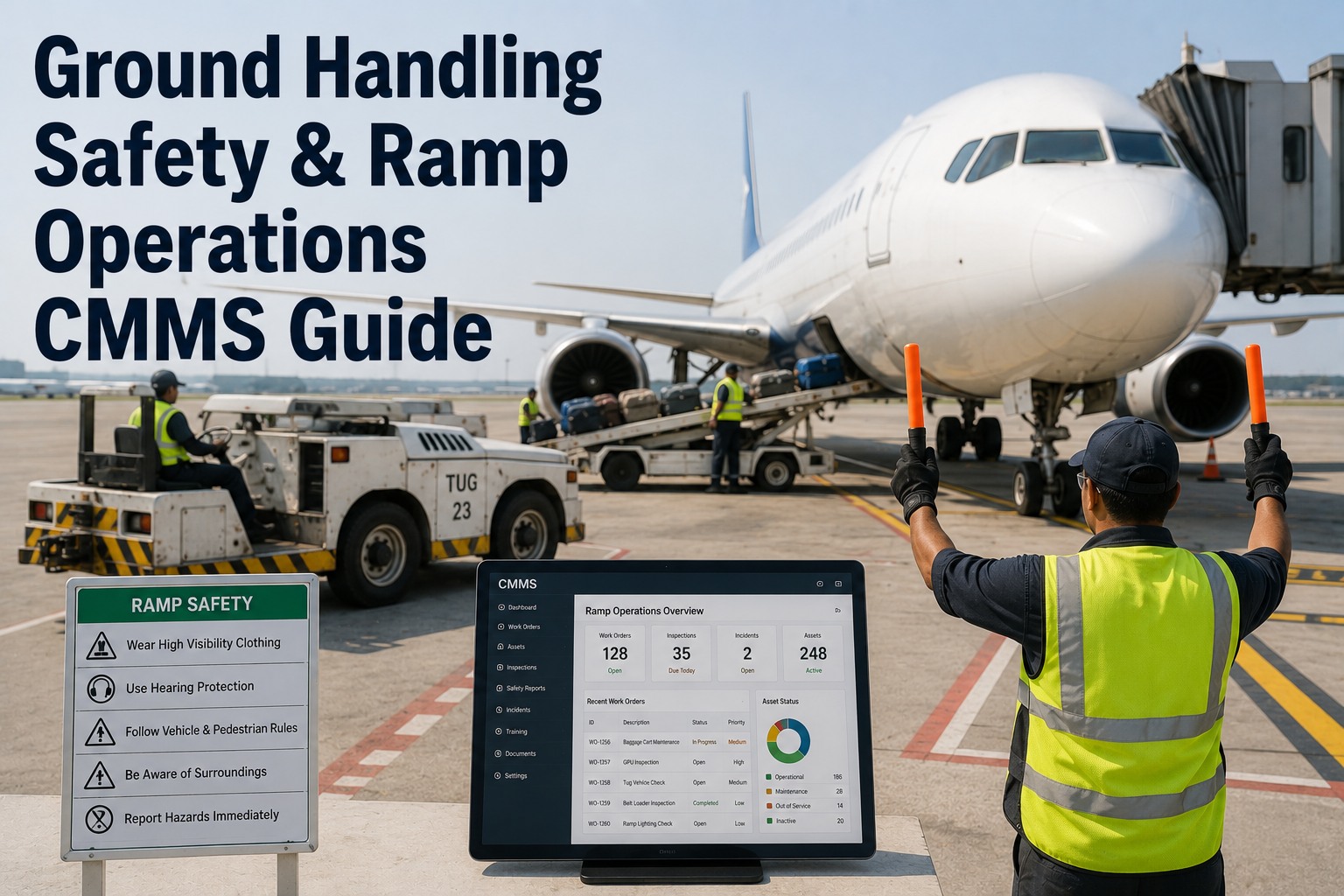
OxMaint transforms paper-based GSE inspection workflows into mobile-first digital checklists that enforce completion, track defects automatically, and provide real-time compliance visibility across all equipment and shifts.
Mobile Checklist Enforcement
Operators complete inspections directly on mobile devices with GPS and timestamp verification. Cannot mark items complete without photo evidence for critical points. Equipment remains locked out in the system until inspection is submitted.
Automatic Defect Work Orders
Any failed inspection point instantly generates a work order tagged to that specific equipment unit. Equipment status changes to "Out of Service" automatically and cannot be deployed until repair work order is closed with technician sign-off.
Equipment-Specific Templates
Pre-built inspection templates for every GSE category with regulatory compliance points built in. Checklists automatically load based on equipment type when operator scans QR code or enters asset ID.
Real-Time Compliance Dashboard
Supervisors see which equipment has been inspected, which units are overdue, and which operators have pending inspections — all updated live as mobile submissions come in. Eliminates end-of-shift compliance scrambles.
Defect Trend Analytics
System tracks recurring defect patterns by equipment unit and flags assets with abnormal failure rates for deeper maintenance review. Identifies systemic issues before they escalate to safety incidents.
Audit-Ready Record Retention
Every inspection record stored with operator ID, GPS coordinates, timestamp, photo evidence, and defect disposition. Exportable for FAA or OSHA audits in PDF or CSV format with complete chain of custody.
Paper vs Digital Inspection
GSE Inspection Compliance: Paper Checklist vs Digital CMMS
Operators can sign off items without verifying — no enforcement mechanism
Cannot submit inspection until all required fields completed with photo evidence where specified
Defects reported on paper rarely generate work orders same day
Defect instantly creates work order and locks equipment out of service automatically
Supervisors discover overdue inspections at end of shift during paper review
Real-time dashboard shows overdue inspections as they occur for immediate intervention
Paper logs stored in filing cabinets — average 8 hours to locate specific record during audit
Search any inspection by equipment ID, date, operator, or defect keyword in under 10 seconds
No visibility into equipment defect trends across multiple shifts or weeks
Automated defect trend reports by asset category show recurring issues for preventive action
Operators use different terminology for same defects making pattern analysis impossible
Standardized defect categories and dropdown selections ensure consistent failure coding
Implementation Results
GSE Inspection Compliance Improvement — OxMaint Customer Averages
92%
Reduction in Missed Inspection Points
Digital enforcement eliminates the ability to skip or rush through inspection items without completing them
4.2 min
Average Inspection Time
Down from 8.5 minutes on paper — mobile interface is faster than clipboard navigation and transcription
67%
Faster Defect Response Time
Automatic work order creation means repairs start same shift rather than waiting for supervisor review
100%
Audit Record Availability
Every inspection record instantly accessible with complete timestamp and photo evidence trail
Common Questions
GSE Pre-Operation Inspection — Frequently Asked Questions
How long should a complete GSE pre-operation inspection take per equipment unit?
What happens if a GSE unit fails pre-operation inspection?
Equipment that fails any critical safety inspection point must be immediately removed from service and tagged as inoperable. A work order is generated to address the specific defect, and the unit cannot be redeployed until repair is completed and verified by a qualified technician. The equipment must then pass a post-repair inspection before returning to the available fleet.
Are GSE pre-operation inspections required by regulation or just best practice?
Pre-operation inspections are mandated by multiple regulatory frameworks. OSHA requires daily inspection of powered industrial equipment under 1910.178. FAA AC 150/5210-5D specifies inspection requirements for motorized ground vehicles operating in movement areas. Many airports also impose inspection mandates through their Airport Certification Manual and Ground Handling agreements.
How does OxMaint handle GSE inspection compliance across multiple airport locations?
OxMaint provides centralized visibility across all locations while maintaining site-specific inspection templates and compliance requirements. Corporate safety teams see real-time inspection completion rates by location, equipment type, and shift. Local supervisors manage their own equipment fleet with customized checklists that reflect location-specific operational requirements.
Book a demo to see multi-site GSE inspection management in action.
Digital GSE Inspections · Real-Time Compliance · Mobile-First
Eliminate GSE Inspection Gaps With Mobile Checklists That Enforce Completion and Track Every Defect
OxMaint replaces paper clipboard inspections with mobile-first digital checklists that cannot be rushed through or skipped. Every inspection creates a permanent compliance record with photo evidence, GPS verification, and automatic defect escalation — giving you real-time visibility into equipment safety status across every shift and location.