Every tonne of refuse derived fuel, biomass, tyre chips or sludge that enters a cement kiln arrives with its own moisture, chlorine, ash and calorific value. When that quality is not tracked by batch, the effects appear downstream as unstable flame, buildup in the preheater, blocked feeding systems and unexplained wear. Maintenance and quality teams end up debating causes without shared records. This guide explains how batch-level alternative fuel quality tracking works, what the software should capture, and how Oxmaint maintenance software can connect fuel findings to inspections and work orders.
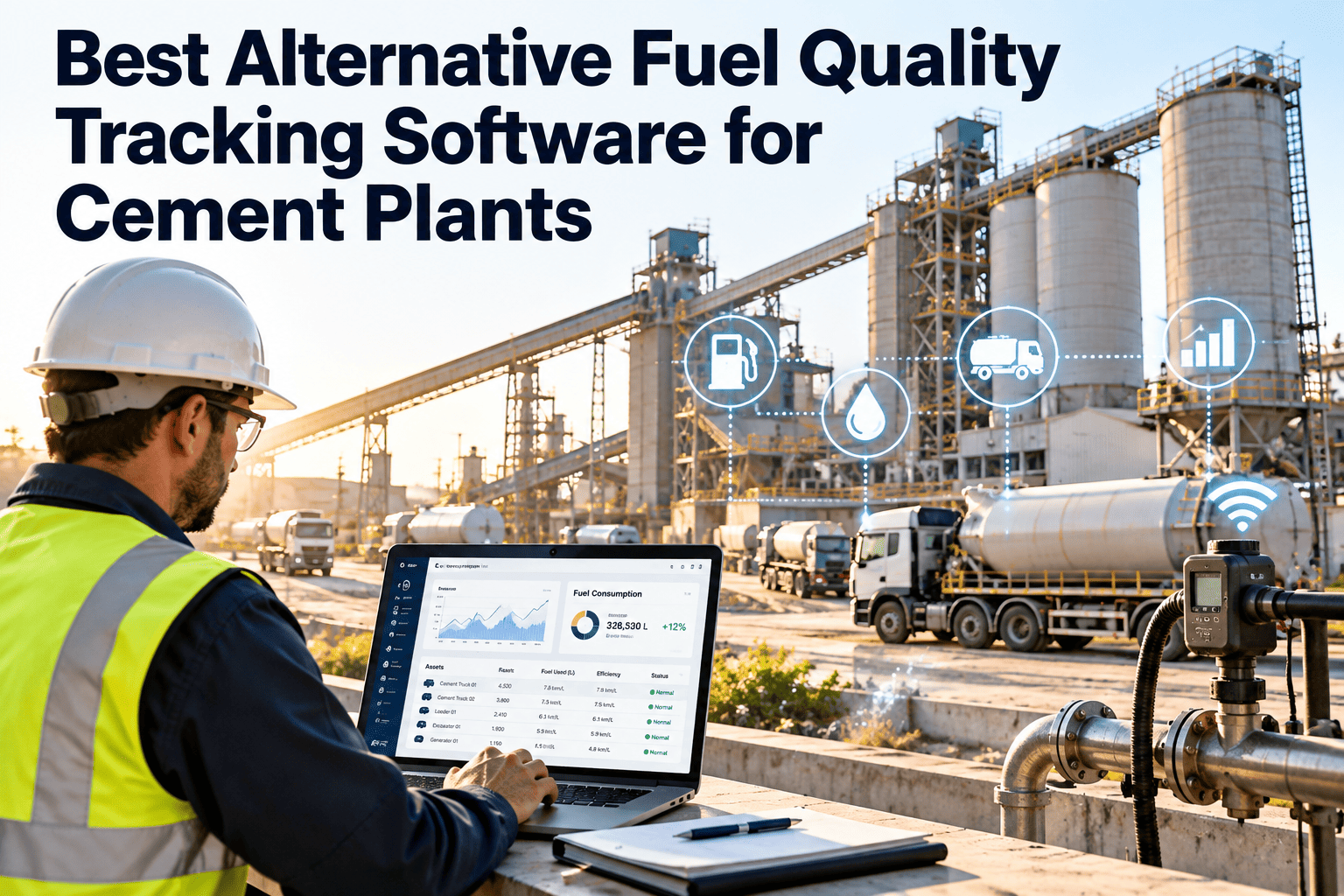
Best Alternative Fuel Quality Tracking Software for Cement Plants
Trace every AFR batch from receipt to kiln feed, link quality deviations to equipment condition, and turn findings into tracked maintenance actions.
Why Fuel Quality Variation Becomes a Maintenance Problem
Raising thermal substitution rate is a cost and carbon goal, but it also changes what the kiln, calciner and handling equipment experience every shift.
- Lab results per delivery or per lot
- Supplier compliance against specification
- Calorific value, moisture and chlorine trends
- Rejected or blended loads
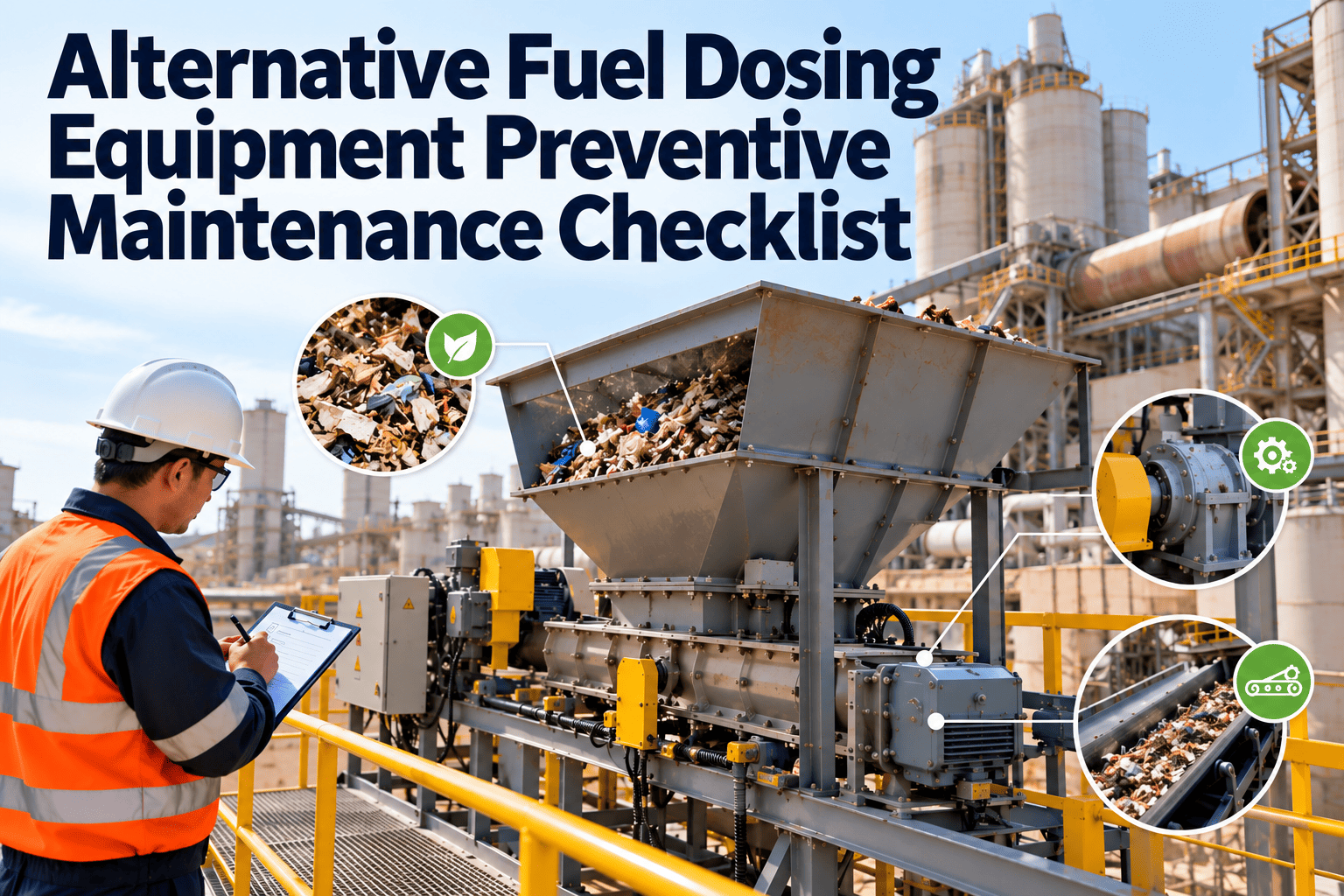
- Blocked chutes and feeders after a wet batch
- Rapid wear on shredders, screws and conveyors
- Buildup in the preheater and riser duct
- Burner tip damage and unstable flame
The two views rarely meet. Without a shared record, the connection between a specific batch and a specific equipment problem stays a guess.
Quality Parameters and Their Equipment Consequences
| Parameter | Why it matters | Equipment areas affected | Maintenance signal to record |
|---|---|---|---|
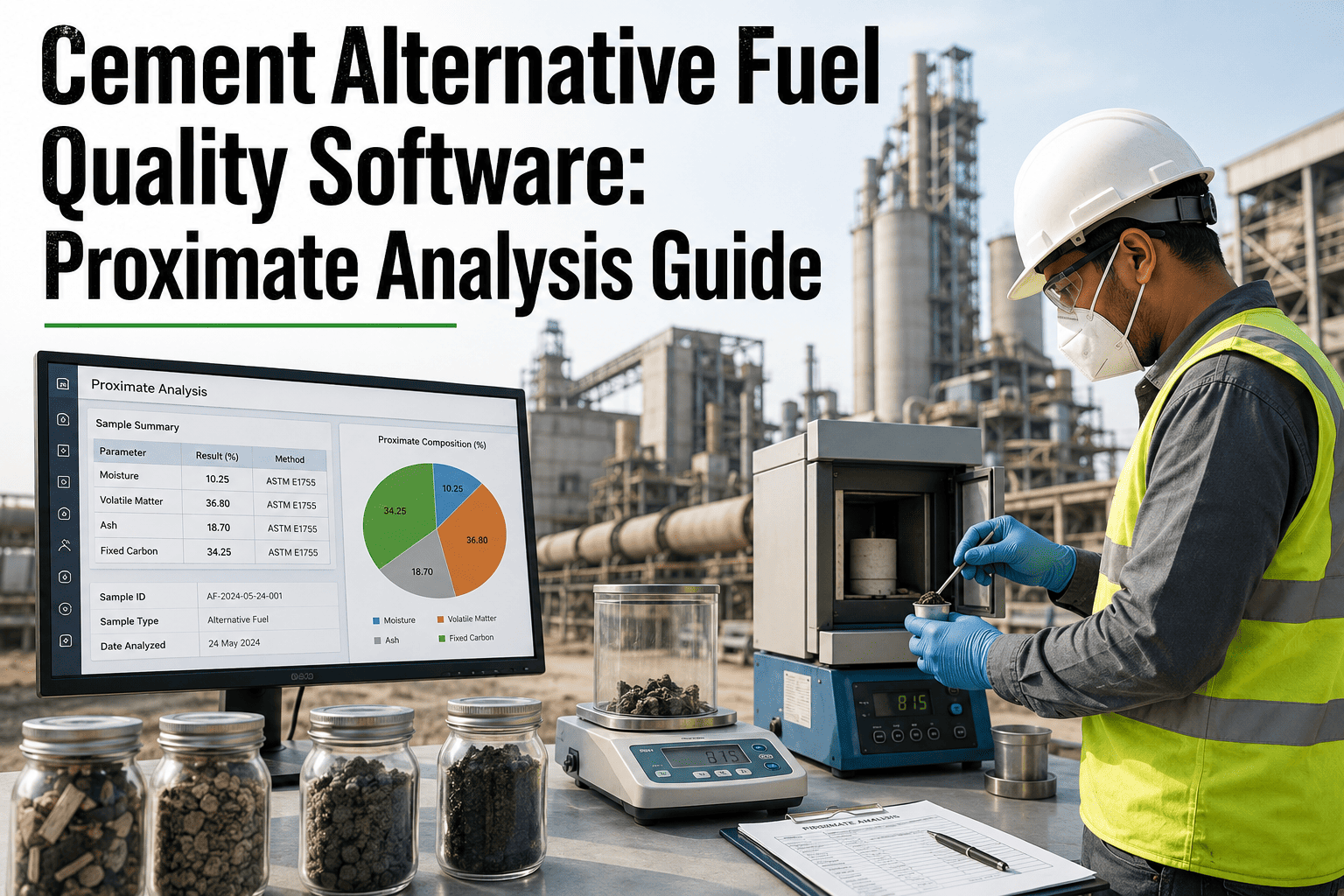
| Moisture | Lowers effective heat value and causes bridging and sticking | Bins, feeders, conveyors, chutes | Blockages, feeder trips, cleaning frequency |
| Calorific value | Drives burner and calciner stability | Burner, calciner, fans | Flame instability, temperature swings |
| Chlorine content | Promotes volatile cycles and buildup | Preheater cyclones, riser duct, bypass | Cyclone blockages, cleaning shots, bypass load |
| Ash content and composition | Affects clinker chemistry and kiln coating | Burning zone, refractory | Coating changes, brick condition |
| Particle size and foreign material | Determines feeding behaviour and combustion | Shredders, screens, airlocks, dosing systems | Jams, liner wear, metal contamination events |
| Bulk density | Influences dosing accuracy | Weigh feeders, rotary valves | Calibration drift, feeder overload |
Risk Matrix: Variability Against Equipment Sensitivity
A simple matrix helps teams decide which fuel parameters deserve tight tracking and which equipment needs extra inspection.
- Top right: act first. Examples include chlorine swings entering a preheater prone to buildup.
- Top left: manage with blending, screening and wear inspections.
- Bottom right: protect with tighter dosing and monitoring rounds.
- Bottom left: routine tracking and periodic review is enough.
Anatomy of a Traceable Batch Record
Where maintenance software fits
Laboratory and weighbridge systems remain the source for analytical results. Oxmaint focuses on the maintenance side: inspections, records, work orders and reporting. Data sources and integration scope should be confirmed with the Oxmaint team during a demo.
Connect Fuel Findings to Equipment Actions
See how inspection checklists, asset history and work orders can carry AFR-related observations from the floor to the reliability team.
The Batch-to-Repair Workflow
Manual Tracking Versus Connected Tracking
| Question | Spreadsheets and paper | Connected records |
|---|---|---|
| Which batch was on the feeder during the blockage? | Search logs across departments | Look up the feed period and linked work order |
| Is one supplier linked to more wear? | Unclear, needs manual analysis | Filter findings by supplier or fuel type |
| Were cleaning tasks completed? | Depends on shift handover | Work order status and checklist history |
| Can an auditor see the history? | Assembled on request | Timestamped records per asset |
Equipment That Deserves Extra Inspection When AFR Use Rises
Trends Behind Higher Thermal Substitution Rates
- Cement producers are raising the share of waste-derived and biomass fuels to reduce fossil fuel cost and lower net emissions, which makes fuel handling a core production system rather than a side process.
- Fuel streams are more diverse than a decade ago, with RDF, biomass residues, tyre-derived fuel, industrial waste, and sewage sludge often used together.
- Higher substitution levels tend to expose weaknesses in feeding, dosing and preheater cleaning, so small quality changes have larger effects.
- Sensors and online analysis are improving, but they still need a maintenance process that responds to what they find.
Four operational mistakes plants repeat
| Mistake | What happens | Better practice |
|---|---|---|
| Averaging quality over a month | Short spikes of chlorine or moisture are hidden | Record and review at batch level |
| Treating blockages as random | The same cleaning job repeats every week | Log each event with the batch and asset |
| Inspecting only kiln equipment | Wear at shredders and feeders goes unnoticed | Include the full fuel chain in inspection routes |
| Keeping quality and maintenance in separate files | No one can prove cause and effect | Use shared asset and batch references |
Signs your AFR tracking needs attention
- Blockage events are logged without the fuel period or dosing line involved.
- Wear part orders are placed only after a failure stops feeding.
- Quality and maintenance meetings use different reports for the same week.
- Nobody can quickly show which corrective actions were closed after a bad batch.
Compliance and Traceability Pressure
- Environmental permits for co-processing typically set expectations for accepted waste types, emissions monitoring and record keeping, and requirements vary by country and site.
- Customers and regulators increasingly ask plants to show how fuel changes relate to emissions and product quality.
- Safety records matter for fire prevention in storage areas, especially for high calorific and self-heating materials.
- Inspection and maintenance records provide evidence that handling and safety equipment is kept in working order.
What to record for audit readiness
- Fire detection and suppression inspections on storage areas
- Calibration status of weigh feeders and sampling equipment
- Corrective actions after any non-conforming batch event
- Training and competence records for operators handling alternative fuels
- Permit-related equipment checks with dates and responsible persons
A Day in the Life of a Tracked Batch
Questions this record lets you answer
- Do cyclone blockages cluster after specific suppliers or fuel types?
- Is wear on shredder knives higher with certain streams, and does it justify a shorter change interval?
- Which handling equipment causes the most lost feed time when AFR share rises?
- Are corrective actions after non-conforming batches completed and effective?
- Which spare parts should be stocked given the fuel mix now in use?
Fire and safety inspections deserve their own rhythm
Storage of waste-derived fuel carries fire risk from self-heating and foreign items. Inspections of detection, suppression, temperature checks and housekeeping should run on a defined schedule, with results recorded and open findings escalated as work orders.
- Daily visual check of storage areas and unloading zones
- Weekly test of detection and alarm points
- Periodic inspection of suppression equipment and access routes
- Immediate work order for any blocked exit or damaged safety device
Selecting AFR Quality Tracking Software: A Buyer Checklist
- Batch or lot level records, not just monthly averages
- Clear link between batch, storage, dosing line and feed period
- Configurable fields for plant-specific specifications
- Searchable history by supplier and fuel type
- Mobile inspections for handling equipment
- Work orders that reference the asset and the observation
- Preventive maintenance for wear-prone equipment
- Dashboards for downtime causes and repeat failures
Building the Business Case for Traceable AFR Maintenance
- Kiln feed interruptions and lost production time
- Extra cleaning crews and consumables
- Premature replacement of wear parts
- Overtime for emergency repairs
- Repeated investigations with no confirmed cause
- Fuel or supplier decisions made without equipment evidence
- Audit preparation time spent gathering records
- Knowledge lost when experienced staff move on
Data discipline that keeps records trustworthy
- Use one naming convention for fuel types, suppliers, storage locations and dosing lines
- Require a batch or lot reference on every related observation and work order
- Limit who can change specifications, thresholds and approved status
- Review data quality monthly and correct missing or inconsistent entries
- Keep photos and comments with the record so context is not lost
Rollout Timeline
Oxmaint Capabilities That Support AFR Handling Reliability
| Need | Oxmaint capability | Practical example |
|---|---|---|
| Know every asset in the fuel chain | Asset management with hierarchy | Bunker, walking floor, shredder, conveyor, weigh feeder and airlock recorded with history |
| Keep wear parts in service | Preventive maintenance scheduling | Knife inspections and liner checks scheduled by run hours or calendar |
| Capture floor observations | Mobile inspections and checklists | Operators log moisture, contamination and blockages with photos during rounds |
| Respond to findings | Work orders and corrective maintenance | A jammed chute becomes an assigned job with priority and due date |
| Avoid waiting for parts | Inventory management | Critical spares for feeders and shredders tracked with minimum levels |
| Show results to management | Dashboards and reporting | Downtime by equipment group and repeat failure counts |
Metrics to review each month
Working with suppliers using the evidence
Once findings sit next to batch and supplier references, conversations change from opinion to evidence. Plants can share documented contamination or moisture events, agree specification changes and review whether corrective steps worked. This also helps when deciding whether to add pre-screening, drying, or extra magnets on a given stream.
- Compare downtime and cleaning frequency across fuel types and periods.
- Document each escalation with dates, photos and completed work orders.
- Decide on investment in shredders, screens or metal detection using recorded failure costs and repeat events.
- Adjust PM intervals and spare parts stock when the fuel mix changes.
Signs the process is working
- Repeat blockages fall after supplier feedback and pre-screening changes
- Wear part orders are planned from recorded life instead of emergency failures
- Shift handovers reference the batch, the line and open work orders
- Quality and maintenance teams review the same monthly report
- Audit questions about handling equipment are answered from records in minutes
Common Questions
Make Every Fuel Batch Traceable to Equipment Impact
Bring AFR handling inspections, wear findings, work orders and reporting into one maintenance workspace and give your teams evidence, not opinions.