Cement Industry Environmental Permits and License Management

By Nicolas Robert Mitchell on March 13, 2026

cement-industry-environmental-permits-and-license-management

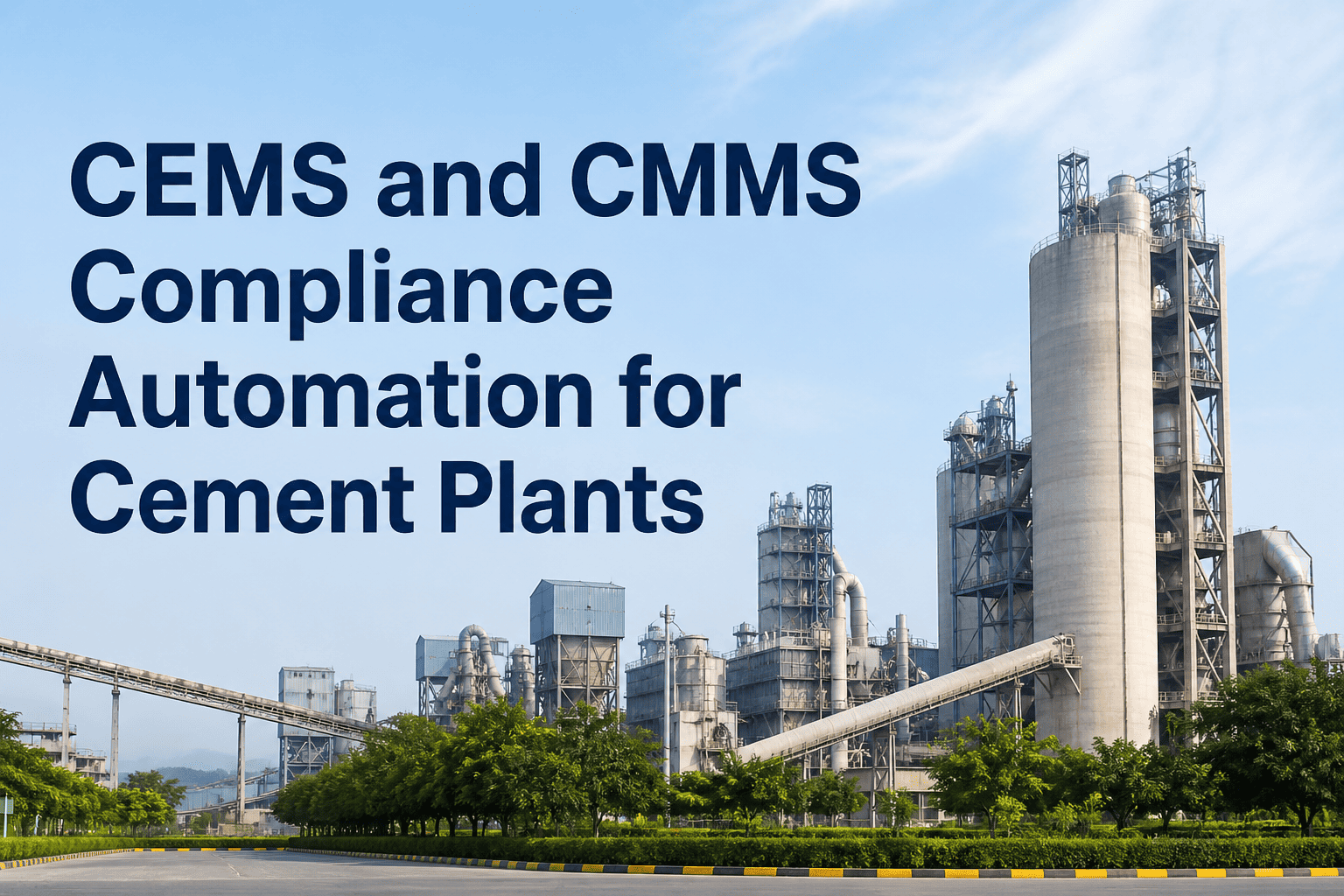
A single cement plant must manage 15 to 25 distinct regulatory frameworks simultaneously, with permit violations costing $25,000 to $50,000 per day and potentially triggering consent decrees reaching $10 million or more. The EPA's 2024 penalty adjustments increased maximum fines by 3.2%, with Clean Air Act violations for serious offenses now reaching $161,323 per willful incident. Yet research reveals that 36% of environmental violations remain profitable for companies even after paying fines, indicating enforcement gaps that regulators are aggressively working to close. Cement manufacturers face an extraordinary documentation burden: Title V operating permits require annual compliance certifications, CEMS systems demand continuous calibration records, and NPDES permits mandate quarterly sampling with five-year renewal cycles. Plants operating without comprehensive permit tracking systems risk not just financial penalties but production shutdowns that cost $50,000 to $150,000 daily. Forward-thinking facilities now sign up for digital compliance management that transforms audit scrambles into continuous, automated readiness, eliminating the regulatory risk that keeps environmental coordinators awake at night.

Cement Plant Compliance Reality Check Industry-wide regulatory burden assessment
15-25
Regulatory Frameworks Per Plant
$161K
Max Fine Per Willful Violation
36%
Violations Still Profitable
5 Yrs
Title V Permit Renewal Cycle

Core Environmental Permits for Cement Manufacturing

Cement plants operate at the intersection of heavy industry, mining, chemical processing, and energy production, creating a regulatory landscape unlike any other manufacturing sector. The Clean Air Act alone imposes multiple layers of compliance through Title V operating permits, National Emission Standards for Hazardous Air Pollutants (NESHAP), and New Source Performance Standards. Water discharge authorization under the National Pollutant Discharge Elimination System (NPDES) requires quarterly sampling and annual reporting, while stormwater permits demand documented Pollution Prevention Plans with regular inspections. Understanding this permit ecosystem represents the foundation for any effective compliance program. Plants seeking to streamline their permit management can schedule a compliance consultation to map their specific regulatory obligations into an automated tracking system.

Air Quality Permits
Title V Operating Permit
Renewal: 5 Years Annual Certification Required
Major source operating permit consolidating all applicable air requirements under Clean Air Act
NESHAP Certification (40 CFR 63 Subpart LLL)
Portland Cement MACT Continuous Monitoring
National emission standards for PM, mercury, THC, HCl, and dioxins/furans from cement kilns
Prevention of Significant Deterioration (PSD)
New/Modified Sources BACT Required
Pre-construction permit for major sources in attainment areas demonstrating best available control technology
Water Discharge Permits
NPDES Permit
Renewal: 5 Years Quarterly Sampling
National Pollutant Discharge Elimination System authorization for process water and cooling water discharge
Stormwater Permit (MSGP/IGP)
5-Year Term Annual Inspections
Multi-Sector General Permit or Individual General Permit for industrial stormwater runoff
SWPPP Documentation
Annual Review Update After Changes
Stormwater Pollution Prevention Plan documenting BMPs and inspection protocols
Waste Management
RCRA Hazardous Waste Generator ID
EPA ID Number Biennial Reporting
Resource Conservation and Recovery Act generator identification for large quantity generators
LDR Certifications
Land Disposal Restrictions Manifest Records
Land disposal restriction certifications with complete manifest documentation and disposal facility records

License Renewal Timelines and Documentation Requirements

Missing a permit renewal deadline doesn't just trigger fines; it can halt operations entirely until authorization is restored. Title V permits require submission of renewal applications at least 12 months before expiration, with annual compliance certifications due within 30 days of each anniversary. CEMS data must be maintained for three years minimum, while stack test reports require five-year retention with complete methodology documentation. The complexity multiplies when cement plants operate captive quarries subject to MSHA oversight, adding blasting permits, slope stability assessments, and progressive reclamation plans to the compliance portfolio. Environmental coordinators managing these timelines across spreadsheets face inevitable gaps that digital tracking systems demonstrated through a personalized demo can eliminate through automated alert chains and centralized document repositories.

Permit Lifecycle Management Calendar
Air Permits
Annual Compliance Cert
Q1 CEMS Report
Semi-Annual Monitoring
Q3 CEMS Report
5-Year Renewal
Water Permits
Q1 Sampling
Q2 Sampling
SWPPP Review
Q4 Sampling
5-Year Renewal
Waste/Safety
Monthly Inspections
Biennial RCRA Report
TRI Annual Report
Certification Renewal
Never Miss Another Permit Deadline
Automated alerts start 90 days before expiration. One-click audit package generation. Complete documentation trails for every certification.

Continuous Emission Monitoring System (CEMS) Compliance

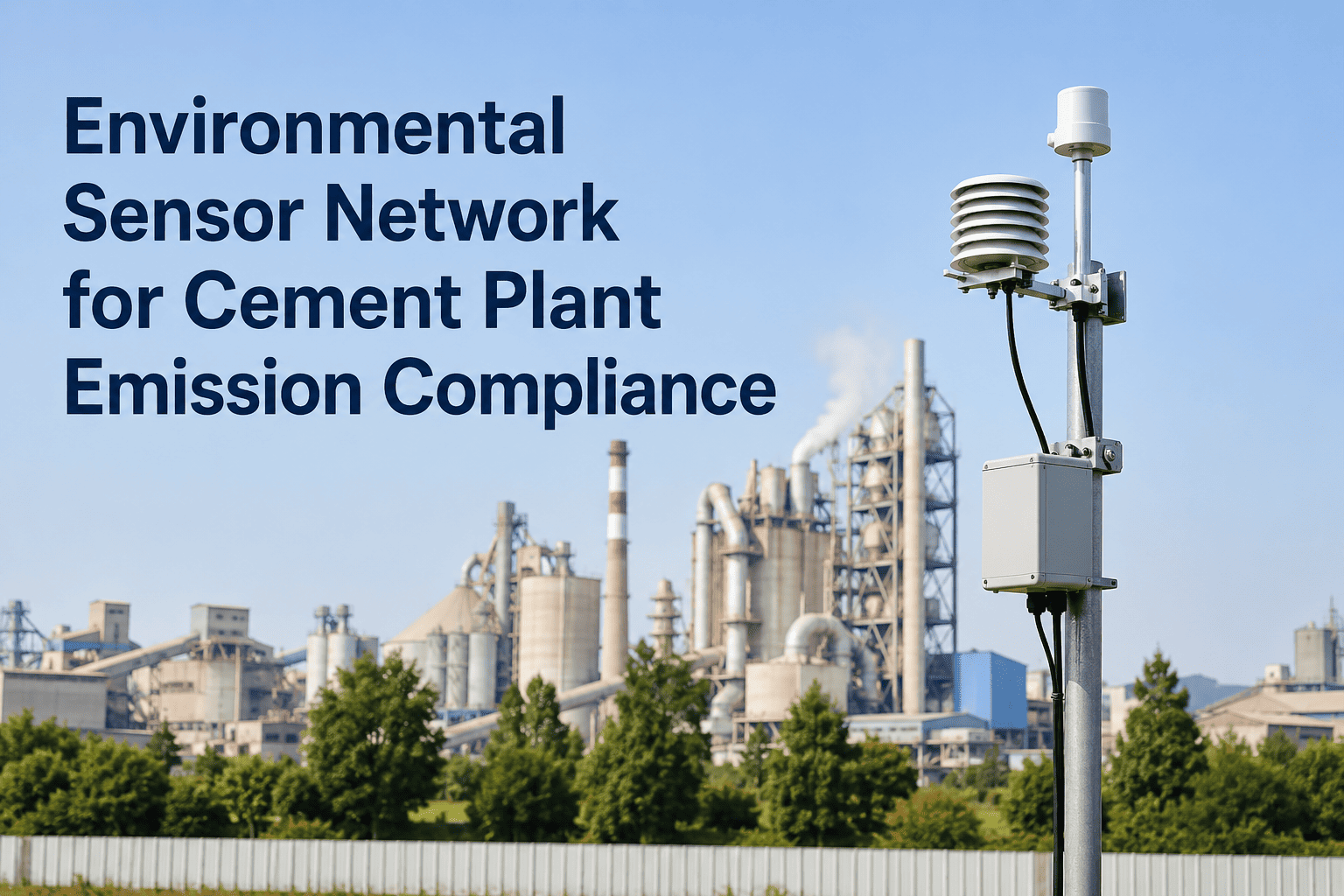
Portland cement kilns face among the most stringent continuous monitoring requirements in industrial manufacturing. CEMS must track particulate matter, mercury, total hydrocarbons (THC), and hydrogen chloride (HCl) emissions with calibration records maintained for quality assurance documentation. Operating limits tied to PM control device inlet temperatures and sorbent injection rates serve as continuous compliance demonstrations for dioxin and furan emissions. Performance tests using EPA reference methods establish baseline compliance, followed by ongoing CEMS data as the primary verification methodology. Cement plants invested an estimated $3.4 billion industry-wide to comply with Portland Cement MACT requirements, with significant additional costs for CISWI compliance at reclassified kilns. This monitoring burden makes automated data management essential for maintaining audit-ready documentation that withstands regulatory scrutiny, and plants can request a CEMS integration demo to see how digital systems streamline compliance reporting.

CEMS Documentation Requirements Matrix
Real-Time Monitoring
Particulate Matter (PM)
Mercury (Hg)
Total Hydrocarbons (THC)
Hydrogen Chloride (HCl)
Clinker Production Rate
Required Records
3 Years CEMS calibration data
5 Years Stack test reports
5 Years Deviation records
5 Years Malfunction reports
5 Years Corrective actions
Audit Readiness
QA/QC documentation
Maintenance logs
Training records
Previous inspections
Operating parameters

Carbon Compliance: EU ETS, CBAM, and Emerging Regulations

Global cement manufacturers face an evolving carbon regulatory landscape that adds complexity to traditional environmental permitting. The EU Emissions Trading System now requires 62% CO2 emission reductions from 2024 targets, while the Carbon Border Adjustment Mechanism (CBAM) imposes carbon pricing on cement imports to ensure competitive parity with European producers. UK carbon allowances dropped 12.4% in 2024 compared to 2023 levels, with continued reductions reaching 45% by 2027. Cement production generates approximately 50-60% of its CO2 emissions from limestone calcination chemistry alone, making decarbonization particularly challenging. Capital investments between $69 billion and $120 billion will be needed through 2050 for CCUS retrofits and alternative feedstock technologies. Plants navigating this transition benefit from integrated compliance tracking that connects emission monitoring with carbon reporting capabilities explored during demonstration.

Carbon Regulatory Timeline
2024
CBAM Reporting Phase
Quarterly emissions data collection EU methodology required from Jan 2025 Indirect emissions now included for cement
2025-26
Free Allowance Reduction
UK allowances: 45% reduction by 2027 EU free allocations continue declining Carbon pricing pressure intensifies
2030+
Decarbonization Mandates
CCUS retrofit requirements Alternative fuel mandates Net-zero compliance pathways

Digital Permit and License Management Systems

The transition from spreadsheet-based compliance tracking to integrated digital systems represents a fundamental shift in how cement plants manage regulatory obligations. Before implementing digital compliance management, one three-plant cement operation paid $340,000 in penalties and experienced a 22% insurance premium increase due to documentation failures across 14 different tracking spreadsheets. After deploying CMMS-integrated compliance modules, the same organization mapped 68 active permits and 340+ recurring inspection requirements into automated calendars with digitized checklists for 45 inspection types. The result was one-click audit package generation that produced all requested EPA documentation within 20 minutes compared to two-day manual assembly. Real-time Compliance Health Score dashboards now provide corporate leadership visibility into the compliance posture of every facility, transforming regulatory management from reactive firefighting to proactive risk mitigation.
Before Digital Compliance
Audit Document Retrieval 2+ Days
Tracking Systems 14 Spreadsheets
Annual Penalty Exposure $340,000
Insurance Premium Impact +22%
Compliance Visibility Person-Dependent
After Digital Implementation
Audit Document Retrieval 20 Minutes
Tracking Systems 1 Unified Platform
Annual Penalty Exposure $0 Target
Insurance Premium Impact Stabilized
Compliance Visibility Real-Time Dashboard
Transform Your Permit Management Today
Join cement operations worldwide using Oxmaint to automate permit tracking, eliminate compliance gaps, and achieve always-ready audit documentation across every regulatory framework.
No credit card required | 14-day free trial | Setup in under 30 minutes

Frequently Asked Questions

What environmental permits does a cement plant typically require?
Cement plants typically require Title V operating permits under the Clean Air Act, NESHAP certification (40 CFR 63 Subpart LLL) for Portland cement manufacturing, NPDES permits for water discharge, stormwater permits (MSGP or IGP), RCRA hazardous waste generator identification, and potentially MSHA permits for captive quarry operations. Most integrated plants manage 15-25 distinct regulatory frameworks simultaneously.
How often must Title V operating permits be renewed?
Title V operating permits require renewal every five years, with renewal applications due at least 12 months before expiration. Annual compliance certifications must be submitted within 30 days of each permit anniversary, documenting compliance status for all applicable requirements throughout the reporting period.
What are the penalties for environmental permit violations at cement plants?
EPA penalties for cement plant environmental violations range from $25,000 to $50,000 per day for permit violations, with OSHA serious violations reaching $16,131 each and willful violations costing $161,323 per incident. Major consent decrees for repeat violators can reach $10-50 million or more. Beyond fines, permit revocations can halt all operations.
What CEMS documentation must cement plants maintain?
Cement plants must maintain CEMS calibration records for a minimum of three years and stack test reports for five years. Required documentation includes quality assurance records, deviation and malfunction reports, corrective action documentation, operating parameter logs, maintenance records, and training documentation for all compliance personnel.
How does CBAM affect cement manufacturers?
The Carbon Border Adjustment Mechanism (CBAM) imposes carbon pricing on cement imports into the EU to ensure competitive parity with European producers meeting emissions standards. From January 2025, only the EU methodology can be used for reporting, and indirect GHG emissions from electricity and heat are now covered for cement products.
What records are needed for an EPA audit at a cement plant?
EPA audits require current operating permits with amendments, three years of CEMS calibration data, five years of stack test reports, deviation and malfunction records, maintenance logs for pollution control equipment, training documentation, previous inspection reports, and evidence of corrective actions taken. All documentation must be readily accessible with complete audit trails.
How can digital systems improve permit compliance management?
Digital compliance systems centralize all permits, licenses, and certifications with automated expiry tracking and alert chains starting 90 days before deadlines. They enable one-click audit package generation, maintain complete documentation trails, provide real-time compliance health dashboards, and eliminate the person-dependent knowledge gaps that cause compliance failures when key personnel are unavailable.

Share This Story, Choose Your Platform!