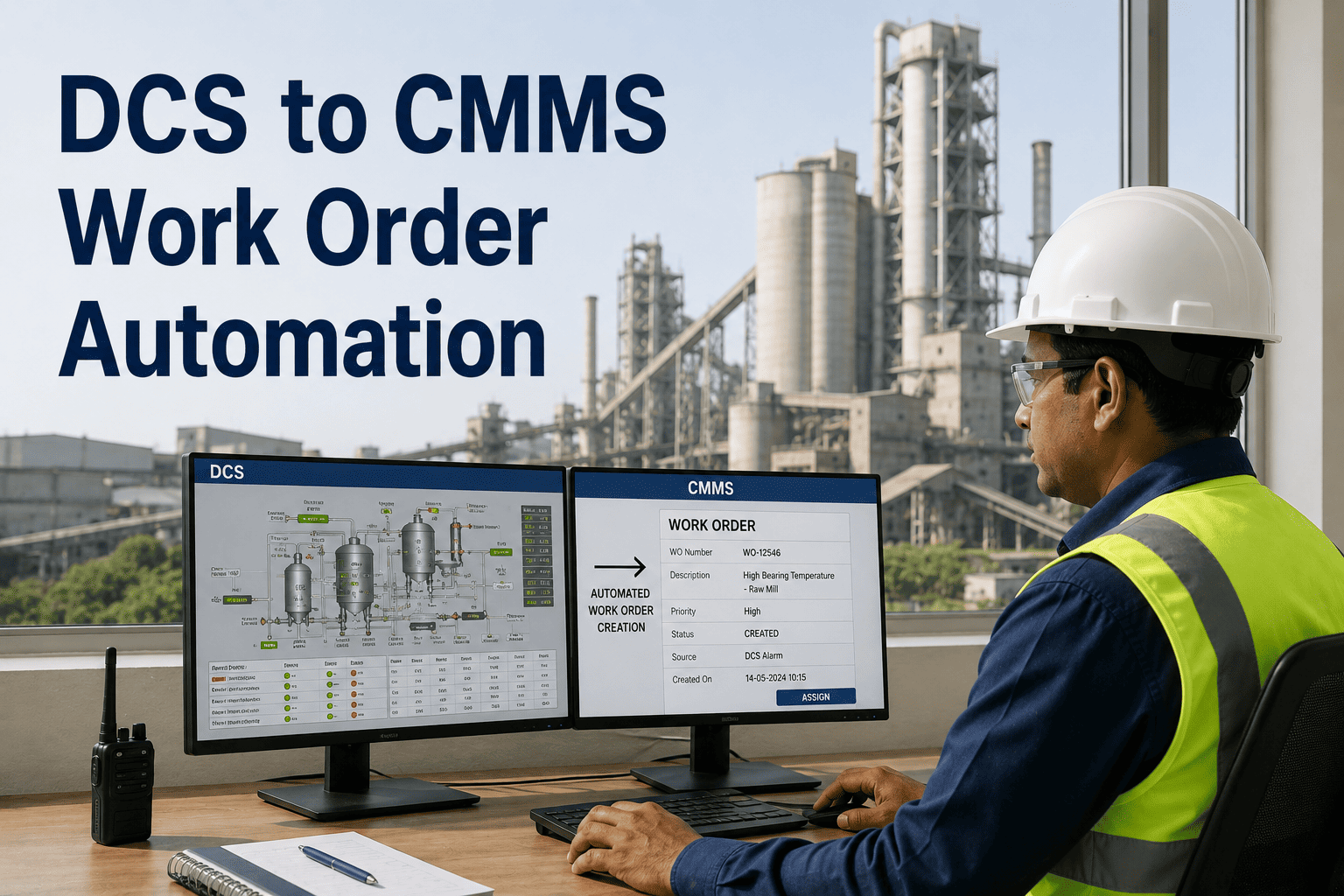
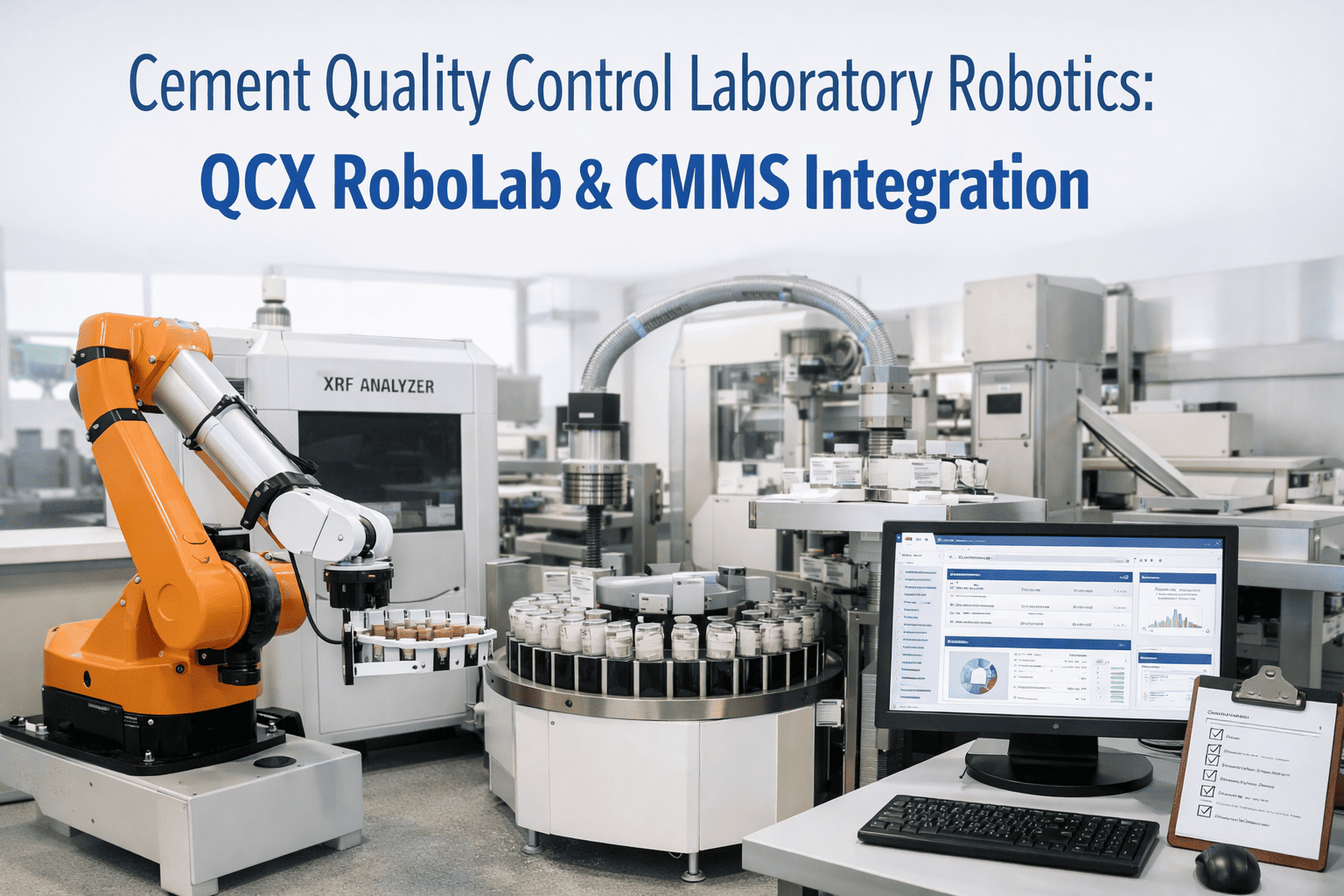
A cement plant in Turkey reduced their annual shutdown duration from 28 days to 19 days—a 32% improvement—by deploying robots for inspection, cleaning, and maintenance assistance during turnarounds. The shutdown maintenance planning traditionally required hundreds of contractors working around the clock in hazardous conditions. With robotic assistance coordinated through CMMS software, critical path activities moved faster while safety compliance incidents dropped to zero. The facility calculated $2.3 million in additional production value from the nine days recovered, plus $180,000 in reduced contractor costs. Sign up for Oxmaint to coordinate robotic shutdown assistance with your cement plant maintenance software.
Cement Plant Shutdown Robotics: Faster Turnarounds
Annual shutdowns represent the largest maintenance expense and production loss in cement operations. Robots accelerate critical path activities, eliminate confined space entry delays, and enable 24/7 progress while CMMS software coordinates hundreds of parallel work orders through work order automation.
Traditional vs. Robotic Shutdowns
Robotics transforms shutdown execution by removing bottlenecks that extend duration and create safety exposure. Book a demo to see how Oxmaint coordinates robotic shutdown workflows.
- Confined space entry delays—hours of safety prep per entry
- Limited visibility until equipment cools and vents
- Human fatigue limits 24/7 operation effectiveness
- Scope discovery during shutdown extends duration
- Safety incidents from hazardous work conditions
- Contractor coordination challenges multiply delays
- Immediate entry—robots inspect during cooldown phase
- Pre-shutdown assessment reveals full scope before start
- Robots work continuously without fatigue or shift changes
- No scope surprises—all issues identified in advance
- Zero confined space entries for routine inspection
- CMMS coordinates all resources through connected maintenance
Shutdown Phases with Robotic Assistance
Robots accelerate each phase of the shutdown cycle. Sign up for Oxmaint to manage phase transitions and work order flow.
Pre-Shutdown Assessment
Robots inspect all areas during operation, identifying maintenance scope before shutdown begins
Weeks -4 to -1Early Entry Inspection
Thermal-rated robots enter kilns and preheaters during cooldown, before human-safe temperatures
Days 1-3Maintenance Execution
Robots assist with cleaning, inspection verification, and heavy lifting alongside human crews
Days 4-16Completion Verification
Final inspection before startup confirms all work complete, documenting condition for baseline
Days 17-19Shutdown Robot Systems
Purpose-built robots for cement industry robotics 2026 shutdown applications address specific turnaround bottlenecks while integrating with maintenance workflow automation.
Kiln Inspection Crawlers
Early entry during cooldownThermal-shielded robots enter kilns at 300°C—days before human-safe entry—inspecting refractory condition and documenting repair scope.
- Refractory thickness measurement
- Hot spot identification and mapping
- Ring formation assessment
- Shell condition documentation
Mill Interior Drones
Confined space eliminationUAVs inspect ball mill and vertical roller mill interiors, eliminating confined space entry for routine assessment while capturing 3D wear data.
- Liner wear measurement
- Media distribution analysis
- Structural integrity verification
- Pre/post maintenance comparison
Cleaning Robots
24/7 continuous operationAutomated cleaning systems work through nights and shift changes, removing buildup from cyclones, ducts, and coolers without human fatigue limits.
- Cyclone and duct cleaning
- Cooler grate clearing
- Preheater buildup removal
- Fan and damper cleaning
Coordinate Robotic Shutdowns with Oxmaint
CMMS integration ensures robot findings generate work orders and resources are ready when needed.
CMMS Shutdown Workflow
Oxmaint coordinates robot data, work orders, and resource scheduling through a unified shutdown maintenance planning workflow that keeps turnarounds on schedule.
Integrated Shutdown Management
Pre-Shutdown Scope Lock
Robot inspection data confirms all maintenance items, parts ordered, contractors scheduled, no surprises during execution
Critical Path Optimization
CMMS sequences work orders to minimize duration—robot tasks that enable human work scheduled first
Real-Time Progress Tracking
Mobile work order updates show completion status across all activities, highlighting delays for immediate response
Completion Documentation
Robot verification inspections confirm work complete, photos and measurements archived for next shutdown planning
Turnaround Time Savings
Each day saved in shutdown duration represents significant value—both in production recovered and costs avoided. Industrial robotics 2026 delivers measurable improvement.
Implementation Checklist
Frequently Asked Questions
Accelerate Your Next Shutdown with Robotics
Every day saved represents hundreds of thousands in production value. Oxmaint coordinates robotic assistance with work order automation to deliver faster, safer turnarounds.