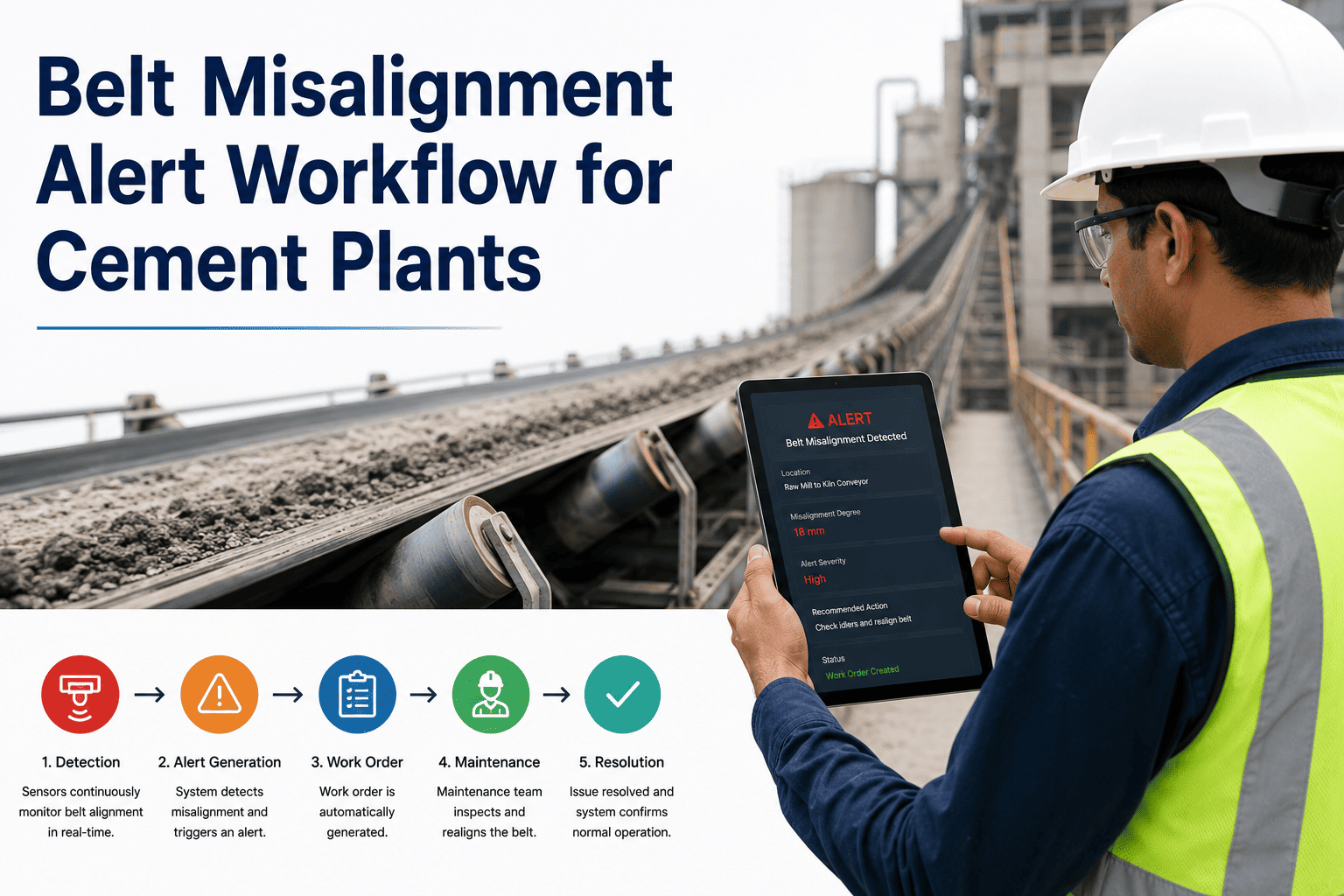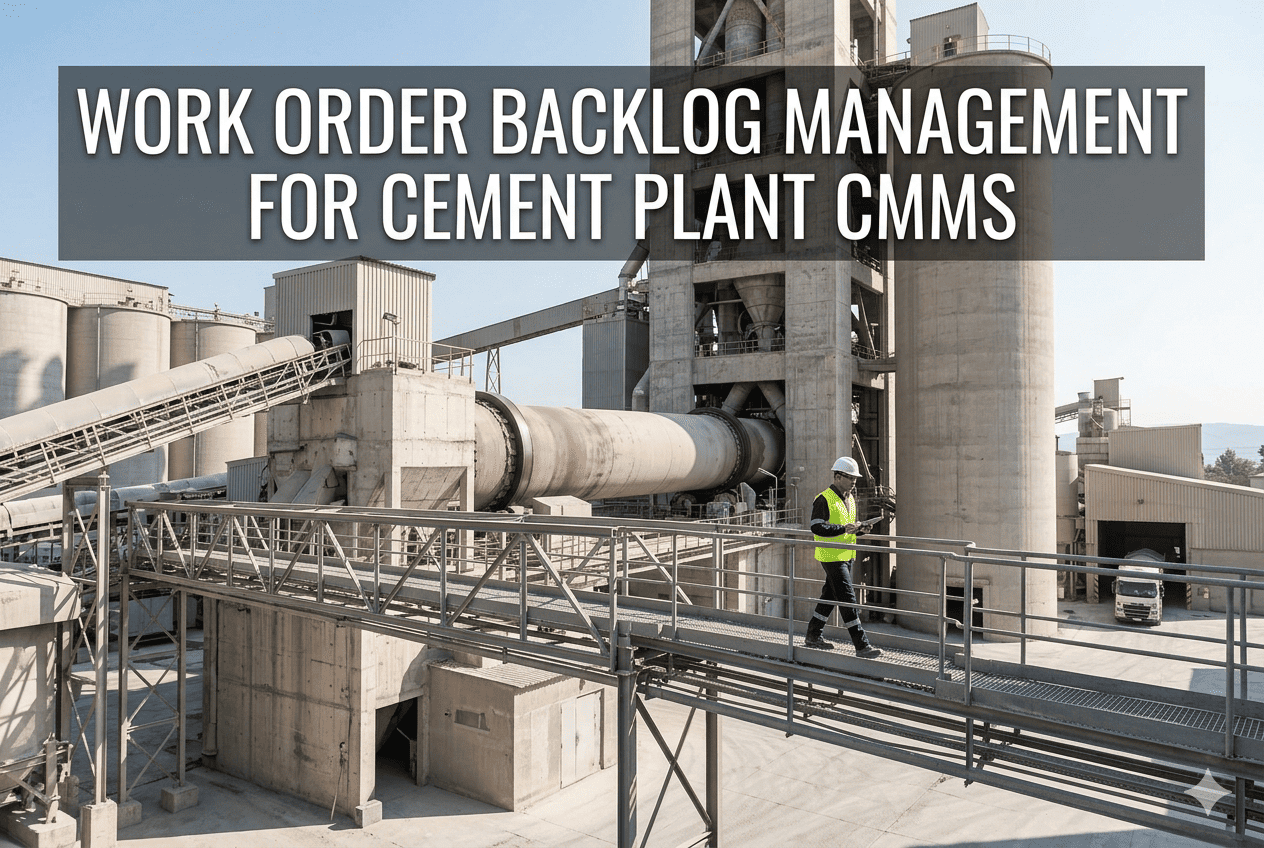
A maintenance request scribbled on paper at 2 AM, a verbal handoff to the next shift, a part pulled from inventory with no record — this is still how most cement plants run work orders, and it is why 55% of maintenance budgets at conventional plants get consumed by reactive emergency work instead of planned repairs. A digital work order system closes that gap by tracking every request from creation to closure with parts, approvals, and evidence attached. See it running on your own asset list with a free 30-minute walkthrough.
Maintenance Work Order Software Built for Cement Plant Operations
From a crusher hammer request to a kiln drive shutdown, OxMaint moves every work order through request, approval, assignment, parts, and closure — with full evidence attached, on the floor or from the office.
What Breaks Down Without a Real Work Order System
Requests Get Lost Between Shifts
A defect spotted by a night-shift operator never reaches the morning planner because it lived in a logbook nobody read before the planning meeting started.
Approvals Stall Without Visibility
A work order sits waiting for budget sign-off with no one aware it is stuck, while the part it covers continues to degrade toward failure.
Parts Get Pulled With No Record
A bearing comes off the shelf for an emergency repair and the inventory count is never updated, so the next planned job discovers the shortage mid-repair.
Closure Has No Evidence
A work order is marked complete with no photo, no checklist, and no technician note — leaving auditors and reliability engineers nothing to verify against.
The OxMaint Work Order Lifecycle
Request
Logged from mobile, QR scan, or desk in under a minute
Approve
Routed to the right approver with budget and priority visible
Assign
Matched to the technician with the right skill and availability
Parts
Inventory reserved and deducted automatically on use
Close
Photo, checklist, and time logged before the ticket can shut
Run Your First Work Order in Under 10 Minutes
OxMaint sets up your asset list, technician roster, and approval chain in a single onboarding session.
What Plant Managers Track Once Work Orders Go Digital
per asset class, by priority level, tracked automatically
real-time ratio replacing month-end guesswork
tied to each work order, not a separate spreadsheet
open tickets per technician, visible before assigning more
A 5000 TPD cement plant running a single kiln line and two ball mills was spending the majority of its maintenance budget on reactive repairs before moving to digital work orders. Twelve months after full deployment, unplanned downtime fell by 45%, planned maintenance compliance reached 91%, and documented annual savings reached roughly $1.9 million.
Frequently Asked Questions
Yes. OxMaint's mobile interface lets technicians log requests, accept assignments, attach photos, and close tickets directly from the floor, even in low-connectivity zones common around kilns and mills. Updates sync automatically once a connection is available. Sign up free to test this on your own device.
Approval routing is configurable by cost threshold, asset criticality, or department, so a routine belt repair clears instantly while a kiln drive replacement routes to the right budget holder automatically. Every approval step is timestamped and visible to the requester, removing the blind spot where tickets stall unnoticed. Book a demo to map this to your own approval structure.
Yes, parts reserved or consumed against a work order are deducted from inventory in real time, so the next planner sees an accurate stock count instead of discovering a shortage mid-repair. Reorder points can be set per part to trigger purchase requests before stock runs out.
Closure requirements are configurable per asset type, typically including a completion photo, a checklist of inspection points, technician notes, and logged labor time. This evidence becomes the audit trail reliability engineers and compliance reviewers rely on, removing the gap left by verbal close-outs.
Existing work order records can be imported during onboarding, preserving asset history and failure patterns rather than starting tracking from zero. Most plants complete this import alongside their first onboarding session and have historical reports available within the first week. Start your free trial to begin the import.
Give Every Maintenance Request a Place to Live
OxMaint replaces paper logs and scattered messages with a single work order system that tracks requests, approvals, parts, and closure evidence from one screen to the next.