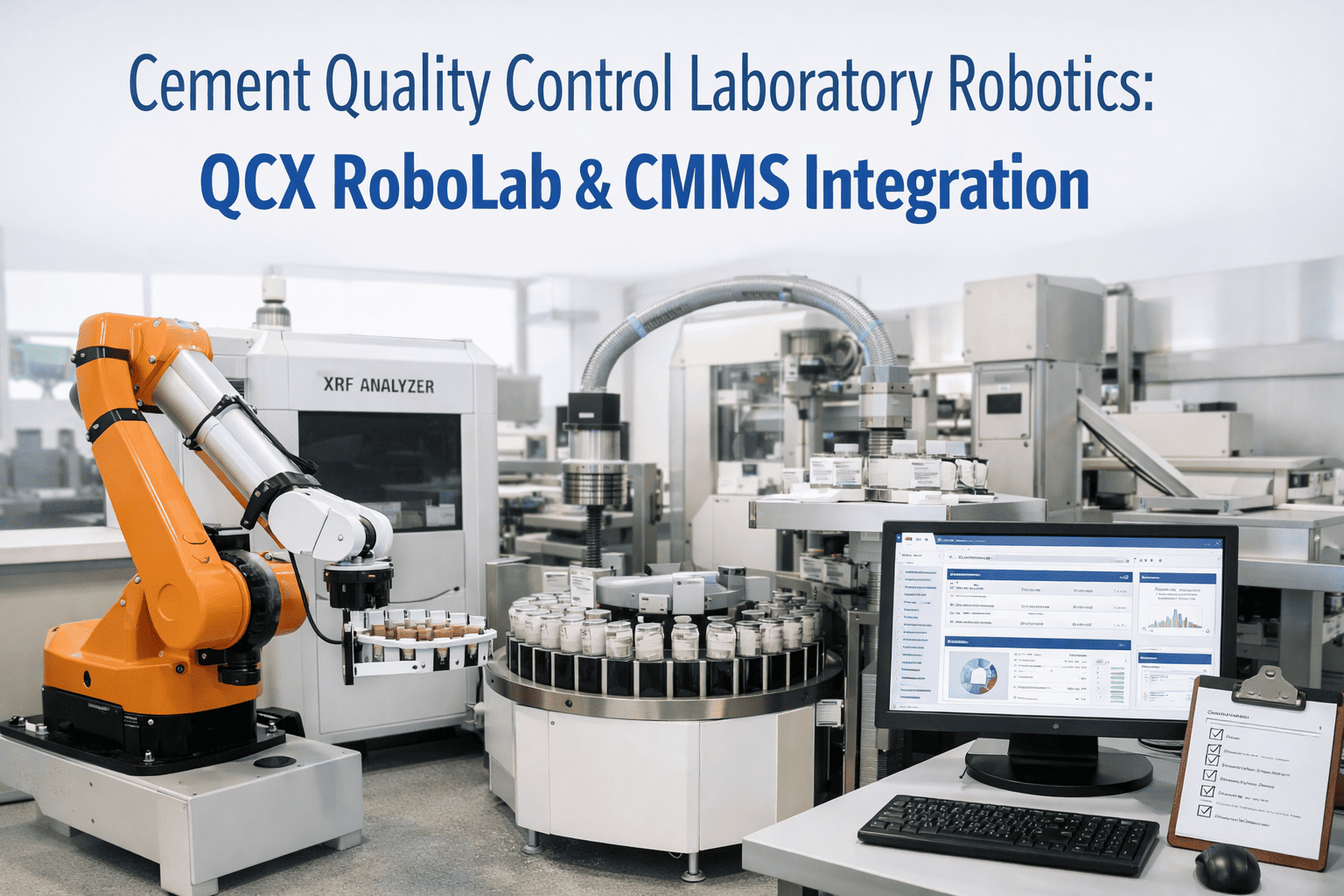
A cement plant in Texas faced a critical challenge: their annual kiln shutdown consumed 14 days—costing $180,000 per day in lost production. Manual inspection of the 450-foot rotating kiln required scaffolding, confined space permits, and teams working in residual heat exceeding 150°F. After deploying robotic inspection systems integrated with Oxmaint CMMS by Sign Up, the same inspection scope completed in 6 days—with higher-quality thermal imaging that identified refractory wear patterns invisible to visual inspection. The 8-day reduction recovered $1.44 million annually while improving safety and inspection accuracy.
Cement kiln inspection presents extreme challenges: temperatures that remain dangerously hot even during shutdowns, confined spaces requiring extensive safety protocols, and the massive scale of equipment spanning hundreds of feet. Robotic inspection systems designed for these conditions can enter kilns faster, capture comprehensive data, and integrate findings directly with maintenance planning systems. This guide covers the best robotic kiln inspection solutions for cement plants in 2026, including capabilities, shutdown integration, and CMMS-driven maintenance workflows. Book a demo to see how Oxmaint manages shutdown maintenance planning.
Best Robotic Kiln Inspection Solutions for Cement Plants 2026
Autonomous robots that inspect kilns faster, safer, and more thoroughly—cutting shutdown times while improving refractory condition assessment.
Kiln Inspection Challenges in Cement Plants
Traditional manual kiln inspections face significant limitations that robotic systems address directly.
Extreme Residual Heat
Kilns retain dangerous heat for days after shutdown. Manual entry requires extended cool-down periods that extend shutdown duration.
Confined Space Hazards
Kiln interiors are permit-required confined spaces. Entry protocols, rescue teams, and safety equipment add days to inspection schedules.
Massive Scale
Cement kilns span 300-500 feet with diameters of 12-20 feet. Comprehensive manual inspection of this scale takes days.
Limited Visibility
Dust, residual heat shimmer, and lighting challenges make visual inspection unreliable. Critical refractory wear may go undetected.
Kiln Inspection Zones
Different kiln zones require specific inspection focus. Robotic systems can be programmed to prioritize high-wear areas while still providing comprehensive coverage.
Burning Zone
Highest temperature zone where clinker forms. Refractory experiences maximum thermal stress and chemical attack.
Transition Zone
Area between calcining and burning zones. Thermal cycling creates stress cracks and spalling.
Calcining Zone
Raw material calcination occurs here. Chemical attack from alkalis and sulfur compounds.
Preheating Zone
Lower temperature zone where raw material preheats. Less refractory stress but still requires monitoring.
Plan Kiln Shutdowns with Precision
Oxmaint manages shutdown maintenance planning—coordinating inspection robots, maintenance crews, and parts procurement for minimal downtime.
Top Kiln Inspection Robots 2026
These robotic systems are designed or adapted for cement kiln inspection, handling extreme temperatures and confined space navigation. Integrate inspection data with Oxmaint by Signing Up.
Gecko Robotics TOKA
Wall-climbing inspection platformMagnetic wall-climbing robot designed for industrial vessel inspection. Carries ultrasonic thickness gauges and thermal cameras for comprehensive refractory assessment.
Inuktun Versatrax
Modular crawler platformTracked crawler robot with high-temperature options. Modular design allows configuration for specific inspection requirements.
Flyability Elios 3
Confined space droneCollision-tolerant drone for confined space inspection. LIDAR mapping combined with thermal and visual imaging.
ANYbotics ANYmal
Quadruped inspection robotLegged robot for traversing debris and uneven surfaces inside kilns. Thermal imaging payload for refractory assessment.
Shutdown Integration Workflow
Robotic kiln inspection integrates with Oxmaint shutdown management by Sign Up to minimize downtime and coordinate maintenance activities.
Pre-Shutdown Planning
- Define inspection scope in Oxmaint
- Schedule robot deployment
- Pre-position parts based on historical data
- Assign maintenance crews
Early Entry Inspection
- Robot enters kiln at higher temperatures
- Thermal imaging while still warm
- Real-time data to CMMS
- Initial findings within hours
Detailed Assessment
- UT thickness measurements
- Refractory condition mapping
- Defect identification and sizing
- Work orders auto-generated
Maintenance Execution
- Prioritized repair work orders
- Crew assignments from Oxmaint
- Parts issued from pre-positioned stock
- Progress tracked in real-time
Verification & Startup
- Robot verification of repairs
- Baseline documentation for next shutdown
- Shutdown report auto-generated
- Kiln cleared for startup
Reduce Shutdown Duration by 50%
Oxmaint coordinates robotic inspection with maintenance execution—turning inspection data into completed repairs faster.
Implementation Considerations
Successfully deploying robotic kiln inspection requires addressing these factors.
Temperature Management
Different robots have different temperature limits. Plan inspection sequence to match robot capabilities with kiln cool-down curve—robots with higher temp ratings enter first.
Data Integration
Establish data pipeline from robot to CMMS before shutdown. Test integration with historical data to ensure work orders generate correctly from inspection findings.
Crew Training
Train maintenance planners on interpreting robot data. Thermal images and UT thickness maps require different skills than traditional visual inspection reports.
Baseline Documentation
First robotic inspection establishes baseline. Subsequent inspections can track degradation rates for predictive maintenance planning between shutdowns.
Frequently Asked Questions
Transform Your Kiln Shutdown Process
Join cement plants using Oxmaint to integrate robotic inspection with shutdown management for faster turnarounds and better maintenance outcomes.