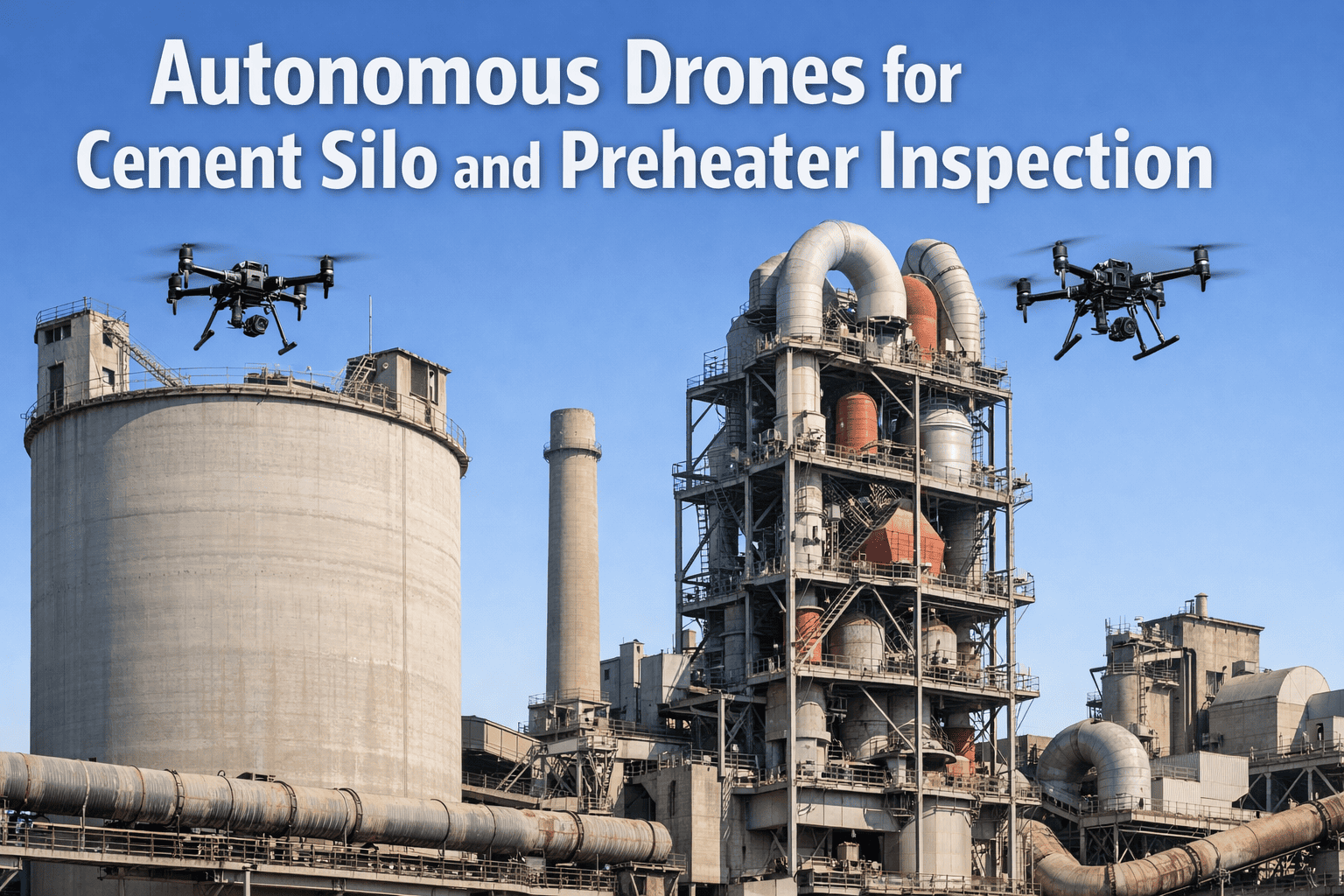
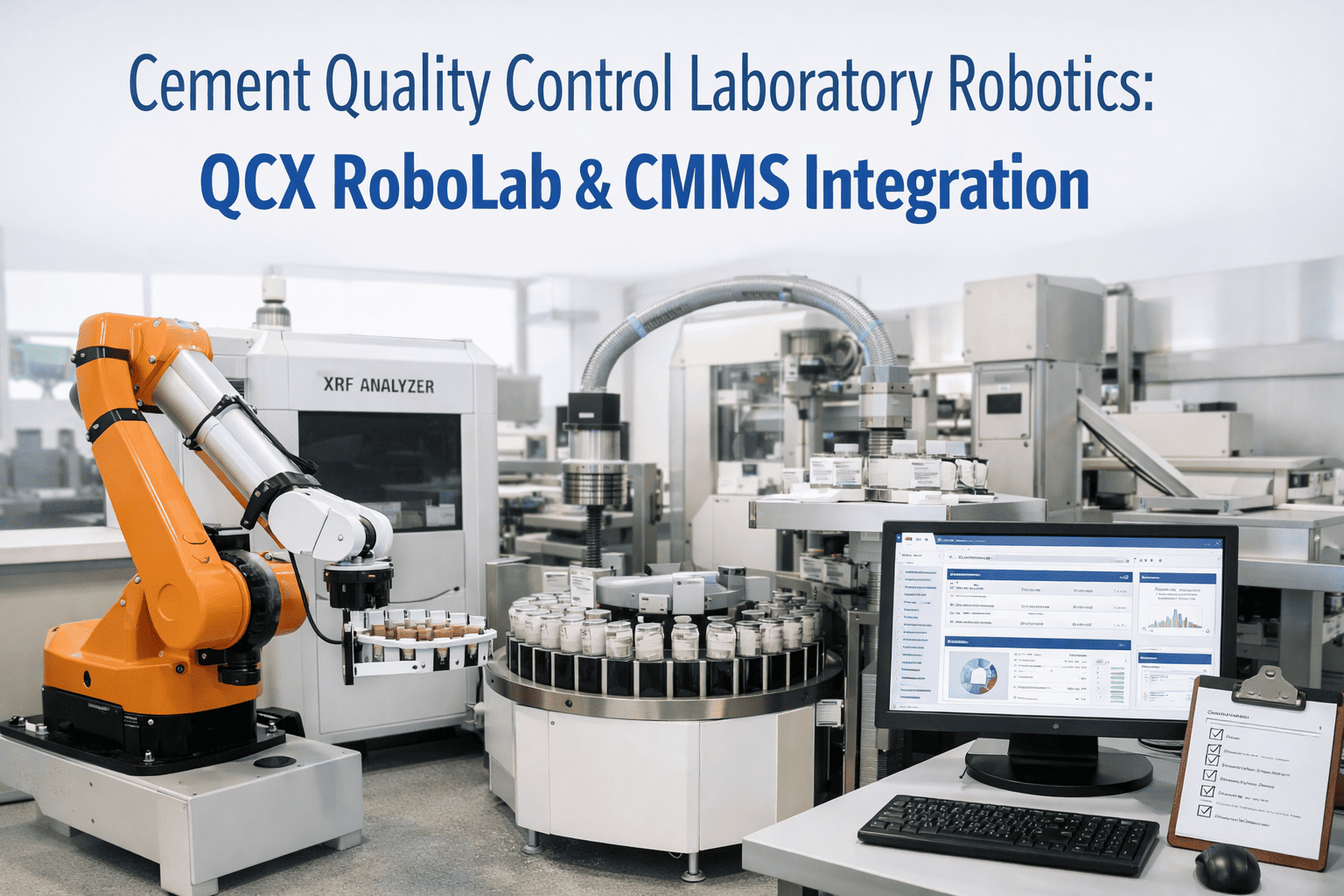
Cement plant equipment inspections that require confined space entry, scaffolding, or kiln cooldown cost between $18,000 and $85,000 per event in access preparation, lost production, and technician safety risk. Robotic inspection systems — thermal crawlers inside kilns, autonomous drones over preheater towers, and quadruped robots in clinker silos — deliver the same inspection data for $2,400 per event with zero confined space entry and full AI defect detection integrated directly into the CMMS asset record. Book a demo to see how Oxmaint integrates robotic inspection data directly into cement plant asset condition records and shutdown planning workflows.
Robotic Inspection Regulatory Frameworks for Cement Plants by Region
Robotic inspection must align with regional drone operation, confined space, and equipment inspection frameworks. Oxmaint integrates robotic outputs into asset condition records across all frameworks below.
| Region | Relevant Frameworks | Oxmaint Robotic Coverage |
|---|---|---|
| USA | OSHA 29 CFR 1910.146 confined space avoidance, FAA Part 107 drone operation, MSHA remote inspection directives | Drone flight log integration, inspection records, AI defect reports linked to asset history |
| UAE | GCAA RPAS drone regulations, OSHAD-SF remote inspection standards, Ministry of Industry smart inspection mandates | RPAS compliance logging, remote inspection audit trails, AI defect records per asset |
| India | DGCA RPAS regulations, Factories Act 1948 remote inspection equivalency, DGMS confined space avoidance | DGCA-compliant flight records, inspection equivalency documentation, AI condition scoring |
| Germany | LBA drone regulations, BetrSichV remote inspection equivalency, DIN EN ISO 23247, TUV robotic certification | TUV-aligned records, ISO 23247 digital twin integration, AI defect archive per equipment |
| UK | CAA drone regulations, PUWER 1998 remote inspection equivalency, HSE confined space avoidance | CAA-compliant flight logs, PUWER inspection records, AI defect reports to CMMS |
| Canada | TC drone regulations, CSA Z1000 remote inspection integration, Provincial OHS confined space avoidance | TC-compliant drone records, CSA Z1000-aligned condition reports, multi-site dashboards |
Connect Robotic Inspection Data to Your Cement Plant Asset Records
Oxmaint links thermal crawler findings, drone images, and AI defect scores to CMMS records — every robotic inspection updates shutdown scope and capital forecasts. Book a demo to see robotic integration against your plant's equipment.
Four Robot Types Transforming Cement Inspection in 2026
Each system below addresses a specific access challenge that traditional methods solve through scaffolding, confined space entry, or kiln cooldown. Book a demo to see how each robot type integrates with Oxmaint's asset condition records.
Thermal Crawlers for Rotary Kiln Shell
AI identifies hotspots exceeding 280°C. Findings scored per refractory zone. Progression tracked to predict breakthrough 4 to 6 weeks before emergency stop.
Autonomous Drones for Clinker Silos
AI analyses drone imagery for cracks and wall degradation. Findings GPS-tagged and linked to the silo asset record. Severity scoring triggers PM work orders or shutdown scope inclusion.
Inspection Drones for Preheater Cyclone Towers
Refractory condition scored per stage from drone thermal imaging. Dip tube wear assessed against replacement threshold. Temperature records predict lining failure before breakthrough events.
Quadruped Robots for Clinker Cooler and Conveyor
Grate wear logged per cooler section each cycle. Belt condition scored by AI. Bearing temperature compared to baseline. Wear acceleration patterns identified across kiln campaign boundaries.
Four Inspection Gaps Robotic Systems Close
How Oxmaint Integrates Robotic Inspection into Maintenance Workflows
Book a demo to see robotic inspection integration for your cement plant equipment.
Oxmaint Robotic Inspection Platform Modules
Book a demo to see each module for your plant.
Traditional Inspection versus Robotic Inspection with Oxmaint
Read how robotic inspection addresses the cement plant workforce skills shortage by eliminating high-risk confined space tasks from technician workloads.
| Performance Factor | With Robotic Inspection | Traditional Inspection |
|---|---|---|
| Inspection Cost Per Event | $2,400 to $6,800 per robotic cycle. No scaffolding, no confined space prep, no kiln cooldown required. | $18,000 to $85,000 per manual event. Scaffolding and access permits account for 60 to 75% of total cost. |
| Annual Inspection Frequency | 8 to 12 inspections per year at equivalent cost to one traditional event. Defect progression tracked continuously. | 1 to 2 inspections per year maximum. 6 to 12 month gap allows defects to progress to failure-critical unseen. |
| Shutdown Scope Accuracy | Scope overruns reduced from 35 to 60% to under 12%. Robotic data updates shutdown work pack within 30 days of outage. | 35 to 60% scope overruns from deterioration found after kiln cools. Emergency scope adds 2.4 days at $500,000 per additional day. |
| Technician Safety and Data Quality | 87% reduction in confined space incidents. AI defect data and GPS findings update CMMS records automatically with no manual transcription. | Every inspection requires confined space entry or height work. PDF reports require manual CMMS transcription — often incomplete. |
Robotic Inspection: Performance Benchmarks
Robotic Inspection ROI at a Glance
Frequently Asked Questions: Robotic Inspection for Cement Plants
QWhich cement plant assets benefit most from robotic inspection?
QDoes robotic inspection satisfy regulatory inspection requirements?
QHow quickly can robotic inspection be deployed at a cement plant?
QHow does robotic inspection data connect to shutdown planning?
Continue Reading: Cement Plant Robotic Inspection Resources
Cement Industry 4.0: Smart Plant Maintenance Trends 2026
One of 8 smart technologies transforming cement maintenance in 2026. Explore how drones, AI, and digital twins combine for full Industry 4.0 capability at integrated plants.
Click Here to Read MoreAI-Powered Cement Plant Maintenance
AI makes robotic inspection actionable — classifying defects from drone thermal data and triggering maintenance responses.
Click Here to Read MoreCement Plant Workforce Crisis and Knowledge Retention
Robotic inspection eliminates confined space entry and working-at-height — the highest-risk tasks in the cement industry.
Click Here to Read MoreAugmented Reality for Cement Plant Maintenance
Robots detect defects while AR delivers guided repair procedures at the defect location, connected through Oxmaint into one corrective workflow.
Click Here to Read MoreStart Deploying Robotic Inspection at Your Cement Plant
Oxmaint integrates drone, crawler, and robot data into asset records within 30 to 60 days — no production shutdown required. Book a demo and see robotic inspection feeding into your shutdown planning and CapEx workflows.