DOT compliance violations cost delivery fleets an average of $16,000 per out-of-service vehicle per day — and a single failed roadside inspection can put a commercial vehicle out of service immediately, stranding drivers, missing deliveries, and triggering FMCSA scrutiny that follows your safety rating for years. Most courier and delivery fleets aren't non-compliant because they don't care about safety — they're non-compliant because their inspection records, DVIR logs, and maintenance histories live in disconnected binders, outdated spreadsheets, and email threads that nobody can find during an audit. OxMaint's DOT compliance software gives delivery fleet operators a single, audit-ready system for tracking inspections, repair histories, driver vehicle inspection reports, and maintenance checklists — so when a DOT officer walks in or a roadside inspection happens, your records are complete, current, and exportable in minutes. Learn how courier fleets are eliminating compliance exposure by visiting app.oxmaint.ai or booking a compliance demo with our fleet safety specialists.
DOT Compliance · DVIR Software · Fleet Audit Records
Your Next DOT Audit Shouldn't Be a Surprise.
OxMaint keeps every inspection record, DVIR, repair log, and compliance checklist in one place — automatically organized, always current, and ready to export the moment an auditor asks. No more scrambling. No more gaps.
$16,000
Daily cost of a vehicle out-of-service order
34%
Of commercial vehicles fail roadside inspection annually
2 yrs
FMCSA retains safety rating data affecting CSA scores
90%
Faster audit response with digital records vs. paper
Where Compliance Breaks Down
Four DOT Compliance Gaps That Put Delivery Fleets at Risk
Most DOT violations aren't caused by intentional neglect — they're caused by record-keeping systems that can't keep up with the pace of daily delivery operations. These are the gaps that show up most often during audits.
Critical
DVIR Gaps and Missing Signatures
DOT requires drivers to complete a Driver Vehicle Inspection Report before and after every commercial vehicle trip. Paper DVIRs get lost, skipped during busy shifts, or signed without being read. Missing DVIR records are one of the top reasons fleets receive out-of-service orders during roadside inspections.
High Risk
Defects Found, Never Fixed
A DVIR that notes a brake defect is only compliant if there's a corresponding repair record showing the defect was corrected before the vehicle returned to service. When DVIRs and maintenance records live in separate systems, this link is missing — and auditors notice.
High Risk
Expired Annual Inspections
Every vehicle operating under DOT authority must have a passing annual vehicle inspection within the last 12 months. Fleets managing inspection dates on spreadsheets frequently miss renewals — especially on vehicles assigned to contract drivers or seasonal routes.
Critical
Audit Preparation Takes Days
When the FMCSA requests maintenance records for a compliance review, fleets with paper-based systems spend days pulling binders, cross-referencing logs, and hoping critical records weren't lost. This scramble itself signals poor compliance culture to investigators.
Audit-Ready in Under 60 Minutes
Replace Your Paper Compliance System Before the Next Inspection Finds It First.
OxMaint digitizes DVIR, inspection records, repair histories, and PM checklists into one audit-ready system. See it live in 30 minutes — tailored to your fleet type and DOT obligations.
OxMaint Compliance Capabilities
Every DOT Compliance Requirement, Covered in One Platform
01
Digital DVIR with Defect Escalation
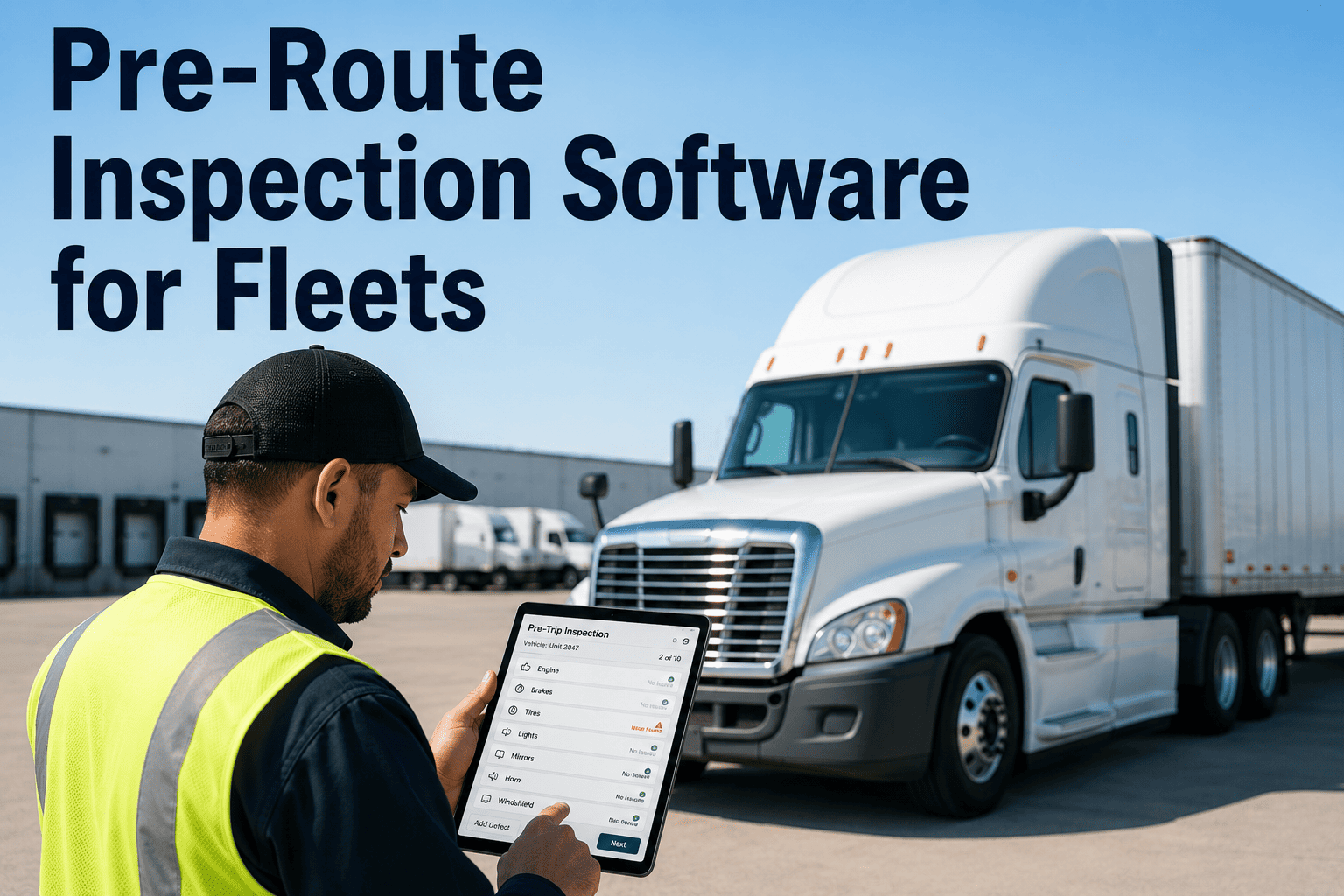
Drivers complete pre-trip and post-trip inspection reports on mobile — with structured checklists, photo evidence for any defect flagged, and digital sign-off. Every DVIR is time-stamped, linked to the vehicle, and stored automatically. When a defect is flagged, OxMaint creates a repair work order immediately and blocks the vehicle from dispatch until it's resolved and signed off by a supervisor.
Defect-to-repair chain fully documented
02
Annual Inspection Tracking and Alerts
OxMaint tracks the expiration date of every vehicle's annual inspection certificate and sends automated alerts 60, 30, and 7 days before expiry. No vehicle slips past compliance because the fleet manager was focused on other priorities.
Zero expired inspections
03
Maintenance Record Audit Trail
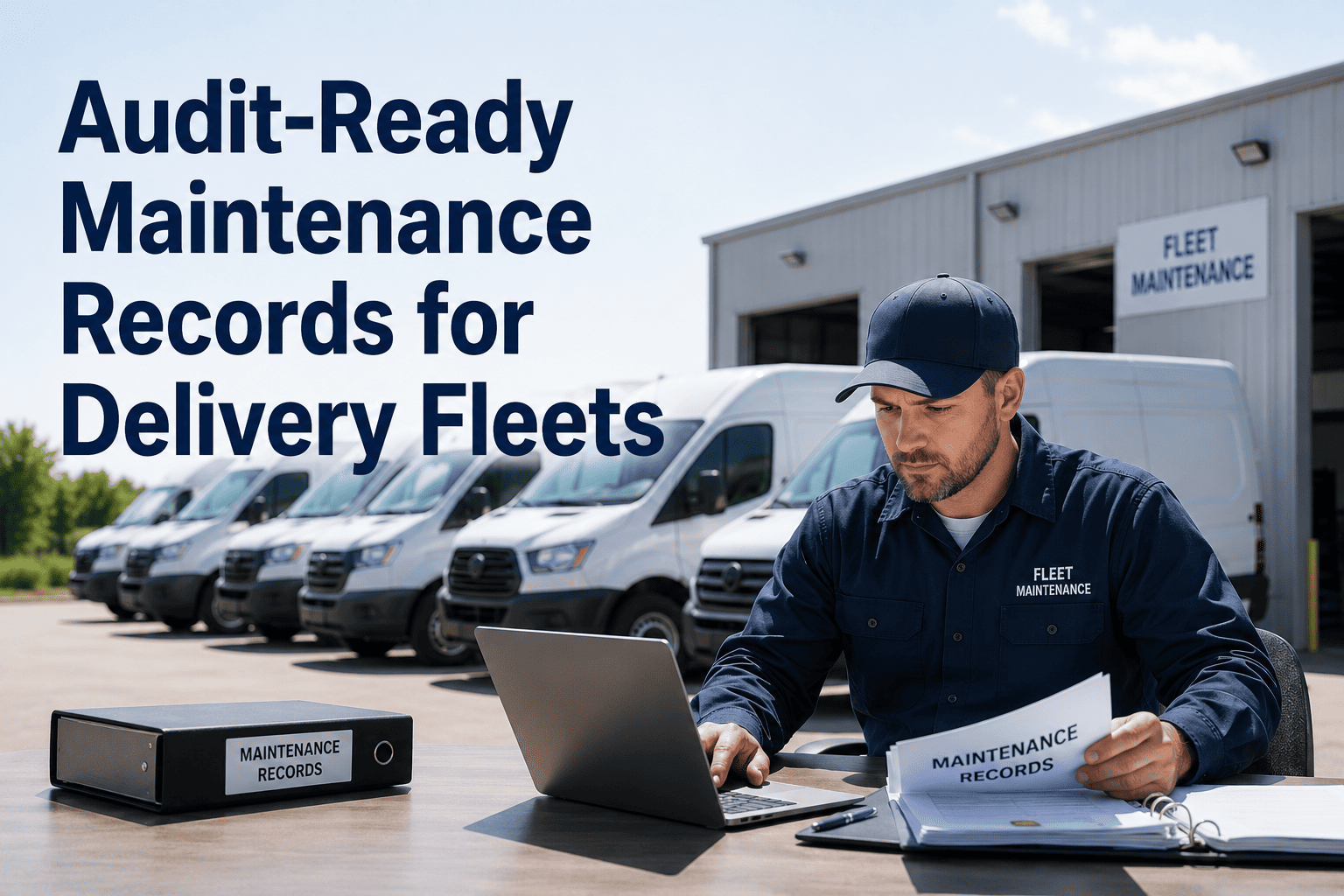
Every work order — PM service, repair, inspection, parts replacement — is automatically logged with technician ID, completion date, parts used, and cost. Complete vehicle service history is available filtered by date, asset, or record type.
One-click audit export
04
Compliance Dashboard by Vehicle
See every vehicle's compliance status at a glance — DVIR completion rate, outstanding defects, annual inspection expiry, and PM adherence. Color-coded flags surface vehicles approaching non-compliance before an inspector does.
Real-time fleet-wide visibility
Compliance Workflow
From Driver Inspection to Audit-Ready Record — Automatically
1
Driver Completes Mobile DVIR
Pre-trip inspection completed on phone. Defects flagged with photo evidence before vehicle leaves the yard.
2
Defect Auto-Escalates to Work Order
Any safety defect creates a work order instantly. Vehicle is flagged unavailable until repair is confirmed by a supervisor.
3
Repair Completed and Signed Off
Technician closes work order with repair details and sign-off. DVIR and repair record are automatically linked in the compliance trail.
4
Vehicle Released for Dispatch
Vehicle status updates to compliant. Dispatch can confirm route readiness directly from the OxMaint dashboard without calling the shop.
5
Full Audit Trail Ready Instantly
Every action from inspection to sign-off is stored with timestamps and user IDs. Filter by vehicle, date range, or record type and export in minutes.
Paper vs. Digital Compliance
What DOT Compliance Looks Like With the Right System
| Compliance Area |
Paper-Based System |
OxMaint Digital System |
| DVIR Completion |
Forms often skipped or incomplete — no enforcement mechanism at dispatch |
Mobile DVIR required before dispatch — vehicle locked until completed |
| Defect Resolution |
Defect on paper DVIR has no link to repair record — gap in compliance chain |
Every defect auto-creates a repair work order with a compliant documentation link |
| Annual Inspections |
Expiry tracked on a calendar or spreadsheet — frequently missed |
Automated alerts at 60/30/7 days — no vehicle ever slips past inspection due date |
| Audit Response |
Days of digging through binders under pressure — records often incomplete |
Filter and export complete records in under 5 minutes from any device |
| CSA Score Risk |
Record gaps and missed services directly increase roadside violation probability |
Complete, verifiable records reduce inspection violation triggers |
"
A surprise roadside inspection used to be our nightmare scenario. Now, every driver's DVIR is digital and every repair is documented the moment it happens. When an officer asked for our maintenance records at a weigh station last quarter, the fleet manager pulled them up on a phone in two minutes. That's the level of readiness we needed.
Director of Fleet Compliance · National Last-Mile Courier, 200+ vehicles
Frequently Asked Questions
DOT Compliance Software for Delivery Fleets
Does OxMaint generate DVIRs that meet DOT 49 CFR Part 396.11 requirements?
Yes. OxMaint's mobile inspection checklists are structured to cover all items required under 49 CFR Part 396.11 for driver vehicle inspection reports, including defect certification and driver signature. Every completed DVIR is time-stamped and stored automatically.
See the DVIR workflow in a live compliance demo.
How does OxMaint link a DVIR defect to the repair record for compliance purposes?
When a driver flags a defect in a DVIR, OxMaint automatically creates a linked repair work order. The work order must be closed by a certified technician with sign-off before the vehicle can return to service. Both records are stored together — this defect-to-repair chain is exactly what DOT auditors look for.
Try it free and see the full compliance chain.
Can OxMaint help us prepare for an FMCSA compliance review?
OxMaint stores every maintenance record, inspection report, repair history, and DVIR with full timestamps and user attribution. During an FMCSA compliance review, you filter by vehicle, date range, or record type and export the complete history in minutes — rather than days of manual file retrieval.
How does OxMaint handle fleets with both DOT-regulated vehicles and non-regulated vehicles?
OxMaint allows you to configure compliance requirements per vehicle class. DOT-regulated vehicles can be assigned DVIR requirements, inspection tracking, and annual inspection alerts, while non-regulated vehicles follow standard PM schedules — all within the same platform.
Book a demo to configure your fleet's compliance setup.
Does OxMaint track CSA-relevant maintenance violations and inspection failures?
OxMaint tracks all roadside inspection outcomes, defect records, and repair completions. While CSA scores are calculated by FMCSA, maintaining complete, verifiable maintenance records and defect-cleared DVIRs directly reduces the probability of triggering violations that affect your safety rating.
DOT Compliance · Audit-Ready Records · Free to Start
Be Ready for the Next Inspection Before It Happens.
OxMaint gives delivery fleet operators everything needed to stay ahead of DOT compliance — digital DVIRs, defect-to-repair chains, inspection tracking, and instant audit exports. Go live across your entire fleet in under an hour with zero IT overhead.