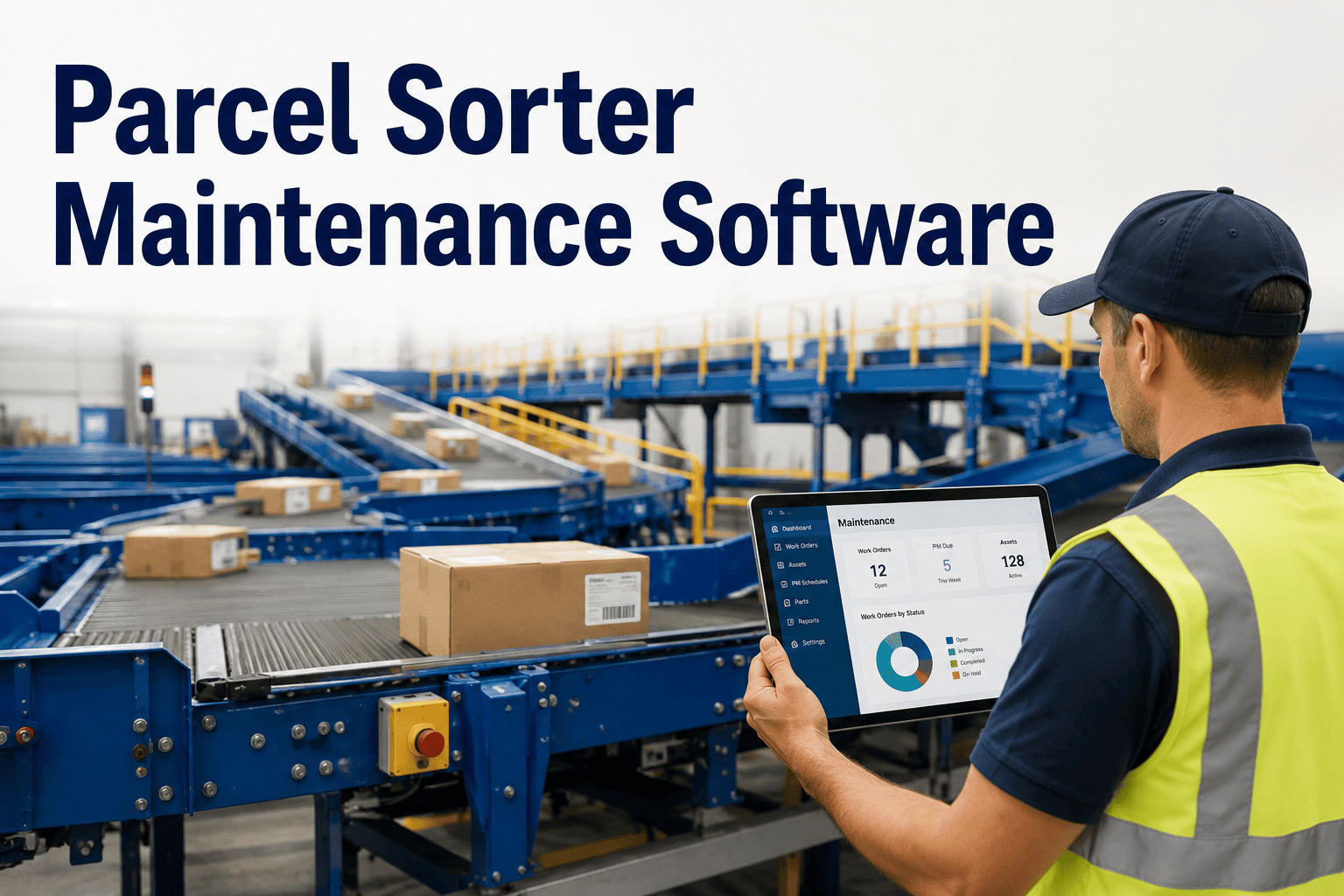
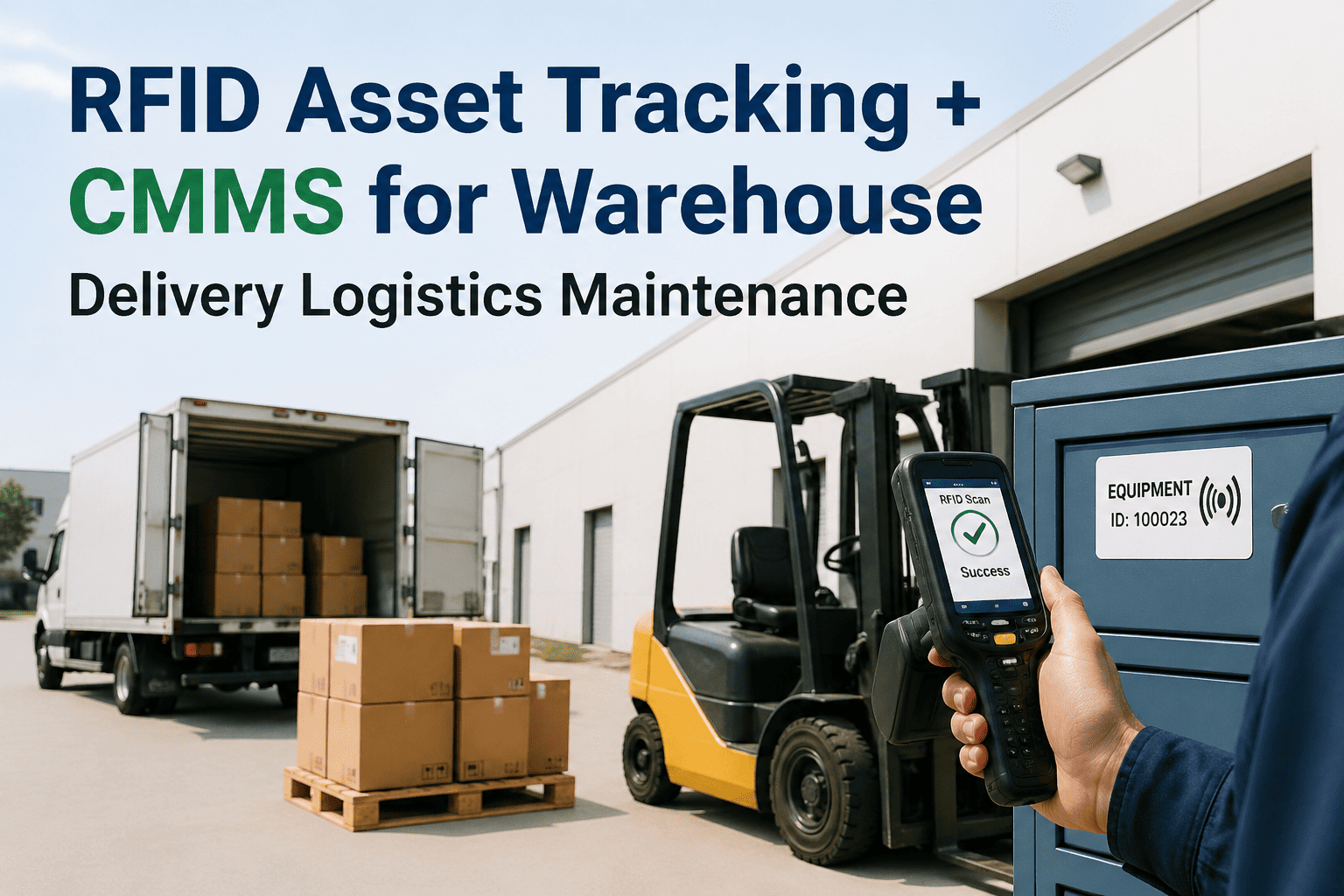
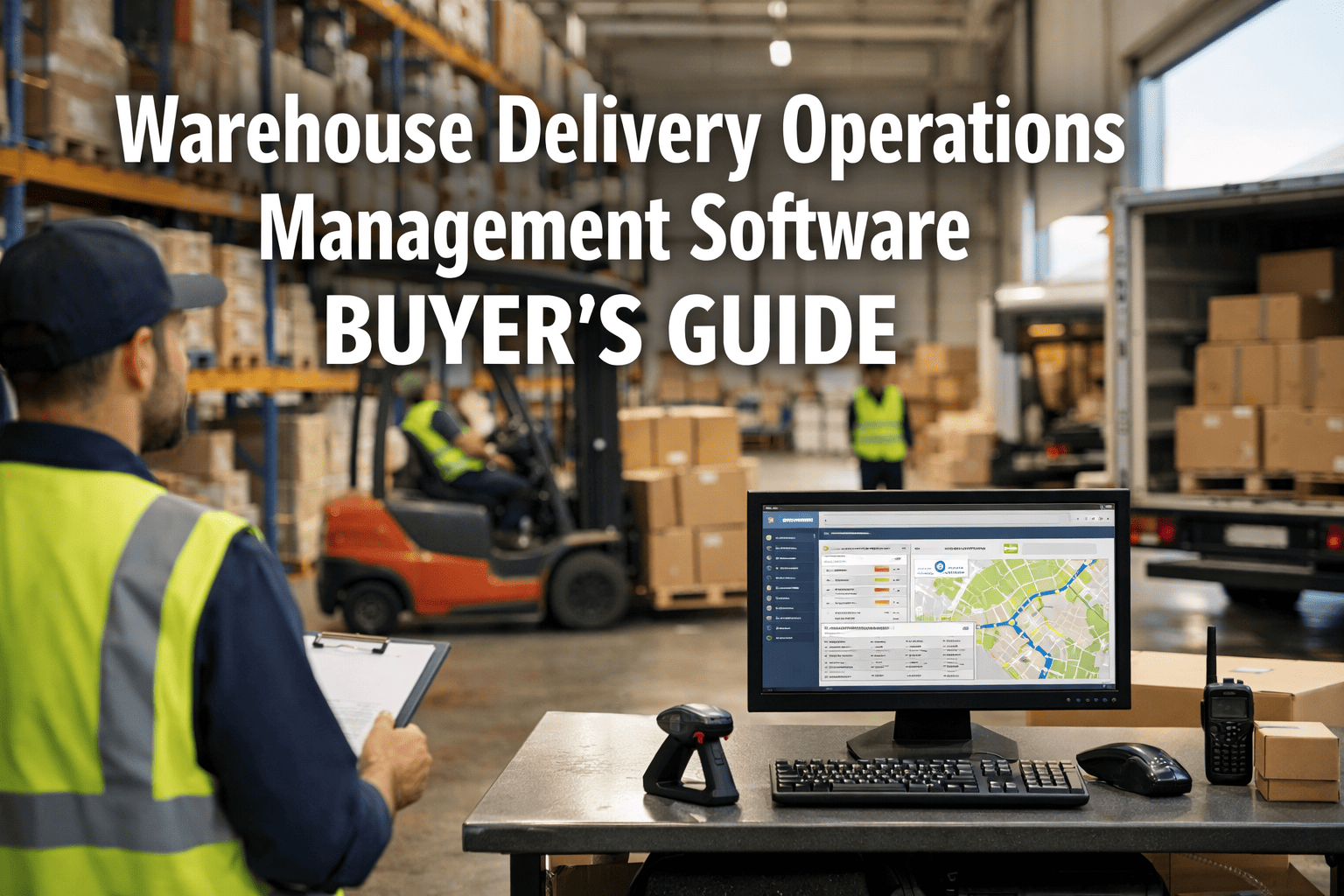
Parcel sorters are the heartbeat of every distribution hub — and when they stop, everything stops. A single jammed divert arm during peak season can back up thousands of parcels within minutes, triggering missed SLAs and customer complaints that follow the brand for weeks. Most hub managers track sorter maintenance the same way they tracked it five years ago: paper logs, WhatsApp messages to technicians, and spreadsheets that nobody updated. OxMaint.ai changes that with purpose-built parcel sorter maintenance software that keeps your lines moving, your teams coordinated, and your downtime records audit-ready. Start a free trial and see it live on your sorter fleet.
PARCEL SORTER MAINTENANCE
Every Jam Documented. Every PM Done. Zero Excuses.
OxMaint tracks sorter inspections, jam events, belt conditions, divert arm failures, and parts consumption — so your maintenance team has the full picture before a breakdown kills throughput.
What Breaks Parcel Sorters — And Why It Keeps Happening
Sorter downtime is rarely random. It's the result of deferred maintenance, uninspected wear points, and reactive repair cultures where teams fix the same components repeatedly without understanding why they fail. The four failure patterns below account for over 80% of unplanned sorter downtime at high-volume hubs.
A
Belt & Roller Degradation
Belt tension and roller condition degrade gradually. Without scheduled inspection intervals, wear reaches failure before anyone notices — shutting the sorter at the worst possible moment.
B
Divert Arm Misalignment
High-cycle divert arms drift out of alignment under load. Jams caused by misaligned arms account for a disproportionate share of peak-period stoppages.
C
Sensor & Scanner Faults
Barcode scanners and photoeye sensors accumulate dust and contamination. An uncalibrated scanner misreads barcodes and mis-sorts parcels — often without triggering a fault alarm.
D
Deferred PM Accumulation
When PMs slip during busy periods, small issues compound. A lubrication interval missed twice becomes a chain failure that takes the sorter offline for half a shift rather than thirty minutes.
STOP REACTIVE SORTER REPAIRS
Schedule the Maintenance. Skip the Breakdown.
OxMaint automates PM scheduling, captures jam events with full detail, and gives technicians mobile work orders — so sorter downtime becomes the exception, not the norm.
How OxMaint Manages the Full Sorter Maintenance Lifecycle
1
Asset Registration
Register every sorter lane, belt section, divert arm, scanner station, and motor as a distinct asset with make, model, installation date, and warranty status — all searchable from one screen.
2
PM Schedule Setup
Define PM intervals by runtime hours, shift cycles, or calendar date. OxMaint auto-dispatches work orders to the right technician at the right time — without a supervisor chasing anyone down.
3
Jam & Fault Logging
When a jam occurs, technicians log the event on mobile — fault type, location, time to clear, parts used, and root cause. Every jam builds a history that reveals recurring failure patterns.
4
Parts Tracking
Link consumable parts — belts, bearings, divert arm components — to specific sorter assets. Track usage rates, set reorder points, and ensure critical spares are always in stock before a failure happens.
5
Downtime Reporting
Automated downtime reports show MTBF and MTTR per sorter asset, top failure causes, and PM compliance rates — giving managers the data to prioritise capital replacement decisions.
Key Metrics OxMaint Tracks for Sorter Operations
MTBF
Mean Time Between Failures
Track how long each sorter asset operates between unplanned stoppages. Rising MTBF confirms your PM program is working. Declining MTBF signals a component approaching end of life.
MTTR
Mean Time to Repair
Measure how quickly your team restores sorter operation after a fault. High MTTR often reveals parts availability issues or skill gaps — both fixable with OxMaint's data.
PM%
PM Compliance Rate
Track the percentage of scheduled PMs completed on time across your sorter fleet. Industry benchmarks suggest 85%+ PM compliance correlates with 40% lower reactive maintenance spend.
OEE
Overall Equipment Effectiveness
Combine availability, performance, and quality data to calculate true sorter OEE. Identify which lane or section is dragging hub throughput and where maintenance investment returns the most.
Equipment Covered by OxMaint for Parcel Sorters
| Sorter Component |
Maintenance Type |
OxMaint Tracking |
Key Failure Risk |
| Crossbelt Sorter Units |
PM + Corrective |
Belt tension, motor condition, carrier status |
Belt slippage, motor burnout |
| Divert Arms |
PM + Inspection |
Alignment logs, cycle counts, lubrication records |
Misalignment jams, actuator failure |
| Barcode Scanners |
Calibration + Cleaning |
Scan rate, cleaning intervals, calibration certs |
Read errors, mis-sorts |
| Conveyor Belts |
PM + Replacement |
Wear measurements, tension checks, replacement history |
Belt snap, tracking failures |
| Drive Motors |
Predictive + PM |
Temperature logs, vibration alerts, runtime hours |
Overheating, bearing failure |
| Photoeye Sensors |
Inspection + Cleaning |
Sensitivity checks, contamination logs, replacement dates |
Parcel detection failure |
Frequently Asked Questions
Can OxMaint handle multiple sorter lines across different hub buildings?
Yes. OxMaint supports multi-site, multi-building asset hierarchies. Each sorter line, building, and hub is tracked separately but visible in one dashboard.
Start your trial to configure your hub layout directly.
How does OxMaint record jam events in real time?
Technicians log jam events on mobile — selecting asset, fault type, and resolution steps. Each entry timestamps automatically and attaches to the sorter's maintenance history for trend analysis.
Does OxMaint support seasonal maintenance plans for peak periods?
OxMaint lets you build seasonal PM templates that increase inspection frequency ahead of peak periods. Pre-peak maintenance campaigns can be scheduled months in advance and auto-dispatched at the right time.
How are parts for sorters tracked and reordered?
Parts are linked to specific sorter assets in OxMaint's inventory module. Usage logs, reorder thresholds, and supplier details are stored per part. When stock drops below threshold, managers receive an alert.
Book a demo to see parts tracking in detail.
Can we measure downtime impact on throughput from OxMaint reports?
OxMaint's downtime reports log start time, end time, and duration for every sorter fault. When combined with throughput data, managers can calculate exact parcel volume lost per downtime event and prioritise maintenance investments accordingly.
OXMAINT FOR PARCEL SORTERS
Less Downtime. More Parcels Moving. Every Shift.
OxMaint gives hub maintenance teams the tools to track inspections, log jams, schedule PMs, manage parts, and report downtime — all from a mobile-first platform built for the pace of parcel operations.