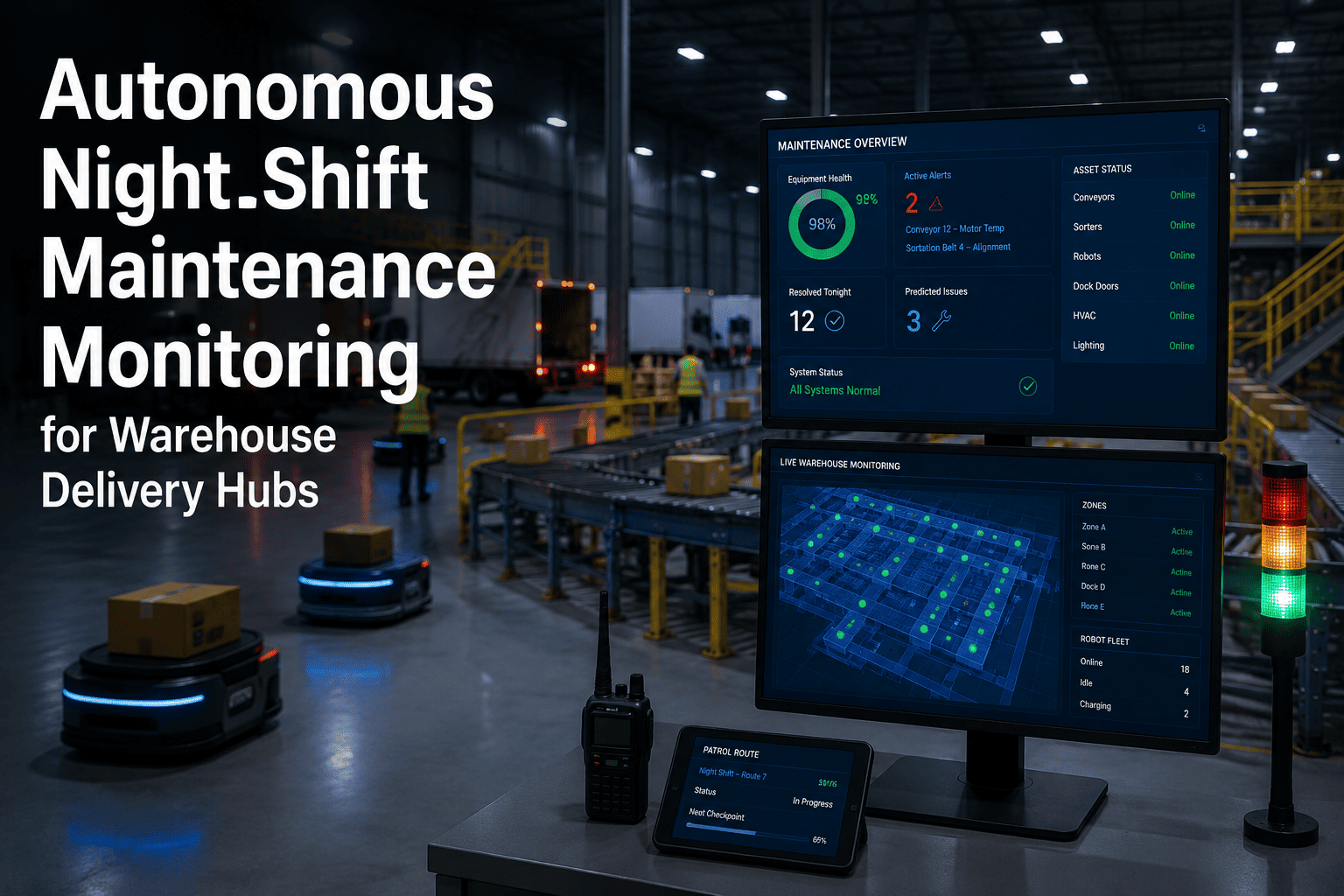
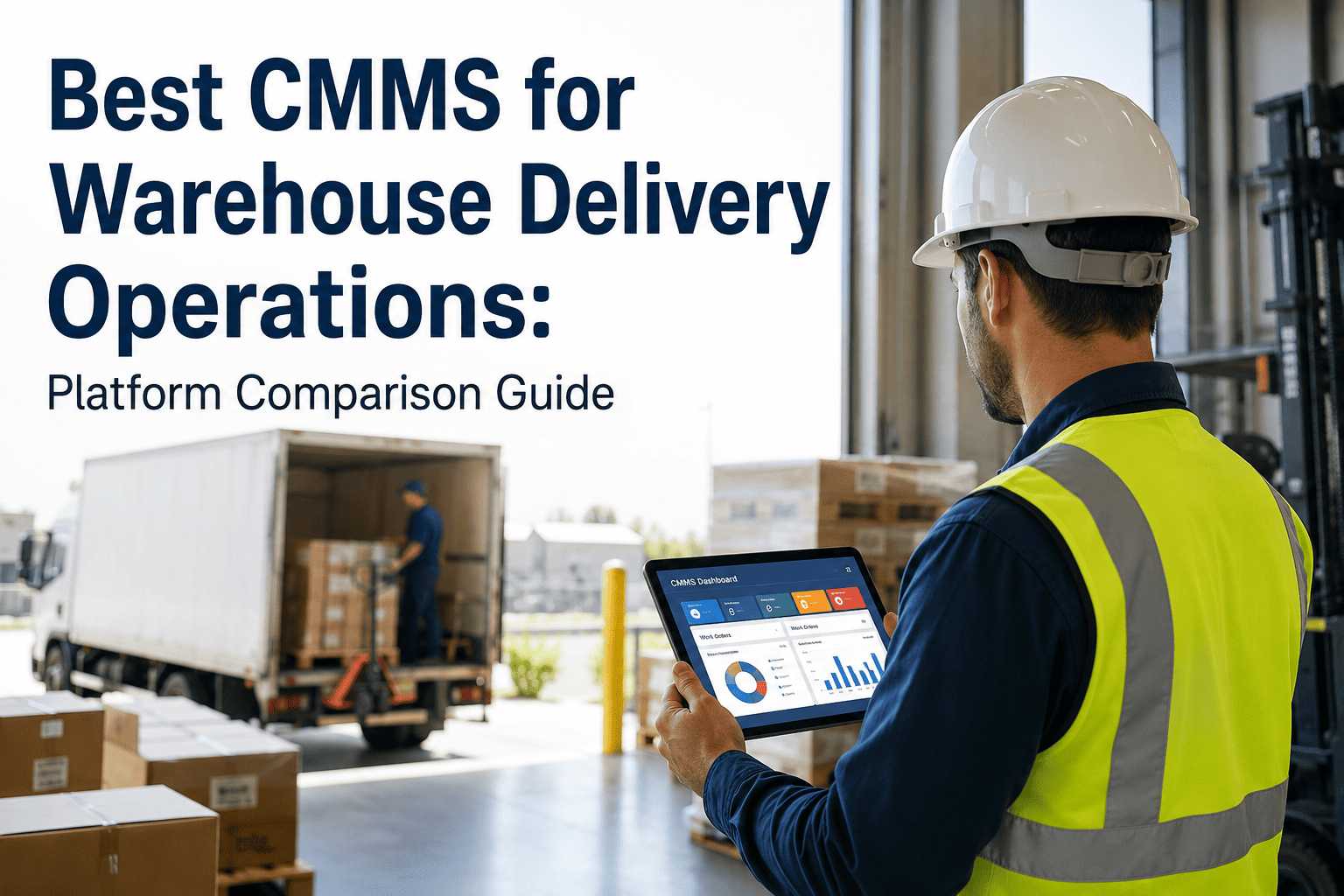
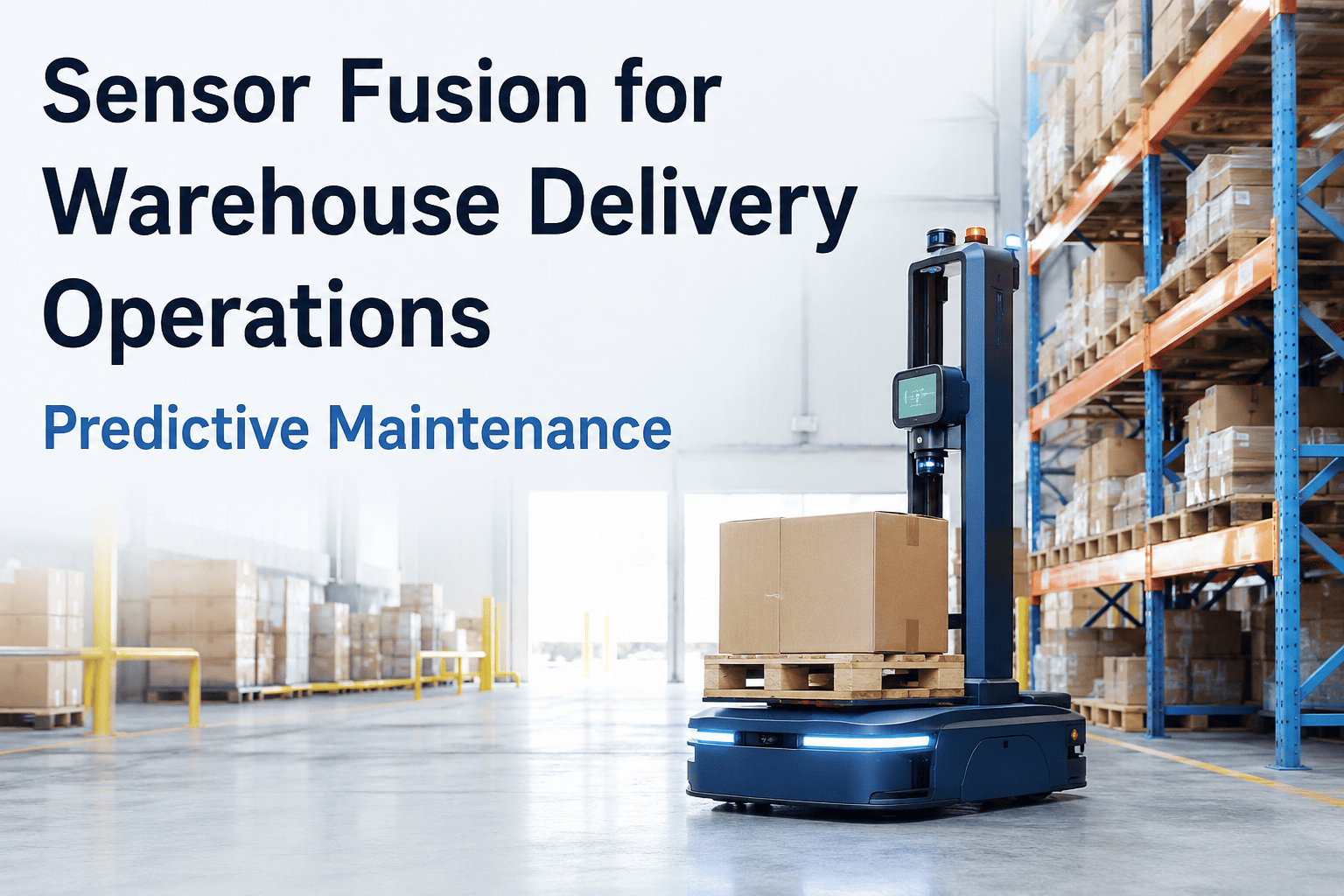
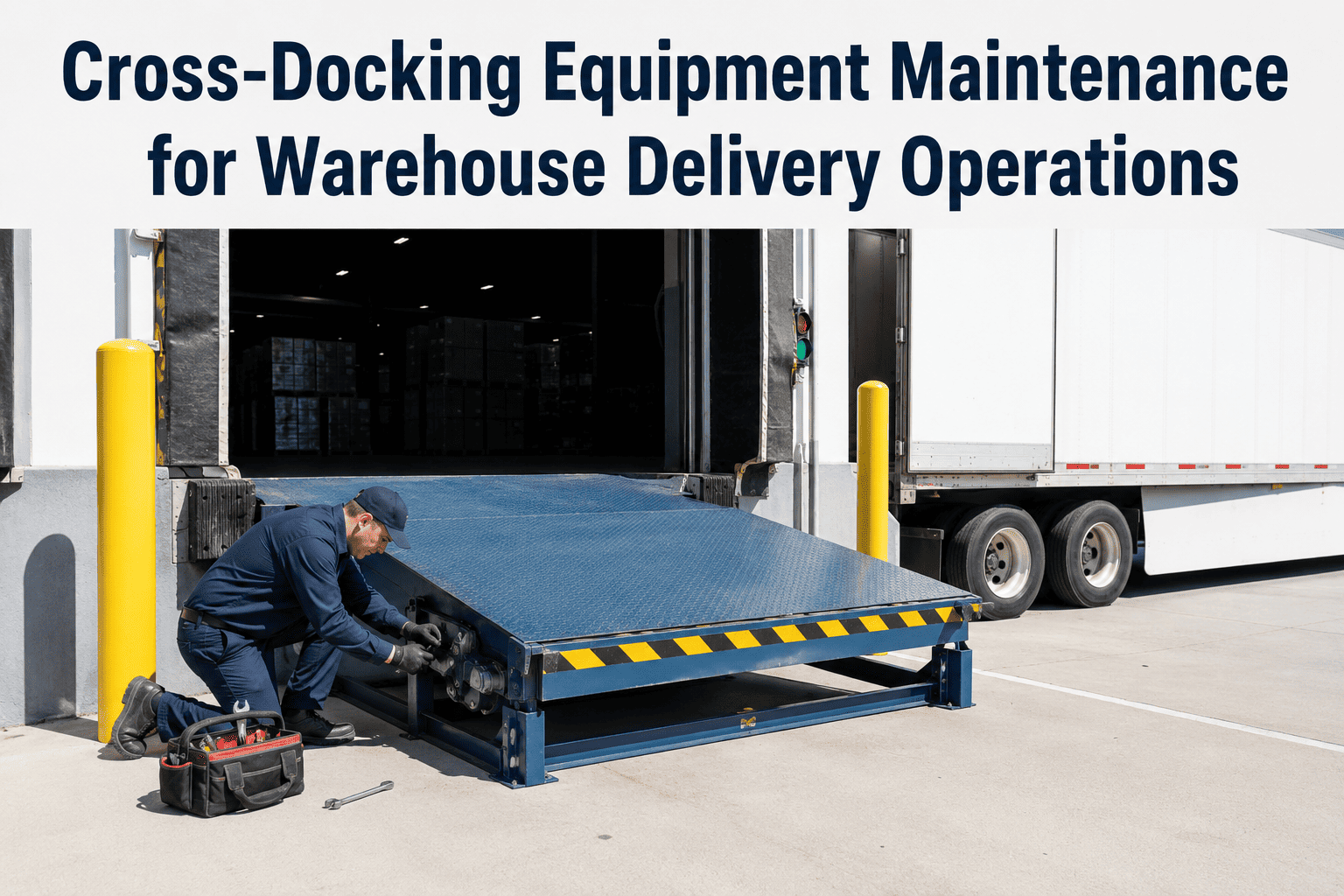
When the day shift leaves and the warehouse floor goes quiet, the equipment does not. Conveyor drives run unattended, charging stations cycle through overnight battery loads, and refrigeration compressors hold temperature across facilities with no technician in sight. Equipment failures during unstaffed night shifts go undetected until morning — often costing a full delivery cycle, spoiled product, or a cold-chain compliance breach. OxMaint combines autonomous sensor monitoring with CMMS alerting to catch overnight anomalies the moment they appear — not six hours later when the morning crew arrives.
Stop Discovering Night-Shift Failures at 6am
OxMaint's AI-assisted monitoring detects equipment anomalies in real time, escalates alerts to on-call technicians, and logs every event automatically — even with no one on the floor.
The Cost of the Overnight Blind Spot
What Happens When No One Is Watching
6.4 hrs
Average time between failure onset and discovery on unstaffed night shifts
$38K
Average cost per undetected overnight conveyor failure in a mid-size distribution hub
72%
Of cold-chain compliance violations originate from equipment failures between 11pm and 5am
3×
Higher repair cost when failures are discovered post-shift vs detected within 30 minutes of onset
Case Study: Regional Cold-Chain Distribution Hub
How Autonomous Monitoring Eliminated Overnight Downtime Events
A regional cold-chain distribution hub operating three nightly sort cycles across 180,000 sq ft had experienced four separate overnight equipment failures in a single quarter — a refrigeration compressor fault, two conveyor drive motor overloads, and an undetected dock leveler hydraulic leak. Each event was discovered at shift changeover, averaging 5.8 hours of undetected downtime. After deploying OxMaint with IoT sensor integration and automated CMMS alerting, the facility tracked the following outcomes over a 90-day period.
Before OxMaint
Failures discovered at shift changeover — avg 5.8 hrs post-onset
No on-call escalation protocol — supervisor phone trees used
Temperature drift in cold zones undetected for up to 4 hrs
Night events logged manually at start of day shift — often incomplete
4 major overnight downtime events per quarter
Emergency repair spend: $142,000 per quarter
After OxMaint (90 days)
Anomaly alerts triggered within 4 minutes of threshold breach
Automated on-call escalation by asset criticality tier
Cold zone temperature monitored continuously — alerts at ±1.5°C drift
All night events auto-logged as timestamped CMMS records
Zero major overnight downtime events in 90 days
Emergency repair spend: $31,000 per quarter (78% reduction)
How Autonomous Night-Shift Monitoring Works in OxMaint
The Four-Layer Detection and Response Architecture
Layer 1
Sensor Data Ingestion
IoT sensors on critical assets — motors, compressors, conveyors, dock equipment — stream vibration, temperature, current draw, and pressure readings to OxMaint continuously. The system establishes normal operating baselines during commissioning and monitors for deviation in real time, 24 hours a day.
Layer 2
Anomaly Detection & Threshold Alerting
When any sensor reading crosses a configured threshold — motor vibration exceeding 4.5 mm/s RMS, compressor discharge temperature rising beyond setpoint, or current draw spiking above nameplate — OxMaint flags the anomaly and initiates the alert protocol within seconds, not hours.
Layer 3
Escalation by Asset Criticality
Alert routing is configured by asset criticality tier. A Tier 1 refrigeration compressor fault triggers an immediate push notification to the on-call technician and supervisor. A Tier 3 non-critical asset anomaly is logged and queued for morning review — eliminating alert fatigue while ensuring critical systems get immediate human response.
Layer 4
Automatic CMMS Work Order & Event Log
Every triggered anomaly generates a timestamped work order in OxMaint, linked to the asset and sensor event data. Whether the on-call technician responds immediately or the issue resolves autonomously, the event is permanently logged — building a complete overnight operational record for shift handover and compliance review.
Ready to Monitor Your Warehouse Floor Overnight — Autonomously?
OxMaint's IoT integration and CMMS alerting can be configured for your critical assets in under a week. See the setup live with our team.
Assets That Require Autonomous Night-Shift Monitoring
Criticality Matrix for Warehouse Delivery Hub Equipment
| Asset |
Failure Mode |
Detection Sensor |
Alert Tier |
Avg Detection Time (Manual) |
| Refrigeration Compressor |
Temperature drift / overload |
Temp + current draw |
Tier 1 — Immediate |
4–6 hrs |
| Main Conveyor Drive Motor |
Vibration / bearing wear |
Vibration (mm/s RMS) |
Tier 1 — Immediate |
5–8 hrs |
| Battery Charging Station |
Thermal runaway risk |
Thermal imaging / temp |
Tier 1 — Immediate |
Not detectable manually |
| Dock Leveler Hydraulics |
Pressure drop / leak |
Pressure transducer |
Tier 2 — 30 min |
Discovered at shift start |
| Air Compressor |
Pressure loss / overrun |
Pressure + runtime hrs |
Tier 2 — 30 min |
3–5 hrs |
| Overhead Door Motor |
Cycle count / stall |
Current + cycle counter |
Tier 3 — Morning log |
Shift changeover |
Expert Review
The warehouse maintenance teams I work with consistently underestimate the damage accumulation window during unstaffed shifts. A conveyor motor running in an overload condition for six hours does not just fail — it degrades adjacent components, shortens the service life of the drive, and often requires a full gearbox replacement rather than a bearing swap. Autonomous monitoring that catches the anomaly within five minutes converts a $40,000 repair into a $600 bearing replacement. The ROI calculation is not complex.
James Trevellian
Principal Reliability Engineer — 22 years in distribution and logistics facility management
Cold-chain compliance during overnight operations is the most undermonitored risk in pharmaceutical and food logistics warehousing. Regulators are increasingly requiring continuous temperature records with automatic alert documentation — not just snapshot readings at shift start and end. A CMMS that ingests sensor data, timestamps every threshold event, and generates an immutable record is no longer a competitive advantage for these facilities; it is a prerequisite for operating in regulated cold-chain categories.
Dr. Sofia Marchetti
Cold Chain Compliance Specialist — EU GDP and FDA FSMA regulatory advisory
Frequently Asked Questions
How does OxMaint detect equipment failures during unstaffed night shifts?
OxMaint integrates with IoT sensors mounted on critical warehouse assets — motors, compressors, conveyors, hydraulic systems — and ingests real-time readings for vibration, temperature, pressure, and current draw. When any parameter crosses a configured alert threshold,
OxMaint triggers an automated alert, generates a work order, and escalates to the on-call technician by asset criticality tier — all within seconds of the anomaly appearing, regardless of whether any staff are present in the facility.
What types of sensors does OxMaint support for autonomous warehouse monitoring?
OxMaint is sensor-agnostic and connects to vibration sensors, thermocouple and RTD temperature sensors, pressure transducers, current transformers, and thermal imaging cameras via standard IoT protocols. The platform also integrates with existing BMS and SCADA systems in facilities that already have sensor infrastructure — allowing teams to start autonomous monitoring without replacing hardware.
Book a demo to discuss your specific sensor environment and integration options.
How does OxMaint handle alert escalation for overnight incidents without generating alert fatigue?
OxMaint's criticality-tiered escalation model prevents alert fatigue by routing notifications based on asset importance and failure impact. Tier 1 assets — refrigeration systems, main conveyor drives, charging stations — trigger immediate on-call and supervisor notifications. Tier 2 and Tier 3 asset anomalies are logged automatically but held for morning review unless thresholds worsen. Maintenance managers configure the tier structure and escalation contacts during onboarding, and it can be adjusted at any time without developer involvement via the
OxMaint dashboard.
Does OxMaint create maintenance records automatically for overnight anomaly events?
Every anomaly event detected by OxMaint — whether the on-call technician responds or the system self-recovers — is automatically written as a timestamped work order linked to the asset, sensor event data, and alert escalation log. This creates a complete and immutable overnight operational record that is available for shift handover review, compliance audits, and reliability trend analysis — without any manual data entry from night-shift or day-shift staff.
Undetected overnight equipment failures are not a staffing problem — they are a visibility problem. Every warehouse delivery hub running unstaffed night shifts is operating with an exposure window that grows larger with each hour a failure goes undetected. Start with OxMaint and close that window with autonomous monitoring, instant escalation, and automatic CMMS records from the first night of deployment. For facilities with existing IoT infrastructure or complex asset environments, book a 30-minute demo and walk through the sensor integration and criticality tier configuration with our team directly.