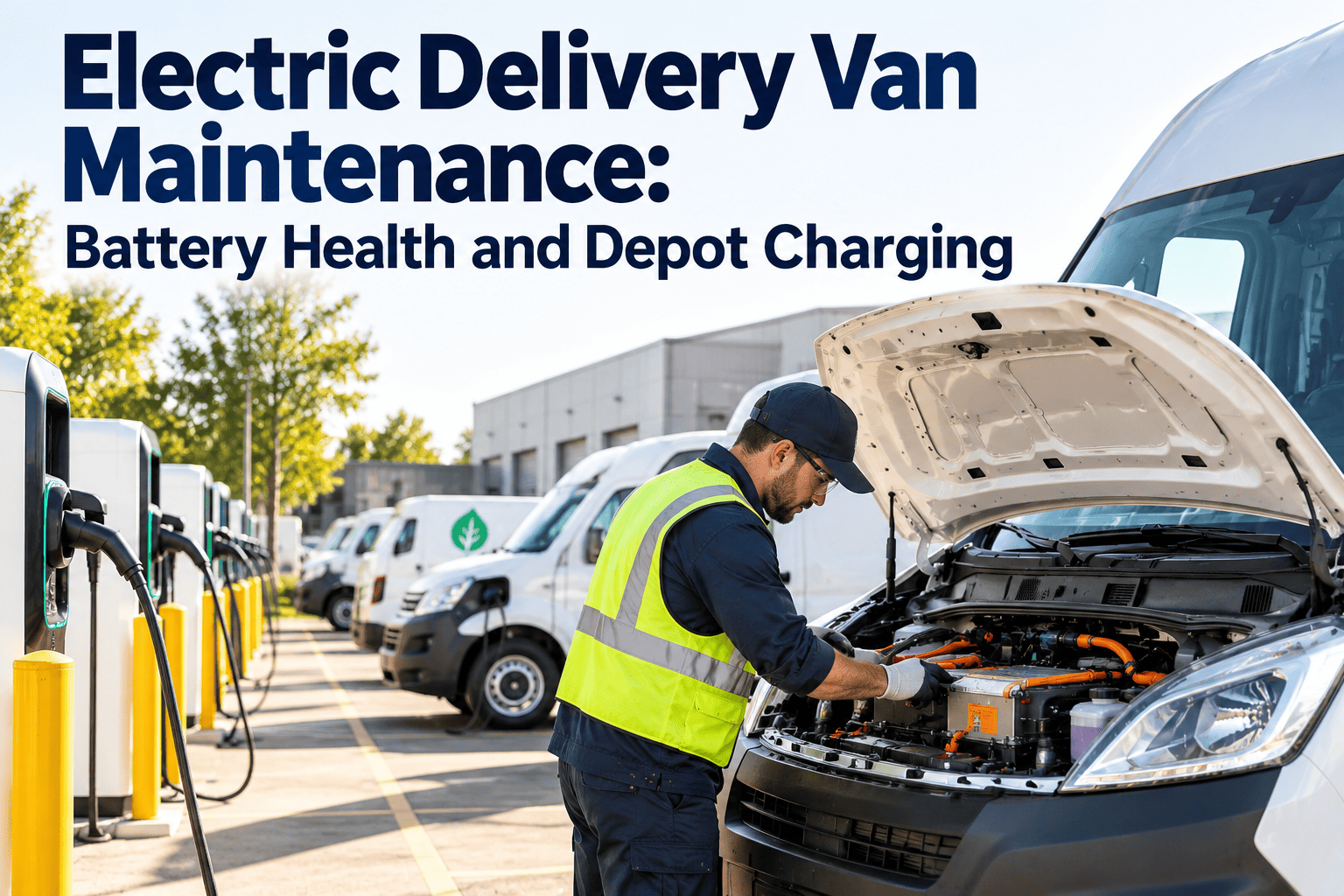
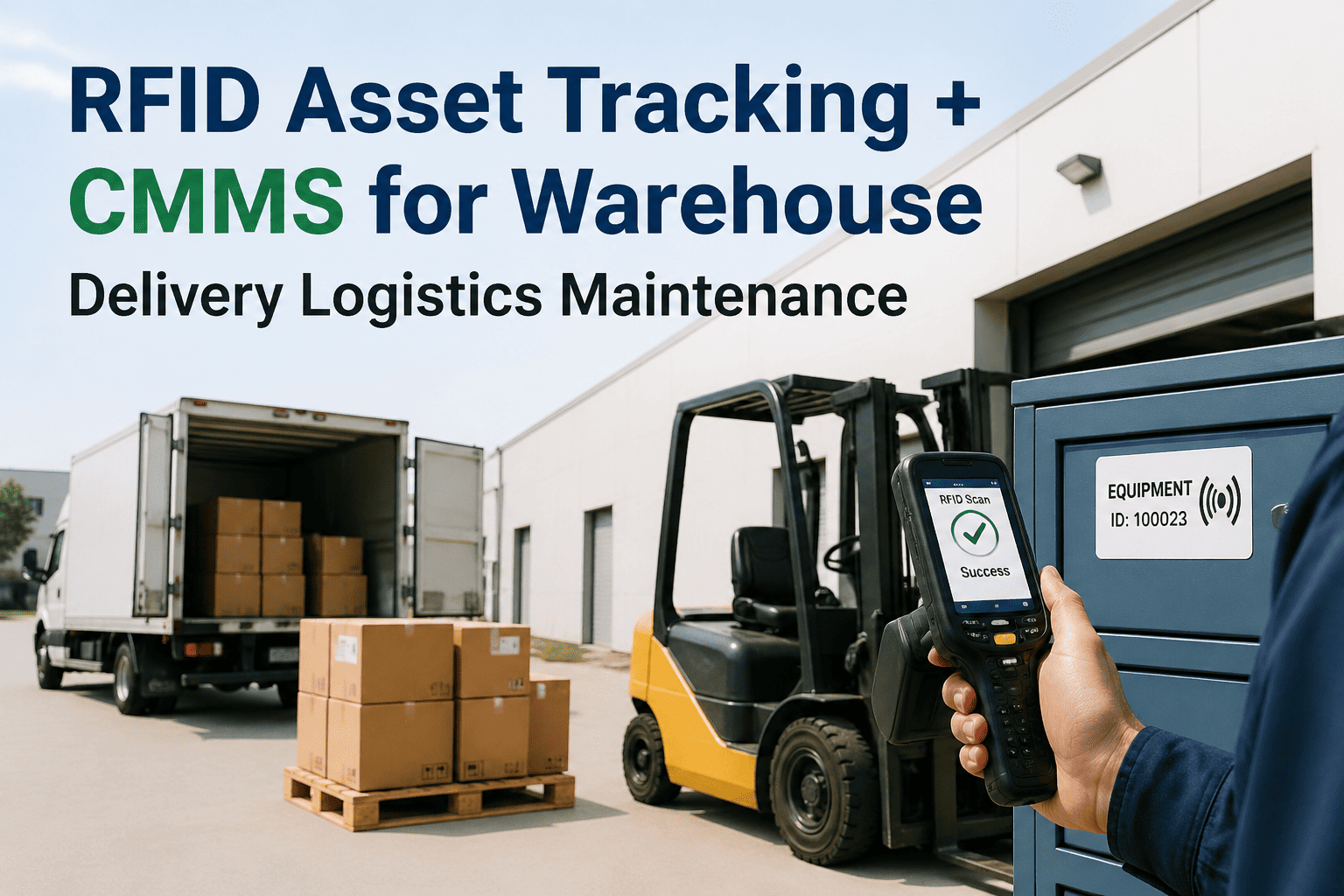
A warehouse delivery hub in Ohio had 34 electric forklifts and 18 last-mile delivery EVs ready for the shift — but 9 charging stations across two bays had been silently degrading for six weeks. Connector contacts had oxidised, one DC fast charger had a fault code nobody noticed, and three units showed voltage delivery drops that left batteries at 71% instead of 95%. By 5:45 AM, the hub was dispatching vehicles that would not finish their routes. The problem was not the vehicles — it was the infrastructure charging them. A structured EV charging infrastructure maintenance programme in OxMaint registers every charger as a maintainable asset, automates inspection schedules by connector type and session load, and flags degradation before the morning shift begins. Facilities that treat charging stations the same way they treat the vehicles plugged into them see first-time charge success rates consistently above 94%. Those that do not are already operating their next outage. Book a demo to see how OxMaint manages your EV charging infrastructure.
EV Charging Infrastructure Maintenance at Warehouse Delivery Hubs
A failed charger grounds your EV fleet before the shift starts. CMMS-driven maintenance of warehouse EV charging infrastructure ensures every electric forklift, delivery van, and AGV leaves on schedule — fully charged, every time.
Why Charging Infrastructure Fails Before Your Fleet Does
Most warehouse EV programmes track vehicle health carefully — battery state of charge, motor temperatures, tyre wear. The charging infrastructure gets an occasional visual inspection, at best. That asymmetry is where downtime originates. ChargerHelp's 2024 study of 100,000+ charging sessions found that while networks report uptime above 98%, actual first-time charge success rates are as low as 71% — a 27-point gap between reported and real availability.
The 5 Failure Modes Behind Most Warehouse Charger Downtime
Charger failures in warehouse and delivery depot environments are highly predictable. Unlike vehicle failures that happen during operation, charger failures accumulate invisibly during idle periods — making them particularly dangerous because they're discovered only when the vehicle plugs in before a shift.
Charging connector contacts in warehouse environments accumulate dust, metallic particles from forklift operations, and moisture from dock doors. Oxidation increases contact resistance, which reduces power delivery and generates heat — accelerating further degradation. A connector delivering 85% of rated power returns a vehicle to service with a battery that feels charged but cannot complete the route. Inspection every 250 sessions catches this before vehicles miss routes.
High-cycle warehouse charging environments put charging cables under repeated mechanical stress. Forklifts and pallet jacks operating around charging bays cause cable dragging, kinking, and strain relief fatigue. Conductor damage inside cable insulation is invisible externally until intermittent connection loss occurs. A monthly cable inspection programme that checks for abrasion, kinking, and strain relief integrity prevents the majority of cable-origin faults.
Charger firmware controls OCPP communication, session management, and charge profile delivery. Firmware that falls multiple versions behind develops compatibility issues with newer vehicle battery management systems, causing session initiation failures that look like hardware problems. Scheduled firmware update tasks in your CMMS — tied to the manufacturer's release cycle — prevent the mixed-version states that cause silent incompatibilities under load.
DC fast chargers and high-power Level 2 units rely on active or passive thermal management to maintain internal component temperatures. Dust accumulation on cooling fins, fan bearing wear, and blocked airflow around wall-mounted units cause thermal throttling — where the charger reduces output power automatically to protect components. A vehicle plugged into a thermally throttled DC charger may receive only 40–60% of its rated charge rate overnight without any visible fault indication.
Warehouse environments with floor washing operations, dock condensation, and forklift traffic create ground fault conditions that trip GFCI protection in charging circuits. Without a maintenance record, a tripped breaker gets reset without investigation — and trips again a week later. Logging every electrical fault event in a CMMS creates the pattern visibility that identifies the true root cause: inadequate sealing, drainage, or circuit isolation.
Every Charger Is a Maintainable Asset. Is Yours Registered in a CMMS?
OxMaint registers each charging station — by bay, charger type, connector standard, and asset ID — and automates PM schedules based on session count, operating hours, and manufacturer intervals. When a threshold is crossed, a work order goes to your maintenance team before the fault reaches your fleet.
EV Charger Maintenance Schedule — By Charger Type and Interval
Maintenance intervals differ significantly between Level 2 AC chargers used for overnight fleet charging and DC fast chargers used for mid-shift top-offs. Both have distinct failure modes and inspection requirements that a CMMS should track separately.
| Maintenance Task | Level 2 AC (overnight) | DC Fast Charger | Who Performs | CMMS Trigger |
|---|---|---|---|---|
| Connector contact inspection and cleaning | Every 250 sessions | Every 150 sessions | Maintenance tech | Session counter auto-trigger |
| Cable and strain relief visual check | Monthly | Monthly | Maintenance tech | Calendar PM work order |
| Thermal / cooling system inspection | Quarterly | Monthly | Qualified electrician | Calendar PM work order |
| Firmware version check and update | Every 6 months | Quarterly | IT / maintenance | Software PM task |
| Electrical panel and breaker check | Annually | Semi-annually | Licensed electrician | Annual compliance PM |
| OCPP communication test | Quarterly | Monthly | IT / maintenance | Auto from fleet manager alert |
| Physical housing and mounting check | Quarterly | Quarterly | Maintenance tech | Calendar PM work order |
How OxMaint Manages Your Entire EV Charging Infrastructure
OxMaint connects charger telemetry, work order management, and fleet scheduling into a single maintenance workflow — so a degrading charger never reaches the morning shift without a technician already aware of it.
Charger Health Scorecard — What Every Bay Should Track
A healthy EV charging bay is defined by six operational metrics tracked per charger, not per depot average. Tracking the average obscures the outliers — and it is always one charger in one bay that grounds the vehicle you needed at 6 AM.
Frequently Asked Questions
Your Charging Infrastructure Is Degrading. Your CMMS Should Know Before Your Fleet Does.
OxMaint registers every charger, automates PM scheduling across connector, cable, thermal, firmware, and electrical domains, integrates charger telemetry to trigger work orders before faults reach vehicles, and tracks infrastructure health alongside fleet health on a single dashboard — so your electric assets always leave fully charged.