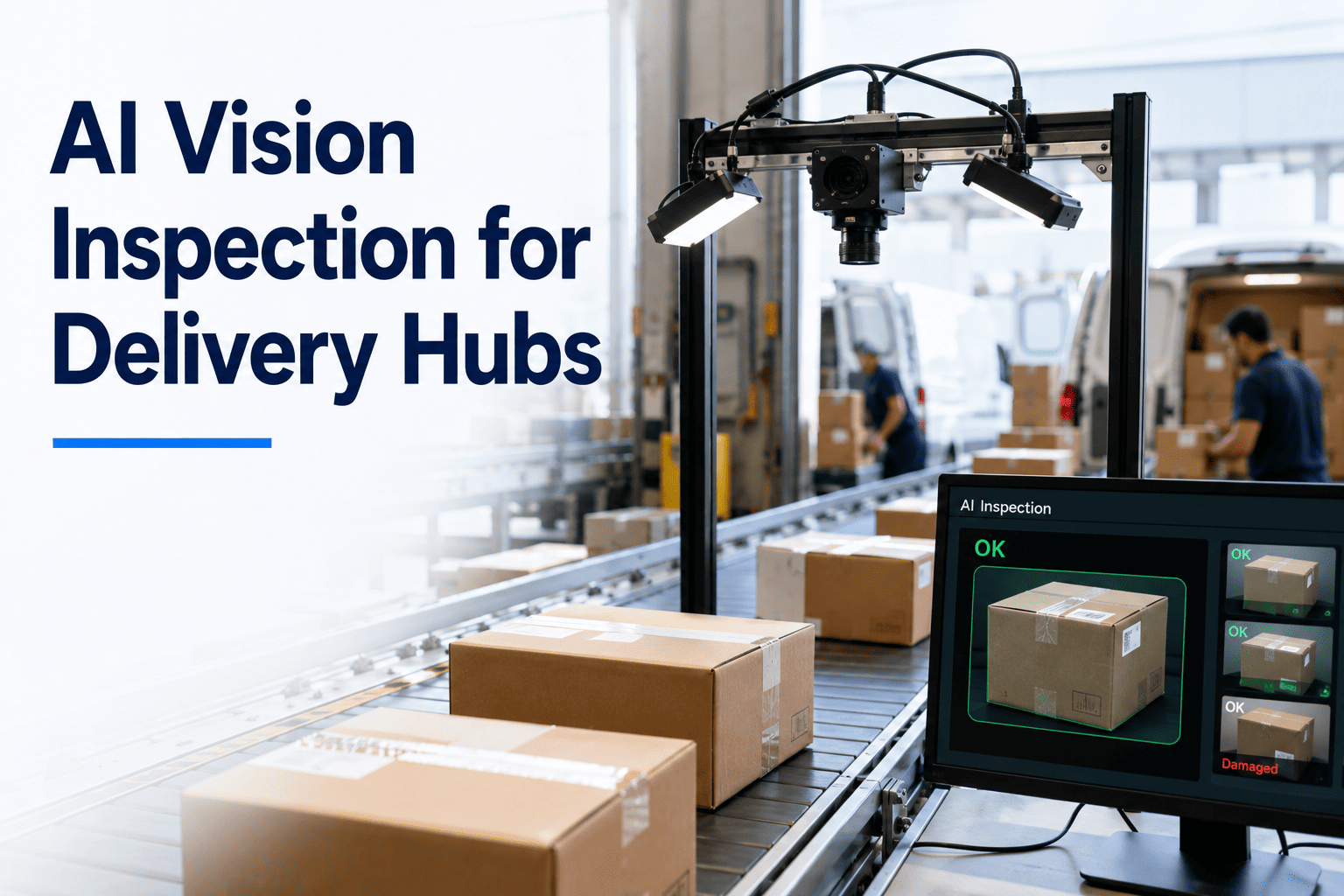
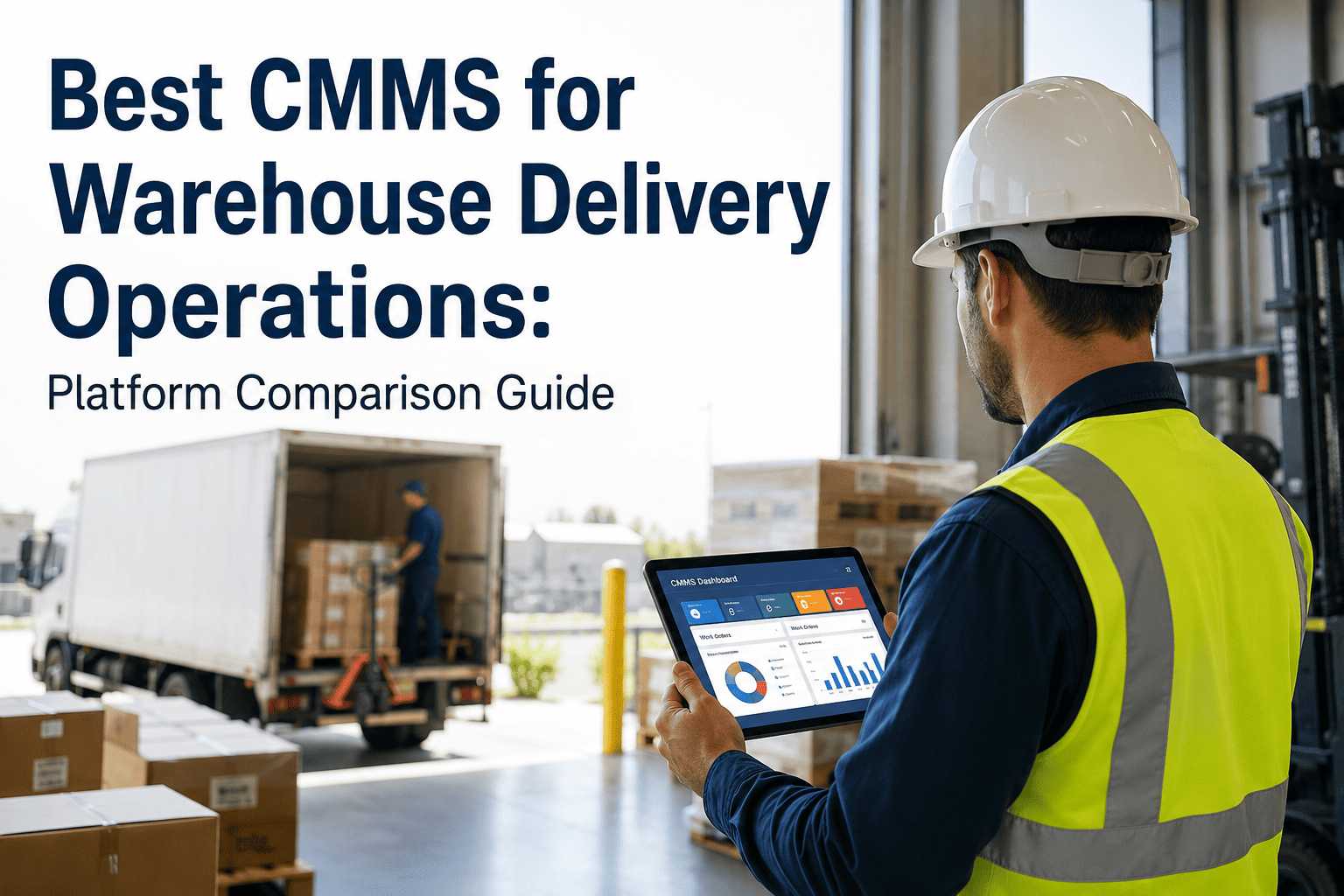
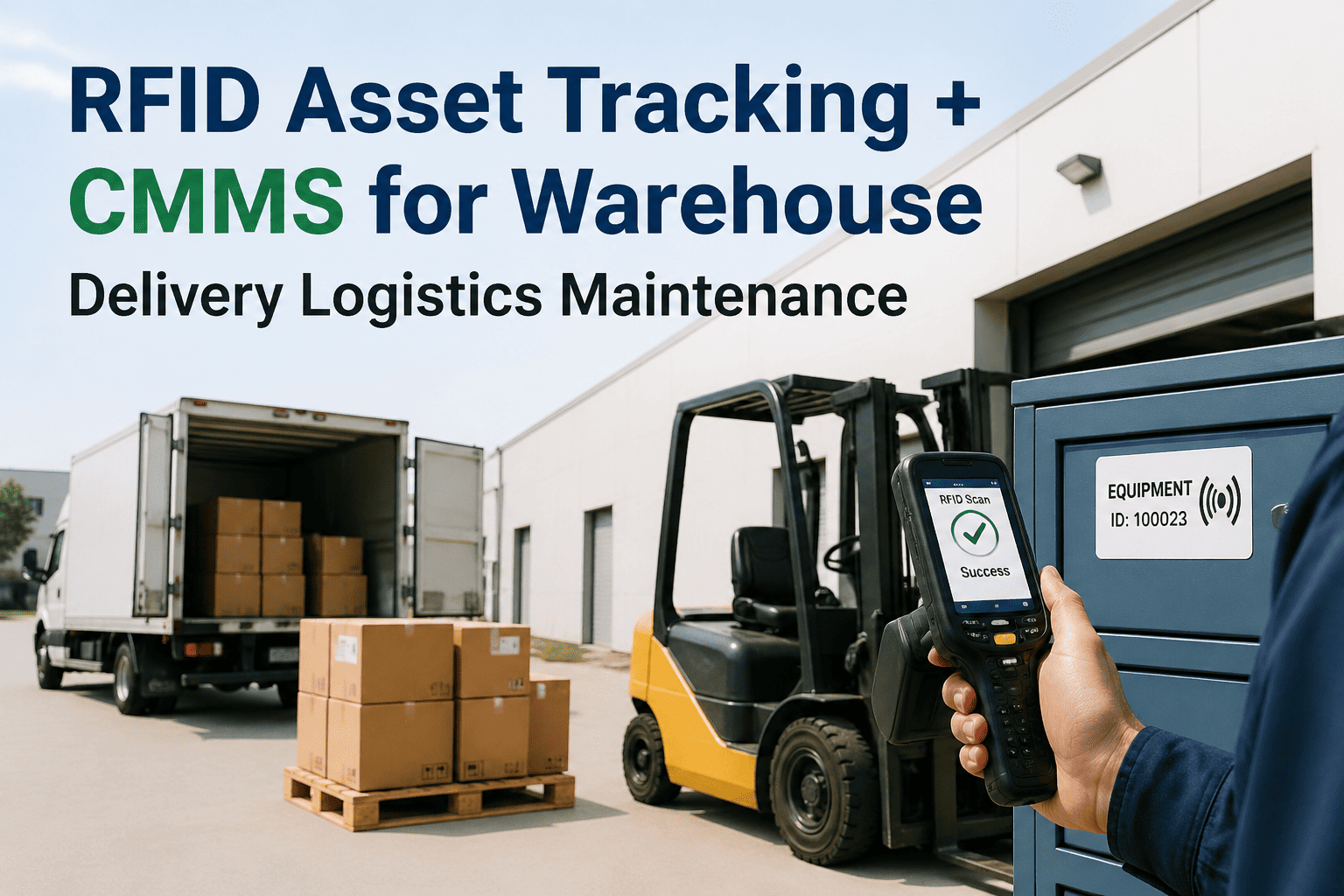
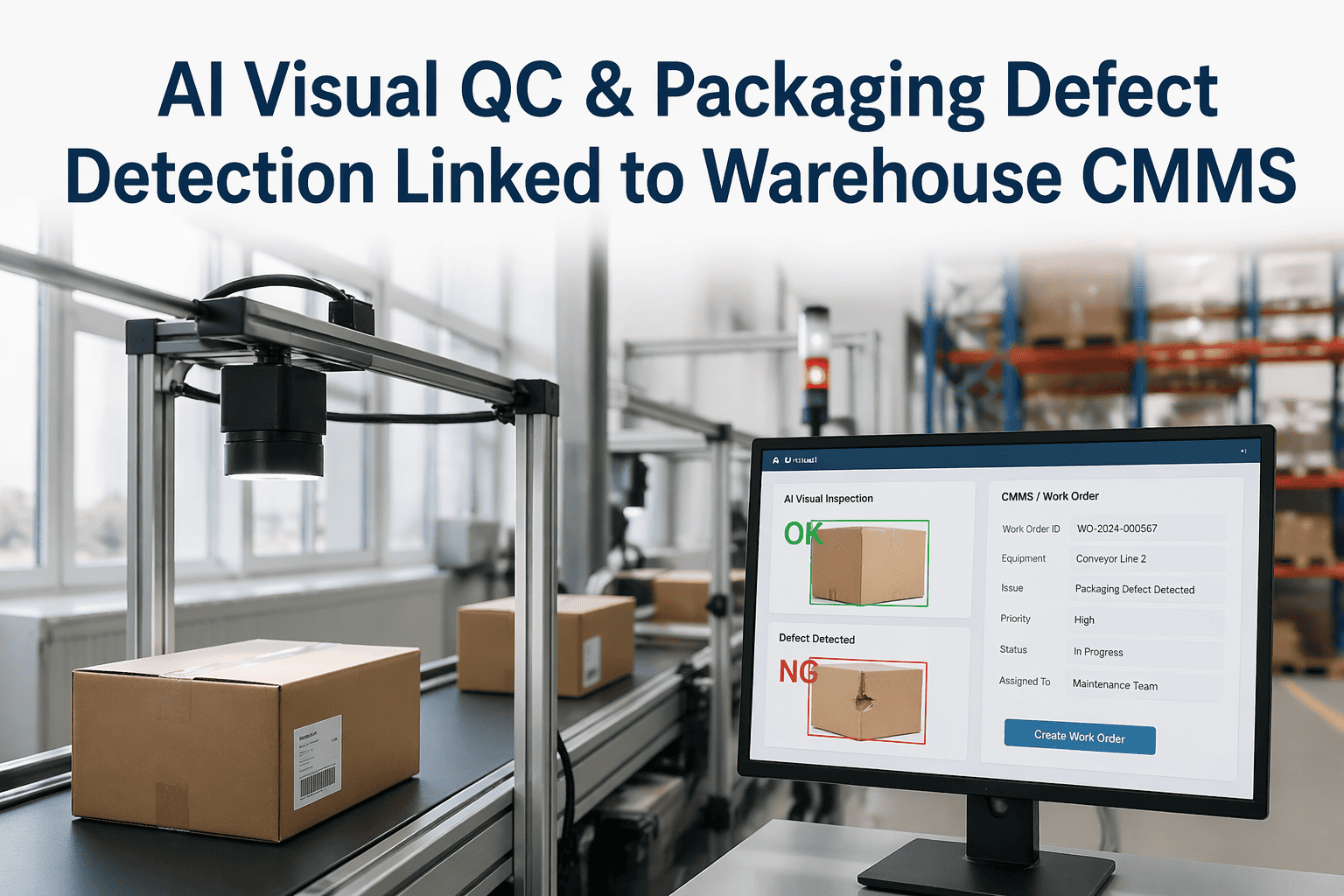
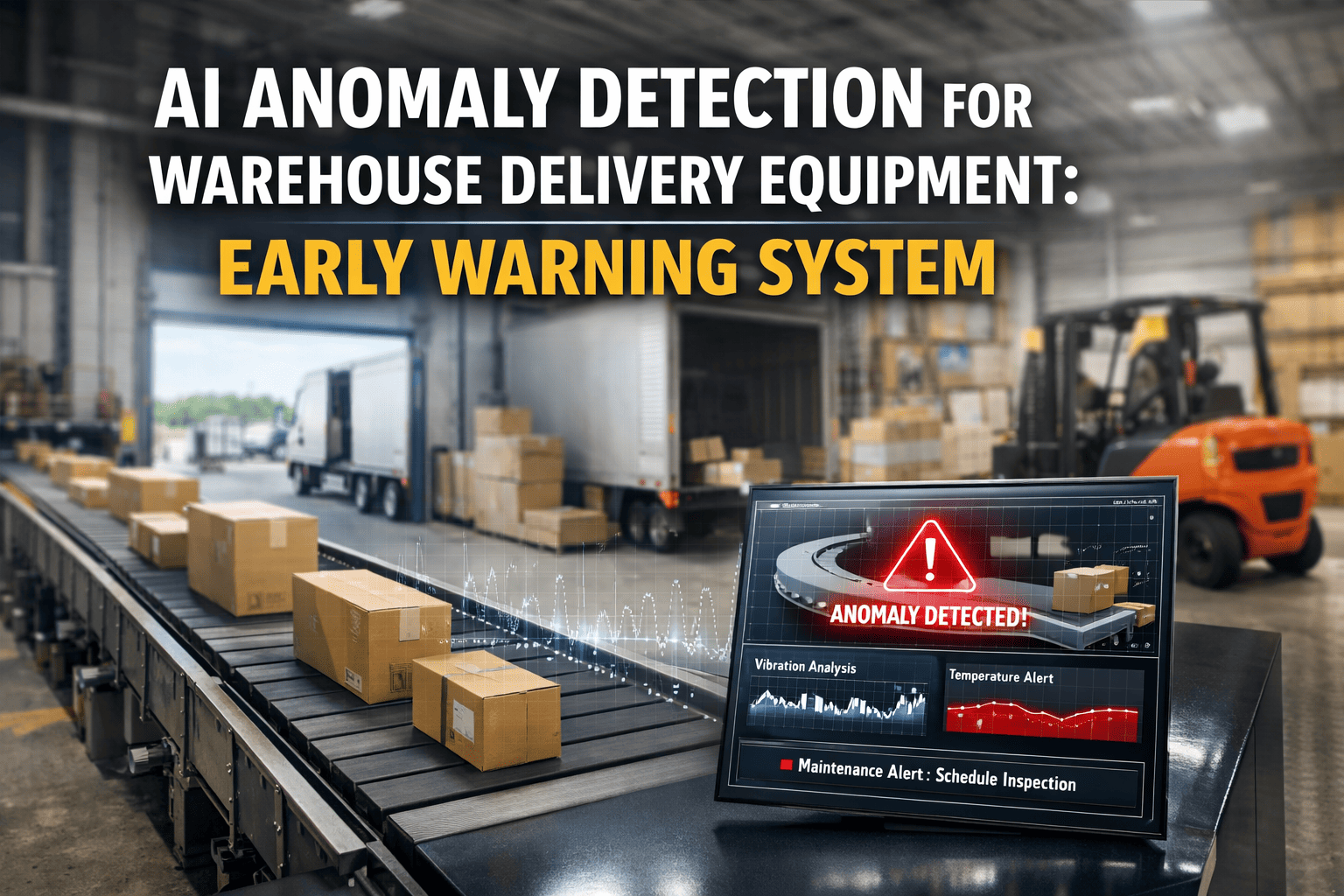
Every shift at a delivery hub generates hundreds of visual inspection moments — a technician checking dock seals, a supervisor scanning conveyor belts, a driver walking around a vehicle. But when these inspections happen on paper or memory, the findings that matter most get lost, delayed, or simply never acted on. OxMaint.ai Vision changes this entirely. By combining mobile photo capture with AI-powered image analysis, OxMaint.ai turns every inspection into a documented, actionable record — detecting visible defects, structural damage, fluid leaks, safety hazards, and equipment deterioration from the photo a technician already took. The result is a delivery hub where nothing that's visible ever stays unreported, and no safety risk falls through the documentation gap. Start your free trial and see what AI vision finds in your first inspection.
AI VISION INSPECTION
See Everything. Miss Nothing. Act Immediately.
OxMaint.ai Vision uses AI image analysis to detect defects, damage, leaks, and safety risks from inspection photos — turning every visual check into a timestamped, actionable maintenance record.
What AI Vision Catches That Humans Miss
Human inspectors are skilled, but they're also under time pressure, working in low-light conditions, and responsible for dozens of assets per shift. AI vision analysis doesn't get tired, doesn't rush, and doesn't guess — it analyzes every pixel of every photo for the specific defect categories that matter in delivery hub environments.
STRUCTURAL
Cracks and Fractures
Hairline cracks in dock floors, racking uprights, vehicle frames, and loading platforms identified before they progress to structural failure.
FLUID
Leaks and Staining
Oil, hydraulic fluid, coolant, and chemical leaks on floors, under vehicles, and beneath dock levelers detected from overhead or close-up photos.
WEAR
Surface Deterioration
Belt fraying, seal wear, gasket degradation, coating failure, and corrosion identified before wear reaches the threshold that causes operational failure.
SAFETY
Safety Hazards
Damaged safety barriers, missing bollard caps, obstructed emergency exits, unsecured loads, and exposed wiring flagged as priority work orders.
DAMAGE
Impact and Collision Damage
Forklift impact marks, dock bumper damage, racking deformation, and vehicle body damage documented from photos submitted immediately after an incident or inspection.
CONDITION
Equipment Condition Trending
AI compares current inspection photos to historical images of the same asset, flagging when deterioration is accelerating faster than the expected wear curve.
How AI Vision Works in OxMaint.ai
1
Technician Takes a Photo
During any inspection — pre-trip, PM, or walkaround — the technician photographs the asset using the OxMaint mobile app. No special equipment or training required.
2
AI Analyzes the Image
OxMaint.ai Vision processes the photo and identifies visible defects, damage categories, and severity levels — returning findings in seconds with annotated confidence markers.
3
Work Order Auto-Generated
Findings above the configured severity threshold automatically trigger work orders assigned to the correct team, with the photo, AI findings, and asset record attached.
4
Record Permanently Stored
Every photo, AI analysis result, and resolution record is stored against the asset permanently — building a visual maintenance history accessible for audits, disputes, and condition trending.
Delivery Hub Asset Categories Covered
| Asset Category |
What Vision Detects |
Consequence if Missed |
| Loading Dock Doors |
Seal gaps, panel damage, bottom bar wear, weather stripping deterioration |
Thermal loss, pest entry, delivery delays |
| Conveyor Systems |
Belt fraying, roller damage, frame cracks, debris accumulation, misalignment |
Stoppage, product damage, injury risk |
| Forklift and MHE |
Hydraulic leaks, mast wear, fork crack, tire degradation, guard damage |
OSHA violation, load drop, operator injury |
| Racking and Shelving |
Upright deformation, beam end connector damage, column guards, anchor bolts |
Catastrophic rack collapse, fatality risk |
| Delivery Vehicles |
Body damage, undercarriage leaks, tire condition, lights, cargo door integrity |
DOT violation, road failure, cargo damage |
| Hub Floor and Structures |
Concrete cracking, spill staining, barrier damage, line marking degradation |
Slip hazard, traffic incident, safety audit failure |
BUILT FOR DELIVERY HUBS
AI Vision Turns Every Photo Into an Actionable Inspection Record
Stop relying on technician recall and paper checklists. OxMaint.ai Vision analyzes photos at point of capture, generates work orders in seconds, and builds a permanent visual maintenance history for every asset in your hub.
Why Delivery Hubs Need AI Vision Now
01
Labour Constraints Make Thorough Inspection Impossible
Hub technicians cover hundreds of assets per shift. AI vision makes every photo count — extracting findings a visual pass alone would never consistently document.
02
OSHA and Insurance Require Documented Safety Inspections
OSHA 1910 and 1926 standards require documented safety inspections for material handling equipment, racking, and powered industrial trucks. AI vision creates this record automatically.
03
Incident Disputes Require Photographic Evidence
When a delivery vehicle is damaged, a rack is hit, or a floor crack causes a fall, photos taken before and after the incident are the primary evidence in insurance and liability disputes.
04
Visual Deterioration Is the Earliest Failure Signal
Most mechanical failures give visual warning signs weeks before they cause downtime. AI vision catches these signals — surface staining, hairline cracks, seal gaps — while they're still cheap to fix.
Frequently Asked Questions
Does AI Vision require special cameras or hardware?
No. OxMaint.ai Vision works with standard smartphone cameras. Technicians and drivers use the OxMaint mobile app to capture and submit photos during any inspection or walkthrough — no additional hardware investment required.
Try it free today.
How accurate is the AI defect detection?
OxMaint.ai Vision returns defect findings with confidence scores so teams can calibrate alert thresholds to their environment. The system improves over time as it processes more inspections from your specific asset types and operating conditions.
Can AI vision be used for forklift and vehicle pre-trip inspections?
Yes. Drivers and operators photograph the vehicle as part of the pre-trip checklist. AI vision analyzes the images and flags defects that require attention before the vehicle is released for operation, creating both an AI finding and a human sign-off record.
How are AI-detected findings escalated to maintenance teams?
Findings above your configured severity threshold automatically trigger a work order, routed to the correct technician or team. The work order includes the photo, AI findings, asset record, and location — everything needed to act immediately.
See a live demo of this workflow.
Is the visual inspection history admissible for OSHA and insurance purposes?
OxMaint inspection records include timestamped photos, digital sign-offs, and AI analysis logs attached to the specific asset record. These records are structured to support OSHA compliance documentation and third-party audit requirements for safety and insurance reviews.
OXMAINT AI VISION FOR DELIVERY HUBS
A Photo Is Worth a Thousand Maintenance Records. Let AI Read Them All.
OxMaint.ai Vision brings AI-powered defect detection to every inspection, every asset, and every shift across your delivery hub — turning standard inspection photos into a safety record, a maintenance trigger, and a compliance document all at once.