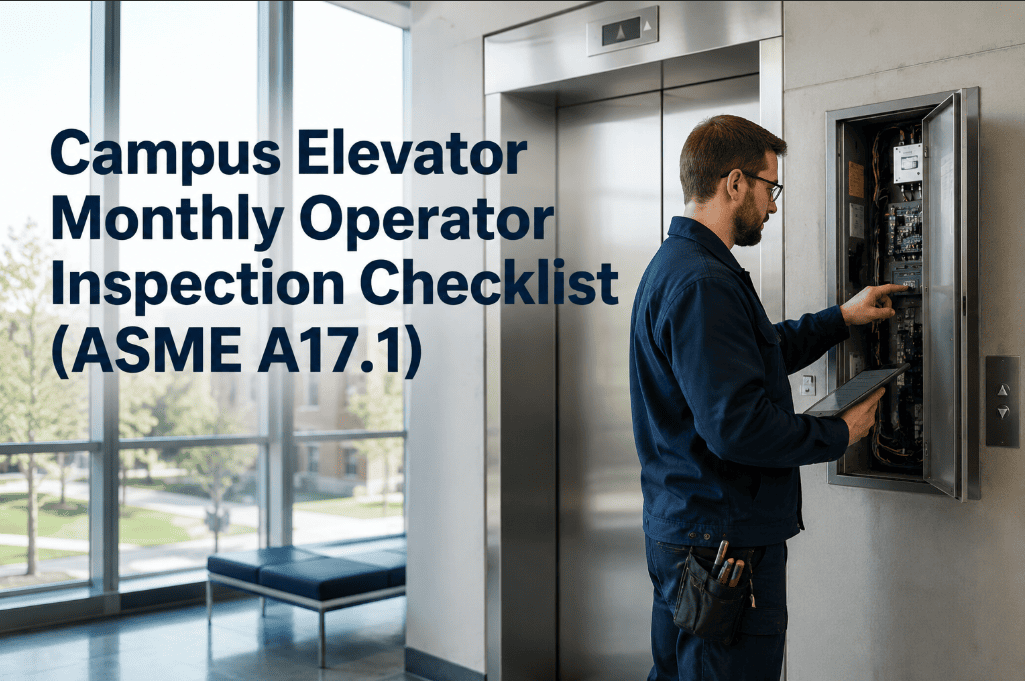
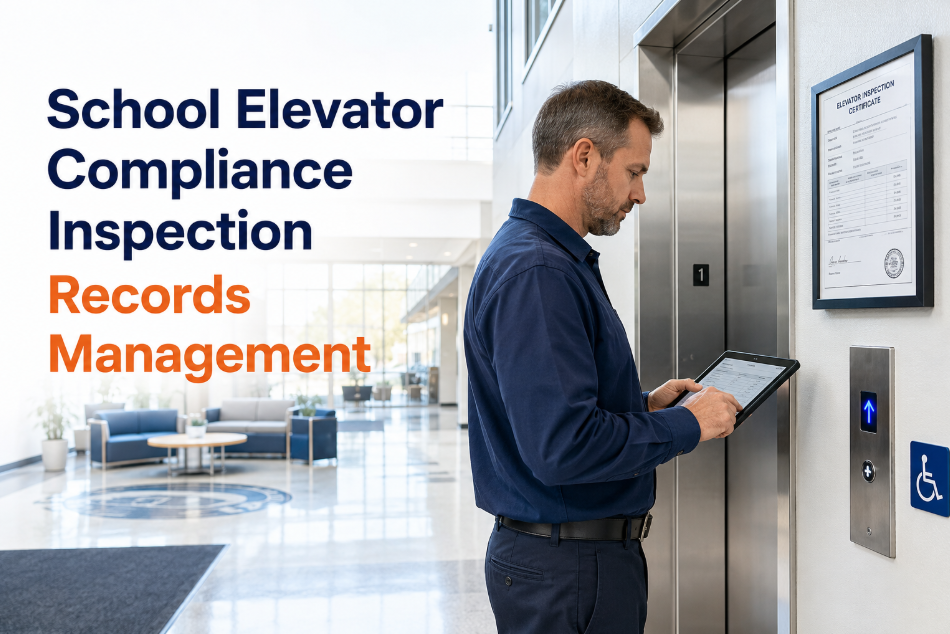
Proactive elevator maintenance for schools changes this equation entirely. Systematic monitoring and compliance tracking continuously verify elevator safety, detecting the early warning signs of mechanical deterioration that periodic inspections alone cannot catch. Instead of reacting to shutdowns, you prevent them—protecting student accessibility while reducing emergency repair costs by up to 55%.
Oxmaint brings comprehensive elevator maintenance management to educational campuses, combining inspection scheduling with compliance documentation to ensure every elevator meets ASME A17.1 standards and ADA accessibility requirements. Schools using proactive elevator management report 80% fewer unplanned shutdowns and maintain 99%+ accessibility uptime for students with disabilities.
Stop Discovering Elevator Problems When Students Can't Get to Class.
Systematic maintenance tracking ensures every elevator is inspected, documented, and compliant—before failures strand students who depend on accessibility.
How Proactive Elevator Maintenance Works for Schools
Traditional elevator maintenance relies on vendor service contracts and annual state inspections. Proactive maintenance adds continuous monitoring, documented compliance tracking, and systematic preventive scheduling that ensures every elevator meets safety codes and accessibility requirements every day—not just on inspection day.
Scheduled Inspections
Automated PM schedules trigger monthly, quarterly, and annual inspections aligned to ASME A17.1 requirements and vendor contracts.
Digital Documentation
Every inspection, repair, and test is timestamped with technician ID, findings, and corrective actions in a searchable compliance database.
Issue Tracking
Problems identified during inspections generate work orders automatically, with severity classification and resolution deadlines.
Compliance Reporting
Generate instant audit reports showing complete maintenance history, inspection status, and code compliance for every elevator on campus.
What CMMS Tracks for Campus Elevators
Different elevator types and components have different maintenance requirements, failure patterns, and regulatory obligations. A comprehensive CMMS tracks the specific parameters that keep each elevator safe, accessible, and compliant. Sign up free to see how maintenance tracking adapts to your specific elevator fleet.
Traction Elevators
Hydraulic Elevators
Door Systems
ADA/Accessibility Features
The CMMS maintains specific checklists for each elevator type and component category, ensuring nothing is missed during inspections regardless of which technician performs the work. Sign up free to start building elevator-specific maintenance workflows.
Live Elevator Status Dashboard
Monitor the compliance and operational status of every elevator on campus from a single dashboard. Real-time status indicators, upcoming inspection alerts, and maintenance histories give facilities teams and administrators complete visibility. Schedule a demo to see the dashboard in action.
Know the Status of Every Elevator—Right Now
Instant visibility into compliance, maintenance status, and upcoming inspections across your entire campus.
Proactive vs. Reactive: The Cost Comparison
The financial case for proactive elevator maintenance goes far beyond repair costs. ADA violations, accessibility complaints, and student safety incidents carry consequences that dwarf any maintenance investment. Sign up free to calculate your potential savings.
Implementation Timeline
Deploying elevator maintenance tracking on campus follows a structured approach that integrates with existing vendor contracts. Most campuses achieve full compliance visibility within 45-60 days. Book a demo to discuss your implementation plan.
Asset Inventory & Documentation
Catalog every elevator on campus: type, capacity, age, vendor contract status, inspection history, and ADA feature inventory. Import existing maintenance records and inspection certificates.
Compliance Schedule Configuration
Build inspection schedules aligned to ASME A17.1 requirements, state codes, and vendor contract terms. Configure automated reminders for monthly checks, annual tests, and 5-year certifications.
Vendor Integration & Training
Connect elevator service vendor workflows to your CMMS. Train facilities staff on mobile inspection checklists, issue reporting, and compliance dashboard. Establish escalation protocols for safety issues.
Full Compliance Monitoring
All elevators tracked with automated inspection scheduling, compliance status dashboards, ADA accessibility verification, and instant audit report generation. Continuous optimization begins.
Frequently Asked Questions
Have questions about implementing elevator maintenance tracking at your campus? Sign up free to explore the platform, or schedule a demo for personalized answers from our team.
Ensure Every Student Can Access Every Floor
Elevator failures don't just create maintenance headaches—they deny accessibility to students who need it most. Build the systematic compliance program that keeps every elevator running, every inspection documented, and every student able to reach their classroom.
Start tracking in minutes. Achieve full compliance visibility in weeks.