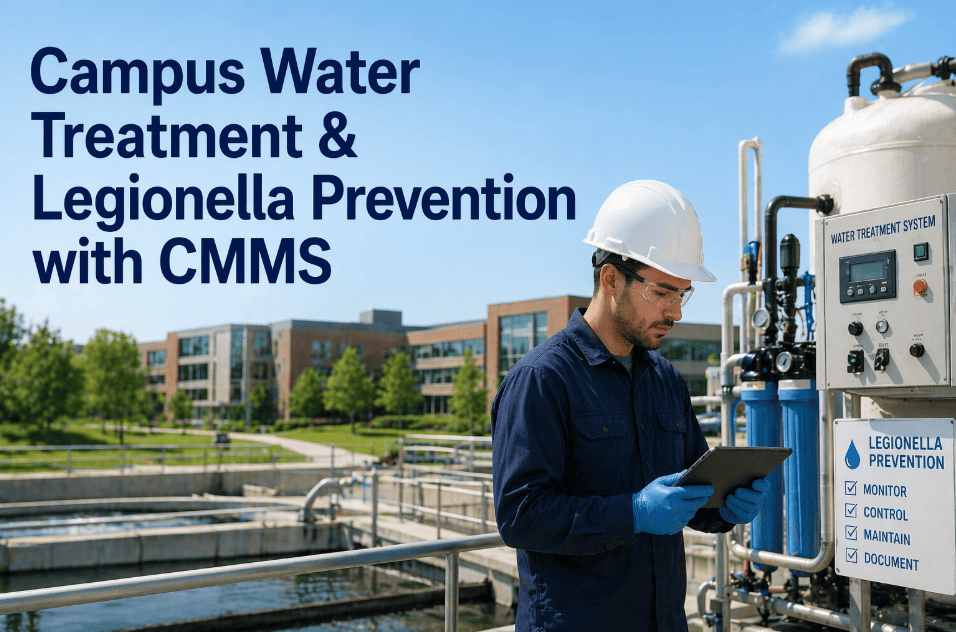
The email arrived on a Tuesday morning in August. A parent's child had developed pneumonia after the first week back at school. Then another case. Then a third. By Friday, the district's superintendent was standing in front of news cameras explaining why three elementary schools were closed indefinitely. The culprit: Legionella bacteria that had colonized dormant water systems during summer break. Water that sat stagnant in pipes for ten weeks had transformed from a utility into a health hazard. The investigation revealed no flushing protocols, no temperature monitoring and no water management program. This scenario plays out across American schools every year because water systems that sit idle during extended breaks become breeding grounds for dangerous pathogens.
Legionnaires' disease isn't rare, and it's getting more common. CDC data shows reported cases have increased nearly nine-fold since 2000, with the disease now recognized as the leading cause of drinking water-related illness outbreaks in the United States. Schools face heightened risk because of their unique operational pattern: buildings designed for constant occupancy that sit vacant for extended periods multiple times per year. Every summer break, every winter holiday, every spring recess creates conditions where water stagnates, disinfectant residuals decay, and temperature-controlled systems drift into the bacterial growth zone. Districts ready to address these risks proactively can connect with water safety specialists to assess their current protocols.
Understanding Where Legionella Hides in Your Schools
Legionella bacteria exist naturally in freshwater environments, but they become dangerous when they colonize building water systems and reach concentrations high enough to cause disease. The bacteria spread through aerosolized water droplets, meaning any fixture that creates mist or spray becomes a potential transmission point. In school settings, this includes drinking fountains, locker room showers, science lab faucets, kitchen sprayers, decorative fountains, and cooling tower drift.
The Summer Break Challenge: Why 10 Weeks Changes Everything
A Purdue University study published in ACS ES&T Water examined water quality in a school building after six months of closure. The findings were sobering: approximately 5% of fixtures tested positive for Legionella pneumophila, including a drinking fountain sample containing dangerous bacterial levels. Even after shock chlorination remediation, some fixtures that were previously negative tested positive for Legionella, demonstrating that improper remediation can actually spread contamination.
When buildings sit idle, hot water systems cool toward ambient temperature while cold water warms, both drifting into the 77-113°F danger zone where Legionella multiplies most rapidly. Simultaneously, chlorine and other disinfectant residuals that normally suppress bacterial growth decay over time, leaving water unprotected. Schools with documented water management programs can schedule a system assessment to identify gaps before the next extended break.
Building Your Water Management Program: The ASHRAE 188 Framework
ASHRAE Standard 188 establishes the framework for Legionella risk management in building water systems, and its requirements apply to virtually every K-12 facility. The standard mandates that building owners implement a water management program whenever conditions exist that could support Legionella growth and transmission.
The most effective water management programs aren't paper documents that sit on shelves. They're living systems integrated into daily operations through digital work orders, automated reminders, and mobile inspection tools. Districts managing multiple buildings benefit from centralized dashboards that aggregate compliance data across all facilities. For teams still relying on paper logs and spreadsheets, transitioning to digital water management tracking typically reduces compliance time by 50-70% while improving audit readiness.
Holiday and Summer Break Flushing Protocols
CDC guidance is explicit: buildings must flush water systems before reopening after extended closures to replace stagnant water with fresh utility supply. But the details matter enormously. Effective protocols require flushing during the closure period, at minimum weekly for breaks exceeding seven days, plus a final flush before students return.
Managing flushing schedules across an entire district requires coordination that paper systems cannot provide. A single high school may have 200+ fixtures requiring weekly attention during summer break. Mobile CMMS platforms allow facilities directors to assign flushing routes to specific staff, verify completion through GPS-tagged work orders, and flag any building where tasks are overdue. Districts looking to streamline their summer protocols can see how digital work order management works in a 30-minute demonstration.
Expert Perspective: What Health Officials See in Schools
"Schools need specific strategies for managing water systems during extended breaks. This might involve scheduled flushing programmes, holiday sampling regimes, and careful recommissioning procedures before terms begin. What we consistently find is that the facilities with documented, systematic approaches pass inspections, while those relying on informal practices face compliance gaps they didn't know existed."
The districts that consistently maintain safe water systems share common characteristics: they've moved beyond reactive maintenance to systematic prevention. Their water management programs are integrated into their overall maintenance management systems, with automated task generation ensuring nothing falls through the cracks. That level of operational readiness doesn't happen by accident. It requires purpose-built tools designed for facilities compliance.
Protecting Students Starts With Systematic Water Management
Every child who walks through your school doors deserves safe drinking water and air. Every parent who trusts your district with their children's health expects you to manage risks they can't see. Water safety isn't a one-time project. It's an ongoing operational commitment that requires the right systems, the right protocols, and the right documentation to execute consistently year after year, break after break.