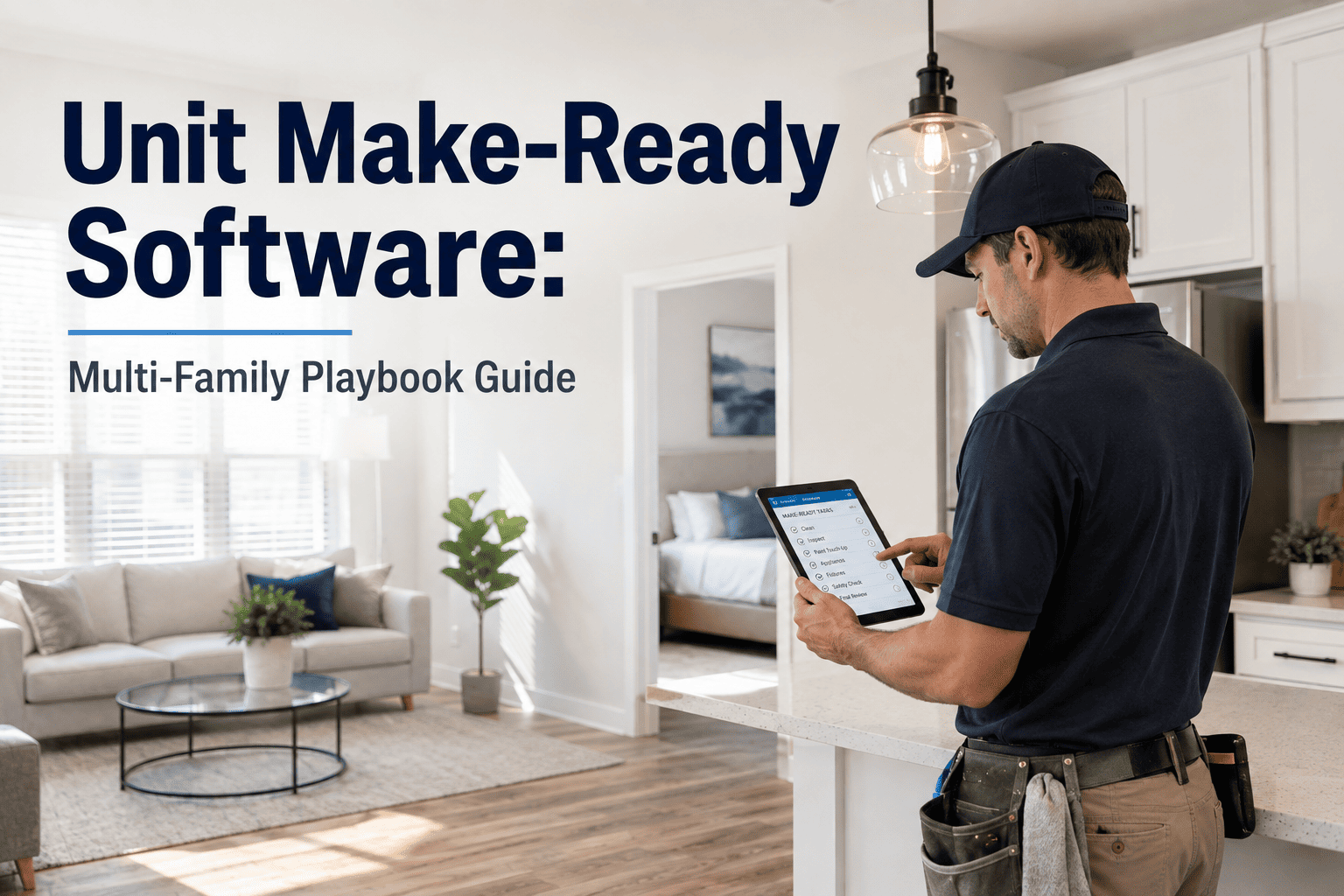
Every day an apartment sits between residents is a day of rent that never comes back, and most communities lose far more of it than they realize. The industry benchmark for a make-ready is 5 to 7 days, yet the typical property management company actually takes 7 to 10, and portfolios without a standardized turn process routinely stretch to 14 or 21 days per unit. At an average rent near $1,740 a month, that gap alone can cost $500 to $1,200 in vacancy loss on a single unit — before a dollar is spent on paint, flooring, or cleaning. The all-in cost of a turnover, vacancy included, now averages $3,872 per unit, and that number has climbed 17.5% in the past year. Start a free trial with Oxmaint to see how a structured turn workflow keeps every unit moving from move-out to move-in without the coordination gaps that quietly add days.
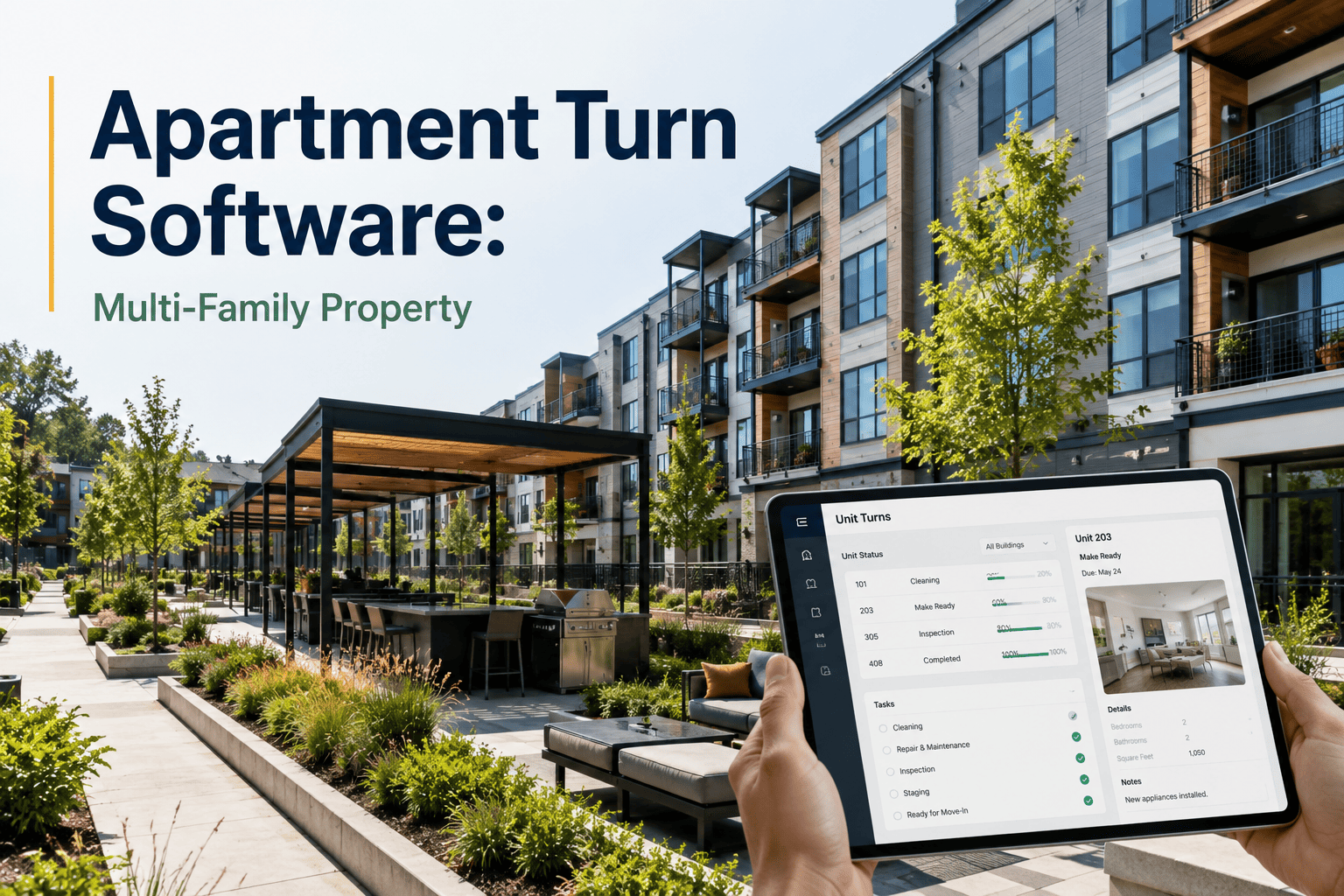
Apartment Turn Software: Multi-Family Property
The make-ready, punch, and QC workflow that separates communities turning units in 5 days from the ones still losing weeks — and revenue — per vacant unit.
Why Every Extra Turn Day Costs More Than the Work Itself
Property teams tend to measure a turn by its invoice — cleaning, paint, flooring, repairs. The bigger number sits underneath it: lost rent. At today's average rent, every vacant day costs roughly $50 to $60, so a turn that drags from a 5-day benchmark to the industry-typical 9 or 10 days quietly adds $200 to $250 in vacancy cost on top of whatever the vendor invoice says. Stretch that same turn to 14 or 21 days, which happens routinely without a standardized process, and the vacancy cost alone can rival the entire scope of work.
There is a second, quieter cost to cutting corners instead: skipping small line items like HVAC service or minor drywall patches saves $50 to $200 per turn on paper, but that deferred work almost always resurfaces as a resident service request or a move-out damage dispute within 60 days — usually costing more the second time around, with a frustrated new resident attached.
The 6-Step Turn Every Unit Actually Goes Through
Walk the unit against the move-in condition report, documenting damage, wear, and everything the outgoing resident left behind.
Clear left-behind items first — the single most common bottleneck — then work every repair ticket from the inspection.
Touch-up or full repaint depending on wall condition, scheduled after repairs so fresh paint isn't damaged by follow-on work.
Carpet or flooring replacement where needed — one of the largest cost and schedule swings between a light and heavy turn.
A deep clean of every surface once repair and paint dust has settled, preparing the unit for its final walk-through.
A final inspection against a standard checklist. The unit is only truly move-in ready once it passes this gate.
The Three Places Every Slow Turn Loses Time
A trade finishes and nobody schedules the next one. Turns stretching past two or three weeks usually trace back to gaps like this, not the actual scope of work.
Junk and left-behind items are consistently the most common bottleneck at the start of the process, holding up every step that follows.
A punch walk that finds problems without a clear list sends work back and forth between vendors, adding days a tight checklist would have prevented.
What Separates a 5-Day Turn From a 21-Day Turn
See Where Your Turns Are Losing Days
Get a live walkthrough of the same vendor dispatch, punch list, and QC workflow that keeps top-performing communities under the 5-day benchmark.
Built for the Full Turn Cycle, Unit by Unit
Each stage of the turn triggers the next trade automatically, replacing phone-call coordination with a workflow nobody has to chase manually.
See every unit's turn stage across the whole property or portfolio at a glance, instead of asking site staff for an update.
A consistent checklist applied to every unit before it's marked move-in ready, cutting the rework loops that stretch out timelines.
Compare average turn time, cost, and bottlenecks across every property, so slow-performing sites get identified early, not at year-end.
What a Standardized Turn Process Delivers
Common Questions About Apartment Turn Software
What is a realistic apartment turn benchmark in 2026?
Industry data puts the standard at 5 to 7 days, though the typical property management company still takes 7 to 10. Start a free trial to see where your portfolio actually lands.
Why do turns without a standardized process take so much longer?
Communities relying on phone calls and memory for vendor scheduling routinely stretch to 14 to 21 days, since gaps between trades are the most common source of lost time.
Is it worth cutting scope on a turn to save money?
Rarely. Skipped items like minor repairs or HVAC service save $50 to $200 upfront but tend to reappear as resident work orders or damage claims within 60 days, usually costing more.
How much does a slow turn actually cost in lost rent?
At today's average rent, every vacant day runs roughly $50 to $60, so a turn stretching from 5 days to 10 quietly adds $200 to $250 in vacancy cost alone.
Can one platform manage turns across an entire multi-family portfolio?
Yes — turn status, punch lists, and vendor dispatch work best in one system that reports across every property, not spreadsheets per site. Book a demo to see the portfolio view.
Get Every Unit Move-In Ready, Faster
Oxmaint coordinates every stage of the apartment turn from move-out inspection to QC sign-off, keeping vacancy days — and the cost that comes with them — as close to zero as possible.