Facility managers across the United States spend an average of 12 hours per week chasing maintenance backlogs, juggling spreadsheets, and fielding emergency repair calls that a proper system would have predicted days ago. The right CMMS eliminates that chaos by centralizing work orders, automating preventive schedules, and giving your team real-time visibility into every asset on your property. If your operation still runs on paper logs or disconnected tools, start your free Oxmaint account and see the difference within a single shift.
Why Most Facility Teams Outgrow Spreadsheets by Year Two
Spreadsheets and email threads were never designed to manage hundreds of assets across multiple buildings. They cannot trigger preventive maintenance automatically, track technician performance in real time, or generate compliance reports on demand. As facilities scale, these gaps become expensive — missed inspections lead to regulatory fines, reactive repairs cost three to five times more than planned maintenance, and institutional knowledge walks out the door with every departing technician. A purpose-built CMMS like Oxmaint replaces fragile workarounds with a single source of truth for your entire maintenance operation.
What to Look for in a CMMS for U.S. Facility Management
Not every CMMS is built for the realities of managing commercial, industrial, or institutional facilities in the United States. The best platforms share a core set of capabilities that separate genuine operational tools from glorified ticketing systems. Before comparing vendors, create your free Oxmaint account and benchmark it against these essentials.
Work Order Management
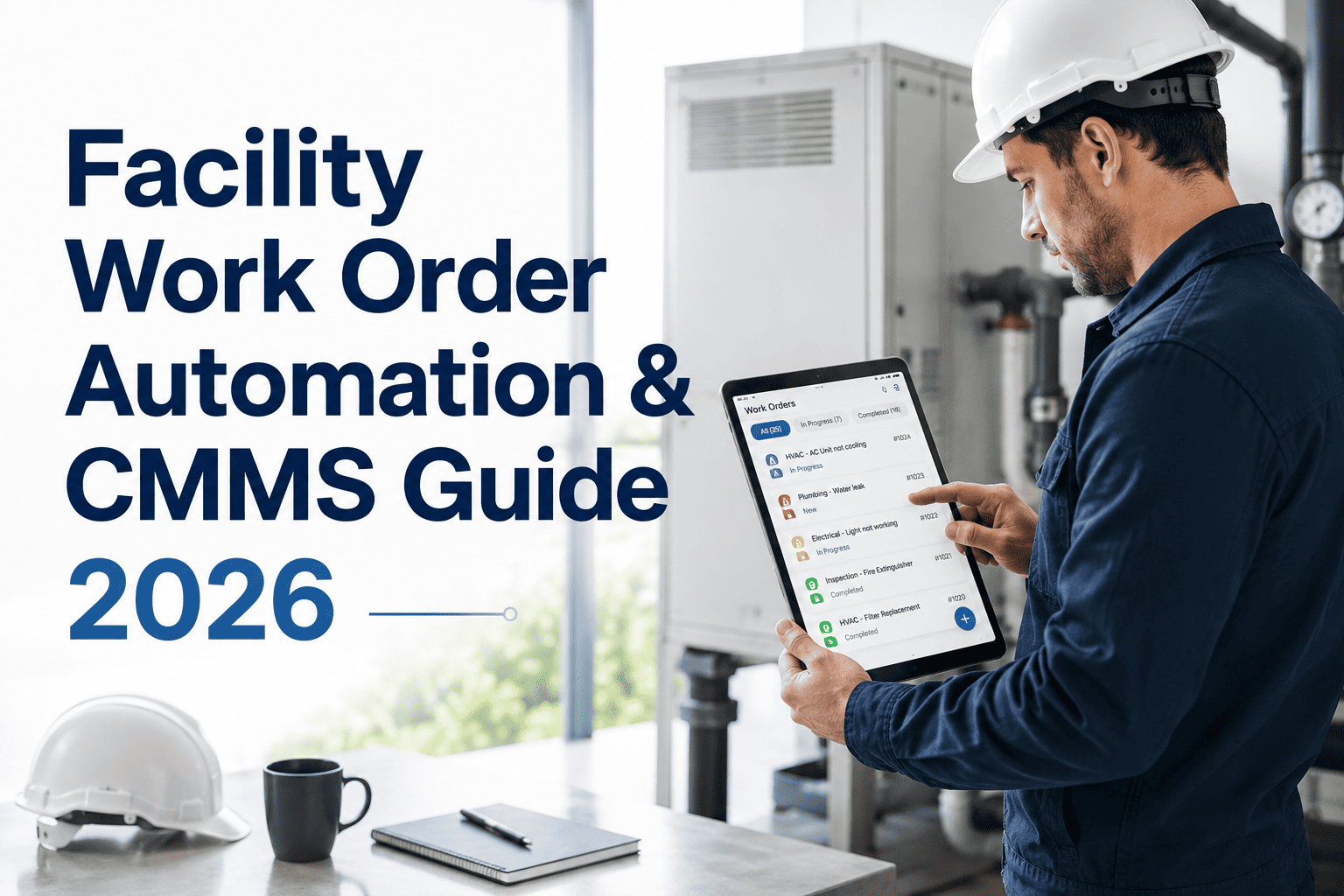
The backbone of any CMMS. Your platform must allow technicians to create, assign, prioritize, and close work orders from any device — with photo attachments, parts tracking, and time logging built in. Look for automated routing rules that send the right ticket to the right technician based on skill set, location, and current workload.
Preventive Maintenance Scheduling
Reactive maintenance costs facilities up to five times more than planned interventions. A strong CMMS auto-generates PM tasks based on time intervals, meter readings, or condition triggers — ensuring nothing falls through the cracks regardless of staff turnover or seasonal workload shifts.
Asset Lifecycle Tracking
Every HVAC unit, elevator, fire suppression system, and generator in your facility has a maintenance history, warranty status, and expected lifespan. Your CMMS should store all of this in one searchable record — making replacement planning, vendor negotiations, and audit preparation straightforward rather than frantic.
Reporting and Compliance Dashboards
U.S. facilities must comply with OSHA, EPA, Joint Commission, and local fire codes depending on industry. Your CMMS needs to generate audit-ready reports on demand — not after three days of manual data pulls. Book a demo with Oxmaint to see how one-click compliance reporting works.
2026 CMMS Comparison: Top Platforms for U.S. Facilities
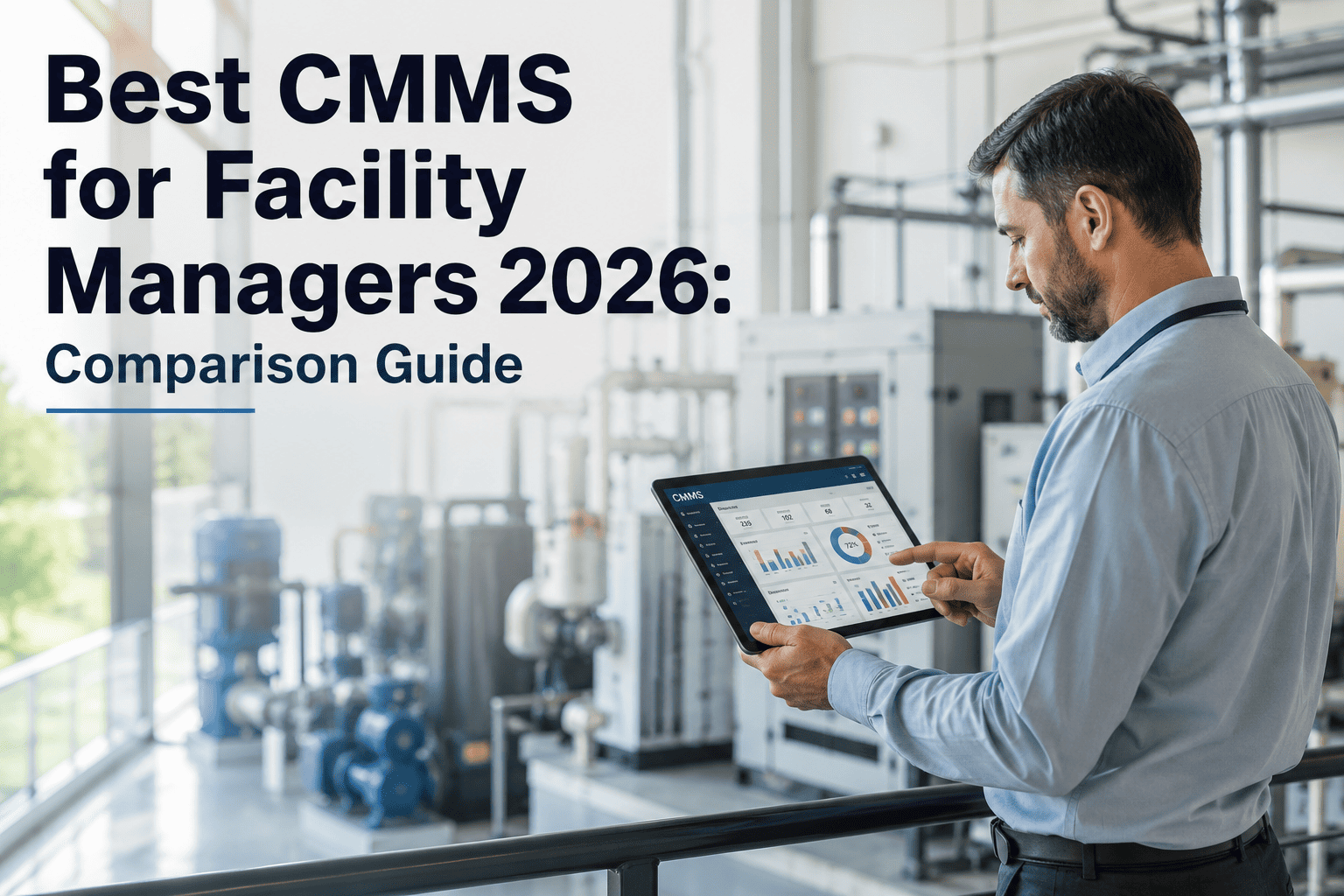
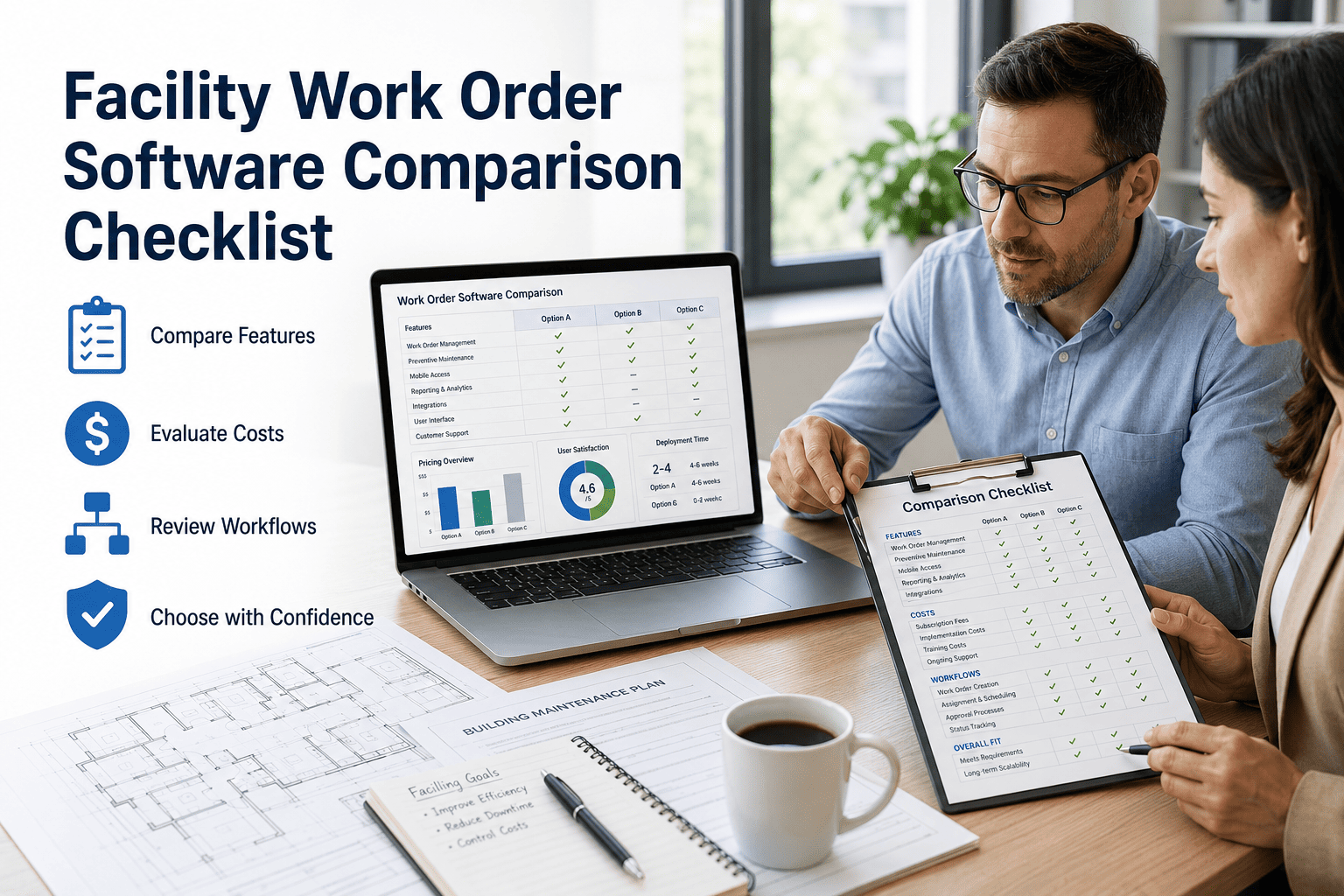
We evaluated the leading CMMS platforms based on the criteria that matter most to facility management teams operating in the United States — mobile usability, preventive maintenance depth, compliance support, ease of deployment, and total cost of ownership.
| Feature | Oxmaint | Fiix | UpKeep | eMaint |
|---|---|---|---|---|
| Mobile-First Interface | Partial | |||
| Free Tier Available | ||||
| Setup Time | Under 1 hour | 1-2 weeks | 2-5 days | 2-4 weeks |
| Preventive Maintenance | ||||
| QR / Barcode Scanning | Add-on | |||
| OSHA Compliance Templates | Partial | |||
| Multi-Site Management | Paid tier | |||
| Pricing (per user/mo) | From $0 | From $45 | From $45 | From $69 |
What Sets Oxmaint Apart for U.S. Facility Teams
While every platform on the list handles basic work orders, Oxmaint was designed specifically for the operational realities of facility management — fast deployment, zero learning curve, and a pricing model that does not punish you for growing. Here is what that looks like in practice.
Deploy in Under 60 Minutes
No IT department required. Import your asset list, invite your team, and start issuing work orders the same day. Oxmaint runs entirely in the browser and on mobile — no installations, no servers, no waiting.
True Mobile-First Experience
Technicians live on the floor, not at a desk. Oxmaint was built for phones first — work order updates, photo attachments, parts requests, and time logging all happen from the palm of your hand with offline sync for areas with poor connectivity.
Built-In U.S. Compliance
Pre-loaded templates for OSHA, NFPA, EPA, and Joint Commission inspections. Generate audit-ready documentation in one click. Never scramble before an inspection again — your compliance record builds itself as your team completes maintenance tasks.
Free Tier That Actually Works
Unlike competitors who gate core features behind expensive plans, Oxmaint offers work orders, preventive maintenance, and asset tracking on a genuinely free plan. Scale up only when you need advanced analytics, multi-site controls, or enterprise integrations.
How U.S. Facility Teams Use Oxmaint Daily
A CMMS only delivers value when your team actually uses it. Here are the five workflows that Oxmaint users activate most within their first week of deployment — each one replacing a manual process that used to consume hours. Sign up for free and activate these workflows today.
Tenant and Occupant Request Portal
Tenants submit maintenance requests via a branded web link — no app download required. Requests convert to work orders automatically, get routed to the right technician, and trigger status updates back to the requester. Your front desk stops being a switchboard.
Automated PM Calendar
Set it once and the system handles the rest. Filter changes, belt inspections, fire extinguisher checks, roof drain cleaning — all generated on schedule with step-by-step checklists your technicians follow on their phones.
Parts Inventory and Reorder Alerts
Track spare parts usage per work order. When stock drops below your set threshold, Oxmaint notifies the purchasing team. No more emergency runs to the supply house because someone used the last HVAC filter without logging it.
Vendor and Contractor Coordination
Assign work orders to external vendors with controlled access. They see only their assigned tasks, update completion status, and attach invoices — all within the same system. No more chasing contractors for status updates via email.
Emergency Escalation Workflows
Critical failures — burst pipes, power outages, elevator entrapments — trigger escalation chains that notify on-call staff via push notification and SMS. Time-stamped response logs protect your team during post-incident reviews and insurance claims.