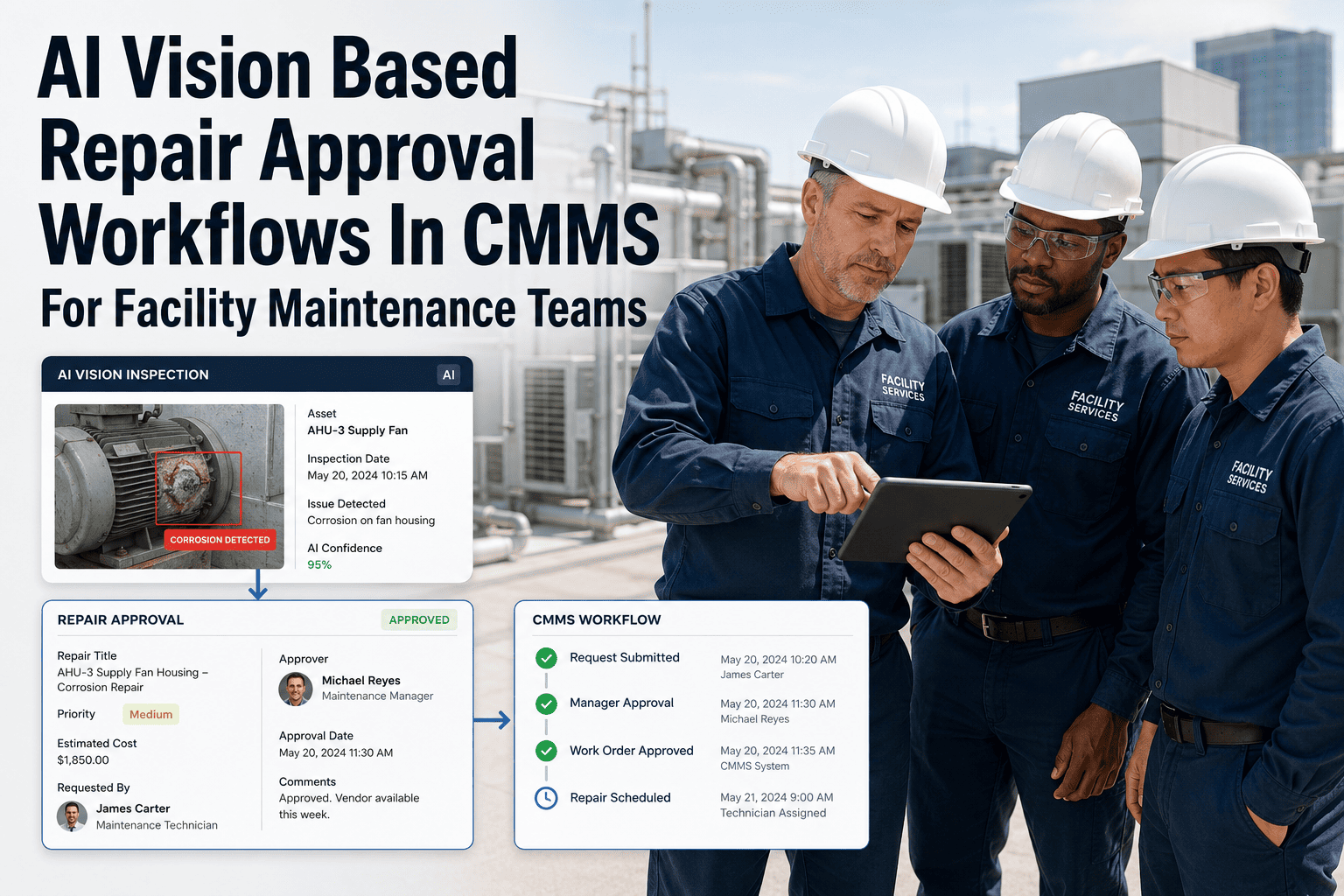
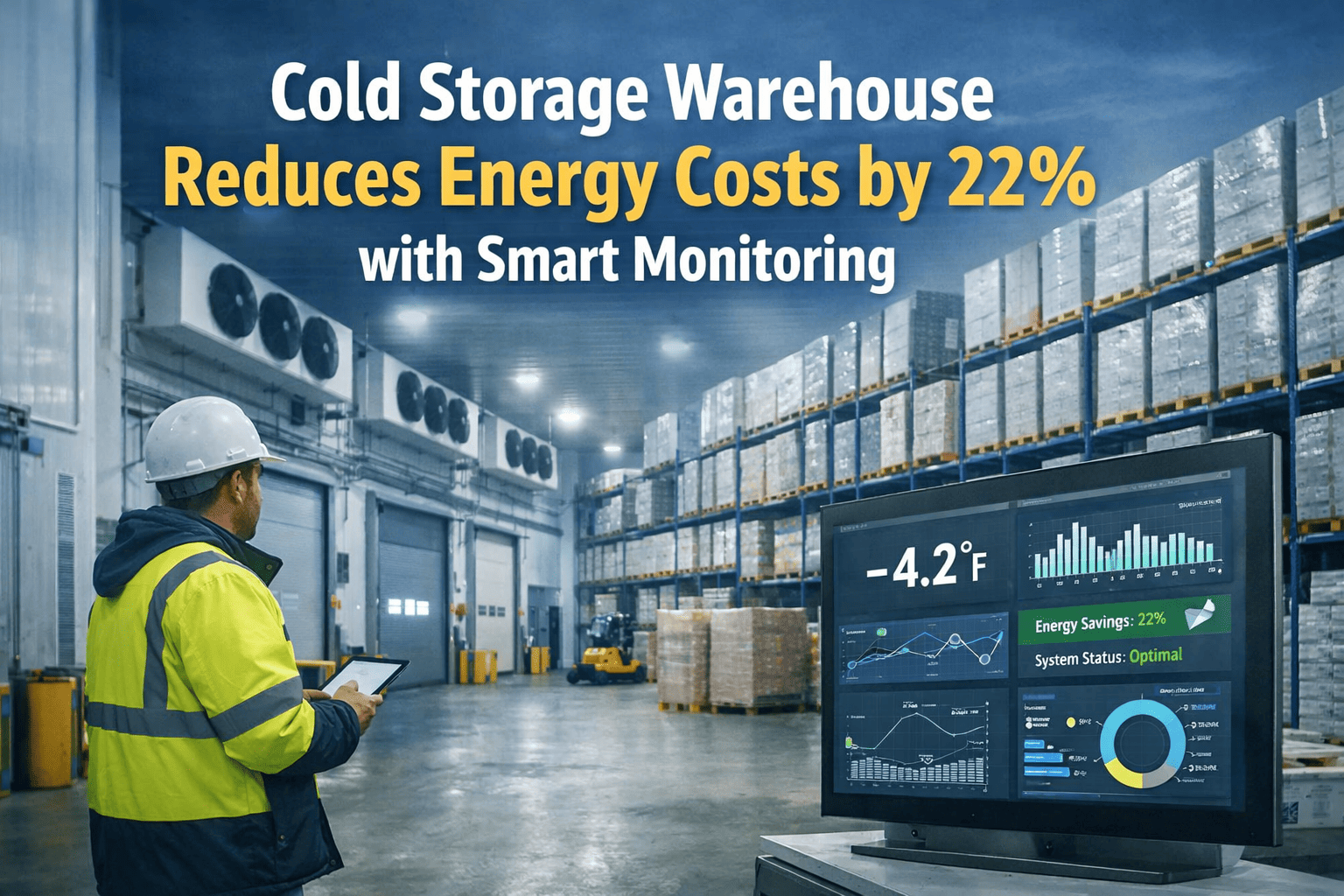
Lighting panel teams face a new operational reality. Traditional methods—manual inspections, paper checklists, and reactive troubleshooting—struggle to keep pace with modern building complexity and energy efficiency demands. IoT-enabled workflows transform how teams monitor, maintain, and optimize lighting infrastructure, turning scattered panel data into unified intelligence that drives faster response times and measurable energy savings. Schedule a consultation to explore how IoT workflows can streamline lighting operations at your facility.
40%
Energy Savings
Smart lighting with IoT sensors reduces consumption through occupancy-based automation
65%
Faster Fault Detection
IoT alerts identify panel issues before manual inspections would catch them
30%
Maintenance Cost Reduction
Predictive workflows eliminate unnecessary truck rolls and emergency repairs
Why Lighting Panel Teams Need IoT Workflows
Building managers and lighting technicians operate under increasing pressure—energy compliance mandates, occupant comfort expectations, and shrinking maintenance budgets demand more from every team member. Manual monitoring methods miss the real-time patterns that signal developing problems, leaving teams to discover issues only after failures occur or utility bills spike.
Real-Time Visibility
Monitor every panel, circuit, and fixture from a single dashboard. Know instantly when consumption deviates from baseline.
Automated Work Orders
IoT triggers generate maintenance tasks automatically when sensors detect anomalies or fixtures reach replacement thresholds.
Usage-Based Scheduling
Replace time-based maintenance with runtime-driven schedules. High-traffic zones get attention first.
Energy Analytics
Track consumption by zone, floor, and fixture type. Identify waste patterns and validate savings initiatives.
Ready to modernize your lighting maintenance workflow? Join facility teams using IoT-connected CMMS to reduce response times and cut energy waste.
A connected lighting workflow integrates sensors, panels, and maintenance software into a unified system that captures operational data, processes it intelligently, and triggers the right actions at the right time.
Connected Lighting Workflow SystemFrom sensor data to maintenance action
Panel controllersGateway devicesLocal data validationReal-time alerts
Layer 3
CMMS Integration
Automated work ordersAsset trackingInventory managementReporting dashboards
Key IoT Monitoring Points for Lighting Panels
Effective IoT workflows require strategic sensor placement across your lighting infrastructure. Each monitoring point serves specific diagnostic and optimization purposes that directly impact team efficiency and energy performance.
Main Panel Boards
Frequency: Every 30 seconds
Data Points: Voltage, current, power factor, temperature
The contrast between conventional lighting maintenance and IoT-driven workflows reveals why connected systems deliver consistently better outcomes for facility teams managing complex lighting infrastructure.
Workflow Approach Comparison
Traditional Maintenance
X
Scheduled inspections regardless of actual condition
Reactive repairs after occupant complaints
Paper-based checklists and manual logging
No visibility into runtime or energy patterns
Emergency callouts for unexpected failures
25%+of maintenance budget spent on reactive work
IoT-Enabled Workflow
✓
Condition-based maintenance triggered by real data
Proactive alerts before visible failures occur
Automated work orders with complete asset history
Real-time dashboards for energy and performance
Predictive scheduling based on fixture runtime
<10%reactive maintenance with proactive workflows
Automated Workflow Triggers
IoT sensors generate the data, but workflow automation turns that data into action. Smart triggers ensure the right technician receives the right work order at the right time—without manual intervention or oversight gaps.
Common IoT Workflow Triggers
Energy Alert
Consumption exceeds baseline by 15%
Action: Generate inspection work order, flag zone for energy audit
Thermal Warning
Panel temperature exceeds 140°F
Action: Create urgent work order, notify supervisor, reduce load if possible
Runtime Threshold
Fixture reaches 40,000 operating hours
Action: Schedule replacement, reserve inventory, assign to next PM cycle
Sensor Failure
Occupancy sensor stops reporting
Action: Create diagnostic work order, check zone for override status
Schedule Deviation
Lights active outside programmed hours
Action: Log event, investigate override source, calculate energy impact
Driver Degradation
LED driver output drops below 80%
Action: Schedule proactive replacement before complete failure
Implementation Roadmap
Deploying IoT workflows for lighting panels requires a phased approach that validates technology, builds team confidence, and scales systematically across your facility portfolio.
Deployment Timeline
1
Week 1-2
Assessment & Planning
Inventory existing panels and fixturesIdentify high-priority monitoring zonesDefine workflow triggers and escalation rules
2
Week 3-4
Pilot Installation
Deploy sensors on 2-3 critical panelsConfigure gateway and data connectivityIntegrate with CMMS work order system
3
Week 5-6
Validation & Training
Calibrate alert thresholds based on actual dataTrain technicians on mobile work order responseEstablish baseline metrics for comparison
4
Week 7+
Scale & Optimize
Expand to remaining panels and zonesRefine automation rules based on outcomesDevelop predictive maintenance models
Get a customized implementation plan.Sign up for Oxmaint and our team will map out IoT integration for your specific facility.
Connected lighting workflows deliver measurable returns across multiple value streams—from direct energy savings to reduced labor costs and extended equipment life. The compounding benefits typically achieve full payback within 12-18 months.
Documented Operational BenefitsBased on facility deployment data across commercial and industrial buildings
60%
Reduction in emergency lighting repairs
45%
Faster work order completion time
35%
Energy cost savings through optimization
25%
Extension in fixture replacement cycles
Transform Your Lighting Panel Operations
Oxmaint connects your lighting infrastructure to intelligent workflows—centralizing sensor data, automating work orders, and delivering real-time visibility across every panel and zone. Stop managing lighting maintenance by spreadsheet and start operating with connected intelligence.
What types of lighting panels work with IoT workflows?
IoT monitoring works with virtually any panel type—from traditional circuit breaker panels to modern intelligent lighting control panels. Retrofit sensors can be added to legacy infrastructure without replacing existing equipment, while newer panels often have built-in connectivity. Schedule a consultation to assess compatibility with your specific panel types.
How do IoT sensors integrate with our existing CMMS?
Modern IoT platforms use standard APIs and protocols to connect with CMMS software. Sensor data flows through gateways to the cloud, where automation rules translate alerts into work orders. Oxmaint provides native IoT integration that automatically generates maintenance tasks, assigns technicians, and tracks completion without manual data entry.
What's the typical payback period for IoT lighting workflows?
Most facilities achieve full ROI within 12-18 months through combined savings from reduced emergency repairs, lower energy costs, and improved labor efficiency. Quick wins from early anomaly detection often offset initial sensor costs within the first quarter. Sign up for a free account to calculate projected savings for your facility.
Do we need special training for technicians to use IoT workflows?
IoT workflows actually simplify technician work by providing clear, actionable work orders with complete context—asset history, location, symptoms, and recommended actions. Mobile-friendly interfaces require minimal training, and technicians typically prefer receiving specific alerts over generic scheduled inspections.
How do IoT sensors handle network connectivity issues?
Enterprise IoT sensors include local buffering that stores data during connectivity interruptions and syncs automatically when connection resumes. Critical alerts can be routed through multiple channels including cellular backup. Edge processing ensures essential monitoring continues even without cloud connectivity. Book a demo to see how redundancy protects your operations.