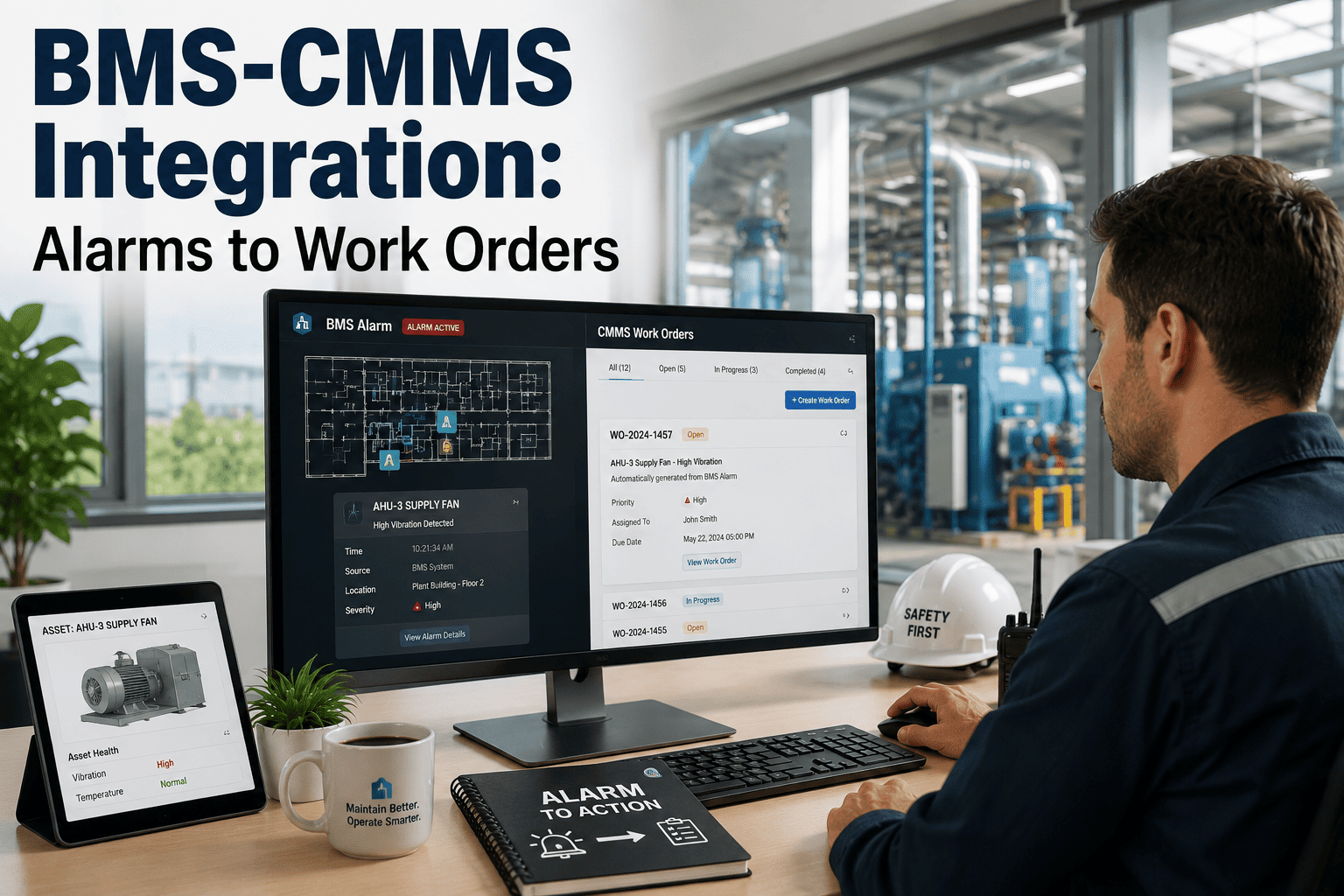
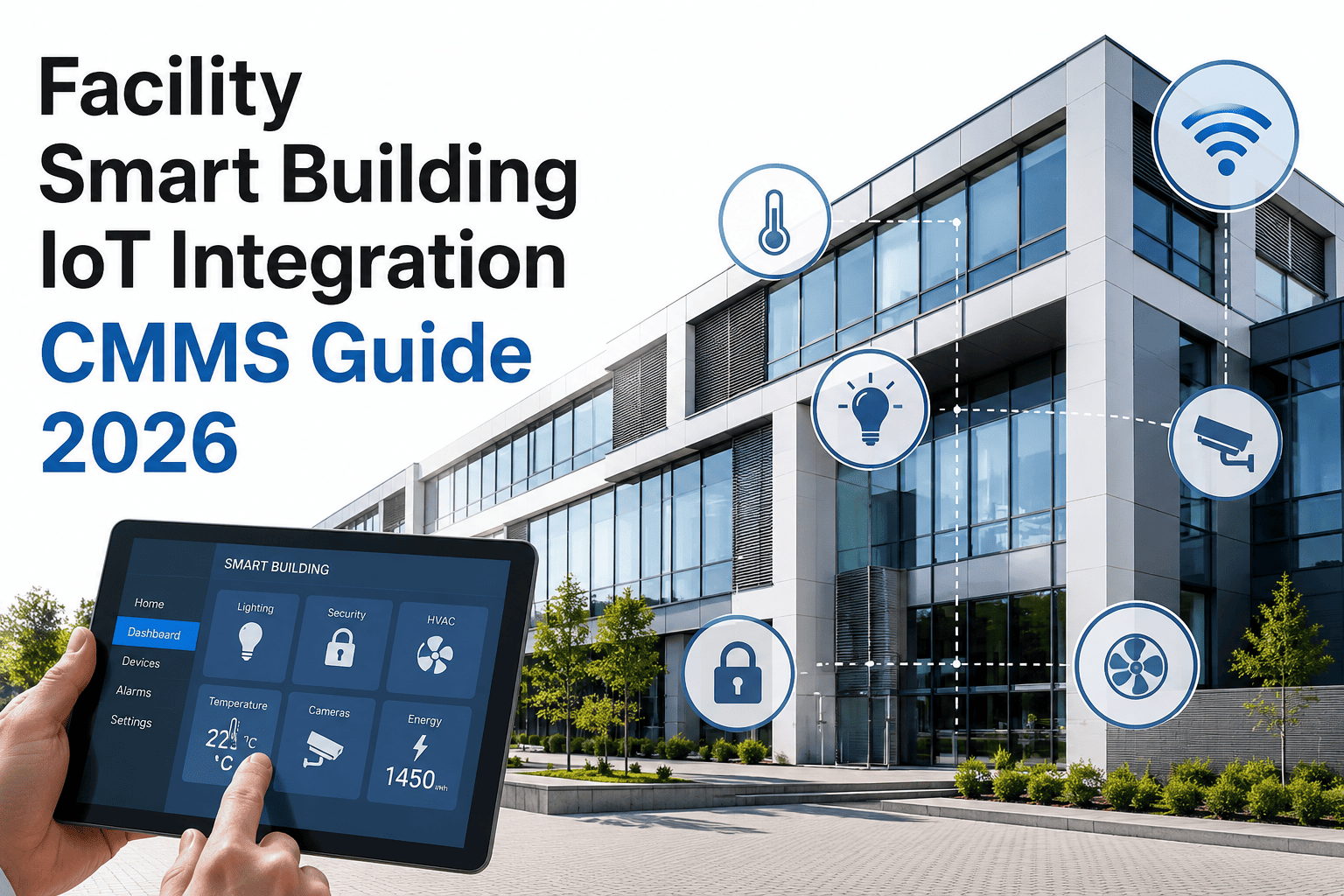
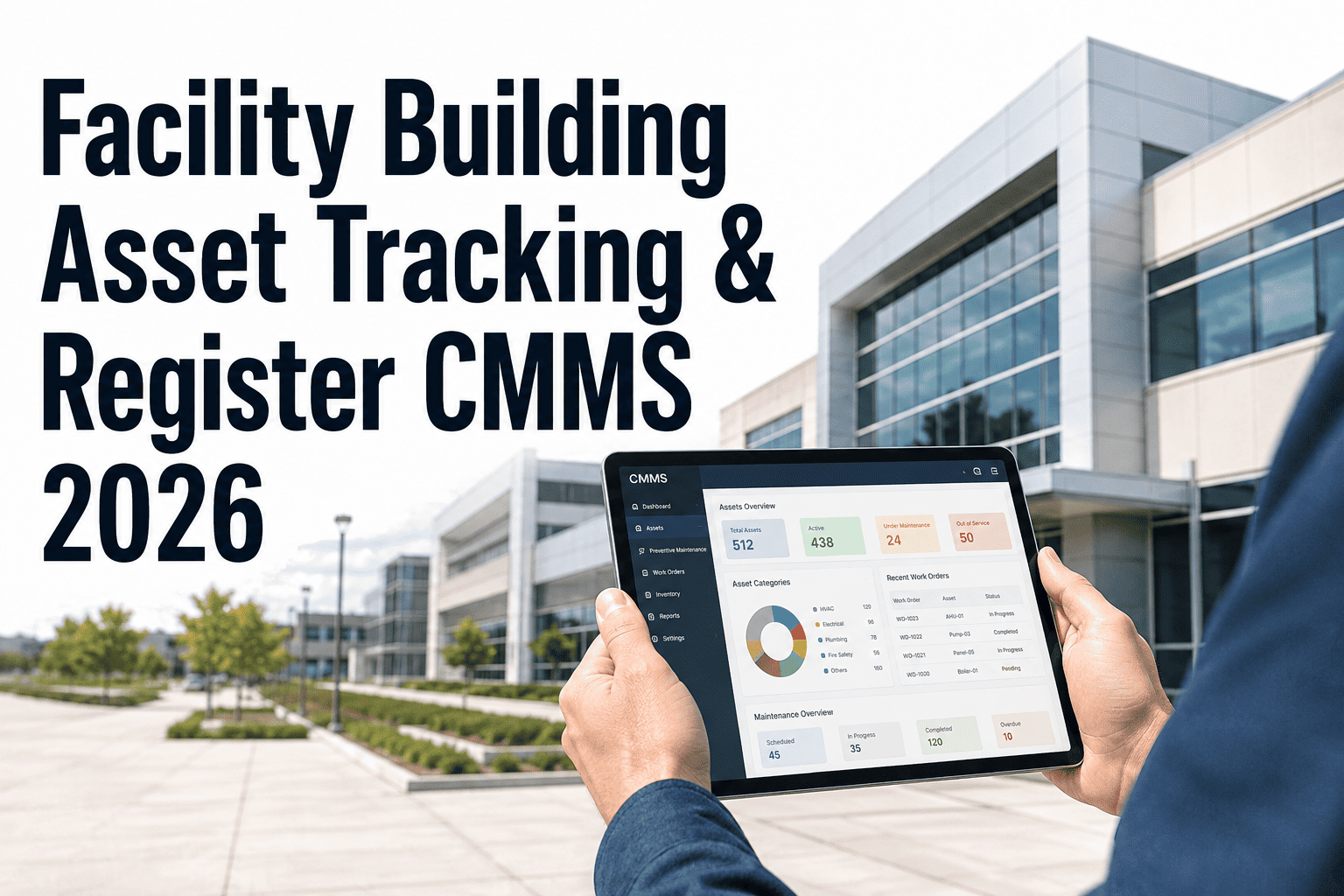
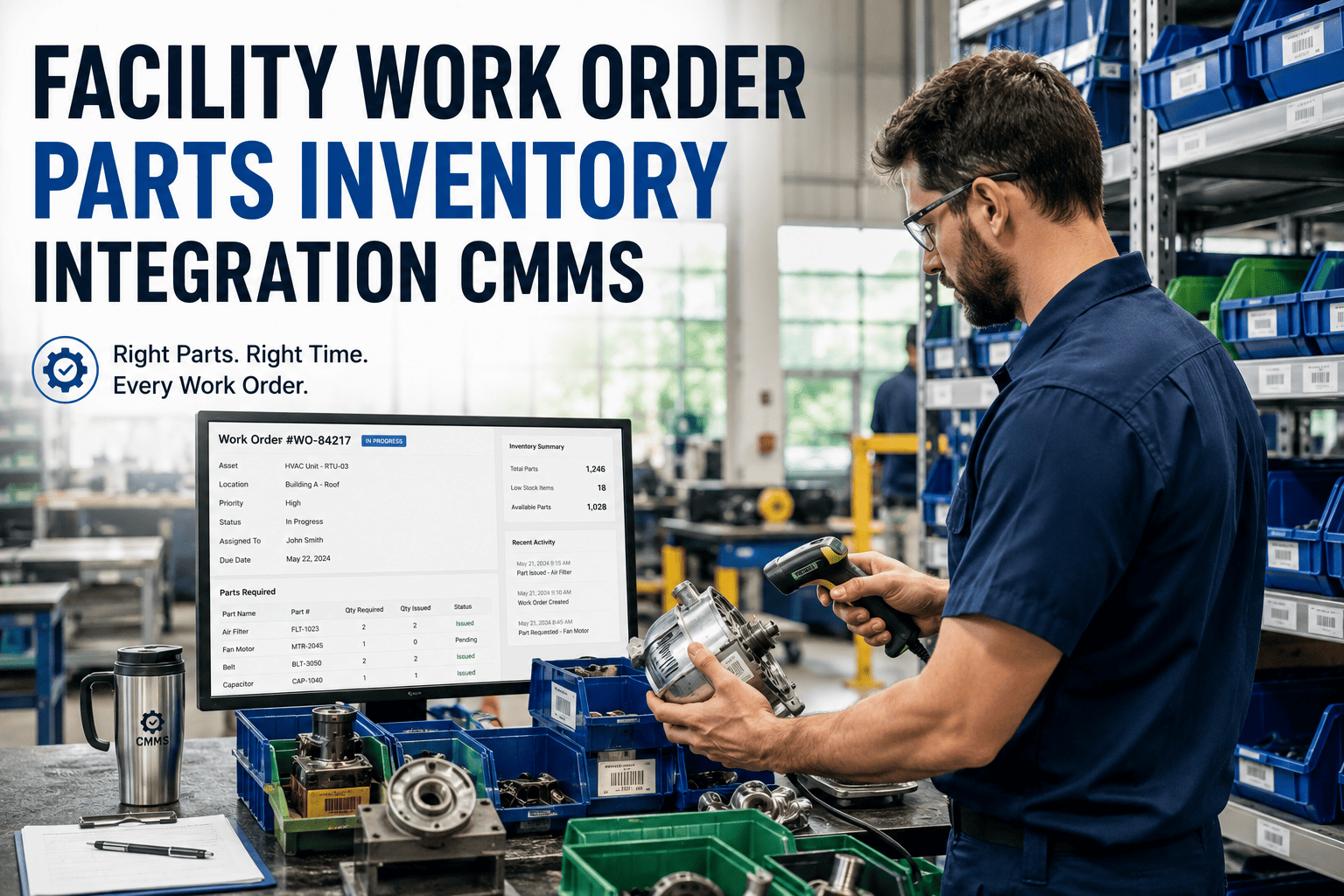
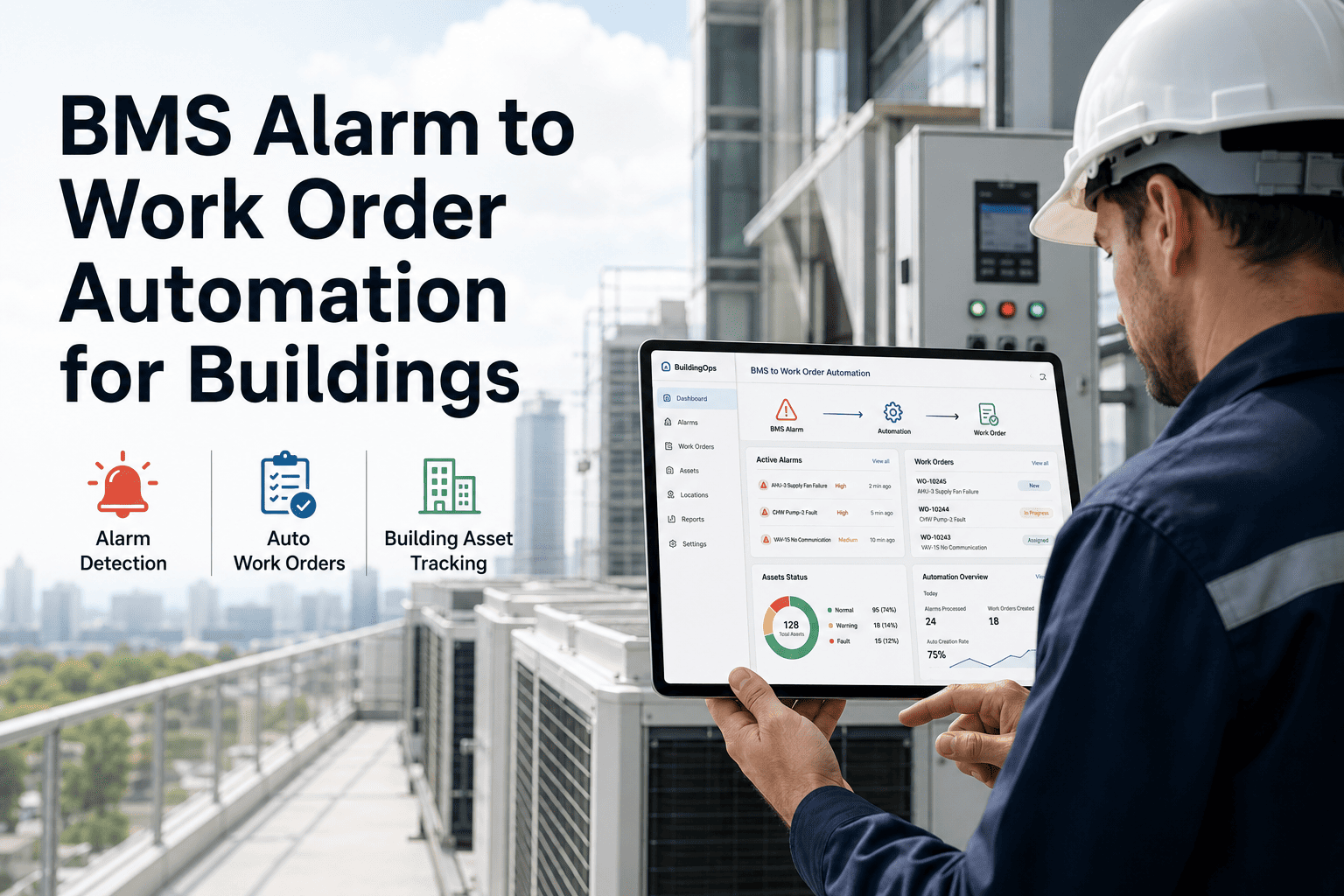
Most commercial buildings already have the data they need to predict failures before they happen — temperature drift, fan speed deviation, conductivity spikes, pressure swings — all sitting inside a building management system that was never built to act on it. A BMS can sound the alarm, but it cannot dispatch a technician, attach asset history, or create a record an auditor will accept. That gap is why a chiller alarm fires at 2 AM and nobody touches it until a building engineer happens to glance at the console the next morning. Connecting that alarm stream to a real maintenance workflow is what actually closes the gap between detection and repair, and it is the difference covered in detail in this guide to smart building maintenance software for 2026 facility teams.
SMART BUILDING MAINTENANCE · 2026
Your Building Already Talks. Is Anything Listening — and Acting?
BMS platforms generate thousands of alarms a day. Without a connected maintenance workflow, most of them either get ignored or turn into a manual scramble. Here is what changes when alarms become tracked work orders automatically.
THE THREE-SYSTEM CONFUSION
BMS, IoT Sensors, and CMMS Are Not the Same Thing
Procurement and engineering teams frequently treat these as interchangeable. They are not, and the confusion is exactly where integration projects stall.
SENSES
BMS / IoT Layer
Monitors HVAC, lighting, electrical, and fire safety through field sensors. Generates real-time fault codes, alarm events, and equipment states — but does not manage what happens next.
↓
TRANSLATES
Integration Layer
Alarm filtering and data normalization, delivered over BACnet, REST API, or webhook depending on the platform — Siemens Desigo, Johnson Controls Metasys, Honeywell EBI, Schneider EcoStruxure, and others.
↓
ACTS
CMMS Layer
Creates and routes the actual maintenance work order — asset ID, alarm description, recommended action, priority tier — and pushes it to the right technician's mobile device.
WHAT HAPPENS WHEN THE LAYERS ARE CONNECTED
From a Chiller Fault to a Closed Work Order
1
Alarm Fires
Leaving water temperature drifts out of range on a chiller. The BMS logs the fault code.
2
Event Is Filtered
Tuned alarm rules separate a real maintenance issue from routine noise before it reaches a human queue.
3
Work Order Created
The system auto-generates a work order with asset ID, fault description, and a recommended corrective action.
4
Technician Notified
A mobile push reaches the assigned technician before the alarm is even acknowledged in the BMS console.
5
Repair Documented
Completion, parts used, and timestamps log automatically — closing both the maintenance loop and the audit trail.
OXMAINT · IOT / BMS INTEGRATION
Stop Letting Alarms Wait for Someone to Notice Them
Connect your existing BMS, BACnet sensors, or SCADA feed to a maintenance workflow that turns alarms into assigned, documented work orders automatically.
WHAT THE NUMBERS SHOW
The Operational Case for Connecting BMS to Maintenance
45–65%
Reduction in unplanned equipment downtime after BMS-to-CMMS integration
15–30%
Typical energy cost reduction in the first year of integrated monitoring
3–6 mo
Time for utility savings alone to pay back the integration
4–6 hrs
Average alert-to-response gap that manual processes leave open
WHERE MOST PORTFOLIOS STILL STAND
The Three Gaps Creating the Widest Performance Divide
Sensors Without Analytics
Most commercial real estate portfolios still run legacy core systems that cannot analyze the IoT data already being collected — sensors that function as expensive thermometers and nothing more.
Systems That Cannot Talk
Many real estate software rollouts fail to deliver ROI specifically because BMS, CMMS, and accounting platforms stay siloed, producing fragmented data nobody can act on.
AI on Broken Infrastructure
A large share of commercial real estate teams have piloted AI tools, but few achieve their program goals — usually because the underlying data infrastructure cannot support what the AI needs.
“
A BAS alarm would trigger a notification, an operator created a manual work order, and the technician completed the repair on paper. Three weeks later the same asset failed again, and the work history simply did not exist anywhere we could find it.
— Director of Engineering, Commercial Office Portfolio
FREQUENTLY ASKED
BMS and IoT Integration, Explained
Which BMS platforms can connect to a maintenance system?
Major platforms including Siemens Desigo CC, Johnson Controls Metasys, Honeywell EBI, Schneider EcoStruxure, and Trane Tracer typically connect via BACnet IP, REST API, or webhook depending on platform version.
Book a demo to confirm your specific setup.
Does this replace our existing BMS?
No. The integration connects to your existing BAS, SCADA, or IoT platform without replacing it, so sensor data flows into asset records without a separate middleware investment.
How are alarm thresholds configured?
Thresholds are set per asset. When a sensor reading breaches the configured threshold, a work order generates automatically with asset history and a recommended action attached.
Does this help with compliance and audit documentation?
Yes. An integrated workflow logs every alarm, work order, repair action, and verification event with timestamps and technician identification, which is exactly what auditors ask to see.
Sign up free to view a sample record.
Can this scale across a multi-building portfolio?
Yes. Each property gets its own asset registry and sensor configuration, while a portfolio-level dashboard provides cross-property benchmarking and consolidated reporting regardless of asset mix.
OXMAINT · SMART BUILDING MAINTENANCE
Your Buildings Are Already Generating the Data. Start Using It.
Connect IoT sensor data, BMS alarms, and automated work order workflows into one platform — so your team stops reacting to failures and starts preventing them.