Maintenance Tracking Software for Commercial Buildings
By shreen on March 14, 2026
Commercial building managers lose an average of $2.80 per square foot annually to reactive maintenance — emergency HVAC callouts at 3x the cost of scheduled service, elevator shutdowns that strand tenants, plumbing failures that damage occupied floors. Across a 200,000 sq ft office portfolio, that waste adds up to $560,000 every year in avoidable spend. The root cause is not equipment age or budget size — it is visibility. When work orders live in spreadsheets, inspection logs sit in filing cabinets, and vendor invoices arrive weeks after service, building operators cannot distinguish planned maintenance from expensive firefighting. Sign up for Oxmaint to centralize every maintenance workflow — work orders, asset tracking, vendor management, and compliance documentation — in one platform built specifically for commercial facility teams.
93%
Of property management companies report rising maintenance expenses year over year
35-50%
Of excess maintenance spend is driven by controllable operational factors — not market forces
3-5x
Higher cost of reactive emergency repairs compared to planned preventive maintenance visits
Spreadsheets were never designed to manage the complexity of multi-system commercial facilities. HVAC units need quarterly tune-ups, elevators require monthly inspections, fire suppression systems demand annual testing, and roofing membranes need biannual evaluations — all on different schedules, from different vendors, with different compliance deadlines. When a single property manager tracks 400+ assets across these systems using Excel tabs and email threads, critical tasks slip through the cracks. The result is deferred maintenance that compounds — every $1 of maintenance deferred today becomes $4 in capital renewal costs later. Book a free demo to see how Oxmaint replaces fragmented tracking with automated scheduling, real-time dashboards, and mobile-first work order management.
Invisible Backlogs
Spreadsheets cannot surface overdue work orders automatically. Deferred tasks accumulate silently until a tenant complaint or equipment failure forces a costly emergency response.
No Vendor Accountability
Without time-stamped completion records and photo verification, there is no way to confirm that contracted maintenance was actually performed — or performed correctly.
Schedule Collisions
Manual calendars cannot coordinate multi-vendor schedules across shared building systems. Two contractors arriving for the same mechanical room creates downtime, wasted labor hours, and tenant disruption.
Compliance Blind Spots
Fire code inspections, ADA compliance checks, and elevator certifications all have regulatory deadlines. Spreadsheets offer no automated reminders — missed deadlines trigger fines and liability exposure.
Key Insight
$4 in Future Capital Costs for Every $1 Deferred Today
Deferred maintenance is the most expensive decision a building operator makes — and spreadsheets make it invisible. When a $200 quarterly HVAC filter change gets missed repeatedly, it cascades into a $15,000 compressor replacement. Across a commercial portfolio, deferred maintenance drives 35-50% of excess operating spend. Facilities that implement structured CMMS tracking reduce reactive work orders by 40-60% within the first year, converting emergency spend into planned, budgetable maintenance.
Core Tracking Capabilities for Commercial Facilities
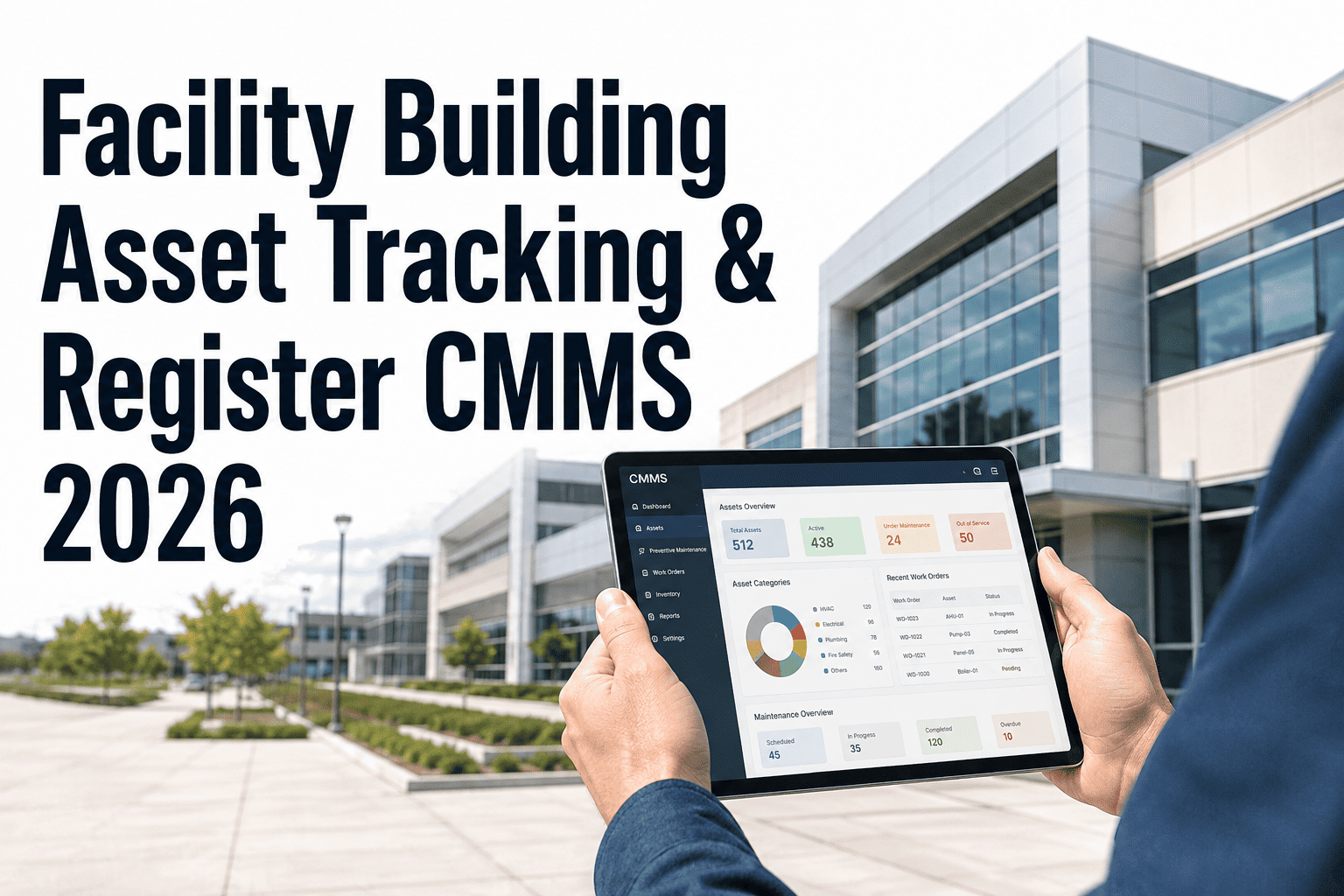
Every commercial building runs on interconnected systems — HVAC, electrical, plumbing, fire safety, elevators, roofing, and building envelope. Effective maintenance tracking software must manage all of these from a single dashboard while giving each system the specialized attention it requires. Here is what Oxmaint delivers out of the box — sign up free to explore every feature.
Oxmaint CMMS
Unified Building Intelligence
WOM
Work Order Management
Create, assign, prioritize, and track work orders from request to completion. Mobile-enabled technicians update status in real time with photos, notes, and time logs — eliminating the reporting gap between field work and management visibility.
Auto-AssignmentMobile Updates
PMS
Preventive Maintenance Scheduling
Automate recurring maintenance tasks based on calendar intervals, meter readings, or condition triggers. Every HVAC filter change, elevator inspection, and fire extinguisher check is scheduled, assigned, and tracked — no manual calendar management required.
Calendar TriggersAuto-Scheduling
ALM
Asset Lifecycle Management
Track every piece of equipment from installation through retirement — warranty dates, service history, replacement costs, and depreciation. Make data-driven repair-or-replace decisions instead of reacting to failures after they happen.
Warranty TrackingCost History
VCM
Vendor & Contract Management
Centralize vendor contacts, SLA terms, contract renewal dates, and performance scores. Compare vendor response times and completion quality across your portfolio to negotiate better rates and hold contractors accountable.
SLA TrackingPerformance Scores
CRT
Compliance & Regulatory Tracking
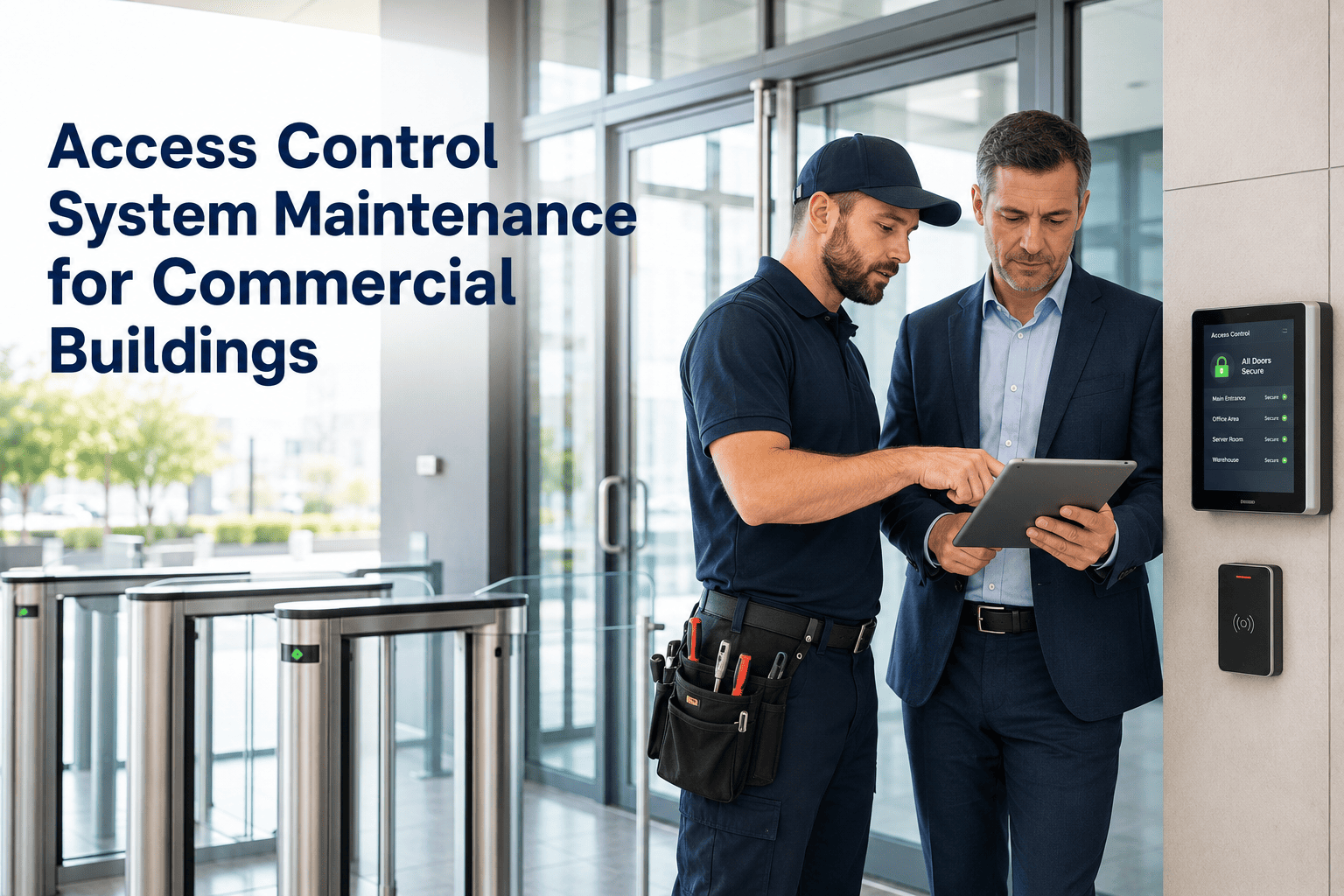
Never miss a fire inspection, elevator certification, or ADA compliance deadline again. Automated alerts trigger 30, 14, and 7 days before deadlines with assigned responsible parties and required documentation checklists.
Auto-AlertsAudit-Ready Logs
TRQ
Tenant Request Portal
Give tenants a branded portal to submit maintenance requests with photos and location details. Requests automatically convert to prioritized work orders routed to the right technician — no phone tag or email chains required.
Self-Service PortalAuto-Routing
Managing multiple buildings? Oxmaint gives you cross-portfolio dashboards, per-building cost breakdowns, and standardized maintenance workflows — all from one login.
Each major building system has unique maintenance intervals, compliance requirements, and failure modes. Generic task lists miss the specifics that prevent costly breakdowns. Oxmaint provides system-specific templates and scheduling logic for every critical building system — sign up free to access all templates.
HVAC Systems
Quarterly filter changes, annual coil cleaning, refrigerant level checks, belt inspections, and thermostat calibration. HVAC accounts for 39% of total building energy consumption — missed maintenance drives energy waste and premature equipment failure.
Monthly to Quarterly
Electrical Systems
Panel inspections, breaker testing, emergency lighting verification, generator load testing, and surge protection checks. Annual infrared scanning of electrical panels detects hot spots that indicate pending failures.
Monthly to Annually
Fire & Life Safety
Monthly fire extinguisher checks, quarterly sprinkler inspections, annual fire alarm testing, and suppression system flow tests. Regulatory deadlines vary by jurisdiction — missing them triggers fines and insurance complications.
Monthly to Annually
Elevators & Escalators
Monthly service visits, annual safety inspections, five-year load testing, and cab interior maintenance. Elevator downtime directly impacts tenant satisfaction scores and ADA compliance in multi-story buildings.
Monthly to Every 5 Years
Roofing & Envelope
Biannual roof membrane inspections, gutter and drain clearing, sealant and caulking checks, and window gasket evaluations. Catching a $500 roof patch early prevents a $50,000 water intrusion repair downstream.
Biannually
Plumbing & Water Systems
Backflow preventer testing, water heater flushing, drain line inspections, and fixture leak checks. Water damage is the second most common commercial property insurance claim — proactive plumbing maintenance significantly reduces exposure.
Quarterly to Annually
Paper vs. Digital: The Maintenance Tracking Comparison
The gap between manual tracking and CMMS-powered operations is not marginal — it is the difference between reactive cost escalation and controlled, predictable maintenance budgets. Here is how the two approaches compare across the metrics that matter most to commercial building operators.
Spreadsheets & Paper
Work orders created manually — 15-25 min per ticket
PM schedules rely on memory and calendar reminders
No real-time visibility into open vs. completed tasks
Vendor performance tracked anecdotally
Compliance deadlines discovered when missed
Maintenance cost per building is a year-end guess
Oxmaint CMMS
Work orders created in under 60 seconds via mobile
Automated PM scheduling with multi-trigger logic
Live dashboard shows every open, in-progress, and closed task
Vendor SLA tracking with response time scoring
Auto-alerts at 30, 14, and 7 days before every deadline
Real-time cost-per-building and cost-per-sq-ft reporting
How Oxmaint Works for Commercial Building Teams
Getting from spreadsheet chaos to structured maintenance tracking takes days, not months. Oxmaint is designed for building operators who need results immediately — not after a six-month IT implementation. Book a demo to walk through the setup process with a product specialist.
01
Import Your Asset Register
Upload your equipment list via CSV or enter assets manually. Oxmaint auto-categorizes by building system — HVAC, electrical, plumbing, fire safety, elevators — and creates individual asset profiles with warranty dates, install dates, and location tags.
02
Activate Preventive Schedules
Select from pre-built PM templates or create custom schedules. Set triggers by calendar date, runtime hours, or condition thresholds. Oxmaint auto-generates work orders and assigns them to the right technician or vendor at the right time.
03
Empower Your Field Team
Technicians receive work orders on their mobile devices with asset details, maintenance procedures, and parts lists. They update status, attach photos, and log completion times from the field — management sees updates instantly.
04
Track, Analyze, Optimize
Dashboard analytics show maintenance cost per building, preventive vs. reactive work order ratios, vendor performance scores, and equipment reliability trends. Identify the 20-30% cost variance opportunities that static budgets miss entirely.
Ready to eliminate maintenance blind spots? Join thousands of facility teams using Oxmaint to track every asset, work order, and vendor across their commercial building portfolio.
Oxmaint serves every role involved in commercial building operations — from the property manager overseeing a portfolio to the technician completing a work order in the field. Sign up free to see role-based dashboards tailored to each stakeholder.
Property Managers
Portfolio-wide dashboards showing maintenance spend, open work orders, and compliance status per building. Budget forecasting based on actual historical data rather than estimates.
Maintenance Technicians
Mobile work orders with asset details, procedures, and parts lists. Update completion status, attach photos, and log time from anywhere on-site — no paperwork or office visits required.
Building Owners
Maintenance cost tracking as a percentage of asset value, NOI impact analysis, and capital expenditure planning. Make repair-or-replace decisions backed by complete equipment cost history.
Facility Directors
Cross-property benchmarking, standardized maintenance protocols, and vendor management across the entire portfolio. Identify which buildings generate outsized maintenance spend and why.
Frequently Asked Questions
How long does it take to implement Oxmaint for a commercial building?
Most single-building teams are fully operational within 1-2 weeks. Import your asset register via CSV, activate pre-built PM templates, invite your team, and start tracking. Portfolio rollouts across multiple properties typically take 3-4 weeks. Sign up free to start your setup today.
Can tenants submit maintenance requests through Oxmaint?
Yes. Oxmaint includes a branded tenant request portal where occupants submit maintenance requests with photos, location details, and urgency levels. Requests automatically convert to prioritized work orders routed to the correct technician or vendor — no phone calls or email chains needed.
Does Oxmaint handle compliance tracking for fire and elevator inspections?
Absolutely. Set regulatory inspection deadlines by system and jurisdiction. Oxmaint sends automated alerts at 30, 14, and 7 days before each deadline, assigns responsible parties, and maintains a complete audit trail of inspection records, certifications, and corrective actions. Book a demo to see compliance dashboards in action.
How does Oxmaint help reduce maintenance costs?
By shifting your maintenance mix from reactive to preventive. CMMS-tracked preventive maintenance costs 3-5x less than emergency repairs. Oxmaint also surfaces cost-per-building analytics, identifies vendor underperformance, eliminates duplicate work orders, and provides the data needed to negotiate better service contracts.
Can I manage multiple buildings from a single Oxmaint account?
Yes. Oxmaint supports multi-site portfolios with per-building dashboards, cross-property cost benchmarking, standardized maintenance protocols, and role-based access controls. Property managers see the full portfolio; building-level staff see only their assigned location. Sign up free to start adding your first building.
Stop Guessing. Start Tracking.
Every day without structured maintenance tracking adds invisible cost to your building operations — deferred tasks compounding, vendor invoices unverified, compliance deadlines approaching unnoticed. Oxmaint gives commercial building teams the visibility, automation, and data they need to take control of maintenance spend and protect asset value.
.jpeg)

.jpeg)


