
Managing hundreds of properties means tracking thousands of assets — HVAC units, elevators, fire suppression systems, roofing membranes, plumbing networks — across buildings that may be miles apart. Most real estate managers still rely on spreadsheets, paper logs, or disconnected tools that leave gaps in asset visibility. The result is missed maintenance cycles, surprise capital expenditures, and tenant complaints that erode lease renewals. Modern asset tracking software built for real estate eliminates these blind spots by centralizing every asset record, maintenance history, and warranty detail into a single platform that property teams actually use. Schedule a demo to see how Oxmaint brings every building asset under one roof.
Why Spreadsheets and Paper Logs Fail Real Estate Portfolios
Real estate portfolios grow faster than the systems managing them. A property manager overseeing 15 buildings might have asset data scattered across vendor invoices, tenant work orders, inspection reports, and maintenance logs — none of which talk to each other. When a rooftop HVAC unit fails in July, the team scrambles to find warranty documentation, installation dates, and service history instead of acting immediately. This fragmented approach does not just waste time — it directly increases operating costs and drives down Net Operating Income across the portfolio. Teams using Oxmaint's asset tracking platform consolidate every data point into one searchable system.
When every asset — from a lobby elevator to a parking garage gate motor — has a complete digital record including installation date, warranty terms, service history, and condition assessments, property managers shift from reactive firefighting to strategic maintenance planning. This translates directly into lower operating expenses and higher property valuations. Start building your asset registry with Oxmaint today.
Core Capabilities of Real Estate Asset Tracking Software
Unified Asset Registry
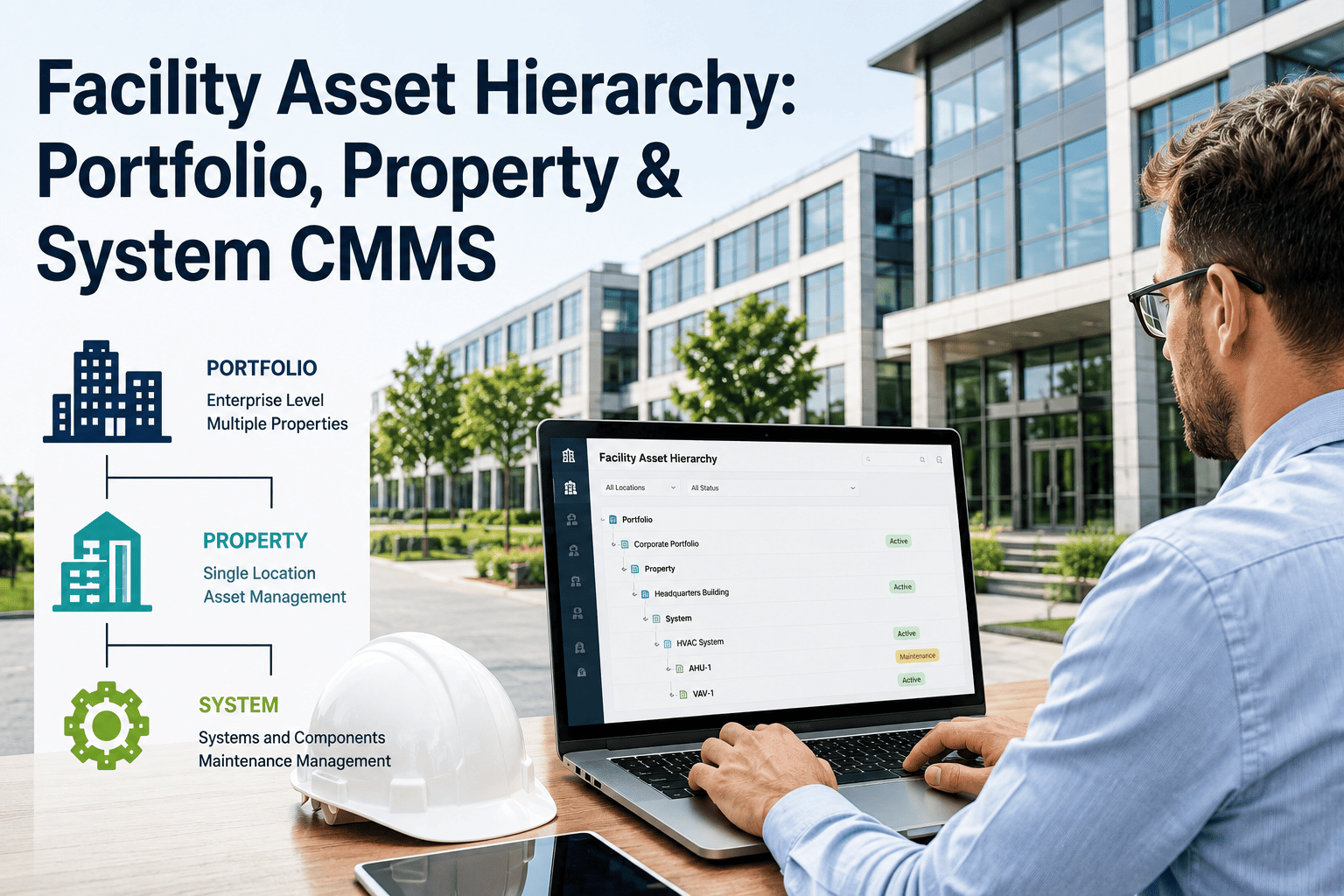
Every building system, piece of equipment, and structural component gets a digital identity within the platform. Each asset record holds installation details, manufacturer specifications, warranty expiration dates, photos, and condition scores — accessible to any authorized team member from any location. No more calling the maintenance supervisor to find out when the boiler was last serviced.
Automated Work Order Generation
When a condition threshold is breached or a scheduled maintenance window arrives, the platform generates work orders automatically — assigning technicians, attaching relevant asset documentation, and setting priority levels based on criticality. Property managers using Oxmaint's work order engine report that maintenance request response times drop significantly because every ticket arrives with full context.
Lifecycle Cost Management
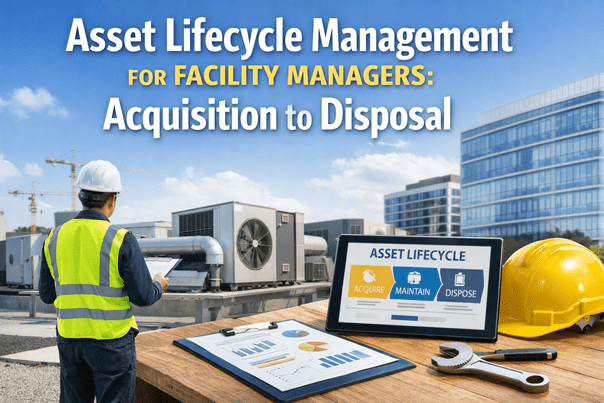
Track total cost of ownership for every asset from acquisition through disposal. The platform aggregates purchase price, installation costs, every maintenance dollar spent, energy consumption data, and projected replacement costs — giving asset managers the financial clarity to make informed capital planning decisions instead of guessing when equipment should be replaced.
Multi-Property Portfolio View
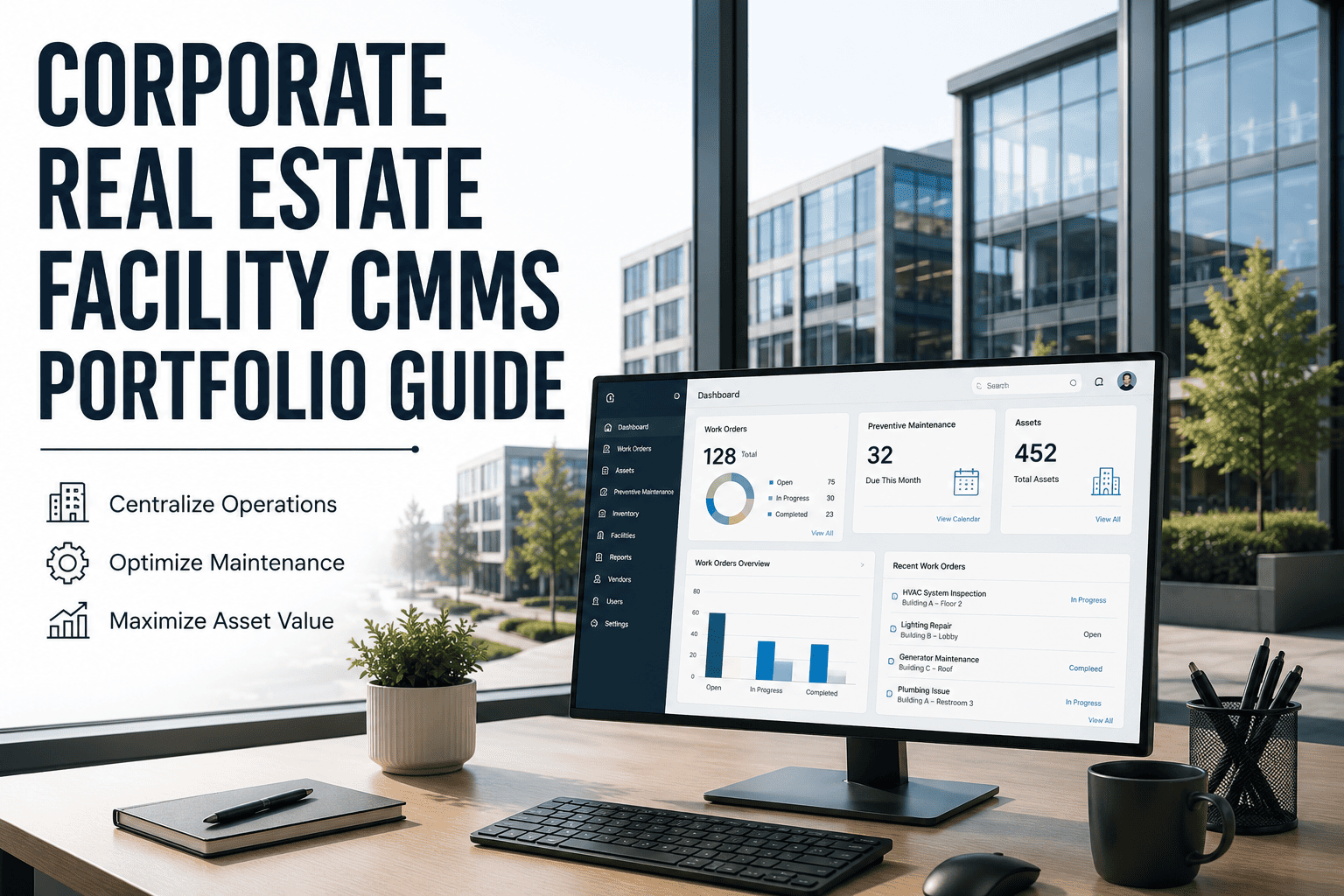
Real estate managers do not operate one building — they operate portfolios. The platform provides a portfolio-level dashboard where asset health, pending work orders, upcoming warranty expirations, and capital expenditure forecasts are visible across every property simultaneously. Drill down into any building for granular detail or zoom out for portfolio-wide trends. Book a walkthrough to see how portfolio views work in Oxmaint.
Bring Every Building Asset Into One Platform
Oxmaint gives real estate managers a single source of truth for every asset across every property — from rooftop HVAC to basement sump pumps. Maintenance histories, warranty tracking, work order automation, and capital planning tools built specifically for multi-property portfolios.
How Oxmaint Solves Asset Visibility for Property Teams
Tenant Request Integration
Tenant-submitted maintenance requests automatically link to the correct asset record, giving technicians full equipment history before they arrive on site. No more blind troubleshooting.
Condition-Based Monitoring
Set condition thresholds for critical assets. When sensor data or inspection scores cross defined limits, the platform triggers alerts and auto-generates prioritized work orders before failures occur.
Vendor and Contract Management
Every asset links to its service vendor, warranty provider, and active contracts. When a work order is created, the platform surfaces which vendor is responsible and whether the repair falls under warranty coverage.
Capital Planning Reports
Generate property-level and portfolio-level capital expenditure forecasts based on actual asset age, condition data, and lifecycle cost trends — replacing guesswork with data-driven budgeting for board presentations.
The Operational Shift: Before and After Centralized Asset Tracking
From Onboarding to Full Asset Visibility: The Implementation Path
Asset Inventory Import
Existing asset data — from spreadsheets, previous software, or vendor records — is imported and standardized into the platform. Each asset gets a unique identifier, location tag, and initial condition score. Teams using Oxmaint's import tools typically complete this in under two weeks for a 10-building portfolio.
Maintenance Schedule Configuration
Preventive maintenance calendars are built for every tracked asset based on manufacturer recommendations, regulatory requirements, and operational experience. The platform auto-generates recurring work orders and assigns them to appropriate personnel or vendors.
Team Access and Mobile Deployment
Property managers, maintenance technicians, and regional directors each receive role-appropriate access. Mobile-equipped field teams can scan assets, update condition scores, close work orders, and attach photos directly from any building location.
Portfolio Intelligence Activation
After 60-90 days of data accumulation, the platform surfaces actionable intelligence: cost trends per asset category, buildings with disproportionate maintenance spend, upcoming capital requirements, and vendor performance benchmarks across the portfolio.
Frequently Asked Questions
Start Tracking Every Asset Across Your Portfolio
Oxmaint gives real estate managers complete visibility into every building system, equipment asset, and maintenance dollar across their entire portfolio. Automated work orders, warranty tracking, lifecycle cost analysis, and capital planning — all in one platform built for multi-property operations.
.jpeg)


