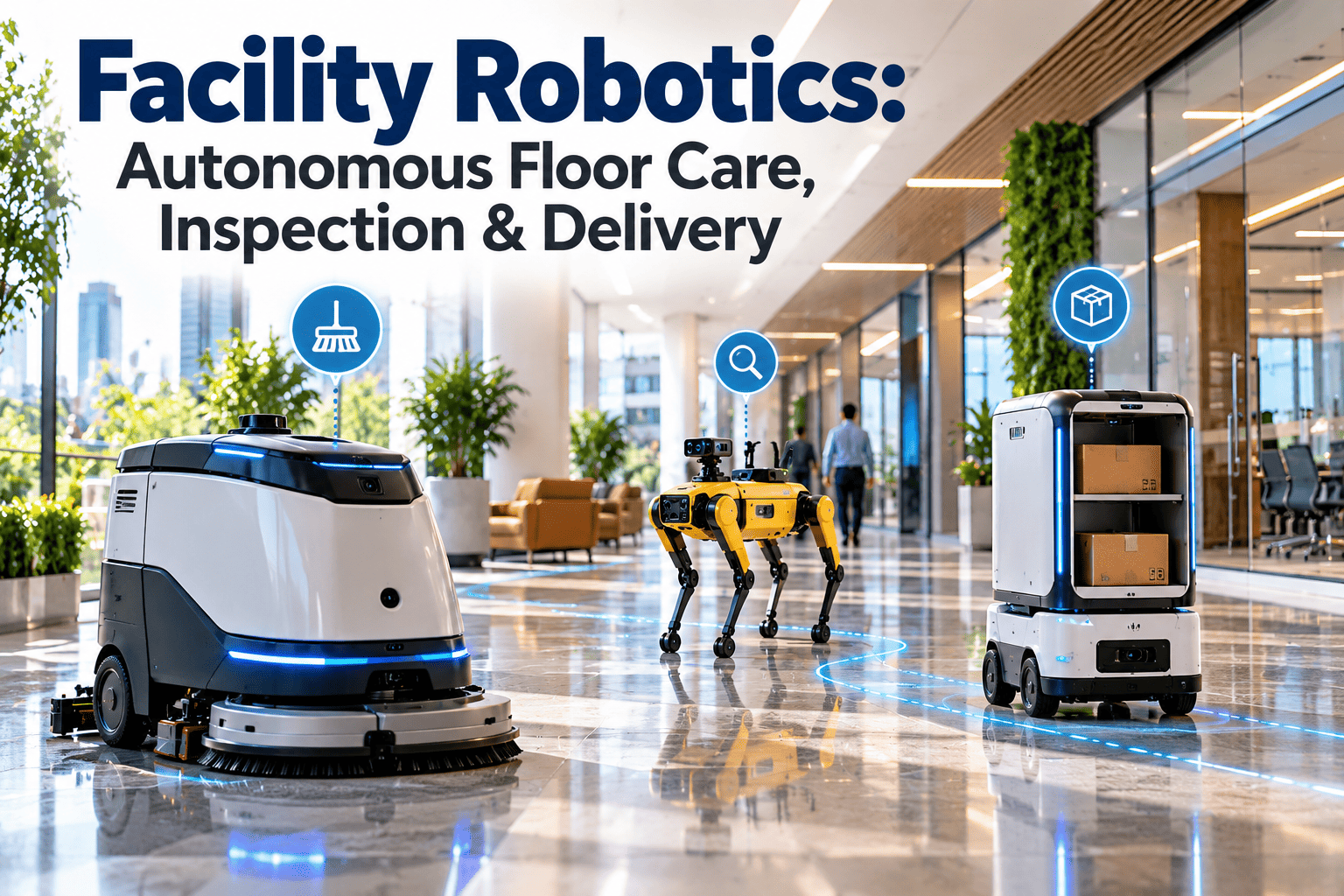
Every facility manager knows the risk: missed energy leaks, overlooked safety hazards, and compliance gaps that only surface during audits. Manual inspections are slow, inconsistent, and expensive. In 2026, robotic inspection systems equipped with thermal imaging, gas detection, and AI-driven analytics are transforming how smart facilities monitor energy usage and enforce safety compliance. Plants using robotic inspections report up to 60% faster audit cycles and 45% fewer safety incidents. Schedule a free facility inspection assessment to discover how automated robotic rounds can eliminate blind spots across your entire operation.
60%
Faster Inspection Cycles
45%
Fewer Safety Incidents
24/7
Continuous Monitoring
3x
More Coverage Per Shift
Why Manual Energy and Safety Inspections Are Failing Facilities
Traditional inspection methods depend on human operators walking routes with clipboards, flashlights, and handheld sensors. These rounds happen once or twice per shift at best, leaving hours of unmonitored gaps where equipment can overheat, gas can leak, and safety hazards can develop unseen. The inconsistency of manual reporting means critical data gets lost, trends go undetected, and compliance documentation is always incomplete. Facilities that rely solely on manual inspections face higher energy waste, more regulatory citations, and increased risk of catastrophic equipment failure. Sign up free on Oxmaint to start digitizing your inspection workflows and eliminate paper-based compliance gaps today.
Key Insight
73% of facility energy waste
goes undetected by manual inspection rounds because thermal anomalies, micro-leaks, and inefficient equipment cycles occur between scheduled walkthroughs. Robotic inspection platforms with continuous thermal scanning and AI anomaly detection catch these issues in real time, reducing energy waste by up to 35% within the first quarter of deployment.
Core Robotic Inspection Modules for Smart Facilities
A comprehensive robotic inspection program covers energy efficiency, safety compliance, environmental monitoring, and equipment health. Each module below represents a critical inspection domain that robotic systems handle with greater speed, accuracy, and consistency than manual rounds. Facilities using Oxmaint's integrated CMMS platform can automate work order generation directly from robotic inspection findings.
THEThermal Energy Scanning
Robotic platforms equipped with FLIR-grade thermal cameras patrol facility zones to detect heat loss, overheating components, and insulation failures that waste energy and create fire hazards.
+ Detects: early-stage electrical faults, insulation failures
+ Detects: HVAC inefficiencies, steam system energy waste
GASGas Leak and Air Quality Monitoring
Mobile robotic units carry multi-gas sensor arrays that continuously sample ambient air for combustible gases, toxic compounds, and oxygen deficiency levels across all facility zones.
+ Detects: combustible gas accumulation, toxic exposure risks
+ Detects: refrigerant regulatory violations, confined space hazards
STRStructural and Safety Compliance Audit
Vision-equipped inspection robots document structural conditions, emergency system readiness, and regulatory compliance status across all building areas, generating audit-ready reports automatically.
+ Detects: fire code violations, blocked egress routes
+ Detects: slip hazards, PPE non-compliance events
EQPEquipment Health and Vibration Analysis
Robotic platforms equipped with accelerometers and acoustic sensors monitor rotating machinery health, detecting bearing wear, misalignment, and imbalance before failures cause unplanned downtime.
Oxmaint connects robotic inspection data directly to your CMMS — every anomaly detected becomes a prioritized work order assigned to the right technician with parts, procedures, and deadlines attached. Request a facility assessment and we will identify which assets benefit most from robotic monitoring.
How Robotic Inspections Integrate with CMMS Platforms
Robotic inspection data is only valuable when it triggers action. The real power of automated inspections comes from connecting robotic findings directly into a CMMS like Oxmaint, where anomalies become prioritized work orders, compliance gaps generate corrective action tasks, and energy waste triggers efficiency improvement projects — all without manual data entry or report filing.
01
Real-Time Data Ingestion
Robotic sensor data streams continuously into Oxmaint dashboards. Thermal maps, gas readings, vibration spectra, and visual inspection photos upload automatically as robots complete their patrol routes across facility zones.
02
AI Anomaly Classification
Machine learning models classify each finding by severity, asset criticality, and compliance impact. A thermal hotspot on a critical switchgear panel gets flagged as urgent, while a minor insulation gap on a non-critical pipe gets scheduled for the next planned maintenance window.
03
Automated Work Order Generation
Oxmaint automatically creates work orders from classified findings, assigns them to qualified technicians based on skill and availability, reserves required spare parts from inventory, and schedules the job during optimal maintenance windows to minimize production impact.
04
Compliance Report Generation
Every robotic inspection finding, corrective action, and resolution is logged with timestamps and photo evidence. Oxmaint compiles this data into audit-ready compliance reports for OSHA, EPA, NFPA, and local regulatory submissions — eliminating manual report assembly entirely.
Robotic vs Manual Inspections: Side-by-Side Comparison
Understanding the measurable differences between manual and robotic inspection approaches helps facility managers build the business case for automation. The comparison below covers the operational dimensions that matter most for energy efficiency and safety compliance.
Manual Inspection Rounds vs. Robotic Inspection Systems
Dimension
Manual Rounds
Robotic Systems
Coverage Frequency
1-2 rounds per shift
Continuous 24/7 patrol cycles
Data Accuracy
Subjective, observer-dependent
Calibrated sensor precision
Hazardous Area Access
Requires permits and PPE
No human exposure risk
Documentation
Paper forms, manual entry
Auto-logged with timestamps
Anomaly Detection
Visual only, limited spectrum
Thermal, acoustic, gas, visual AI
Compliance Readiness
Weeks to compile audit files
Instant report generation
Platform Capabilities That Power Robotic Inspection Programs
Successful robotic inspection programs require more than robots — they need a connected software backbone that turns inspection data into operational decisions. Here is how Oxmaint's CMMS platform supports every stage of the robotic inspection lifecycle from patrol scheduling through compliance reporting.
Automated Patrol Scheduling
Define robotic patrol routes by zone, frequency, and priority. Oxmaint coordinates inspection schedules with production calendars so robots inspect during optimal windows without disrupting operations.
Route OptimizationShift Integration
Live Anomaly Dashboard
Monitor all active robotic inspection findings in real time. Filter by severity, zone, asset type, or compliance category. Drill down from summary tiles to individual thermal images and sensor readings.
Real-Time AlertsZone Filtering
Compliance Document Vault
Store every inspection record, corrective action, and audit report in a searchable digital archive. Retrieve any compliance document by date, asset, regulation, or inspector within seconds during audits.
Audit TrailRegulatory Mapping
Energy Waste Trending
Track energy loss patterns over weeks and months using robotic thermal data. Identify chronic waste sources, measure improvement after repairs, and generate energy savings reports for sustainability goals.
Trend AnalysisESG Reporting
Robotic inspections do not replace your maintenance team — they give your team perfect information so every repair decision is based on data instead of guesswork. The facilities that win in 2026 are the ones connecting robots to a CMMS that turns findings into action automatically.
— Facility Operations Director, Smart Building Consortium
Stop Reacting to Failures. Start Preventing Them.
Oxmaint is the CMMS platform that connects robotic inspection data to automated work orders, real-time compliance tracking, and energy optimization dashboards — giving your facility team complete visibility from a single interface. Request an assessment and we will map the implementation roadmap for your facility.
Frequently Asked Questions About Robotic Facility Inspections
What types of robots are used for facility energy and safety inspections?
Facilities typically deploy autonomous mobile robots (AMRs) for ground-level patrols and drone systems for elevated or hard-to-reach areas. These platforms carry thermal cameras, multi-gas sensors, vibration accelerometers, and HD vision systems. The robot type depends on your facility layout, hazard zones, and inspection requirements.
How does a CMMS connect to robotic inspection systems?
Robotic platforms transmit inspection data via API integrations directly into the CMMS. Oxmaint receives sensor readings, thermal images, and anomaly classifications in real time, then automatically generates prioritized work orders based on predefined severity rules. Sign up free to explore Oxmaint's robotic integration capabilities and see how inspection data flows into automated maintenance workflows.
Can robotic inspections satisfy OSHA and NFPA compliance requirements?
Yes. Robotic inspection records include timestamped sensor data, geotagged photos, and automated compliance checklists that meet documentation standards for OSHA workplace safety, NFPA fire protection, and EPA environmental regulations. The key is pairing robotic data collection with a CMMS that organizes findings into audit-ready formats.
What is the typical payback period for robotic inspection deployment?
Most facilities see measurable returns within 6 to 9 months through reduced energy waste, fewer safety incidents, lower insurance premiums, and eliminated manual inspection labor costs. The exact payback depends on facility size, inspection frequency, and current energy loss levels. Book a demo to get a customized cost-benefit analysis tailored to your facility operations and compliance requirements.
Do robotic inspections work in hazardous or classified areas?
Yes. Intrinsically safe and explosion-proof robotic platforms are designed specifically for Class I Division 1 and 2 environments. They inspect areas with combustible dust, flammable vapors, and toxic atmospheres where human entry requires extensive permitting, PPE, and safety standby teams — eliminating personnel exposure risk entirely.