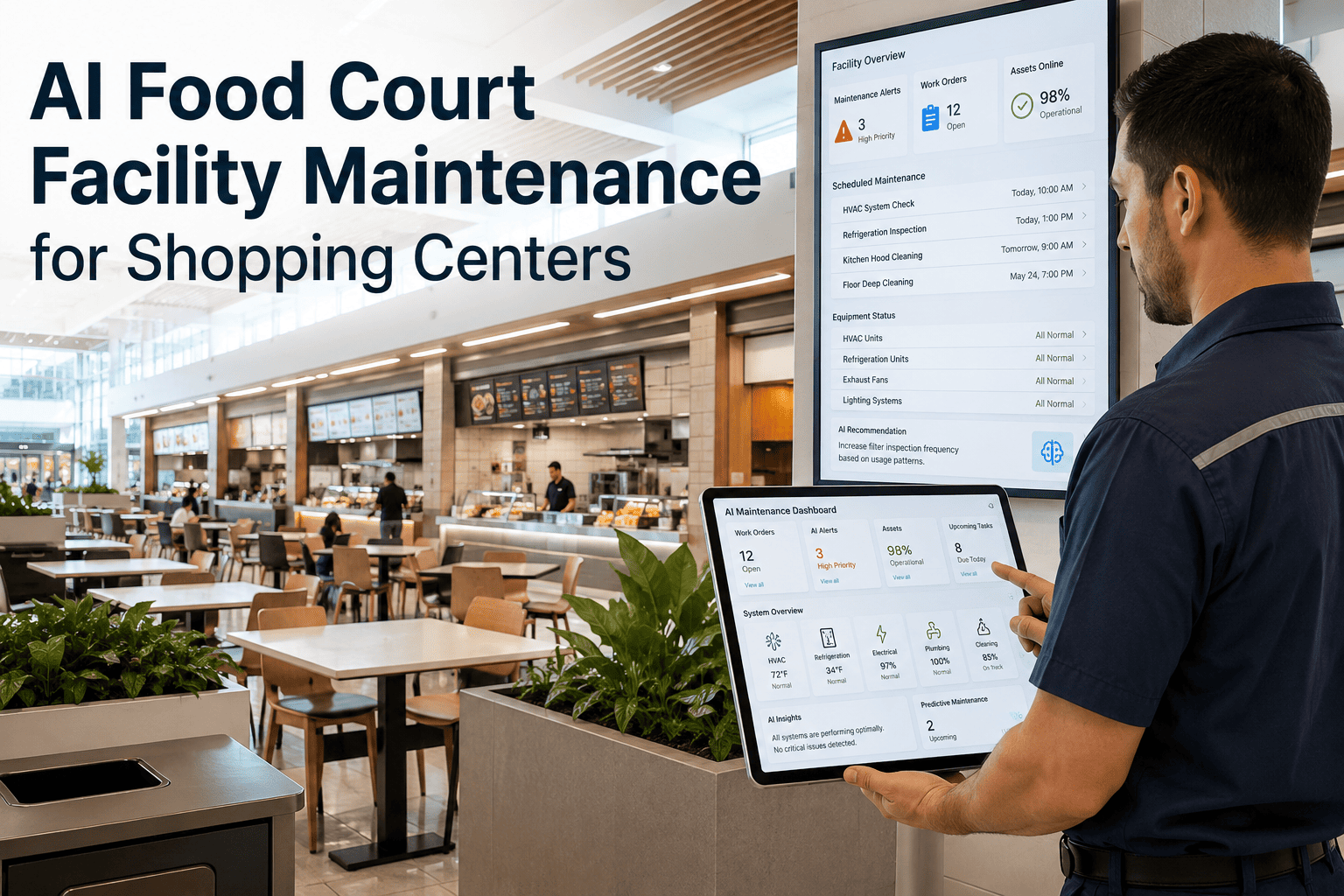
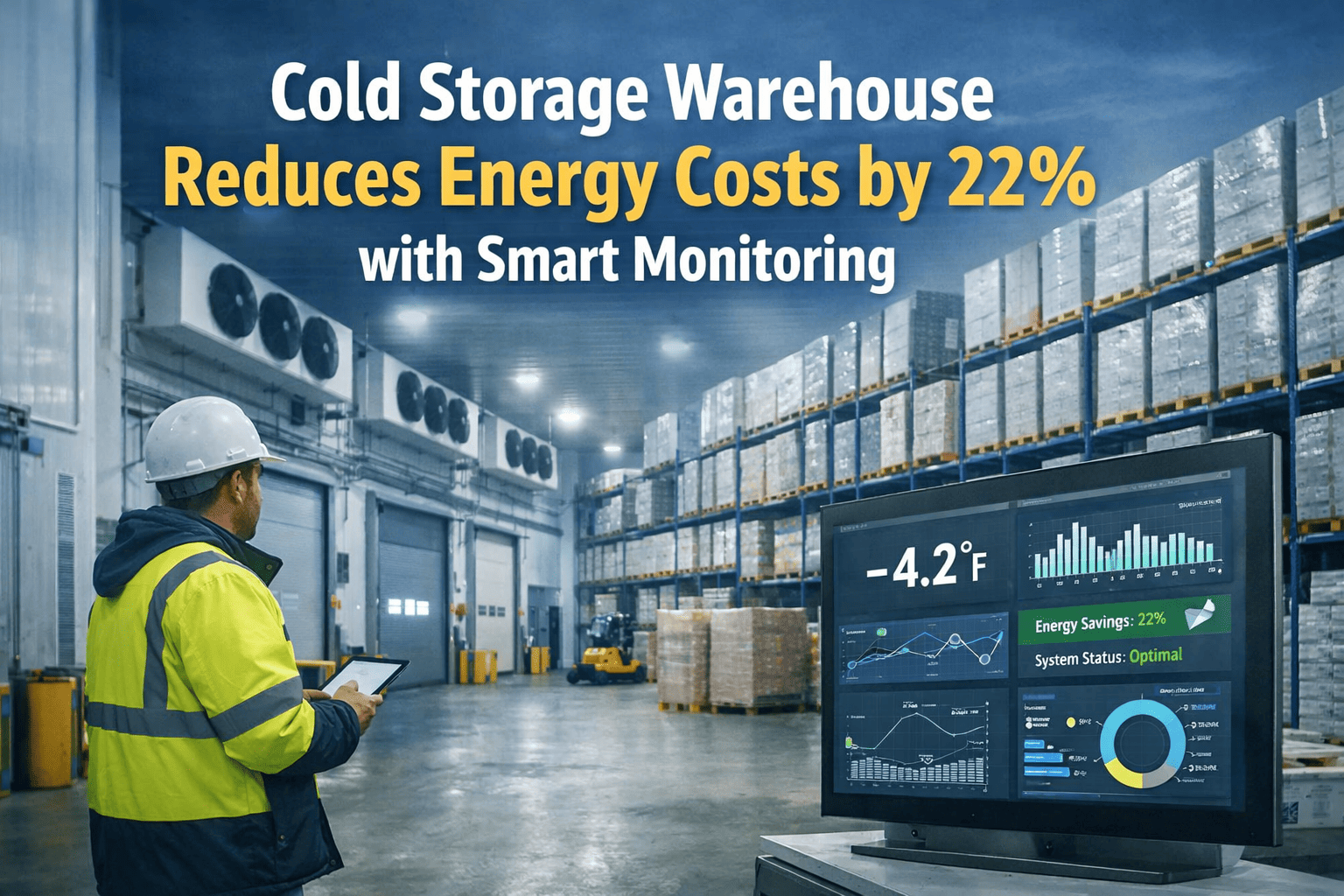
Shopping malls are among the most energy-intensive commercial buildings in the world — HVAC alone accounts for 40 to 55% of total electricity consumption. When a 1 million square foot mall in the Southeast United States faced rising utility bills, frequent chiller breakdowns, and zero visibility into equipment health, they chose OxMaint's IoT-integrated CMMS to take back control. Within 12 months, they reduced HVAC energy costs by 28%, cut emergency repair incidents by 61%, and freed up $480,000 in annual operating budget. This is how they did it.
Shopping Mall Reduces HVAC Energy Costs by 28% with OxMaint Smart Monitoring
A 1M sq ft retail complex transformed reactive HVAC operations into a data-driven, IoT-monitored system — cutting energy spend, eliminating surprise breakdowns, and meeting ESG reporting targets ahead of schedule.
Book a Demo Start FreeA Mall Running Blind on Its Biggest Cost Line
Before OxMaint, the facility team managed 14 rooftop units, 6 chiller systems, 38 AHUs, and over 120 fan coil units using a mix of paper logs and a legacy spreadsheet. There was no real-time visibility into equipment status, no automated alerts when performance deviated from baseline, and no way to correlate energy consumption spikes with specific equipment failures. Every month, utility bills arrived as a surprise.
No Sensor Integration
HVAC units had building management system (BMS) sensors, but data stayed siloed. No automated alerts reached the maintenance team until a unit failed visibly.
Calendar-Only PM Schedules
Preventive maintenance ran on fixed 90-day intervals regardless of actual runtime hours, ambient conditions, or equipment age — causing both over-maintenance and missed failures.
No Energy Baseline
Without consumption benchmarks per equipment class, the team could not identify which units were underperforming or consuming disproportionate energy versus their zone load.
ESG Reporting Gaps
Sustainability reporting to the parent REIT required monthly energy and carbon data. The team spent 40+ hours per quarter manually compiling figures from disconnected utility accounts.
What Reactive HVAC Management Actually Costs
| Metric | Before OxMaint | Industry Benchmark | Gap |
|---|---|---|---|
| HVAC energy as % of total utility bill | 54% | 40–45% | +9–14 pts over benchmark |
| Unplanned HVAC failures per year | 23 incidents | 6–8 incidents | 3x industry average |
| Average emergency repair cost | $18,400 | $6,200 (planned) | 2.97x cost premium |
| PM schedule compliance rate | 58% | 85%+ | 27 pts below target |
| ESG reporting time per quarter | 44 hours (manual) | <2 hours (automated) | 22x more labor |
How OxMaint Was Deployed Across the Mall
OxMaint connected directly to the mall's existing Tridium Niagara BMS via OPC-UA integration — no hardware rip-and-replace required. Within 4 weeks, live sensor feeds from all HVAC assets were flowing into OxMaint's energy dashboard. By week 10, AI-generated PM schedules had replaced the legacy calendar intervals, and ESG reports were generating automatically every 30 days.
BMS Integration & Baseline Mapping
OxMaint connected to 180+ sensor points across all HVAC units. Energy consumption baselines established per asset. First anomaly alerts activated within 72 hours of go-live.
Condition-Based PM Activation
AI-generated work orders replaced fixed calendar PMs. Maintenance intervals now triggered by runtime hours, vibration data, and temperature differential thresholds — not the calendar.
Automated ESG Reporting Live
Energy consumption by zone, equipment class, and month auto-compiled into REIT-ready ESG reports. Manual reporting effort dropped from 44 hours to under 90 minutes per quarter.
Optimization & Cost Reduction
OxMaint's scheduling engine identified 7 units running unnecessary overnight cycles. After setpoint adjustments and schedule corrections, HVAC energy consumption fell 28% versus the prior-year baseline.
See how OxMaint connects to your existing BMS and delivers live HVAC energy dashboards — no infrastructure replacement needed.
Book a Demo Start FreeMeasured Outcomes Across Every Cost Category
Energy Cost Reduction
$480,000 removed from the annual HVAC utility budget through optimized schedules, setpoint correction, and early fault detection preventing efficiency degradation.
Fewer Emergency Incidents
Unplanned HVAC failures dropped from 23 to 9 per year. Each avoided emergency repair saved an average of $12,200 versus the planned-maintenance equivalent cost.
PM Compliance Rate
Up from 58% to 92% — above the 85% industry benchmark. Automated work order dispatch and mobile-first technician workflows eliminated the missed PM cycles that previously caused cascading failures.
ESG Data Accuracy
Automated energy data collection from 180+ sensor points eliminated manual transcription errors. REIT sustainability reports now generate in under 90 minutes with audit-ready data trails.
Where the 28% Came From — By Savings Category
| Savings Category | Mechanism | Annual $ Saved | % of Total Savings |
|---|---|---|---|
| After-hours HVAC scheduling | 7 units eliminated unnecessary overnight cycles | $168,000 | 35% |
| Early fault detection | Degraded chiller coils caught before full efficiency loss | $134,400 | 28% |
| Setpoint optimization | Zone-level temperature calibration vs blanket settings | $96,000 | 20% |
| Reduced emergency repair premium | 14 avoided incidents × avg $12,200 premium | $81,600 | 17% |
| Total | $480,000 | 100% |
What Industry Experts Say About IoT-Driven HVAC Management
How This Mall Now Compares to Industry Standards
The Four Capabilities That Drove These Results
IoT Sensor Integration
Native connection to Tridium Niagara, BACnet, and Modbus protocols. Live temperature, vibration, and runtime data feeds into OxMaint without replacing existing BMS infrastructure.
Condition-Based PM Scheduling
Work orders trigger on actual equipment condition — runtime hours, anomaly scores, and degradation curves — not fixed calendar dates. Equipment gets serviced exactly when needed.
Energy & ESG Reporting
Automated monthly energy reports by zone, equipment class, and building section. REIT-ready ESG dashboards with carbon intensity tracking and year-over-year comparison built in.
Failure Probability Scoring
Every HVAC asset carries a continuously updated risk score. When probability crosses threshold, OxMaint generates a prioritized work order before failure occurs — not after.
Your mall's HVAC data already exists. OxMaint turns it into energy savings, ESG compliance, and zero-surprise maintenance budgets.
Book a Demo Start Free