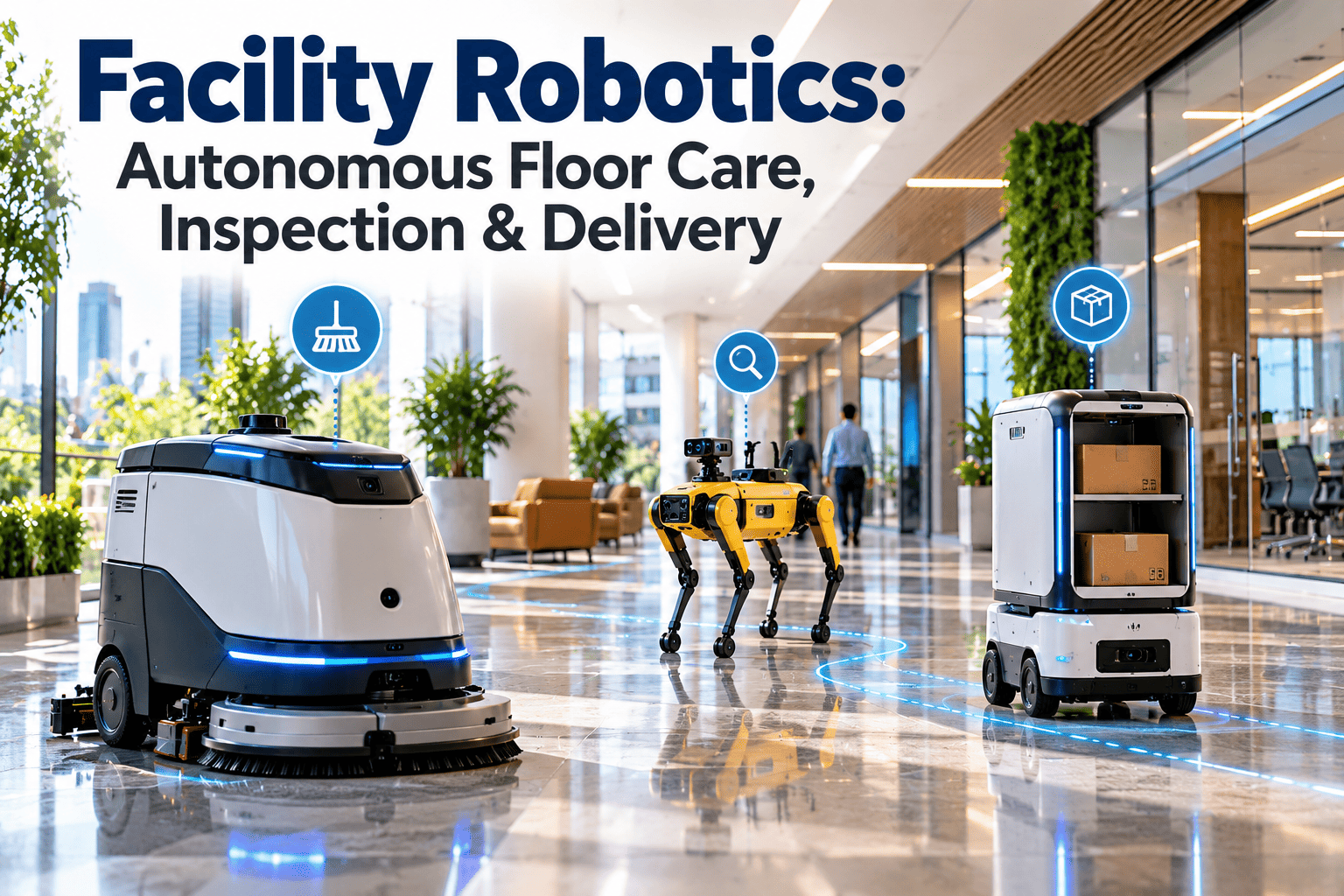
A mid-sized commercial facility managing 200,000+ sq ft of floor space was spending $1.2 million annually on routine maintenance labor—floor cleaning, HVAC filter checks, lighting inspections, and pipe leak detection. Despite a 40-person maintenance crew working rotating shifts, unplanned downtime still averaged 14 hours per month due to missed inspections. After deploying autonomous maintenance robots integrated with Oxmaint CMMS—Sign Up Free to get started, the facility cut labor costs by 35%, reduced unplanned downtime by 60%, and reallocated 12 technicians to higher-value preventive work. Every robotic task automatically logs to the CMMS, creating audit-ready records without manual data entry.
Facility maintenance labor represents 30–50% of total operating budgets, yet much of that spend goes toward repetitive, low-complexity tasks that robots now handle more consistently and cost-effectively. In 2026, robotic maintenance systems have matured beyond pilot programs into production-ready deployments across warehouses, hospitals, manufacturing plants, and commercial buildings. This guide breaks down exactly how robotics delivers a 35% labor cost reduction, which tasks to automate first, and how CMMS integration makes the transition seamless. Book a demo to see how Oxmaint orchestrates robotic and human maintenance workflows.
How Robotics Reduces Facility Maintenance Labor Costs by 35% in 2026
Autonomous robots handling repetitive inspections, cleaning, and monitoring—freeing skilled technicians for high-value preventive work while cutting total labor spend.
Why Maintenance Labor Costs Keep Climbing
Facility managers face a compounding problem: skilled technician wages rise 4–6% annually, turnover in maintenance roles exceeds 25%, and training new hires takes 3–6 months before full productivity. Meanwhile, 40–60% of a typical maintenance technician's shift involves repetitive tasks—walking inspection routes, reading gauges, checking filter conditions, and documenting findings—that don't require their expertise.
Facilities deploying robotic maintenance alongside Oxmaint CMMS—Sign Up to start automating report reaching full payback within 8–14 months, with compounding savings as robots take on additional task categories each quarter.
Tasks Robots Handle in Facility Maintenance
Not every maintenance task is a candidate for automation. The highest-impact robotic deployments target tasks that are repetitive, scheduled, sensor-compatible, and physically accessible. Here are the six core categories where robots deliver measurable labor savings, each tracked and orchestrated through Oxmaint CMMS—Sign Up Free.
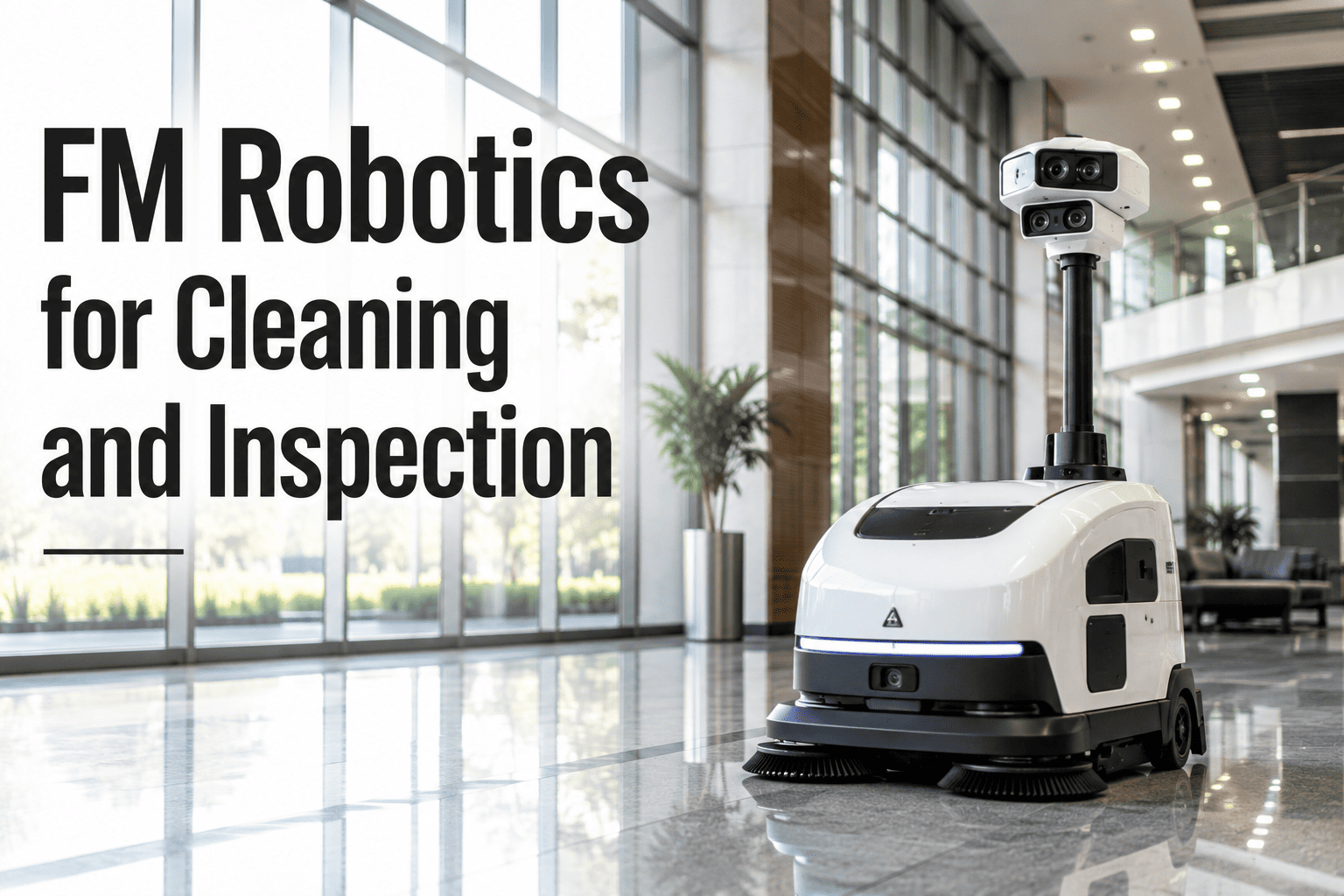
Autonomous Floor Cleaning
Robotic scrubbers and sweepers handle large floor areas on scheduled routes, adjusting cleaning intensity based on surface sensors and traffic patterns.
Robotic Inspection Rounds
Wheeled or quadruped robots perform scheduled equipment inspections using thermal cameras, vibration sensors, and visual AI to detect anomalies before failures occur.
HVAC Filter and Duct Monitoring
Compact duct-crawling robots and stationary sensor arrays continuously monitor filter differential pressure, airflow quality, and duct cleanliness without technician access.
Pipe Leak Detection Patrols
Acoustic and thermal sensing robots patrol pipe networks to identify leaks, corrosion, and insulation failures in real time across large facility footprints.
Orchestrate Robots and Technicians in One Platform
Oxmaint CMMS manages robotic task schedules, logs automated inspection data, and routes exceptions to the right human technician—all from a single dashboard.
How the 35% Reduction Breaks Down
The 35% labor cost reduction isn't a single efficiency gain—it's the compounding effect across multiple cost categories. Here's the typical breakdown for a 200,000 sq ft facility.
Implementation Workflow
Deploying robotic maintenance follows a phased approach to minimize disruption and maximize adoption. Book a consultation to plan your deployment timeline.
CMMS Integration Features That Make It Work
Robots generate data. Without a CMMS to process, route, and act on that data, robotic deployment delivers only half its potential value. Here's how Oxmaint—Sign Up Free to explore closes the loop.
Automated Work Order Generation
Robotic anomaly detections automatically create prioritized work orders with location data, images, and severity classification—no manual entry required.
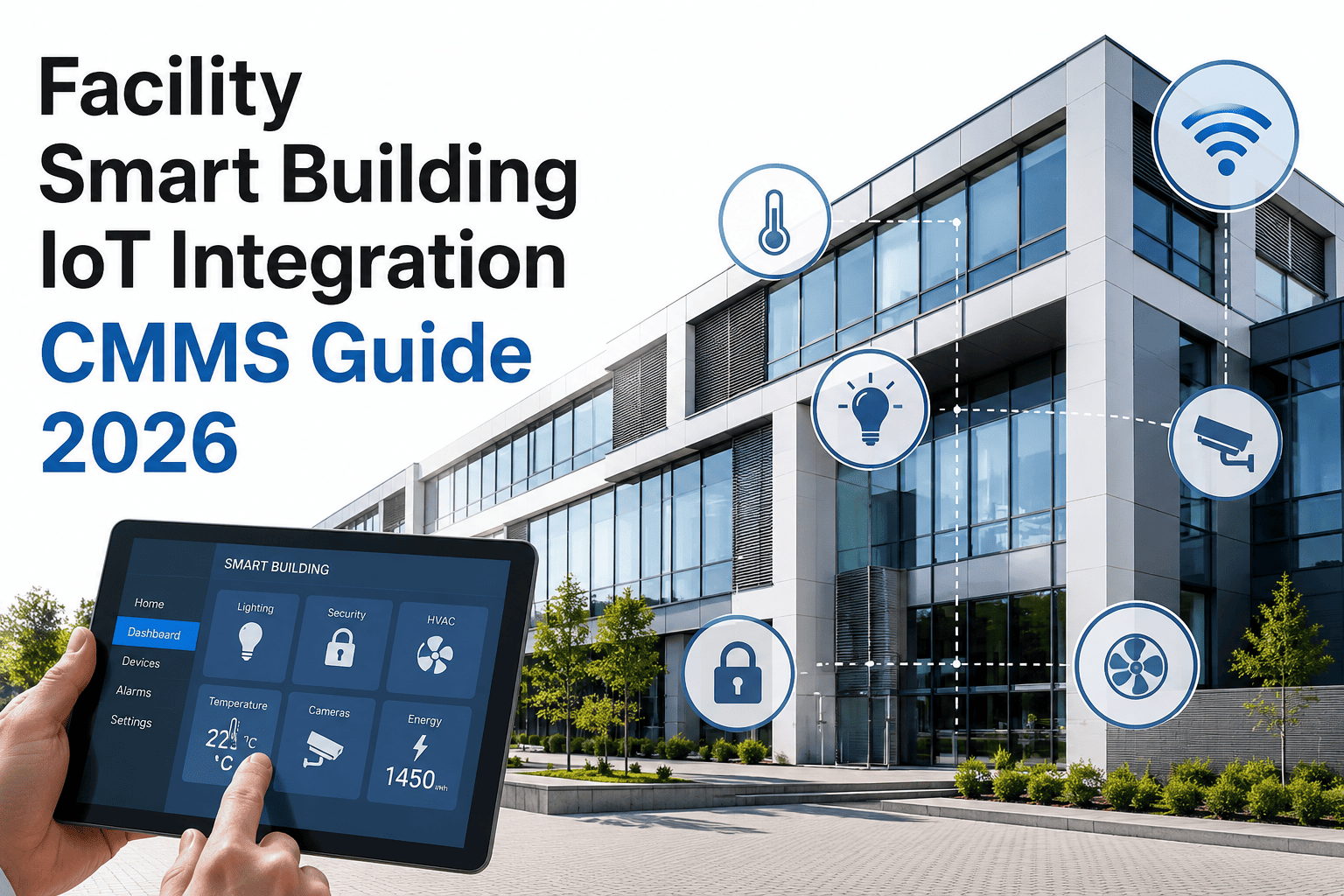
Unified Dashboard
Single view of both robotic and human task completion, with real-time status of all active robots, pending work orders, and technician assignments.
Compliance Documentation
Every robotic inspection, cleaning run, and detection event is timestamped and logged automatically, creating audit-ready compliance records.
Predictive Analytics
Aggregated robotic sensor data feeds predictive models that forecast equipment failures 2–4 weeks before breakdown, enabling scheduled repairs.
We didn't eliminate maintenance jobs—we eliminated the parts of those jobs that nobody wanted to do. Our technicians went from walking 8 miles a day reading gauges to actually fixing and improving equipment. Retention improved 40% in the first year.
— Facilities Director, Regional Healthcare System (12-facility network)
Start Reducing Maintenance Labor Costs Today
Oxmaint integrates with leading robotic maintenance platforms to unify human and automated workflows, track savings, and maintain full compliance documentation.
Frequently Asked Questions
Automate the Routine. Elevate Your Team.
Join facility managers using Oxmaint to integrate robotic maintenance, reduce labor costs by 35%, and build a smarter maintenance operation.