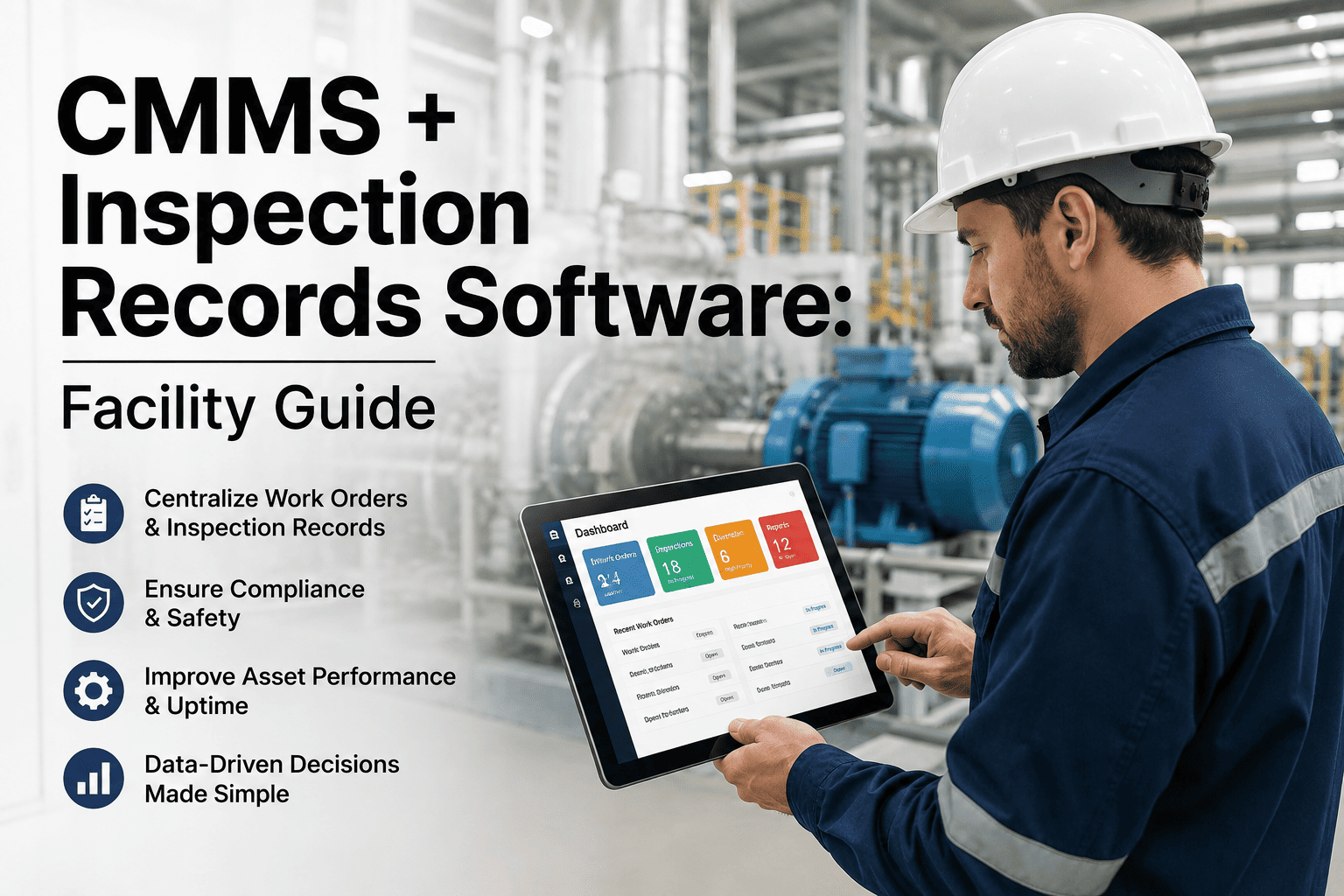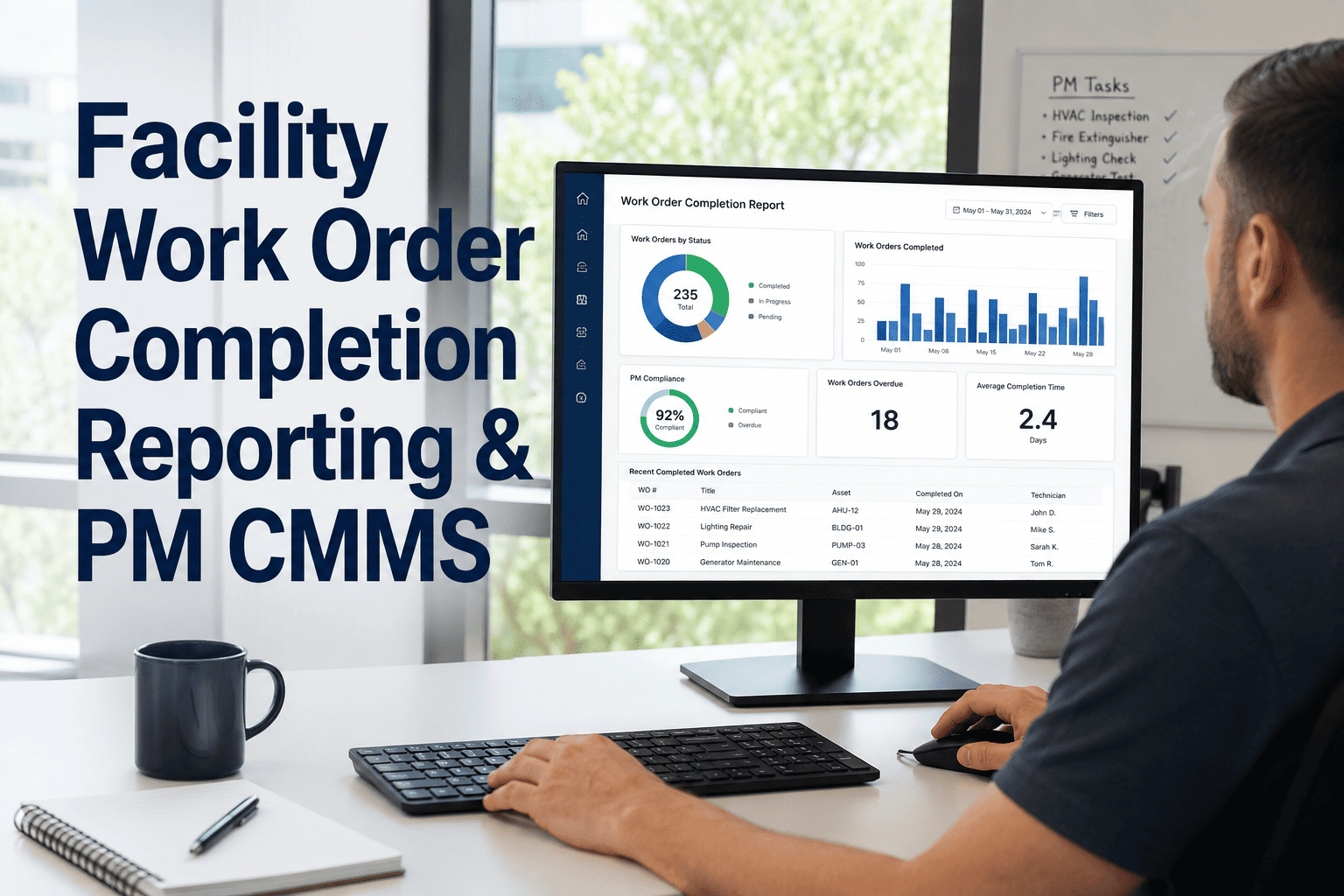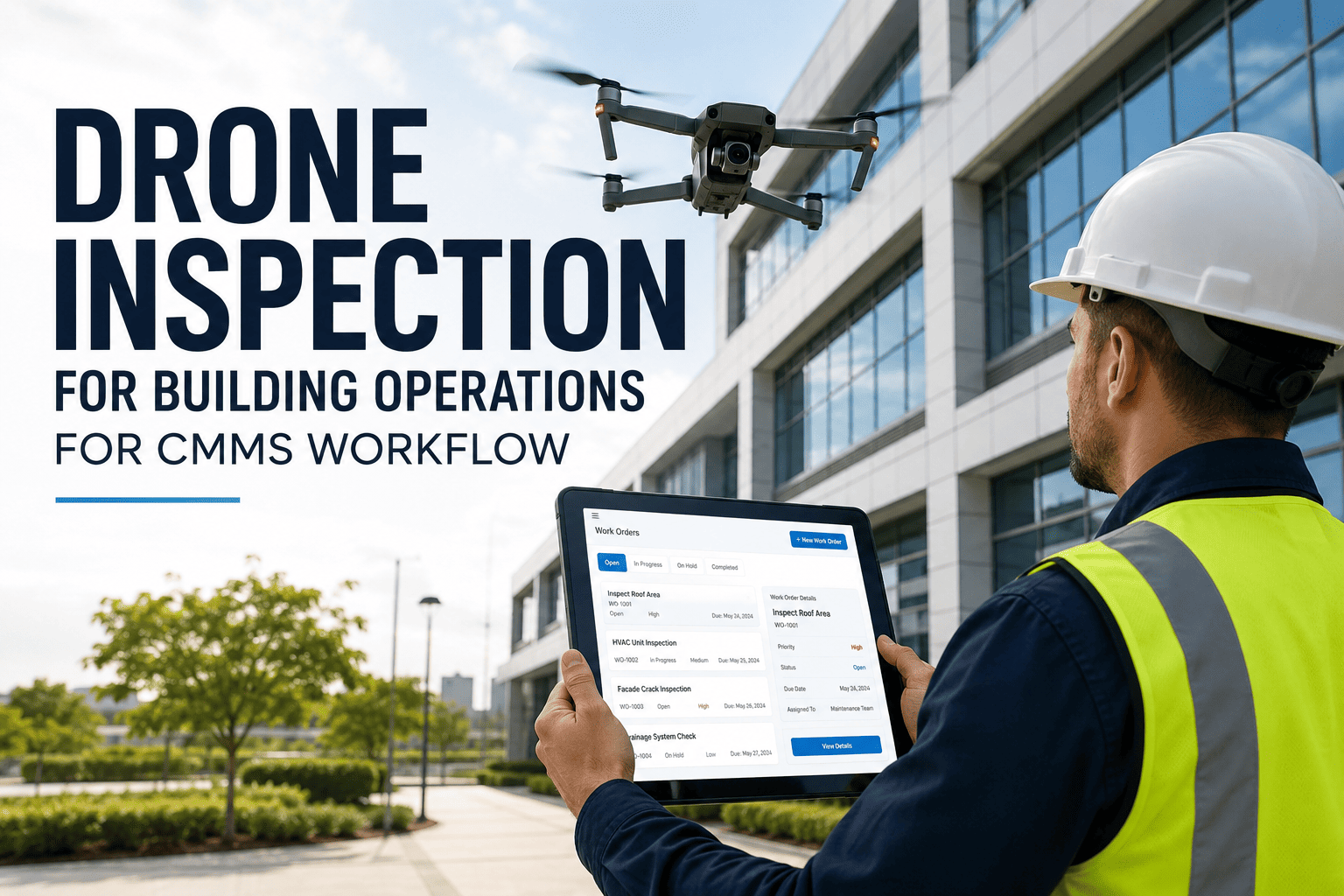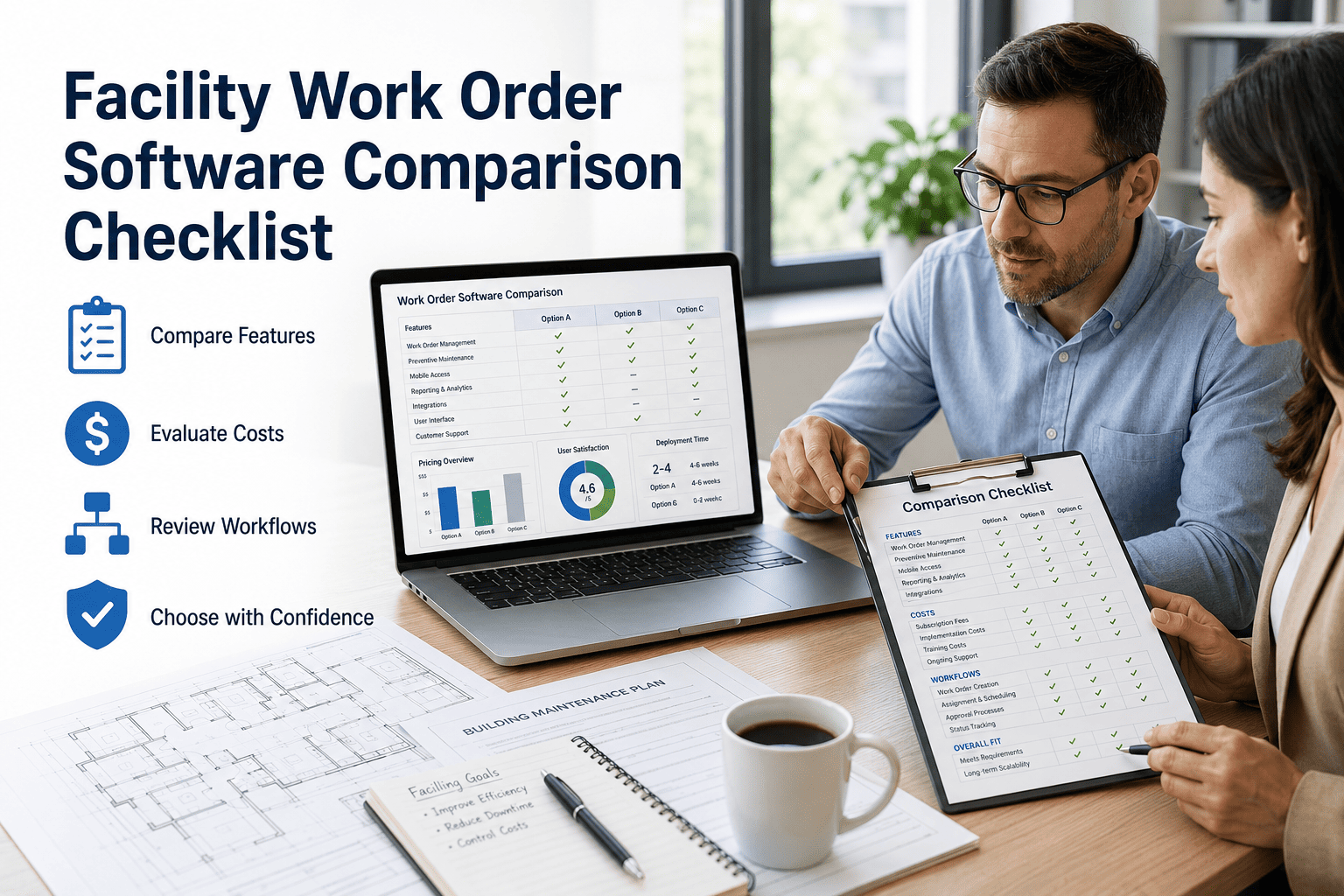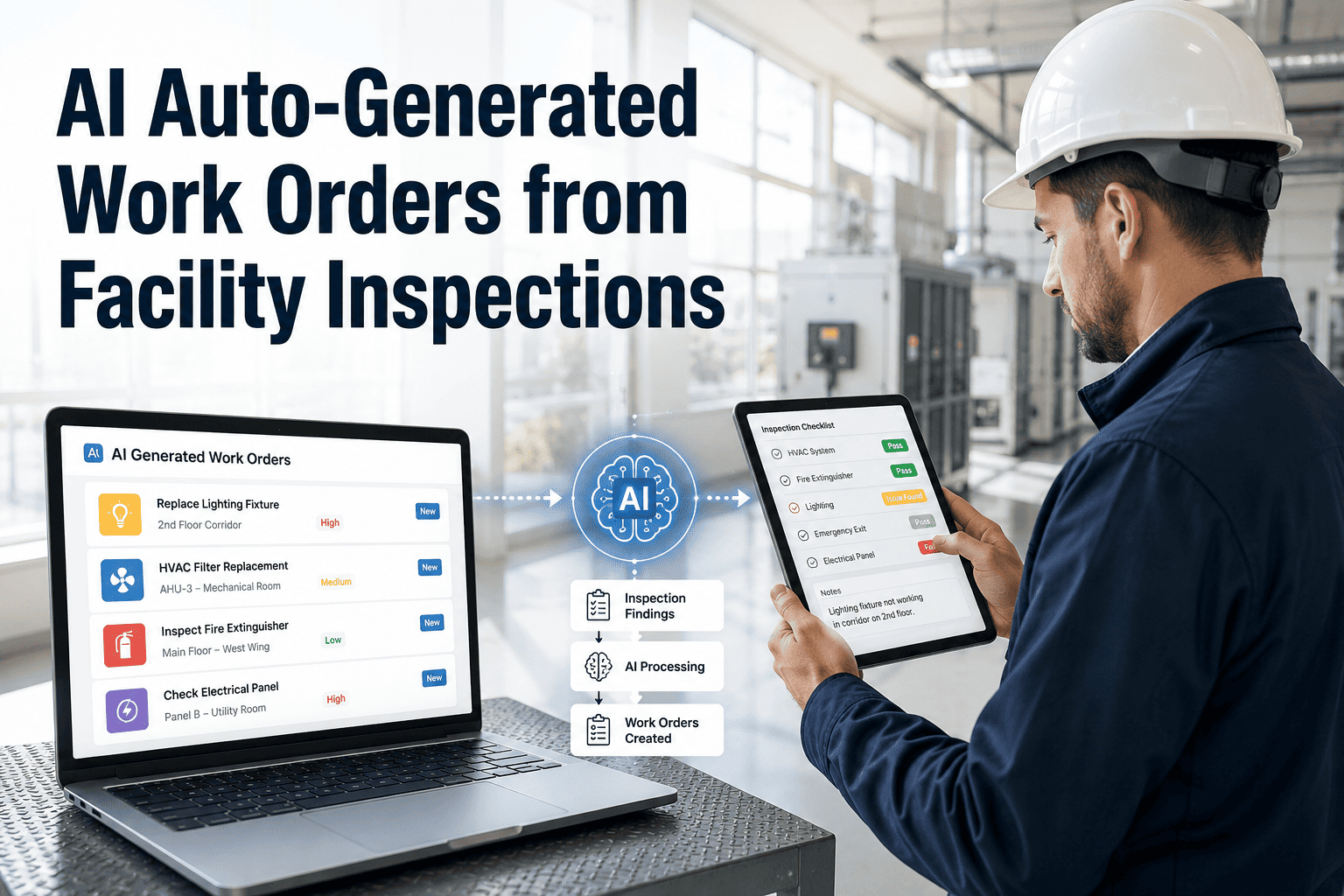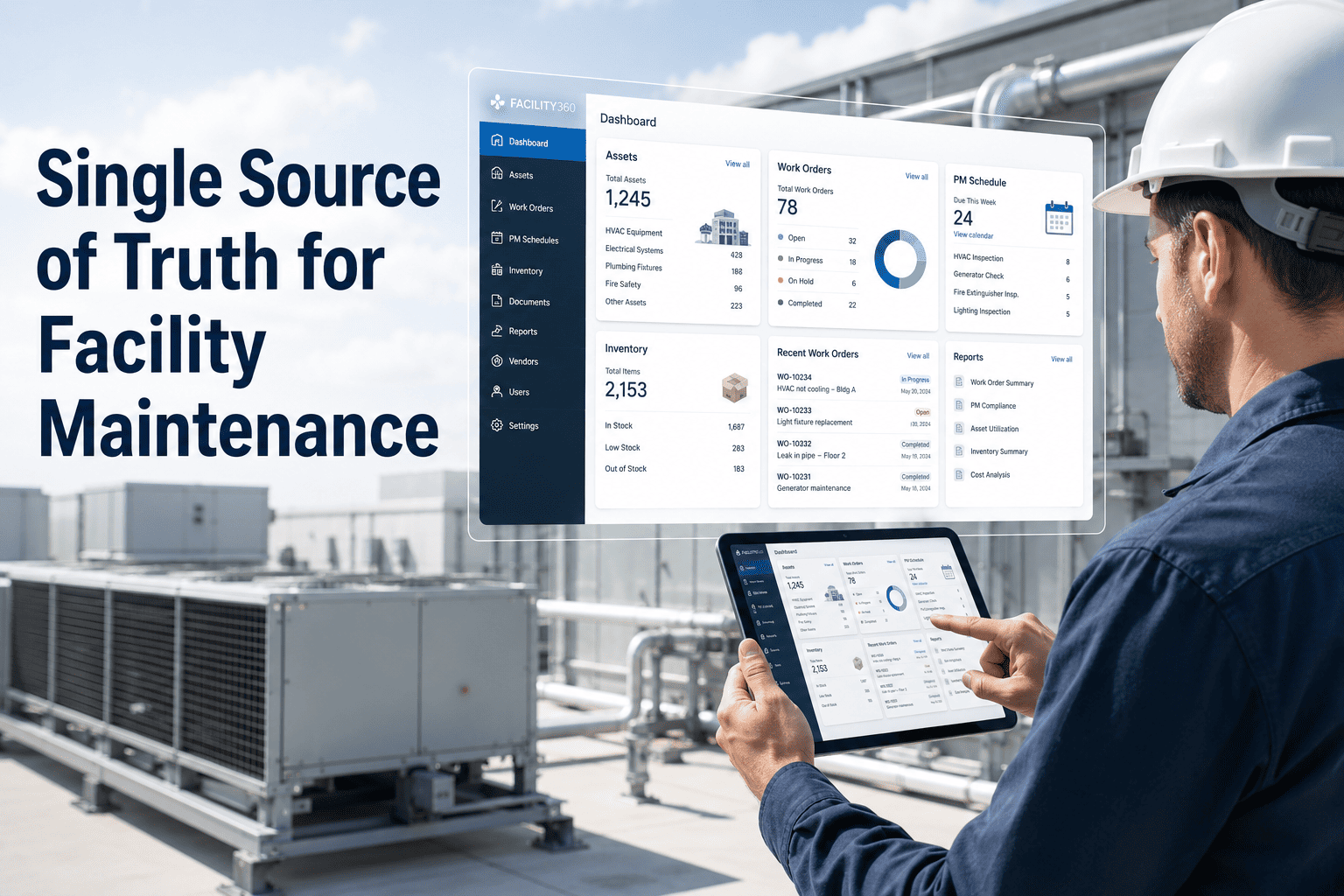
When work orders live in one system, asset records in another, inspection logs in a shared drive, and parts requests in email, your facility team spends more time locating information than acting on it. OxMaint unifies every operational layer — assets, requests, work orders, inspections, parts, vendors, and reporting — into a single platform that everyone in your team can access from any device. Book a demo to see what unified facility operations looks like for your portfolio, or start free and connect your first building in minutes.
INTEGRATED CMMS · ASSET MANAGEMENT · FACILITY OPERATIONS
One Platform. Every Facility Workflow.
Fragmented maintenance systems cost facility teams 6–9 hours per week chasing data across disconnected tools. OxMaint replaces them all with a single source of truth — from service requests to closed work orders, from asset history to parts inventory.
THE FRAGMENTATION COST
What Data Silos Cost Your Facility Team Every Week
6–9 hrs
Lost weekly per manager
Chasing data across spreadsheets, email threads, paper logs, and disconnected software to answer basic questions about asset status and work order progress.
34%
Repeat work orders
When repair history lives in multiple places, technicians fix the same issue repeatedly because the previous repair note was never accessible at the asset.
2–4 wks
Audit preparation time
Compliance audits require pulling records from 3–5 different systems, manually reconciling dates and completion status, and assembling documentation packages by hand.
22%
Missed PM completions
Preventive maintenance falls through the cracks when scheduling, assignment, and completion tracking are split across separate tools with no automated cross-check.
WHAT GETS UNIFIED
Every Facility Workflow Connected in One Platform
OxMaint
Single Source of Truth
Asset Records
Full history, specs, QR tags, lifecycle data
Work Orders
Creation, assignment, field updates, closure
Service Requests
QR scan, tenant portal, mobile submission
PM Schedules
Recurring tasks, checklists, compliance calendar
Parts & Inventory
Stock levels, reorder alerts, usage by work order
Reporting
KPIs, compliance proof, budget analysis
BEFORE AND AFTER
Fragmented Systems vs Single Source of Truth
| Situation | Fragmented Systems | OxMaint Single Platform |
|---|---|---|
| Tenant submits a repair request | Email or phone call — manually entered into work order | QR scan or portal creates work order automatically, routed by asset and priority |
| Technician needs asset history | Calls office, searches paper files, checks email chain | Scans QR tag at equipment — full history, last repair, open PMs appear instantly |
| PM schedule is missed | Discovered weeks later on a spreadsheet review | Auto-escalation alert when PM passes due date — manager notified in real time |
| Compliance audit requested | 2–4 week manual compilation from 4+ sources | One-click report with timestamped completion evidence for every inspection |
| Part is needed for an urgent repair | Calls storeroom, checks spreadsheet, emails purchasing | Checks inventory from work order screen — stock level, location, and reorder status visible |
| Manager reviews team performance | Assembles report manually from multiple systems once per month | Live dashboard — PM compliance, MTTR, backlog, open WOs updated in real time |
See Every Workflow Connected in One Place
OxMaint replaces the maintenance spreadsheet, the inspection log, the parts email, and the manual report — with one platform your entire team operates from, on any device.
EXPERT REVIEW
Integrated Facility Operations Specialist
VP of Facilities — 22-Building Commercial and Mixed-Use Portfolio
The concept of a single source of truth sounds obvious — of course you want one system — but in practice, most facility teams accumulate fragmented tools one problem at a time. A spreadsheet for parts, a separate app for inspections, email for requests. The transition to a unified platform reveals something important: the fragmentation was not just inconvenient, it was expensive. Our team reduced audit preparation time from three weeks to two days by having all compliance records in one place. That single improvement paid for the platform cost in the first quarter. The key is choosing a platform that genuinely covers all the workflows rather than requiring you to keep a spreadsheet alongside it.
FREQUENTLY ASKED
Single Platform CMMS — Common Questions
How do we migrate data from multiple existing systems into OxMaint?
OxMaint supports bulk import from CSV/Excel for assets, work order history, PM schedules, and parts inventory. For teams migrating from other CMMS platforms, the onboarding team provides import templates and a structured migration checklist that maps source fields to OxMaint's data model. Most facilities complete their core data migration in 2–4 weeks depending on data completeness. Book a demo to discuss your specific migration situation and get a data readiness assessment before committing to the move.
Can different team members and departments see only what is relevant to them?
OxMaint uses role-based access controls that can be configured by building, department, asset class, or work order type. A technician sees their assigned work orders and the assets in their zone. A manager sees full reporting for their building or portfolio. A tenant or contractor sees only the request portal and their own tickets. The single source of truth does not mean everyone sees everything — it means all data lives in one place with appropriate visibility per role. Sign up free to explore the permission model with your own test account.
Does OxMaint integrate with building management systems or ERP platforms?
OxMaint provides API access for integration with BMS platforms, IoT sensor feeds, ERP systems, and accounting software. Common integrations include BACnet-compatible BMS systems, sensor platforms that trigger condition-based work orders, and accounting integrations for parts and labor cost allocation. The API documentation is available after account creation, and the OxMaint team provides integration support for enterprise and multi-site deployments. Book a demo to discuss integration requirements specific to your building stack.
What happens to work order data if we eventually switch platforms again?
All work orders, asset records, inspection logs, PM history, and parts data in OxMaint are fully exportable in CSV format at any time — no exit fees, no locked-in data. Facility teams retain complete ownership of their operational data. This matters for long-term records management: many inspection and compliance records need to be retained for 7–10 years, and OxMaint's export capability ensures those records are accessible regardless of what platform the team uses in the future.
OXMAINT · INTEGRATED CMMS · FACILITY MANAGEMENT
Stop Running Your Facility Across Five Different Tools
OxMaint unifies assets, work orders, inspections, parts, requests, and reporting in one platform — accessible from any device, for every member of your facility team.