Most fleets buy AI inspection technology on faith, then spend the first year arguing internally about whether it actually paid for itself. It does not have to be a guessing game. The payback window for AI-powered vehicle inspection depends on three measurable inputs — fleet size, inspection method, and current damage-claim leakage — and once you know those three numbers, the breakeven date is arithmetic, not opinion. This page walks through exactly how that math works across smartphone, mobile, and fixed-lane inspection systems, so you can see where your fleet lands before you commit budget. If you want the calculation run against your own fleet numbers instead of the industry averages below, start a free trial with OxMaint.
AI Inspection · ROI Modeling · 2026 Benchmarks
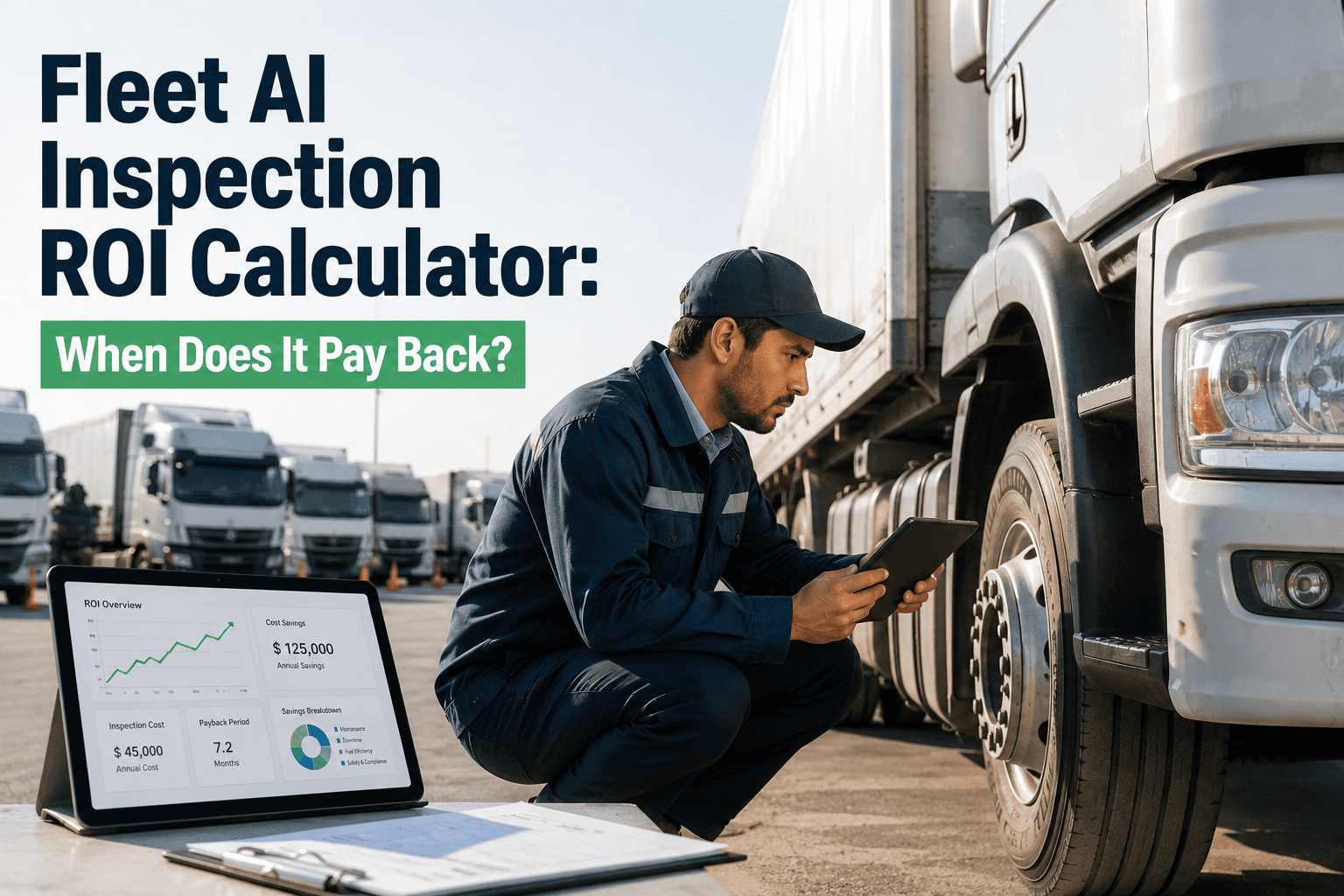
Fleet AI Inspection ROI Calculator: When Does It Actually Pay Back?
A working model for smartphone, mobile, and fixed-lane AI inspection — broken down by fleet size, damage-detection rate, and labor hours reclaimed, so you know your breakeven month before you sign anything.
4.7 mo
Median payback period for mid-size fleets switching to AI inspection
61%
Reduction in missed damage claims after switching from manual checklists
9 min
Average inspection time saved per vehicle per cycle
3.1x
Return on AI inspection spend within the first 12 months, fleet average
The Hidden Cost
What Manual Inspection Is Actually Costing You Right Now
Fleet managers rarely have a line item labeled inspection loss, which is exactly why it survives budget reviews year after year. The cost is spread across four places most spreadsheets never connect: labor hours spent on paper checklists, damage that goes undetected until a resale or a lawsuit, driver time wasted waiting on inspection queues, and disputed damage-back charges from lessors or rental partners. Add those four together and manual inspection is rarely the free process it looks like on paper.
Labor Drain
Checklist Time Per Vehicle
A thorough manual walk-around inspection takes 12 to 18 minutes when done properly. Across a 100 vehicle fleet inspected weekly, that is over 100 labor hours a month spent on a task that produces no revenue.
Missed Damage
Undetected Damage Rate
Human inspectors miss an estimated 30 to 40% of minor body damage, especially underbody and roof-line dents. That damage compounds until resale, where it shows up as a much larger deduction than the original repair would have cost.
Dispute Exposure
Damage-Back Chargebacks
Rental and leasing fleets without timestamped photo evidence lose an average of 18% of damage-back disputes purely on lack of proof, not lack of merit.
Queue Time
Driver and Yard Wait Time
Manual inspection lanes create bottlenecks at shift change and yard check-in. Idle driver time during inspection queues is one of the least visible costs in fleet operations, but it shows up directly in payroll.
Three Ways to Automate
Smartphone, Mobile, and Fixed-Lane — Which AI Inspection Method Fits Your Fleet
AI inspection is not one product category. The three dominant methods trade off upfront cost against inspection speed and detection accuracy differently, and the right choice depends heavily on fleet size and how often vehicles pass through a central yard.
Lowest Entry Cost
Smartphone-Based Inspection
Drivers capture a guided photo sequence using a mobile app. Computer vision flags damage, misses, and fault indicators against the last recorded condition. No hardware installation required.
Typical payback: 2 to 5 months for fleets under 150 vehicles
Balanced Coverage
Mobile Scan Units
A technician-operated or drive-through scanning rig captures multi-angle imagery in seconds without requiring a fixed structure. Suited to fleets that rotate between multiple yards.
Typical payback: 5 to 9 months for fleets between 150 and 500 vehicles
Highest Throughput
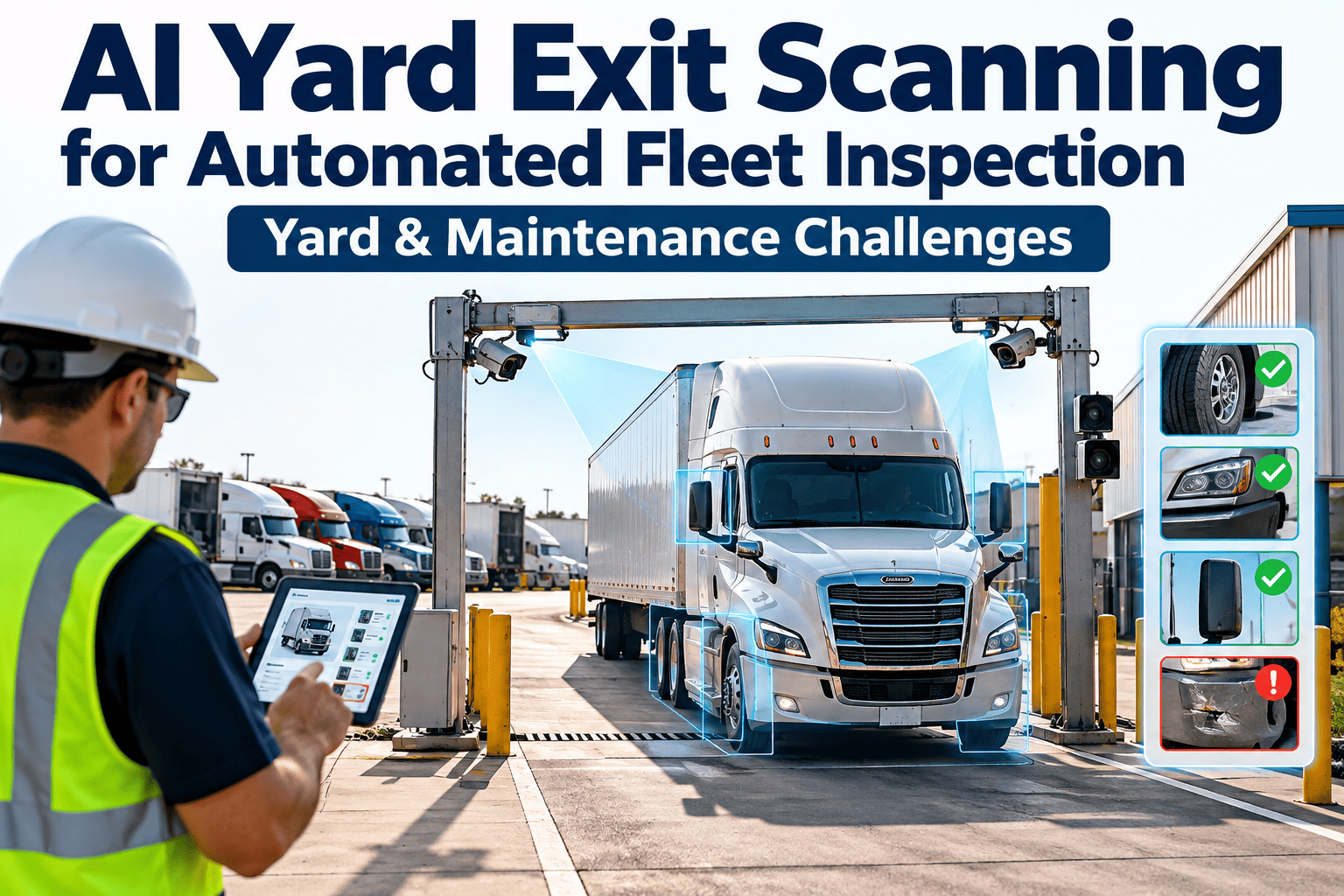
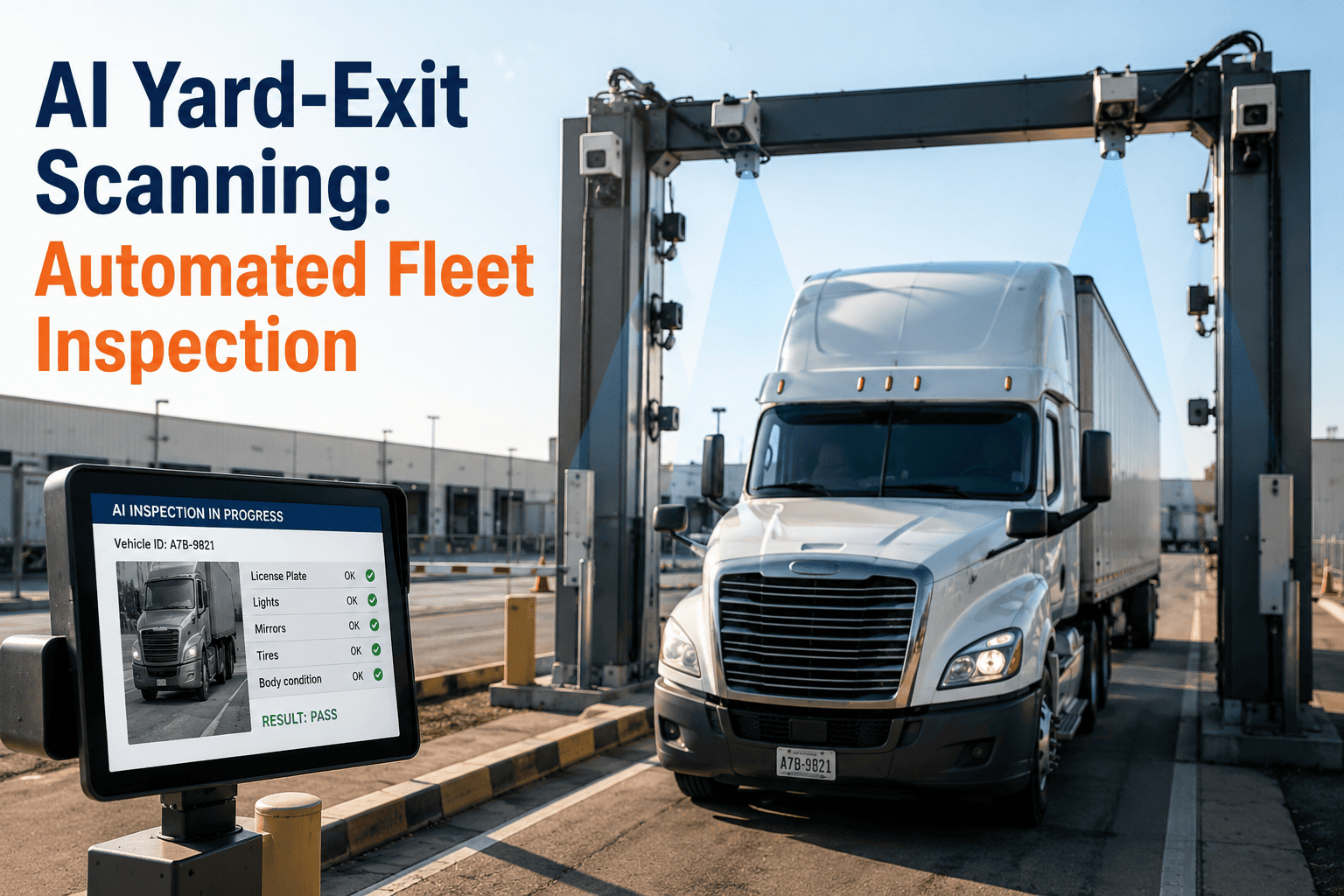
Fixed-Lane Gate Scanning
Vehicles drive through a stationary camera array at entry and exit. Every pass generates a full condition record automatically with zero driver involvement. Requires yard infrastructure investment.
Typical payback: 8 to 14 months, justified only above roughly 500 vehicles
OxMaint · AI Inspection · ROI Ready
See Your Fleet's Actual Payback Month, Not an Industry Average
OxMaint's inspection module runs the same detection engine across smartphone and mobile capture, so you can start with the lowest-cost option and scale up only once the ROI proves itself in your own data.
Payback By Fleet Size
How Long Until AI Inspection Pays For Itself, By Fleet Size
The single biggest driver of payback speed is fleet size, because most of the cost of AI inspection is fixed and most of the savings scale linearly with vehicle count. Below is the median payback window reported across smartphone and mobile deployments, segmented by fleet size.
What Moves The Needle
Four Variables That Speed Up Or Slow Down Your Payback Date
Two fleets of identical size can land months apart on payback. The gap almost always comes down to these four variables, which is where OxMaint deployments focus during onboarding.
01
Current Inspection Frequency
Fleets already inspecting weekly see faster payback because the labor hours being replaced are larger. Fleets inspecting rarely see slower labor payback but often faster damage-detection payback, since more issues have been accumulating undetected.
02
Vehicle Turnover and Resale Volume
Fleets that resell or return leased vehicles frequently recover cost fastest, because AI-documented condition history directly reduces resale deductions and lease damage-back disputes.
03
Driver App Adoption Rate
Smartphone-based rollouts stall when driver adoption is below 80%. Fleets that build a short mandatory inspection window into the shift-start routine consistently hit full payback a full month or two sooner.
04
Integration With Existing Maintenance Workflow
Detected damage that automatically becomes a work order closes the loop faster than detected damage that sits in a report nobody actions. Fleets running inspection and maintenance in the same system report the shortest payback windows overall.
ROI In Numbers
What a 200-Vehicle Fleet Sees In Year One
128 hrs
Labor Reclaimed Per Month
Inspection time drops from roughly 15 minutes to under 4 minutes per vehicle with guided smartphone capture.
$9,400
Additional Damage Caught Monthly
Damage identified early and repaired before it worsens, compared to the prior manual inspection baseline.
5.5 mo
Median Payback Window
Based on combined labor savings and damage-detection value against typical smartphone deployment cost.
3.1x
Year One Return Multiple
Total measured savings against total subscription and rollout cost across the first twelve months.
Fleet Manager Questions
AI Inspection ROI — Questions Fleet Teams Ask Before Buying
How is AI inspection payback actually calculated?
+
Payback is the point where cumulative savings from labor hours reclaimed and damage caught early equal the total cost of the platform. Most fleets reach it faster than expected once queue-time and dispute savings are counted.
Start a free trial to model it against your own numbers.
Is smartphone inspection accurate enough for smaller fleets?
+
Yes. Guided-capture smartphone inspection matches fixed-lane detection accuracy for body damage and tire wear, and only trails on underbody and roofline angles that require a scanning rig. For fleets under 150 vehicles it is almost always the faster payback option.
Do I need new hardware to start using AI inspection?
+
No, not to start. Smartphone-based inspection runs on the devices drivers already carry. Mobile scan and fixed-lane options add hardware only once fleet size and yard traffic justify the higher throughput.
What happens to damage that AI detects during an inspection?
+
In OxMaint, flagged damage generates a work order automatically instead of sitting in a static report. That closed loop is one of the biggest factors separating fast payback fleets from slow ones.
Book a demo to see the workflow.
Can AI inspection data help with lease returns and resale?
+
Yes, and this is often the fastest-paying-back use case. A timestamped condition history from acquisition to disposal is direct evidence against unfair damage-back charges and inflated resale deductions.
OxMaint · AI Inspection · Built For ROI
Know Your Payback Month Before You Spend A Dollar
OxMaint's AI inspection module works from the smartphones your drivers already carry, catches damage manual checklists miss, and turns every flagged issue into a work order automatically. Run it against your own fleet numbers and see the real breakeven date.