Most new trucking authorities do not fail because freight is scarce. They fail because the bills arrive on a 15-day clock while the customer payments arrive on a 45-day clock, and nobody built a plan to survive the gap in between. That mismatch is the single biggest reason first-year carriers run out of cash before they run out of freight.
Fleet Startup Cash Flow: Building A 90-Day Runway Before Your First Load
New carriers extend fuel, driver, and repair credit the moment a truck rolls, but broker and shipper payments lag 30 to 60 days behind. See how to calculate a real 90-day runway, where freight factoring and fuel card credit fit, and how controlling repair costs stretches every dollar of working capital.
Why New Carriers Run Out Of Money With Freight Still On The Board
A new MC number does not come with a cash cushion. Fuel is paid at the pump, drivers expect weekly settlements, and a breakdown wants payment before the truck moves again. None of that waits for a broker's net-30 or net-45 terms.
Fuel, tolls, ELD fees, and driver draws happen every day a truck is loaded, regardless of when the customer pays.
Broker and shipper payment terms typically run 30 to 60 days from delivery, sometimes longer for new relationships.
A first-year authority has little track record, so fuel cards, factoring lines, and equipment financing all carry tighter terms.
An unplanned repair on a single truck can consume weeks of margin from an operation that has not yet built reserves.
Don't Let A Surprise Repair Break Your Runway
Unplanned breakdowns are one of the fastest ways a new carrier burns through working capital. Scheduled inspections and tracked repair history keep maintenance spend predictable while your cash flow plan is still fragile.
Freight Factoring: Turning An Invoice Into Cash In Days, Not Weeks
Freight factoring sells an unpaid invoice to a factoring company at a small discount in exchange for fast payment, often within 24 hours of delivery paperwork being submitted. For a new carrier, that converts the 30-to-60-day wait into a same-week cash event.
Driver submits the signed bill of lading and delivery paperwork.
The factoring company buys the invoice, typically advancing 90 to 96 percent upfront.
Funds land in the carrier's account, well ahead of the broker's own payment terms.
The factoring company collects the full invoice from the broker later, keeping its fee.
Non-recourse factoring shifts the risk of a broker's non-payment onto the factor, at a higher fee, while recourse factoring keeps that risk with the carrier for a lower cost. New authorities often start with recourse factoring on vetted brokers to keep fees manageable, then evaluate non-recourse once volume grows. Fees typically run from around one to five percent of invoice value depending on volume and broker risk, which is usually cheaper than the cost of a missed driver settlement or a bounced insurance payment.
Freight Factoring vs Fuel Card Credit vs A Bank Line Of Credit
Each source of working capital solves a slightly different problem. Most new carriers end up combining more than one rather than relying on a single line.
| Financing Type | Best For | Speed | Typical Drawback |
|---|---|---|---|
| Freight factoring | Bridging invoice payment delay | 24-48 hours per invoice | Discount fee on every invoice |
| Fuel card with credit line | Daily fuel purchases | Instant at the pump | Requires credit approval, revolving balance |
| Bank line of credit | General working capital | Days to weeks to set up | Hard for a first-year authority to qualify |
| Equipment financing | Trucks and trailers | Days to weeks | Ties up future cash in fixed payments |
| Owner cash reserve | Everything else | Immediate | Finite, and often the first thing depleted |
Why A Fuel Card Line Matters As Much As Factoring
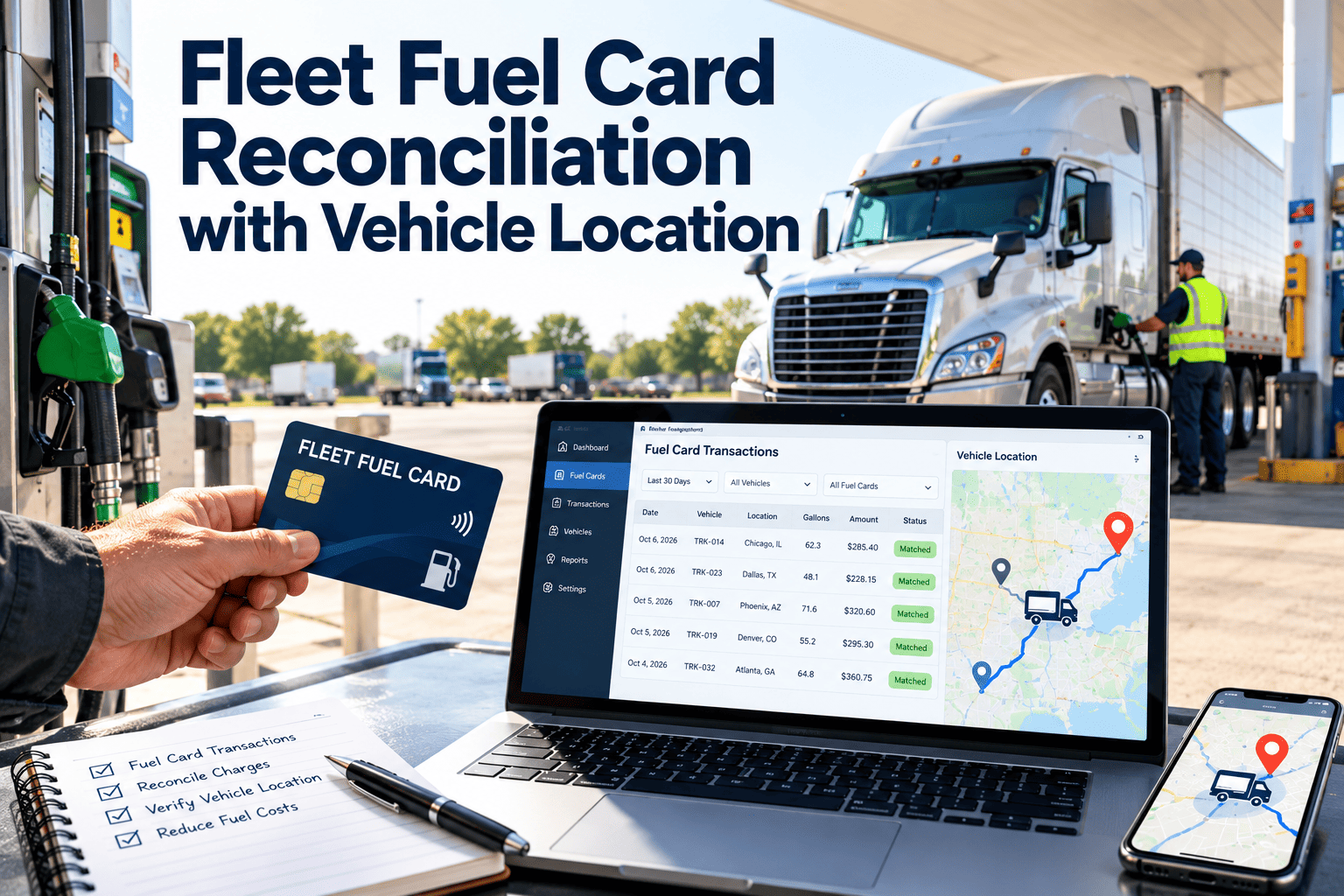
Fuel is typically the largest recurring cash outlay for a new carrier, often running tens of thousands of dollars a year per truck. A fuel card with a revolving credit line defers that spend by a billing cycle instead of paying cash at every stop, which is often the difference between covering a driver settlement on time and missing it.
Calculating Your Own 90-Day Runway
A runway calculation is simple in structure even though the numbers behind it are specific to each fleet. Work through it before the first truck is dispatched, then again after 30 days of real data.
Insurance, permits, ELD subscriptions, truck payments, and any office overhead that recurs whether or not a truck moves.
Fuel, driver pay, maintenance reserve, and tolls per mile, based on your actual truck and lane profile.
Use a conservative utilization estimate rather than a best-case dispatch schedule for the first quarter.
Map when cash actually lands if you factor invoices versus waiting on net-45 broker terms, week by week.
Budget for at least one unplanned repair per truck in the first 90 days; new-to-you equipment fails at the worst times.
Protect Your Runway From Repair Surprises
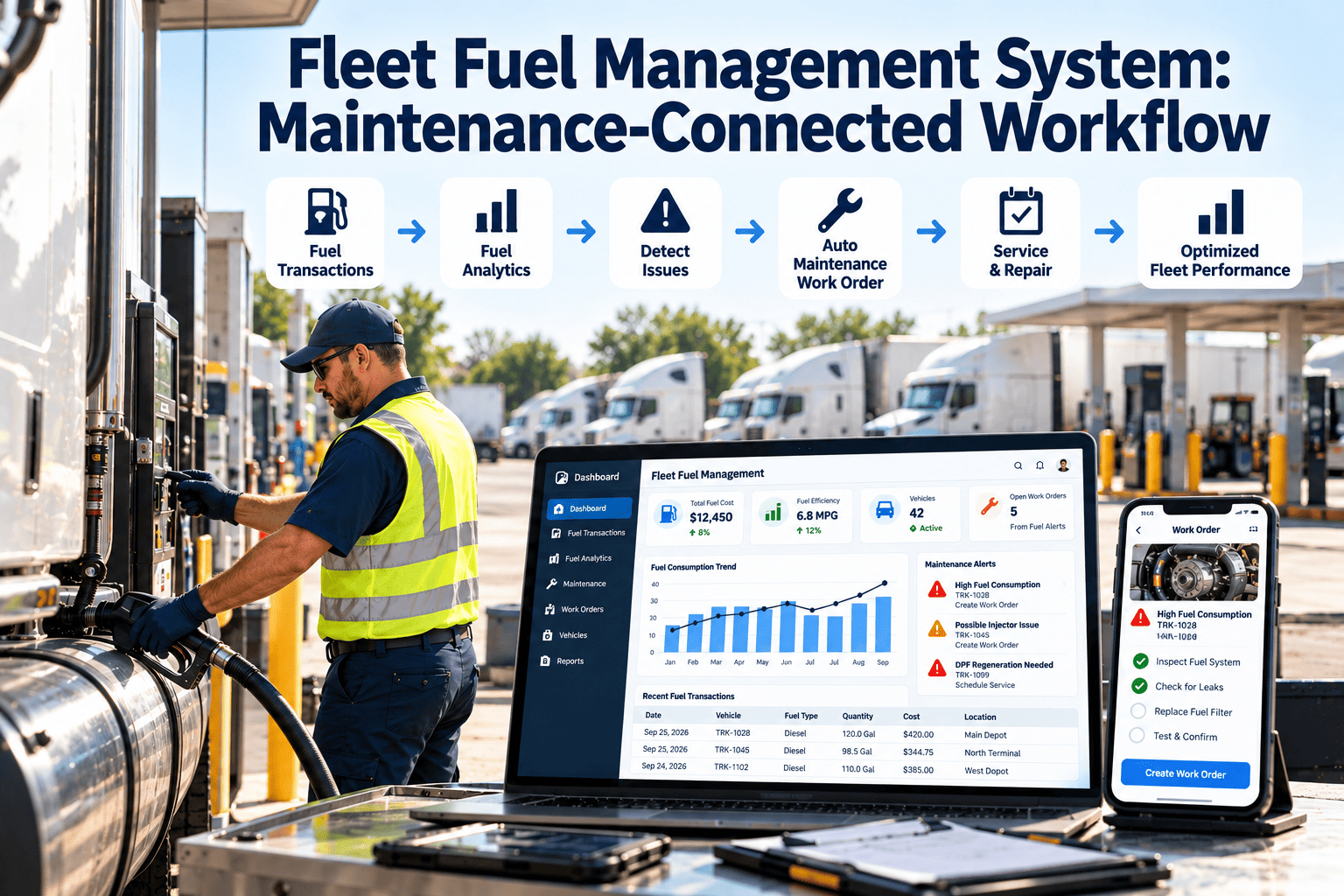
Oxmaint schedules preventive maintenance, tracks parts and repair costs per truck, and flags overdue service before it becomes a roadside breakdown, so a maintenance contingency stays a line item instead of an emergency draw on your factoring line.
Controlling Repair Costs Is A Cash Flow Strategy, Not Just A Maintenance Task
Every dollar spent on an avoidable breakdown is a dollar that cannot cover a driver settlement, an insurance premium, or a fuel card balance. New carriers rarely have the reserves to absorb surprise downtime, which makes maintenance discipline part of the financial plan, not separate from it.
Set recurring inspections and services per truck so repairs happen on a plan instead of on the shoulder of a highway.
See true cost per truck over time, so you know which unit is draining cash before it becomes a pattern.
Drivers flag developing problems from the road, turning a small fix into a scheduled stop instead of a stranded load.
Roll up maintenance spend across the fleet to refine your 90-day contingency budget with real numbers, not guesses.
What To Check Before Signing A Factoring Agreement
Not every factoring company structures its contract the same way, and the difference between two offers with similar headline rates can be significant once fees and contract terms are compared line by line.
Look for month-to-month terms early on. A long lock-in penalizes a new carrier for switching once volume and leverage improve.
Flat-rate fees are easier to forecast than tiered rates that climb the longer an invoice sits unpaid.
A higher advance on the invoice, usually 90 to 97 percent, means less of your own cash stays tied up waiting on the reserve.
A factoring company that vets broker creditworthiness before you haul the load reduces the chance of a non-payment dispute later.
Many new carriers also underestimate how much a factoring company's back office can save in administrative time. Outsourcing invoice submission and collections to the factor frees up hours that a one- or two-truck operation would otherwise spend chasing payment instead of booking the next load. That time savings compounds over the first year, when every hour of dispatcher or owner-operator attention is scarce.
It is also worth asking a prospective factoring partner how they handle a broker that pays late or not at all, since that answer reveals more about the relationship than the headline rate ever will. A factor that simply reverses the advance on a recourse contract with no notice or support leaves a new carrier exposed exactly when cash is already tight. A factor that flags slow-paying brokers proactively, before a load is booked, functions closer to a credit-risk partner than a simple invoice buyer, and that difference matters more in year one than a fraction of a percentage point on the fee.
Cash Flow Mistakes That Sink A First-Year Carrier
The runway calculation above only works if it survives contact with real dispatch decisions. A few recurring mistakes account for most of the cash crunches new authorities run into during their first two quarters.
Frequently Asked Questions
How much cash should a new trucking authority keep in reserve?+
Is freight factoring worth the fee for a small fleet?+
What is the difference between recourse and non-recourse factoring?+
How does maintenance planning affect cash flow?
When should a new carrier set up a fuel card credit line?+
Moving From Survival Mode To A Sustainable Cash Cycle
A 90-day runway gets a new carrier through the startup gap, but it is a starting point, not a finished plan. Once the first quarter of real operating data is in hand, the calculation should be rebuilt around actual numbers instead of estimates, and a few structural habits tend to separate carriers that stabilize from those that stay in constant cash-crunch mode.
Relying on one or two brokers for most freight concentrates payment risk. A late payment from your largest customer can stall the whole operation.
As cash reserves build, factor a smaller share of invoices and keep the strongest-paying accounts on direct terms to cut fee costs.
Commingled accounts make the runway calculation unreliable and complicate factoring underwriting and future loan applications alike.
Fuel prices, insurance renewals, and lane rates shift throughout the year. A runway model built once in month one goes stale fast.
The carriers that make it past year one are rarely the ones who never faced a cash crunch. They are the ones who built a repeatable process for seeing the crunch coming, whether that meant factoring more aggressively during a slow month, deferring a discretionary equipment purchase, or catching a maintenance issue on a scheduled inspection instead of a roadside call. Cash flow discipline and maintenance discipline end up reinforcing each other more than most new operators expect going in.
Build A Cash Flow Plan That Survives Your First 90 Days
Factoring and fuel credit solve the payment-timing gap. Disciplined maintenance keeps repair costs from eating the runway you worked to build. Put a scheduled maintenance program in place before the first breakdown forces the issue.