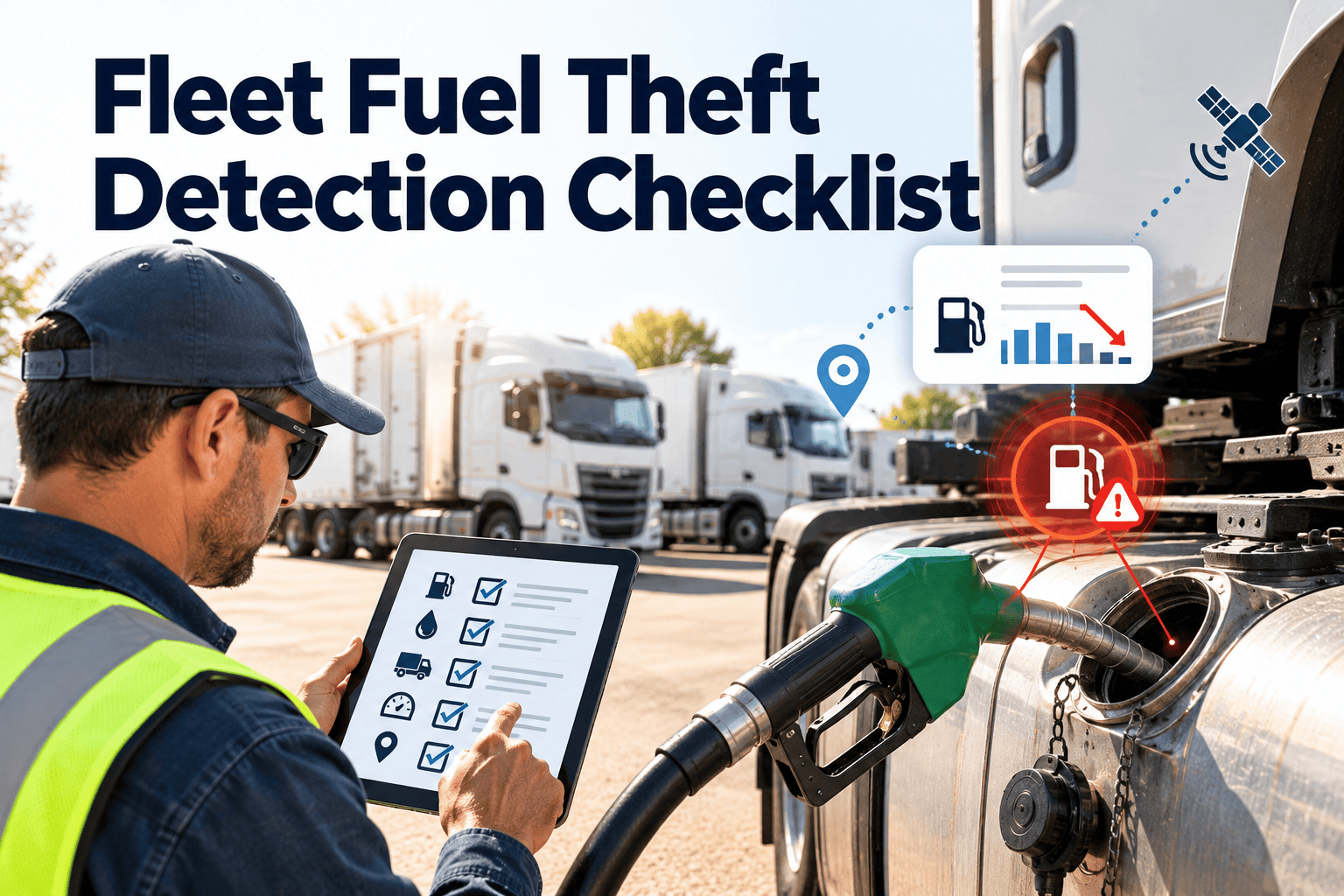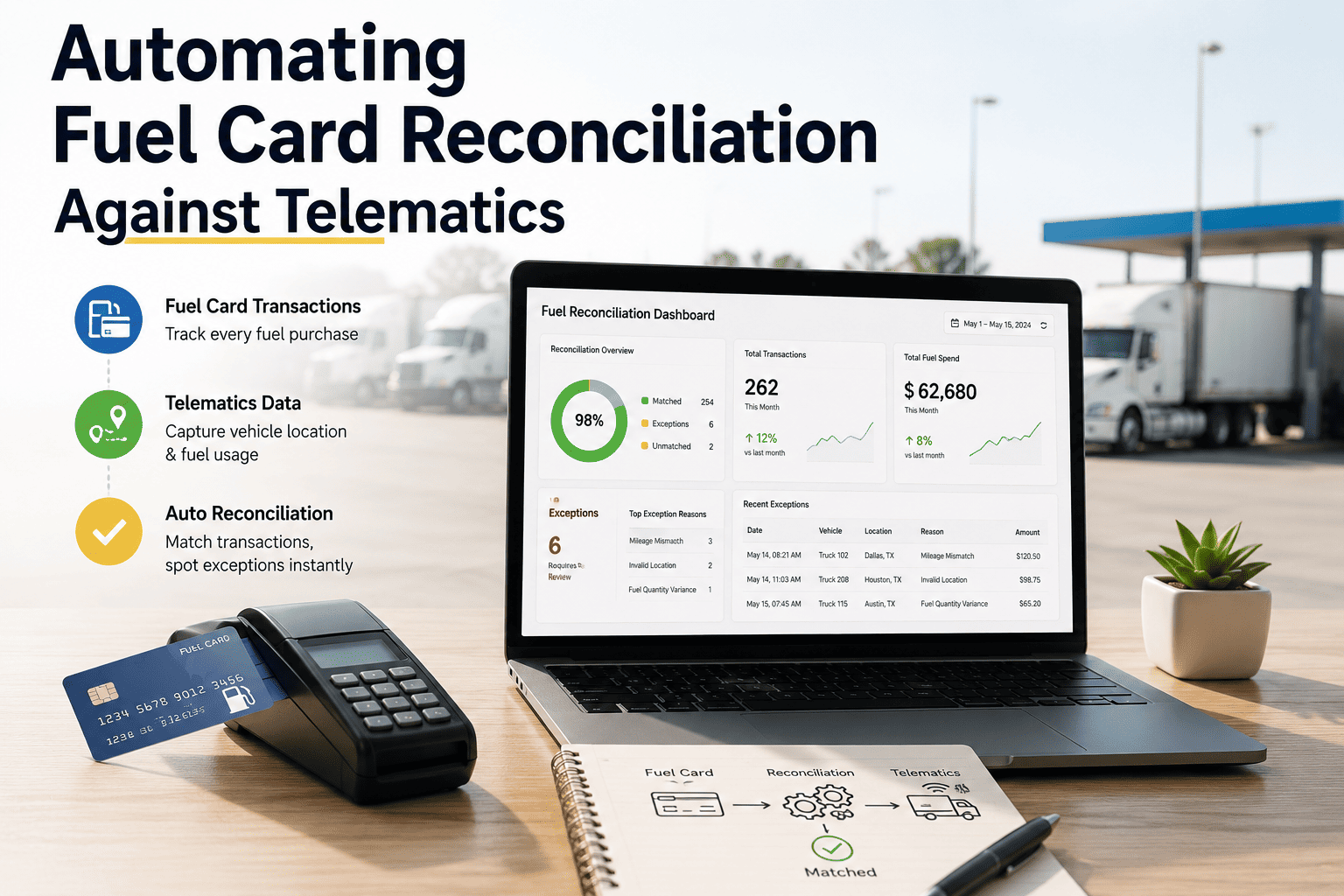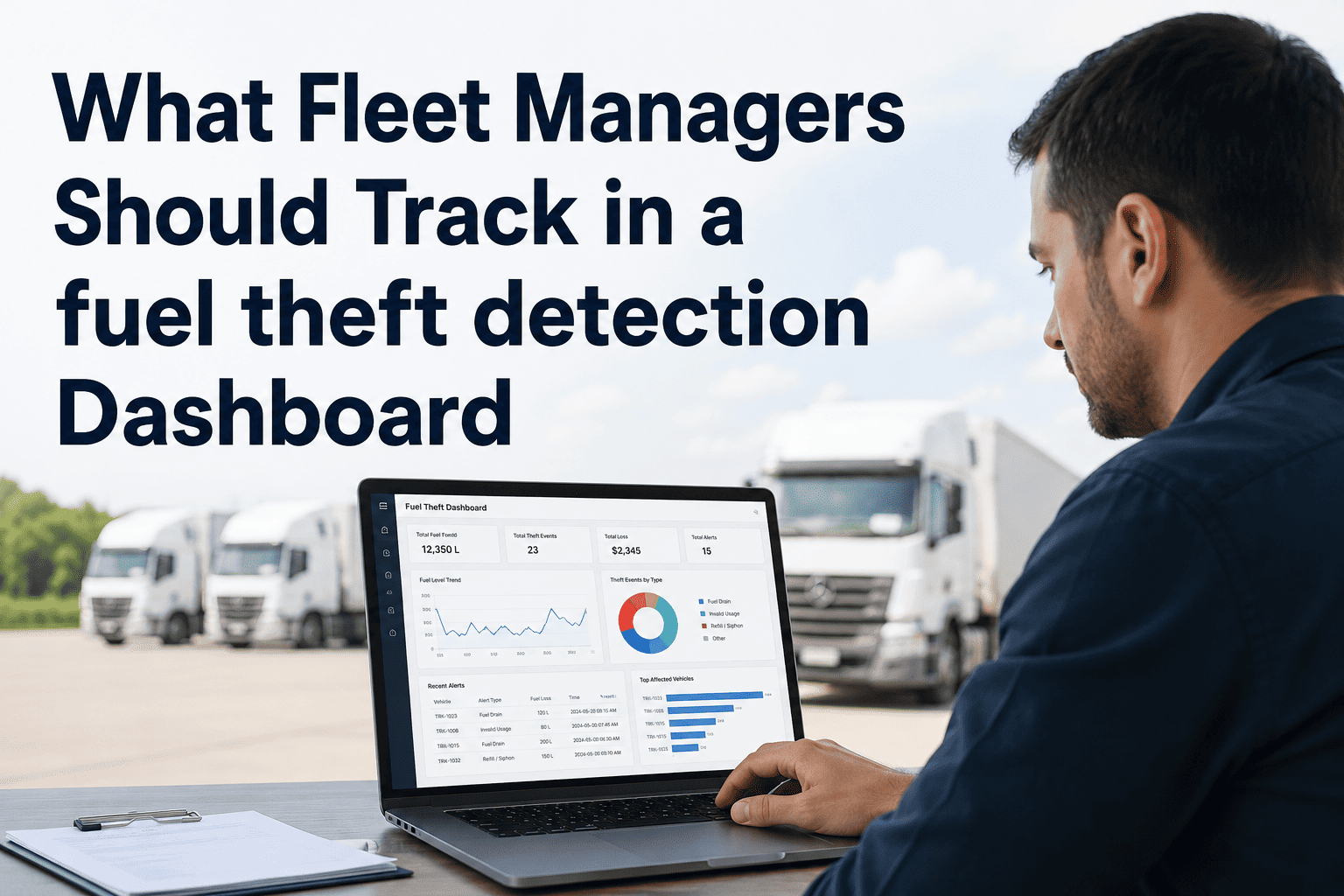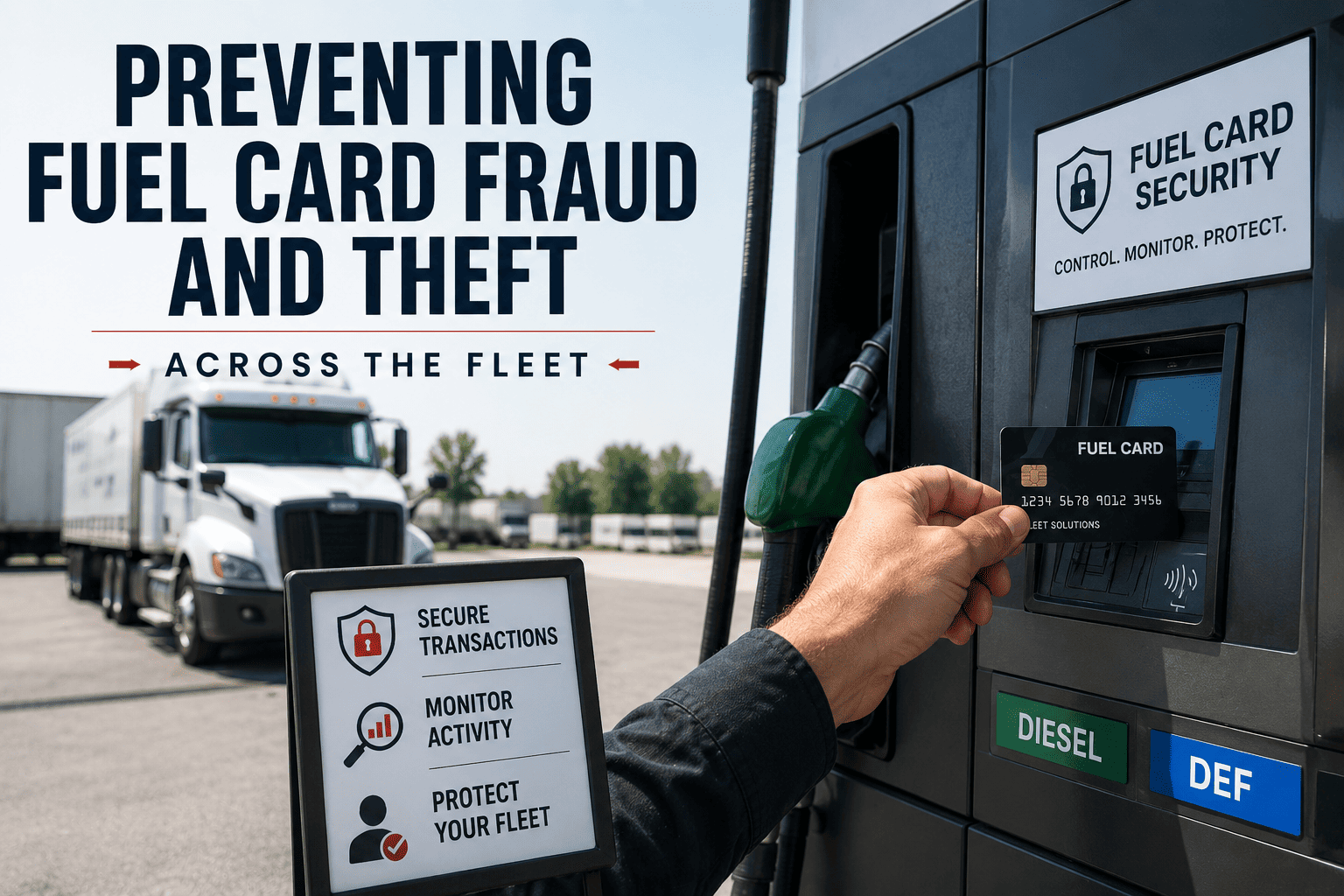
Fuel theft and card fraud drain an estimated 3–5% of total fleet fuel spend — translating to $5,400–$9,000 per year for a fleet spending just $15,000 monthly on diesel. Across the U.S. trucking industry alone, fuel theft accounts for $2.5 billion in annual losses, with 73% of commercial fleets reporting theft incidents and 62% of those traced back to internal employees. The fraud takes many forms — side fueling personal vehicles, card-not-present transactions, duplicate fills at odd hours, mileage inflation — and most of it slips through because transaction volume makes manual review impossible. Fleets using telematics-integrated fuel monitoring report up to 78% theft reduction within 12 months. Ready to cross-reference every fuel card swipe against GPS location, tank capacity, and route data automatically? Start a free trial with Oxmaint to deploy fuel fraud detection workflows across your fleet, or book a demo to see how fleet teams flag suspicious transactions before they hit the bottom line.
Preventing Fuel Card Fraud and Theft Across the Fleet
Card-not-present transactions, duplicate fills, after-hours purchases, and side fueling — flagged automatically through telematics cross-checking and real-time transaction validation.
How Fuel Fraud Bleeds Fleet Profitability — Silently
Most fleet managers dramatically underestimate fuel losses because fraud hides inside high transaction volumes. A driver fueling a personal car twice a week costs $40–$60 per week — invisible in a fleet spending thousands daily. Multiply that across 20 drivers and the annual loss reaches $41,600–$62,400 before accounting for card skimming, mileage inflation, or unauthorized purchases. The damage compounds: each undetected incident validates the behavior and spreads it through driver culture.
5 Types of Fuel Card Fraud Hitting Fleets in 2026
Fuel fraud is not one problem — it is five distinct attack vectors, each requiring different detection methods. Understanding how each type works is the first step toward building layered prevention that catches what manual audits miss.
Transaction Red Flags That Signal Fuel Fraud
Fuel fraud rarely announces itself with a single dramatic event. It reveals itself through patterns — small anomalies repeated across weeks that add up to thousands in losses. These are the transaction-level signals that distinguish legitimate fueling from fraud.
| Red Flag | What It Looks Like | Typical Loss | Detection Method |
|---|---|---|---|
| Gallons exceed tank capacity | 80-gallon purchase on a 60-gallon tank | $70–$120 per event | Tank capacity cross-reference |
| Location mismatch | Transaction 40 miles from vehicle GPS position | Full tank cost ($150–$350) | GPS-to-transaction matching |
| After-hours transaction | Purchase at 11:30 PM on a day-shift route | $80–$200 per event | Shift schedule validation |
| Duplicate fill same day | Two full-tank purchases within 3 hours | $150–$350 per event | Transaction frequency rules |
| Off-route station | Fueling 25+ miles from assigned route corridor | $80–$200 per event | Geofence-based alerts |
| MPG outlier | Vehicle averaging 4.2 MPG when fleet averages 6.1 MPG | $200–$500 monthly | Fleet-wide efficiency comparison |
The 4-Layer Fuel Fraud Prevention Framework
Effective fuel theft prevention is not a single tool — it is layered controls that catch different fraud types at different points. Each layer reduces the remaining fraud surface until the cost of attempting theft exceeds its reward.
Manual Auditing vs. Automated Fraud Detection
Stop Losing $5,000+ Per Year to Fuel Fraud You Cannot See
Oxmaint validates every fuel transaction against GPS, shift schedules, tank capacity, and route data. Exception-based alerts surface only the purchases that need attention — your team reviews flags, not spreadsheets.
How Oxmaint Catches Fuel Fraud at Scale
Oxmaint connects fuel card transaction data with telematics, maintenance records, and driver assignments to create a closed-loop system where every gallon is accounted for and every anomaly surfaces automatically.
Every fuel purchase is automatically matched against real-time vehicle GPS coordinates. Transactions where the vehicle was not physically at the station flag instantly for fleet manager review — catching side fueling, card sharing, and skimmed-card usage.
Purchase gallons are validated against each vehicle's known tank size. A 90-gallon transaction on a 65-gallon tank triggers an automatic alert. This catches over-fill fraud and split-transaction schemes that manual audits miss entirely.
Time-of-day and geographic restrictions are enforced per driver and vehicle. After-hours transactions, off-route fueling, and weekend purchases outside approved windows generate immediate notifications with full transaction details attached.
MPG is calculated per driver against fleet and vehicle-class benchmarks. Persistent outliers are flagged for review — isolating whether the cause is driving behavior, mechanical issues, or fuel diversion before losses compound over months.
Fleet managers see only flagged transactions — not every purchase. Dashboard surfaces location mismatches, capacity violations, frequency anomalies, and efficiency outliers in a single view sorted by severity and estimated loss value.
Track cost-per-mile and cost-per-gallon trends across the fleet, by vehicle class, by route, and by driver. Month-over-month variance reports catch gradual increases that indicate emerging theft patterns before they become entrenched behavior.
ROI from Automated Fuel Fraud Prevention
Frequently Asked Questions
How does Oxmaint detect fuel card fraud in real time?
Oxmaint matches every fuel card transaction against vehicle GPS location, known tank capacity, driver shift schedule, and route boundaries. Transactions that fail any validation — location mismatch, capacity overfill, after-hours timing — flag automatically for fleet manager review within minutes. Start a free trial to configure fraud detection rules for your fleet.
What types of fuel theft does the platform catch?
The system detects side fueling of personal vehicles, duplicate fills, after-hours purchases, off-route fueling, card-not-present transactions from skimmed cards, and mileage inflation — all through automated cross-referencing rather than manual audits. Book a demo to see each detection method in action.
Can Oxmaint integrate with our existing fuel card provider?
Yes. The platform integrates with major fleet fuel card providers to pull transaction data automatically. Combined with telematics feeds, this creates a closed-loop validation system where every gallon is accounted for without manual data entry or CSV imports. Start a free trial to connect your fuel card data.
How quickly do fleets see ROI from fuel fraud prevention?
Most fleets achieve full system payback within 90 days through eliminated fraud, reduced manual reconciliation hours, and optimized fueling patterns. Fleets averaging $15,000 or more in monthly fuel spend typically recover $1,200 per vehicle annually. Book a demo to calculate your fleet's projected savings.
Does the system help with IFTA compliance and fuel tax reporting?
Yes. Fuel purchase data integrated with telematics mileage enables accurate jurisdiction-level fuel tracking for IFTA quarterly filings. Automated reports replace manual mileage-to-fuel reconciliation — reducing compliance preparation from days to minutes. Start a free trial to automate your IFTA fuel data.
Fuel Fraud Costs Your Fleet Thousands Per Year — Start Catching It Today
Oxmaint validates every fuel transaction against GPS, tank capacity, shift schedules, and route data — surfacing only the exceptions that need attention. Join fleet teams across 40+ countries eliminating fuel theft with automated, telematics-integrated fraud detection. Free trial, no credit card required.