Fuel is the single largest controllable expense for any commercial fleet — typically consuming 35–40% of total operating costs. Yet most fleet operators are leaving thousands of dollars on the table every month by using the wrong fuel card, failing to enforce purchase controls, or simply not tracking fuel spend at the transaction level. The right fleet fuel card does more than save you a few cents per gallon; it gives you real-time visibility into every fuel purchase across your operation, enforces spending limits and product restrictions per driver, generates detailed reporting that feeds directly into cost-per-mile calculations, and integrates with your fleet management platform to close the loop between fuel spend and vehicle performance. In 2026, the fuel card market has matured significantly — cards now offer rebates up to $0.08 per gallon, universal network acceptance at 95%+ of US stations, and API integrations with every major CMMS and telematics provider. This guide compares the top fleet fuel cards head-to-head and shows you exactly how to choose the right one for your operation. Already tracking fuel costs manually? Sign up for Oxmaint's Fuel Card Integration and automate the entire workflow.
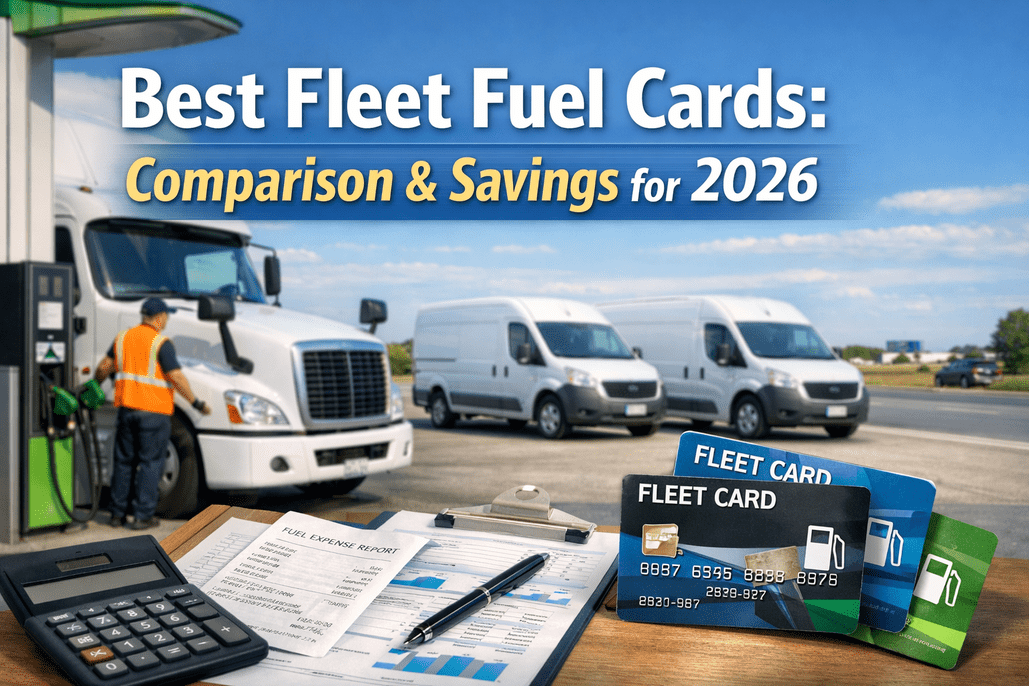
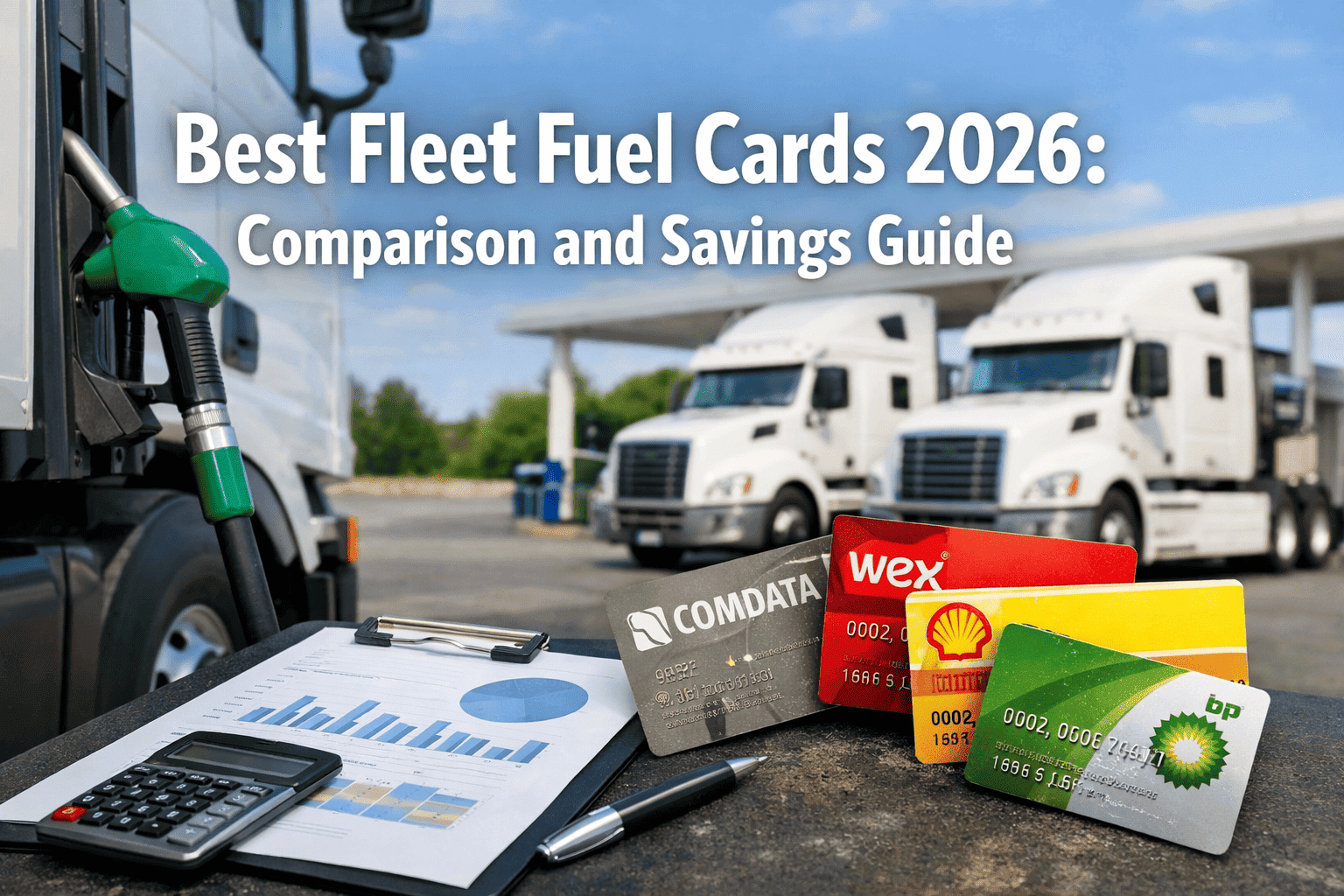
Best Fleet Fuel Cards 2026: Comparison and Savings Guide
Why Your Current Fuel Strategy Is Costing You Money
Fleets without a structured fuel card program face three compounding problems: zero purchase controls allow unauthorized fuel purchases, maintenance items, and convenience store spending on the company dime. Without transaction-level data, you cannot calculate accurate cost-per-mile or identify fuel theft patterns.
The average fleet loses 3-5% of its fuel budget to fraud, slippage, and unauthorized purchases. On a 50-vehicle fleet spending $30,000 per month on fuel, that is $10,800 to $18,000 per year in preventable waste — money that drops straight to your bottom line when you implement proper card controls.
Modern fleet fuel cards solve all three problems simultaneously: they enforce purchase limits, restrict product types, track every transaction with GPS and odometer data, and feed that data directly into your fleet management platform for automated cost analysis.
Top 5 Fleet Fuel Cards Compared: 2026 Rankings
We evaluated each card across six criteria: network size, rebate structure, purchase controls, reporting quality, integration capability, and fleet size fit.
WEX Fleet Card — Best Overall
Accepted at 95% of US fuel stations (over 180,000 locations). Rebates up to $0.03 per gallon on standard tiers, higher for volume commitments. Industry-leading purchase controls including driver ID, time-of-day restrictions, fuel-only limits, and per-transaction caps. Real-time reporting with API integration for all major CMMS platforms including Oxmaint. Best for: fleets of all sizes needing maximum network coverage and control granularity.
Comdata Card — Best for Large Fleets
Accepted at over 60,000 locations with strong truck stop coverage (TA, Petro, Pilot, Flying J). Rebates of $0.05 to $0.08 per gallon depending on volume — the highest in the market for high-volume fleets. Offers integrated factoring and settlement services for carriers. Robust reporting with odometer capture at point of sale. Best for: large OTR fleets (100+ vehicles) with high monthly fuel volume and truck stop purchasing patterns.
Fuelman Card — Best for Small to Mid-Size Fleets
Accepted at over 50,000 locations nationwide. Simple flat-rate rebate structure ($0.02 to $0.05 per gallon) with no complex tier calculations. Excellent driver-level controls and exception reporting that flags unusual purchase patterns automatically. Low administrative overhead — designed for fleet managers who wear multiple hats. Best for: fleets of 5 to 75 vehicles that want simplicity without sacrificing control.
Shell Fleet Card — Best for Brand Loyalty
Accepted at 14,000+ Shell stations in the US. Rebates of $0.06 per gallon with Shell-specific pricing advantages. Premium fuel quality and consistent station experience. Digital receipt capture and integration with major fleet platforms. Limited network compared to universal cards. Best for: regional fleets concentrated in Shell-dense markets that value fuel quality consistency and brand pricing programs.
BP Fleet Card — Best Rebate for Mid-Volume
Accepted at 7,500+ BP and Amoco stations. Rebates up to $0.06 per gallon with a straightforward volume tier. Strong purchase controls and detailed transaction reporting. Pairs well with a universal card for full coverage. Best for: fleets in BP-dense regions (Southeast, Midwest) as a secondary card to maximize per-gallon savings at specific stations while using a universal card elsewhere.
Integrate Your Fuel Cards with Oxmaint
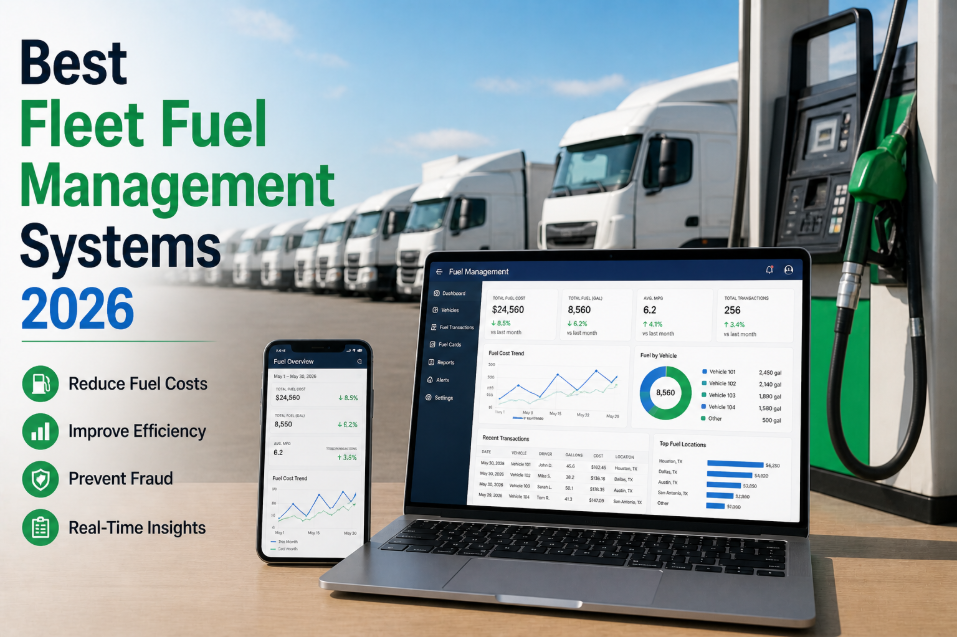
Oxmaint pulls transaction data from WEX, Comdata, Fuelman, Shell, and BP automatically. See fuel cost-per-mile per vehicle in real time — no spreadsheets, no manual entry.
What the Right Fuel Card Delivers for Your Fleet
Per-Gallon Rebates That Add Up
Even $0.03 per gallon adds up fast. A 50-vehicle fleet averaging 1,500 gallons per vehicle per month saves $27,000 annually at that rate. High-volume rebates push savings to $72,000+ per year.
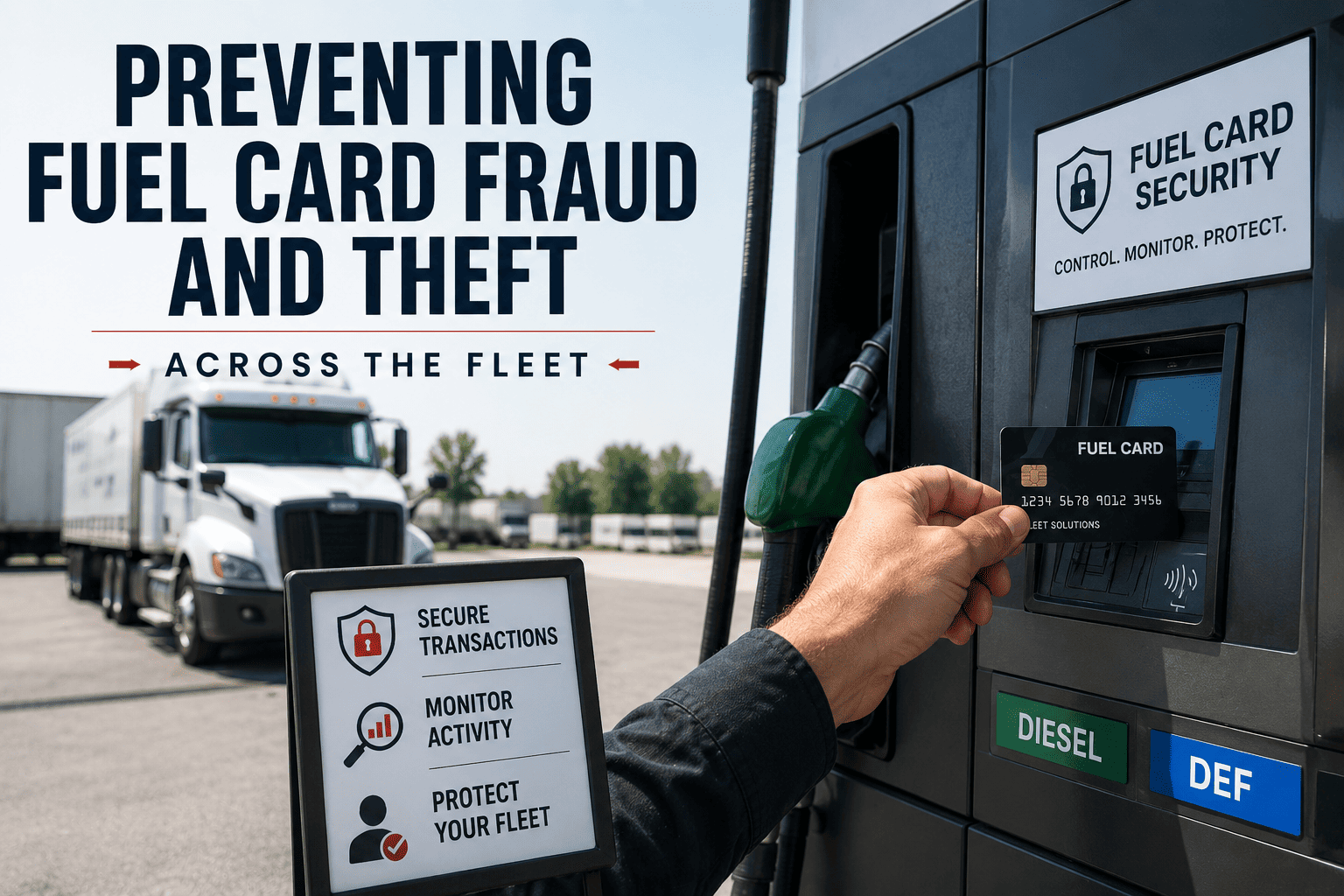
Fraud Prevention and Purchase Controls
Driver PIN requirements, fuel-only product restrictions, daily and per-transaction limits, time-of-day controls, and geographic restrictions eliminate unauthorized spending and fuel theft.
Automated Reporting and Cost Analysis
Every transaction captures driver ID, vehicle ID, gallons, price per gallon, odometer reading, station location, and timestamp. Data feeds directly into cost-per-mile and fuel efficiency calculations.
CMMS and Telematics Integration
Top fuel cards offer API connections to platforms like Oxmaint, pulling fuel data automatically into your maintenance and cost tracking workflows. No manual data entry required.
How to Choose the Right Card for Your Fleet
There is no single best fuel card — the right choice depends on your fleet size, geography, purchasing patterns, and integration requirements. Use these decision criteria to narrow your selection.
Fuel Card Implementation: From Signup to Savings
Most fleets go from application to full deployment in 2-4 weeks
Application and Account Setup
Submit fleet application with vehicle count, estimated monthly volume, and business credit information. Approval typically takes 1-3 business days for established carriers. Configure account-level controls and reporting preferences.
Card Distribution and Driver Assignment
Receive physical cards or virtual card numbers. Assign each card to a specific driver and vehicle. Set individual driver PINs, daily limits, product restrictions, and geographic boundaries. Distribute cards with usage policy documentation.
Integration and Testing
Connect fuel card API to your CMMS platform. Oxmaint's fuel card integration auto-imports transactions daily. Verify data accuracy, test exception alerts, and confirm cost-per-mile calculations are populating correctly.
Full Deployment and Monitoring
Roll out to entire fleet. Monitor first-month transaction patterns for anomalies. Refine controls based on actual usage data. Begin tracking rebate earnings and cost-per-mile improvements. Most fleets see measurable savings within the first billing cycle.
Frequently Asked Questions
Can I use multiple fuel cards in the same fleet?
Yes, and many fleets do. A common strategy is to pair a universal card (WEX or Comdata) for broad coverage with a branded card (Shell or BP) for stations where the branded rebate is higher. Oxmaint consolidates data from multiple card programs into a single dashboard.
How do fuel card rebates actually work?
Most rebates are applied as a credit on your statement. They are calculated per gallon purchased and depend on your volume tier. Some cards offer flat rebates from day one while others require minimum monthly volume to qualify for higher tiers. Rebates typically range from $0.02 to $0.08 per gallon.
What purchase controls can I set on fleet fuel cards?
Most fleet cards allow you to restrict purchases to fuel only, set daily dollar and gallon limits, require driver PIN entry, limit transactions per day, restrict time-of-day usage, and set geographic boundaries. Exception alerts notify you when any rule is violated.
Do fleet fuel cards affect my business credit?
Most fleet fuel cards require a credit check during application but do not report to personal credit bureaus. They typically report to business credit agencies, which can help build your fleet company's credit profile. Payment terms are usually net-14 to net-21.
How does Oxmaint integrate with fuel cards?
Oxmaint connects via API to WEX, Comdata, Fuelman, Shell, and BP card programs. Transaction data imports automatically, matching each purchase to a driver and vehicle. Fuel cost-per-mile, efficiency trends, and exception reports are generated without manual data entry. Book a demo to see the integration in action.
What is the minimum fleet size to qualify for a fuel card?
Most fleet fuel cards require a minimum of 5 vehicles, though some programs accept fleets as small as 2-3 vehicles. Rebate tiers improve as fleet size and monthly volume increase, with the best rates typically available at 100+ vehicle programs.
Stop Leaving Fuel Savings on the Table
Oxmaint integrates with every major fleet fuel card to give you real-time cost-per-mile tracking, automated exception alerts, and rebate optimization across your entire fleet.
No credit card required. Start tracking fuel costs in minutes. Free forever plan available.