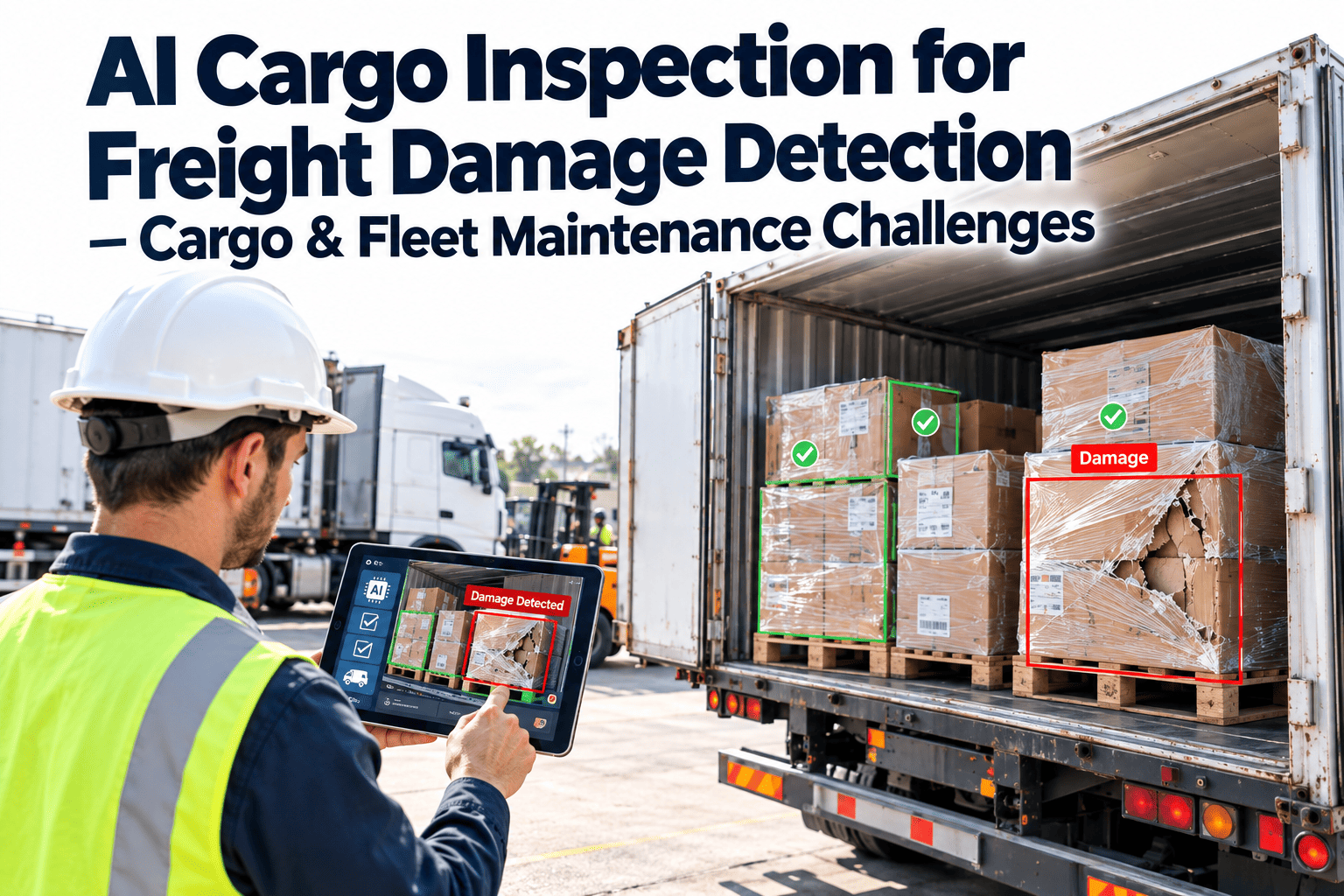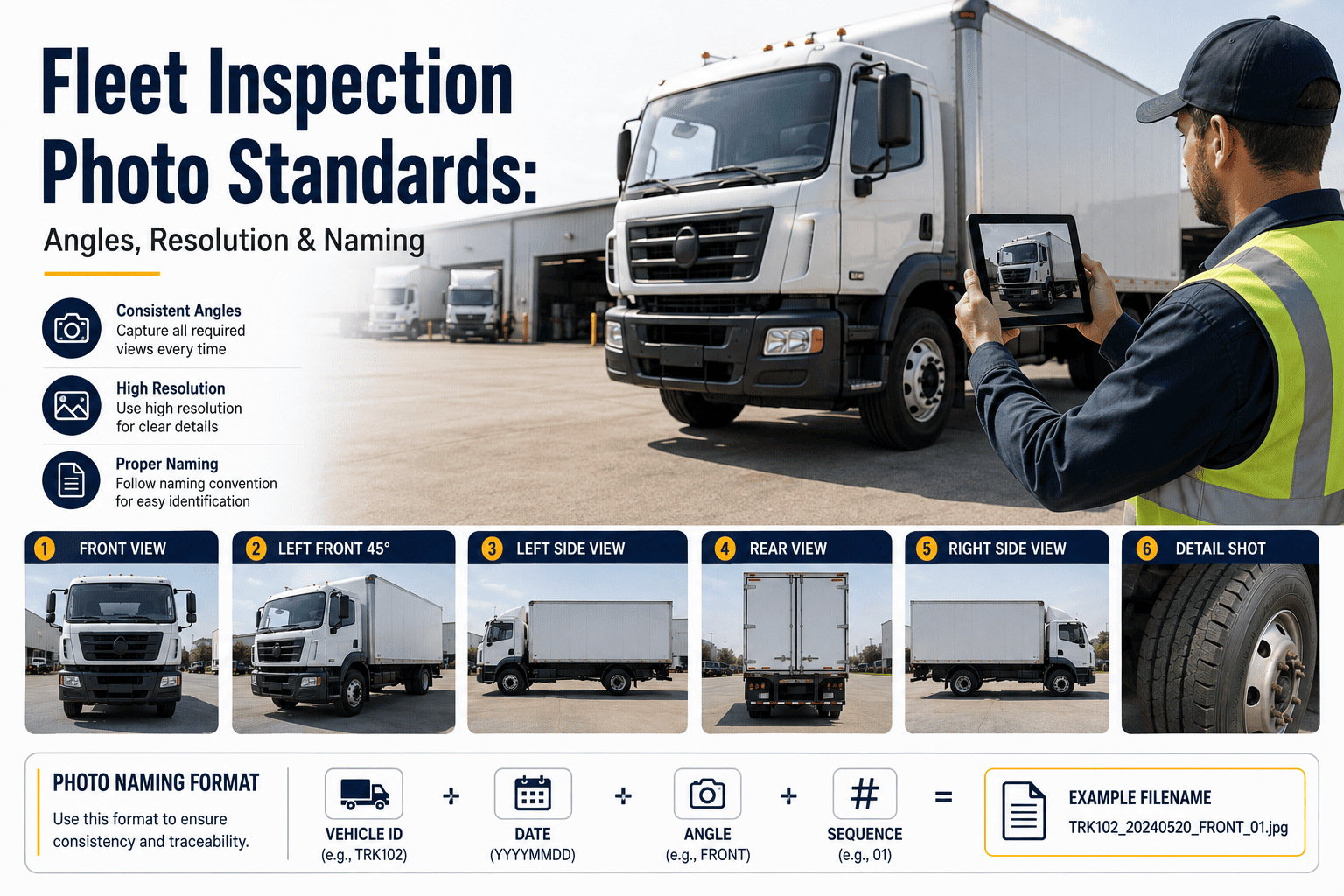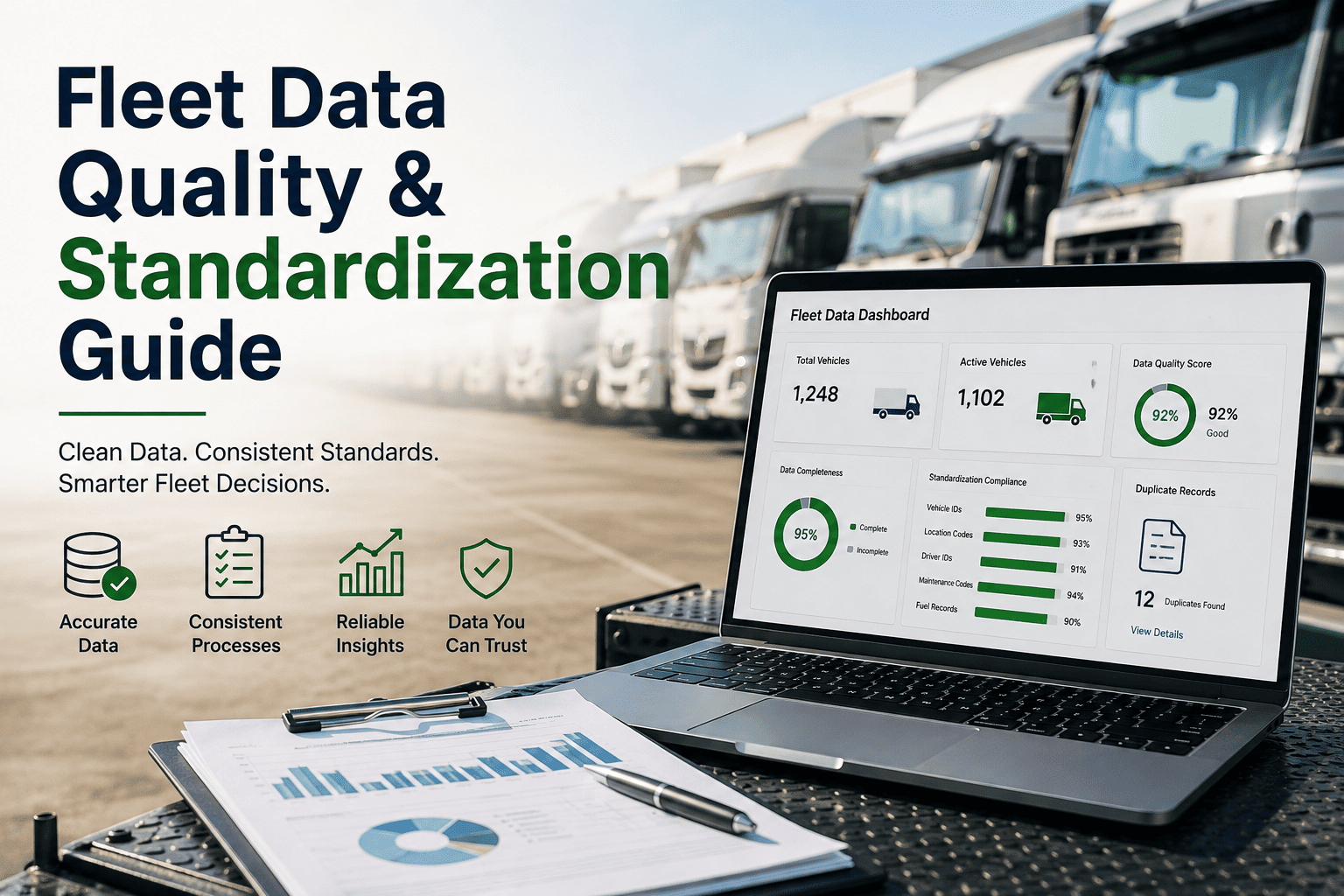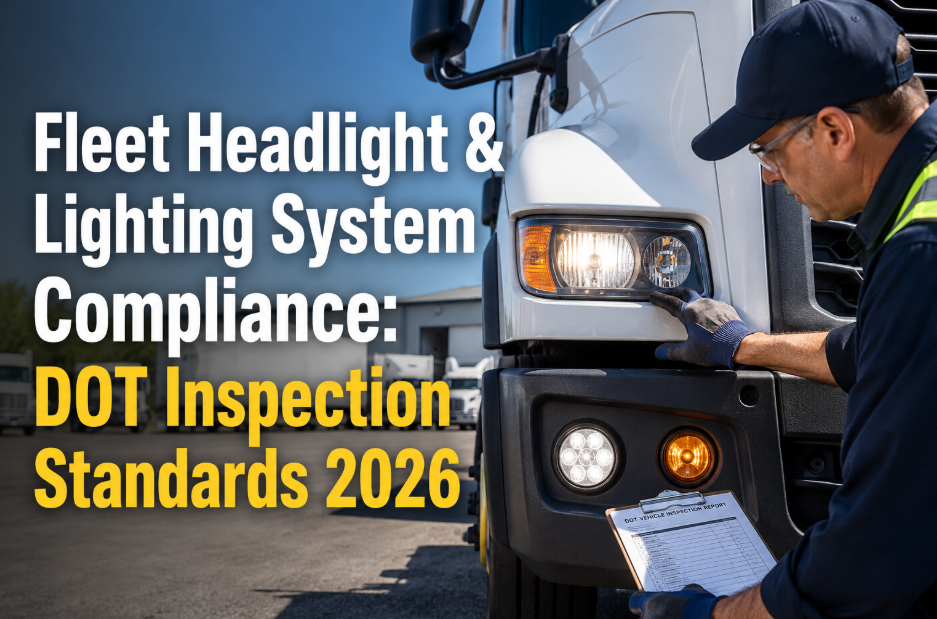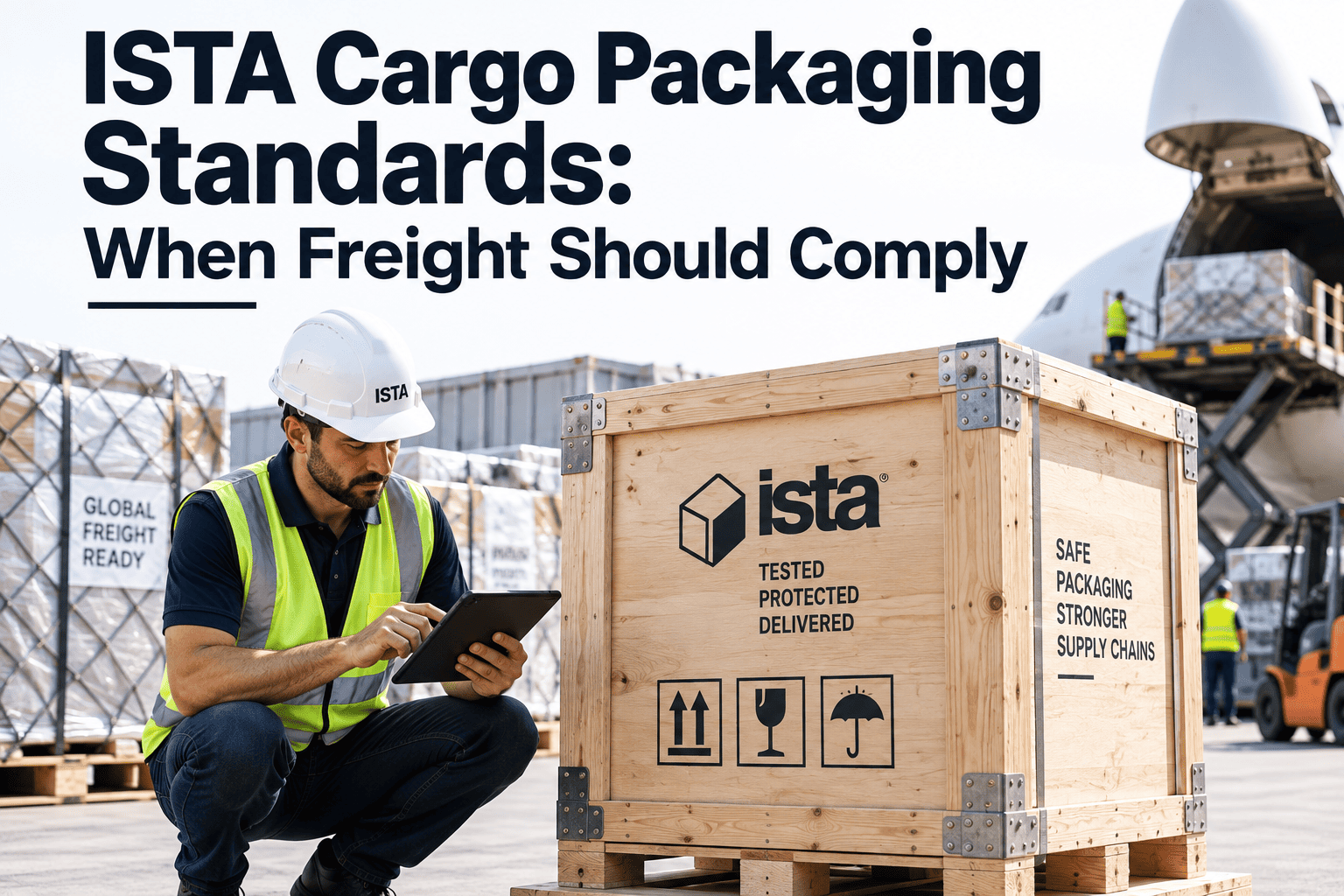
A carton that survives a lab drop test can still arrive crushed if the trailer, route, or stacking pattern was harsher than assumed. ISTA procedures give shippers and carriers a shared language for testing packages against distribution stress. This guide explains the ISTA series, when freight should be required to comply, how to handle shipper pushback, and where Oxmaint supports the trailer side of damage prevention.
ISTA Cargo Packaging Standards: When Freight Should Comply
Learn what ISTA tests actually prove, which procedure fits which freight, and when a fleet should ask a shipper for evidence that packages survive real distribution stress.
What ISTA Is, and What It Is Not
ISTA stands for the International Safe Transit Association. It publishes laboratory procedures that subject a package to shock, vibration, compression, and sometimes climate conditions, then checks the product for damage.
ISTA procedures are
- Repeatable laboratory tests with defined equipment and steps.
- A way to compare package designs and confirm a design survives typical hazards.
- Documented in a test report that a buyer or carrier can review.
ISTA procedures are not
- A federal requirement for interstate freight.
- A guarantee against damage on every lane, vehicle, and handler.
- Automatic compliance with a carrier's own packaging rules, since 3-series tests do not necessarily comply with carrier packaging regulations.
The ISTA Series at a Glance
| Series | Purpose | Examples | Best use |
|---|---|---|---|
| 1: Non-simulation integrity | Challenges package and product strength without simulating a specific environment | 1A, 1B, 1C, 1D, 1E, 1G, 1H | Early screening during design |
| 2: Partial simulation | Combines basic integrity tests with at least one simulation element such as conditioning or random vibration | 2A for packages up to 150 lb, 2B above 150 lb, 2C for furniture | Refining designs, not predicting shipping results |
| 3: General simulation | Simulates general damage-producing motions and forces across varied vehicles and routes | 3A, 3B, 3E, 3F | Qualifying a package for a shipping mode |
| 4: Enhanced simulation | Uses field data collected from specific supply chains | Lane-specific projects | High-value or high-volume lanes |
| 6: Member performance | Reflects supply chain elements of large retailers or carriers | Company-specific protocols | Selling into a member's network |
| 7: Development | Compares container designs against each other | Development protocols | Design comparison, not protection claims |
Matching the Procedure to the Freight
Choosing the wrong procedure gives false comfort. Start with how the freight actually travels, then ask the shipper which procedure the report follows.
Trailers Are Part of the Test Result
Packaging that passes in a lab still meets your suspension, floor, and tires on the road. Oxmaint keeps trailer inspections, work orders, and repair history together, so equipment issues are found before they become damage claims.
When Should Freight Comply? A Risk Matrix
No law tells a fleet when to require ISTA evidence, so use a risk-based rule. Cross how fragile the freight is with how expensive a failure would be, then set the response.
Triggers that should prompt a request for evidence
- Repeated damage claims on the same customer, product, or lane.
- A new product launch or a change in cartons, cushioning, or pallet pattern.
- Glass, liquids, electronics, or other freight that fails easily.
- A change from parcel or LTL handling to full truckload, or the reverse.
The Carmack Connection: Why Packaging Evidence Matters
For interstate motor freight, the Carmack Amendment treats the carrier as presumptively liable for loss or damage. Packaging evidence often decides who bears the cost of a claim.
Shipper shows
Burden shifts
Packaging defense
Evidence that strengthens a carrier's position
- Pickup photos showing packaging condition, stacking, and pallet quality.
- Exceptions written on the bill of lading before the driver signs.
- Load and securement records, including weights and blocking.
- A shipper test report, where one exists, matched to the actual shipping mode.
Shipper Pushback and How to Respond
What a Credible Test Report Should Show
Fleet-Side Factors ISTA Cannot Control
Series 3 test levels come from general data and do not represent any one distribution system. A trailer in poor condition can deliver more vibration or shock than the test assumed.
Vibration
Shock
Compression
Climate
Pickup Inspection Workflow
A consistent routine at pickup turns packaging condition into recorded fact. Use the same sequence on every load so drivers can complete it quickly.
Triaging a Damage Claim With Maintenance Records
When freight arrives damaged, sort the cause before assigning blame. Each branch below points to the records that answer it.
Was it the packaging?
Was it the equipment?
Was it handling or loading?
Metrics that reveal the pattern
- Damage claims per thousand shipments, by customer and lane.
- Claims by cause: packaging, handling, or equipment.
- Trailer defects found at pickup inspections.
- Repeat damage tied to a specific trailer or asset.
Frequently Asked Questions
Is ISTA testing required by law for freight?
Which ISTA procedure suits palletized LTL freight?
Does a passing ISTA report protect a carrier from claims?
How many samples should a shipper test?
How does trailer maintenance reduce packaging-related claims?
Protect Freight From the Package to the Trailer Floor
Require evidence from shippers where the risk justifies it, and keep your own equipment in condition with planned maintenance. Oxmaint gives your team the records to do both.