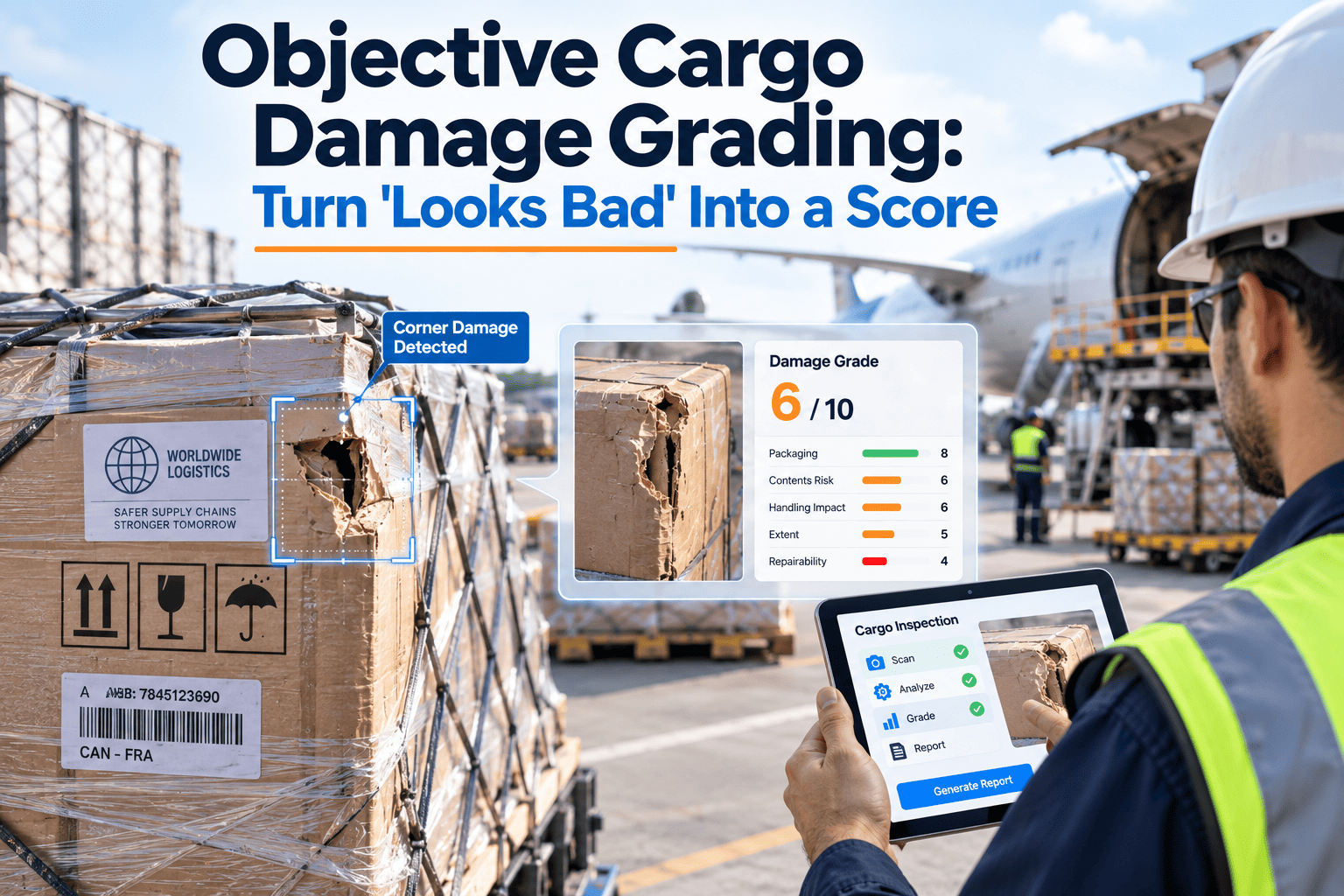
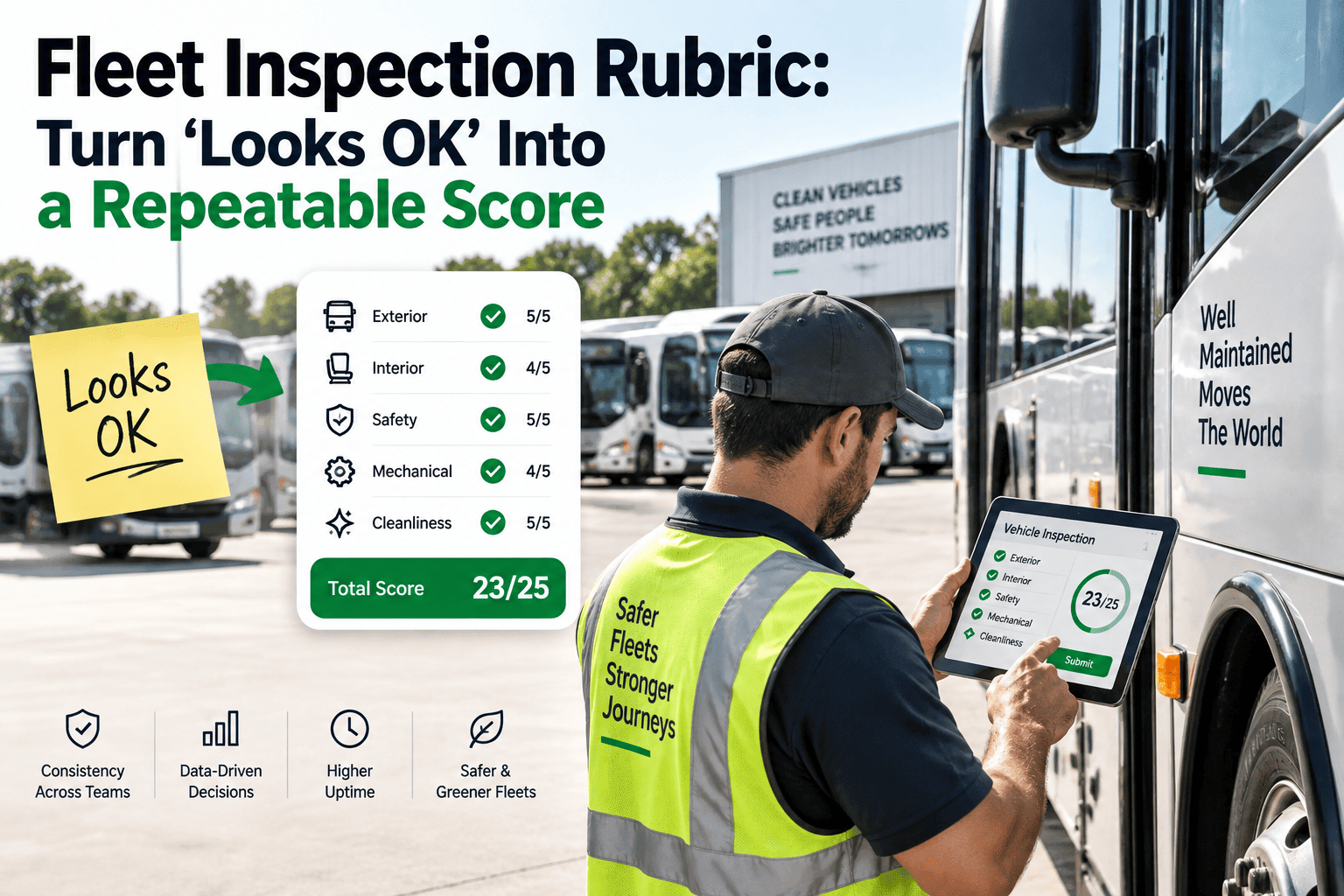
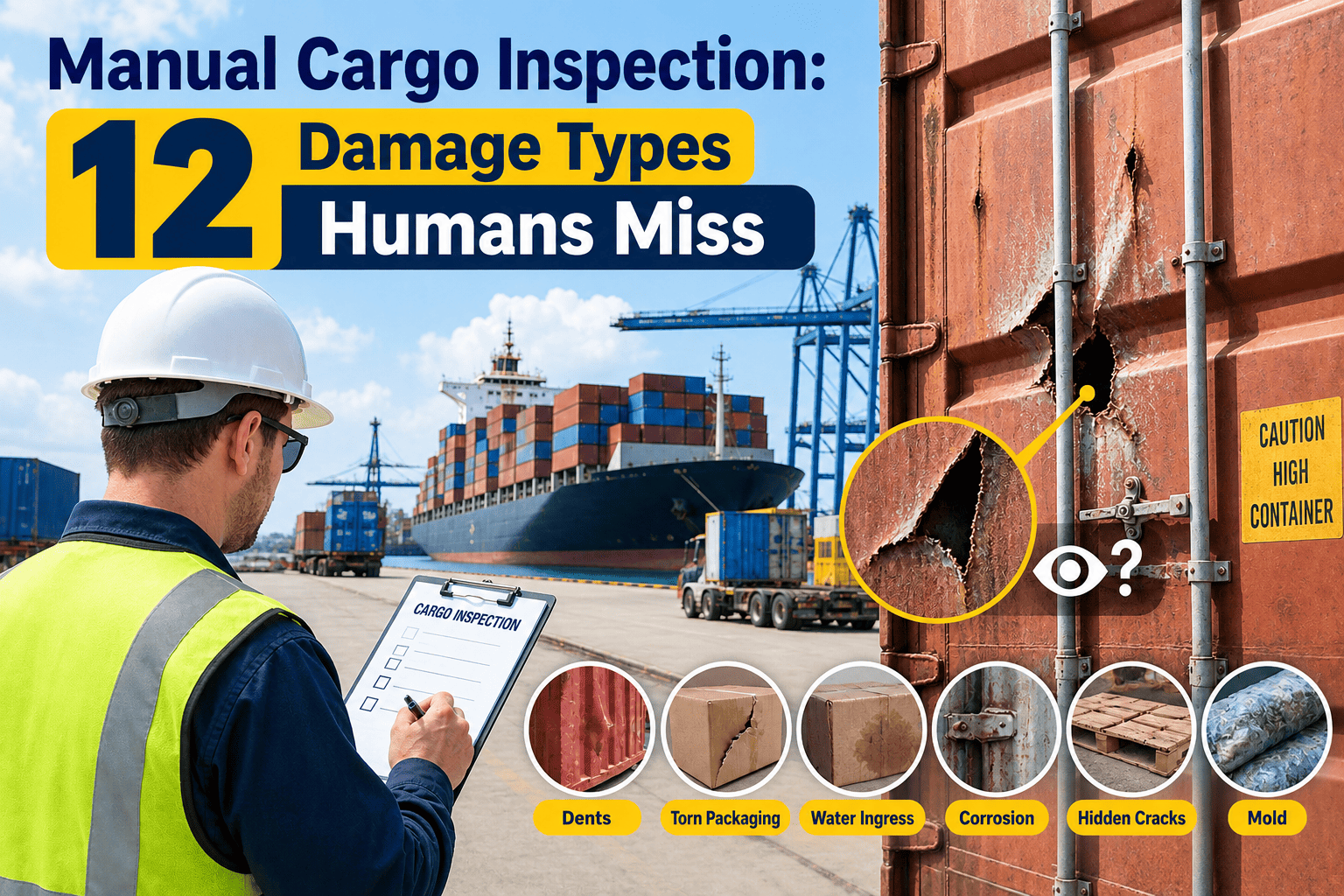
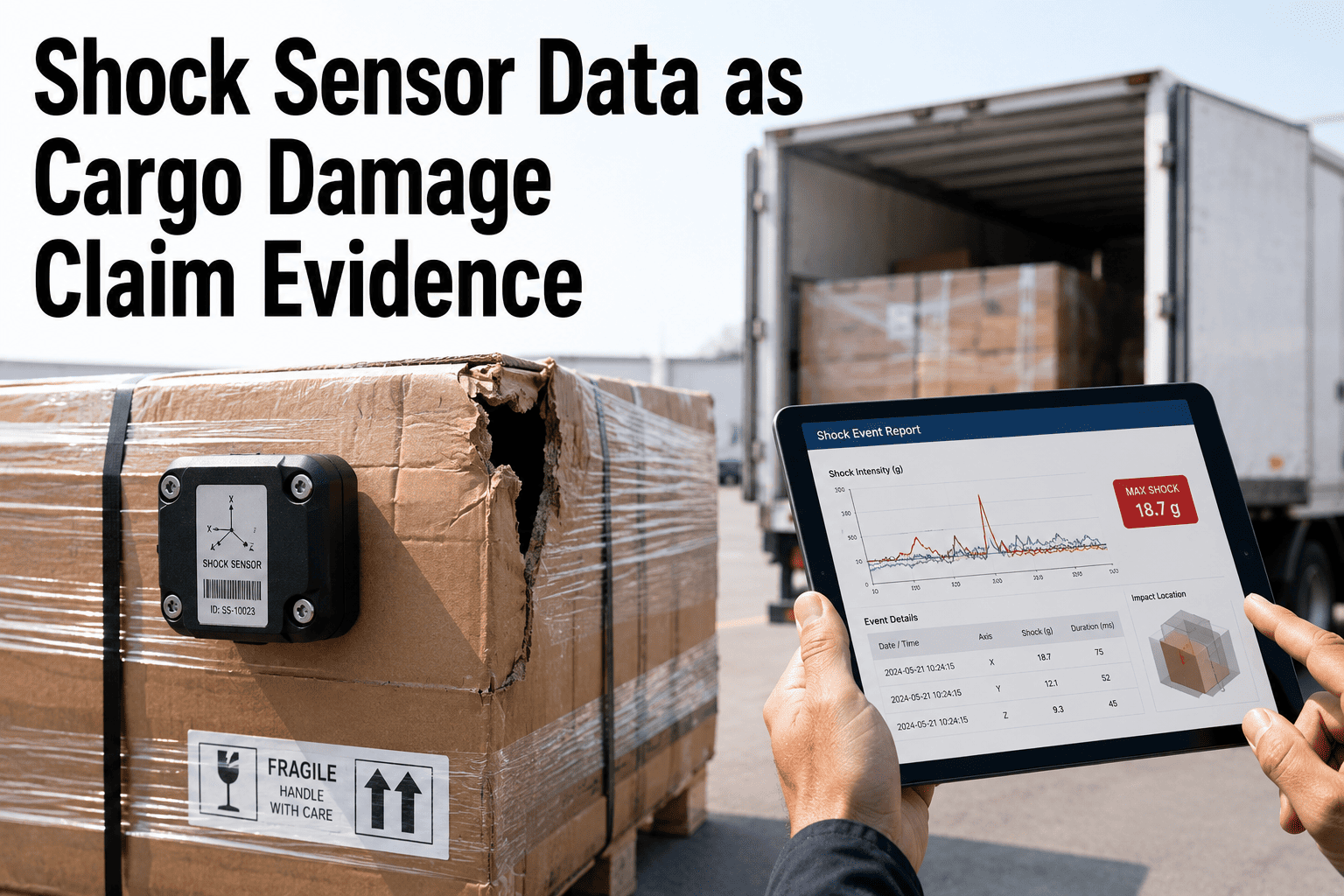
Ask five different warehouse staff to inspect the same damaged pallet and you will get five different answers. One calls it minor. Another calls it a total loss. A third shrugs and says "it's fine, just repack it." This is not a training problem — it is a measurement problem. Without a shared scale, cargo damage assessment becomes a matter of opinion, and opinions do not hold up when a carrier disputes a claim or an auditor asks why two identical incidents were logged with two different outcomes. A repeatable 0-5 severity score changes that conversation entirely, and it turns every inspection into evidence rather than an impression. OxMaint builds that scoring rubric directly into your inspection workflow, so consistency stops depending on who happens to be holding the clipboard that day.
Cargo Damage Grading · Objective Scoring · 2026
Objective Cargo Damage Grading: Turn "Looks Bad" Into a Score
A repeatable 0-5 rubric that replaces subjective judgment calls with a consistent, defensible severity score every inspector applies the same way, every single time, on every shipment that crosses the dock, from first receipt through final claim resolution.
61%
Of cargo damage disputes stem from inconsistent severity descriptions
0-5
Standardized grading scale used across every inspection point
3.8x
Faster claims resolution when grading is scored, not described
92%
Inspector agreement rate once a shared rubric is enforced
The Consistency Problem
Why "Looks Bad" Fails the Moment Money Is on the Line
Subjective damage language feels harmless during a routine inspection and becomes a liability the moment a claim is filed. Carriers, insurers, and customers all read the same words differently, and that gap in interpretation is where disputes are born. The cost is rarely visible until a claim is contested and there is nothing but a vague note to defend the fleet's position.
Inconsistent Language
Every Inspector Writes It Differently
"Minor scuffing" from one inspector reads the same as "significant surface damage" from another, even when describing identical crates. Over hundreds of inspections a month, that drift compounds into a record nobody can fully trust.
No Audit Trail
Descriptions Cannot Be Compared
Free-text notes cannot be aggregated or trended across a fleet, so recurring damage patterns at specific routes or handlers stay invisible until the losses are already significant.
Dispute Exposure
Claims Default to the Louder Voice
Without a documented score, disputes are settled by negotiation leverage rather than evidence, and that consistently favors whichever party arrives with a firmer story.
Training Gap
New Inspectors Start From Zero
Without a rubric, every new hire calibrates their judgment through trial and error rather than a documented standard they can reference on day one.
The Rubric
The 0-5 Severity Scale That Removes Guesswork
A good grading rubric does one job: it makes the same damage produce the same score no matter who is holding the clipboard. Here is the scale that OxMaint builds into every inspection checklist, calibrated against real cargo photos rather than abstract descriptions.
0
No Visible Damage
Packaging and product intact, no corrective action required, cleared for standard handoff without any additional notation or delay in the chain of custody.
1
Cosmetic Only
Surface marks or packaging wear with zero functional impact on the product or its usability, logged for pattern tracking but not routed for claim review.
2
Minor Structural
Dented corners or crushed packaging edges, product usable, repackaging recommended before onward shipment to prevent the damage from worsening in transit.
3
Moderate Damage
Visible product impact, partial value loss likely, requires photo documentation and supervisor sign-off before the shipment can proceed further down the chain.
4
Severe Damage
Product functionality compromised, significant value loss, claim filing recommended immediately along with a full photo record and handler identification.
5
Total Loss
Product unusable or unsellable, full claim value, root cause investigation triggered automatically to prevent the same failure from repeating on future shipments.
Score Every Inspection
A Rubric Only Works if Every Inspector Actually Uses It
OxMaint enforces the 0-5 scale directly inside the mobile inspection flow, so scoring becomes the default action rather than an optional extra step that gets skipped under pressure. Every score is timestamped, geo-tagged, and tied to the inspector who submitted it, so the record speaks for itself long after the shipment has moved on and the original conversation is forgotten.
Before and After
Subjective Notes vs. Objective Scoring, Side by Side
The difference between a defensible claim and a disputed one usually comes down to how the damage was recorded in the first place. Here is how the two approaches compare across the factors that matter most to a fleet or logistics operation, from the moment an incident is logged to the moment a claim is finally settled or closed.
| Factor | Subjective Notes | Objective 0-5 Score |
|---|
| Consistency across inspectors | Varies by individual judgment | Identical criteria applied every time |
| Claims turnaround | Slower, often disputed | Faster, backed by a defined scale |
| Trend analysis | Not possible with free text | Aggregated across routes and handlers |
| New inspector ramp-up | Weeks of informal mentoring | Days, using a documented rubric |
| Audit defensibility | Weak, open to interpretation | Strong, tied to a fixed standard |
| Photo evidence linkage | Rare, inconsistently attached | Automatic above defined severity levels |
Rollout
How to Get Every Inspector Scoring the Same Way
A rubric printed on a wall poster gets ignored within a week. A rubric built into the tool inspectors already use every day gets followed automatically, because it removes the extra effort of remembering a standard rather than simply applying it in the moment the inspection is actually happening.
01
Calibrate the Scale to Your Cargo Types
Photo-reference each grade level against your actual product categories, so a 3 for electronics means the same thing as a 3 for palletized goods within your own operation, not a generic industry default.
02
Embed Scoring Into the Inspection Checklist
Make the 0-5 field mandatory before an inspection can be marked complete, removing the option to skip straight to a free-text note that says nothing measurable at all.
03
Require Photo Evidence Above Grade 2
Anything scored moderate or above automatically prompts for photo documentation, attaching visual proof to the numeric score so nobody has to take the grade on faith.
04
Review Score Distribution Monthly
Track grading patterns by inspector to catch calibration drift early, before it becomes a habit that undermines the whole rubric and erodes trust in the data across the entire fleet.
05
Feed Scores Back Into Route and Vendor Reviews
Use aggregated severity trends in carrier scorecards and vendor negotiations, turning a compliance exercise into a lever for renegotiating terms with the handlers responsible for repeat damage.
Where It Pays Off
Who Actually Benefits From a Standardized Damage Score
Objective grading is not just a claims tool. It changes decision-making at every point where cargo condition affects what happens next, from the receiving dock to the boardroom review of quarterly loss rates, and it gives every stakeholder in between a shared number to work from instead of a competing set of impressions.
Receiving Teams
Faster, More Confident Sign-Off
Dock staff no longer have to guess whether an item needs supervisor escalation. The score itself dictates the next step, removing hesitation from the process.
Claims Departments
Evidence, Not Argument
A numeric score paired with a timestamped photo gives claims teams a defensible position from the first conversation instead of a drawn-out negotiation.
Operations Leadership
Real Trend Visibility
Severity scores rolled up by route, vehicle, or handler expose the recurring problems that free-text notes have always hidden in plain sight.
Insurance Partners
Underwriting Confidence
Insurers price risk more favorably for operations that can prove consistent, documented inspection practices rather than relying on ad hoc reporting that varies from renewal to renewal.
Customer Accounts
Fewer Escalations, More Trust
Customers who receive a consistent, well-documented explanation of damage severity escalate far less often than those who receive a vague note that reads as an excuse rather than an assessment.
The Data Layer
CMMS Fields That Keep the Rubric Consistent Over Time
A rubric is only as strong as the record it produces. These are the fields OxMaint captures alongside every damage score so the number can always be traced back to the evidence that supports it, months or years after the inspection took place.
Required Field
Severity Grade (0-5)
The core score itself, mandatory before an inspection record can close, tied directly to the rubric definitions rather than left as a free-text alternative.
Required Field
Inspector ID and Timestamp
Every grade is tied to the person who assigned it and the exact moment it was recorded, which is essential for both calibration review and dispute defense.
Conditional Field
Photo Evidence Count
Automatically required once severity crosses grade 2, ensuring higher-impact damage never gets logged as a number alone without visual backup.
Conditional Field
Root Cause Flag
Triggered automatically for grade 4 and 5 events, this field routes the incident into a root cause review queue instead of letting it close as a routine record.
Reference Field
Claim Status Link
Connects the severity score directly to the claim record it supports, so anyone reviewing the case later can trace the outcome back to the exact grade and evidence that triggered it.
What It Prevents
The Costs a Standardized Score Quietly Eliminates
Most of the cost of subjective grading never shows up as a single dramatic loss. It accumulates in small, repeated ways across a fleet until the annual total is impossible to ignore, and by then it is already baked into how the operation runs day to day, from how claims get staffed to how routes get planned.
Overpaid Claims
Settling Too High Because Evidence Is Weak
When there is no numeric score to anchor a negotiation, claims teams often settle higher than the actual damage warrants simply because they cannot prove otherwise. A defined severity scale removes that ambiguity from the conversation.
Underpaid Claims
Missing Legitimate Recovery
The opposite failure happens just as often — genuine severe damage described too casually gets undervalued, and the fleet absorbs a loss that should have been recoverable through a properly documented claim.
Repeat Incidents
Invisible Patterns Keep Recurring
Without structured scoring, the same route, the same loading dock, or the same handler can generate damage month after month without anyone connecting the dots because the records were never comparable in the first place.
Audit Failures
Inconsistent Records Under Scrutiny
When an auditor or customer reviews inspection history and finds identical damage described three different ways, it undermines confidence in the entire quality program, not just the individual inspection in question.
Slow Root Cause Work
Investigations That Start Too Late
When severity is buried in inconsistent wording, root cause teams cannot easily pull the right cases into review, so investigations start weeks after the pattern first appeared instead of immediately.
Fleet Manager Questions
Objective Cargo Damage Grading — Common Questions
How is a 0-5 grading scale different from a simple pass or fail check?+
A pass or fail check throws away information that matters for claims and trend analysis. A graded scale preserves severity detail, so a grade 2 dent and a grade 5 total loss are never treated as the same event, and that distinction changes how each is handled downstream.
Start a free trial to see the rubric in a real inspection flow.
Do inspectors need special training to use the rubric consistently?+
A short calibration session using photo references for each grade level is usually enough to get most inspectors aligned within a single shift. Because the scale is built into the checklist itself, ongoing consistency comes from the tool rather than memory.
Book a demo to walk through the calibration process.
Can the grading data be used to identify recurring damage sources?+
Yes. Because every inspection produces a structured score rather than free text, scores can be aggregated by route, handler, or vehicle to surface patterns that would otherwise stay hidden in scattered notes for months at a time, long after the pattern has already cost the fleet money.
Does objective grading actually speed up insurance claims?+
Insurers and carriers process claims faster when the severity is quantified and backed by timestamped photo evidence rather than a subjective description that invites negotiation and delay.
Try OxMaint free to see claim-ready documentation in action.
What happens when two inspectors disagree on a grade for the same item?+
Disagreements are logged and reviewed against the photo reference set, which over time narrows the gap between inspectors and keeps the rubric itself accurate to real operating conditions rather than theoretical ones described in a training manual.
OxMaint · Cargo Damage Grading · Score, Don't Guess
Replace Opinion With a Score Every Inspector Can Stand Behind
OxMaint turns cargo damage grading from a subjective judgment call into a repeatable, photo-backed 0-5 score built directly into your daily inspection workflow, ready for claims, audits, and trend analysis the moment it is logged. Give your inspection teams a standard they can trust and your claims teams the evidence they need to win disputes, starting with the very next shipment that crosses the dock.