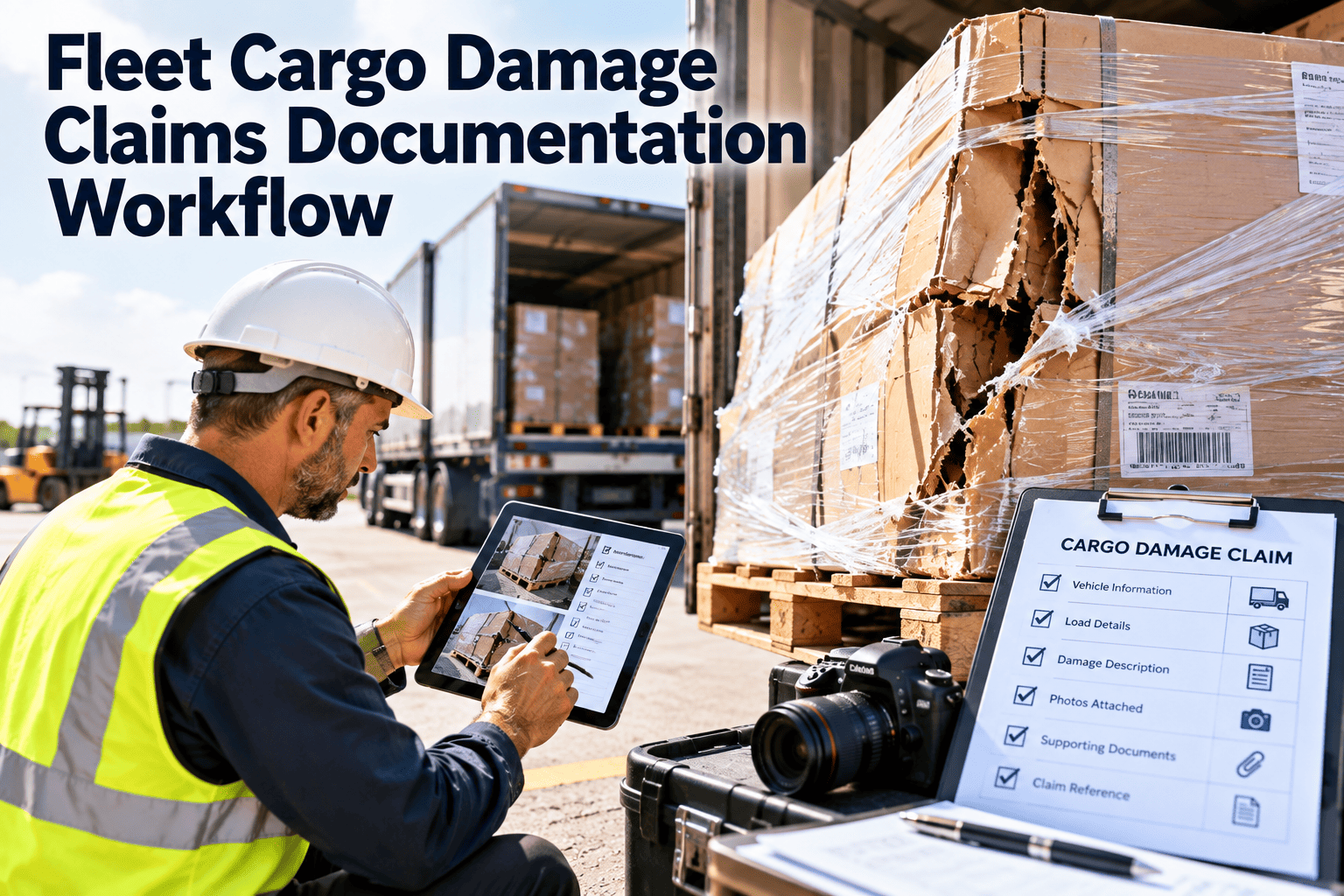
A cargo claim usually isn't lost because the damage wasn't real. It's lost because the paperwork that would have proven it, the bill of lading, the delivery notation, the photo, never made it into one place before the carrier's filing window closed. For fleets hauling freight, that gap between a real loss and a documented loss is where thousands of dollars quietly disappear every month, and it's a gap a structured maintenance and operations system can close.
Fleet Cargo Damage Claims Documentation Workflow
Build a documentation chain that survives a carrier dispute, from the bill of lading at pickup to the proof of delivery at the dock. See how Oxmaint links inspection records to every stop in a shipment's life.
Most Denied Cargo Claims Were Never About the Damage
Under the Carmack Amendment, a shipper generally has to prove three things to win a cargo claim: the freight was in good condition at origin, it arrived damaged, and the loss has a specific dollar value. Missing any one of those three breaks the claim before it's even evaluated.
What Changes When Documentation Moves Off Paper
Build the Evidence Package Automatically, at Every Pickup and Delivery.
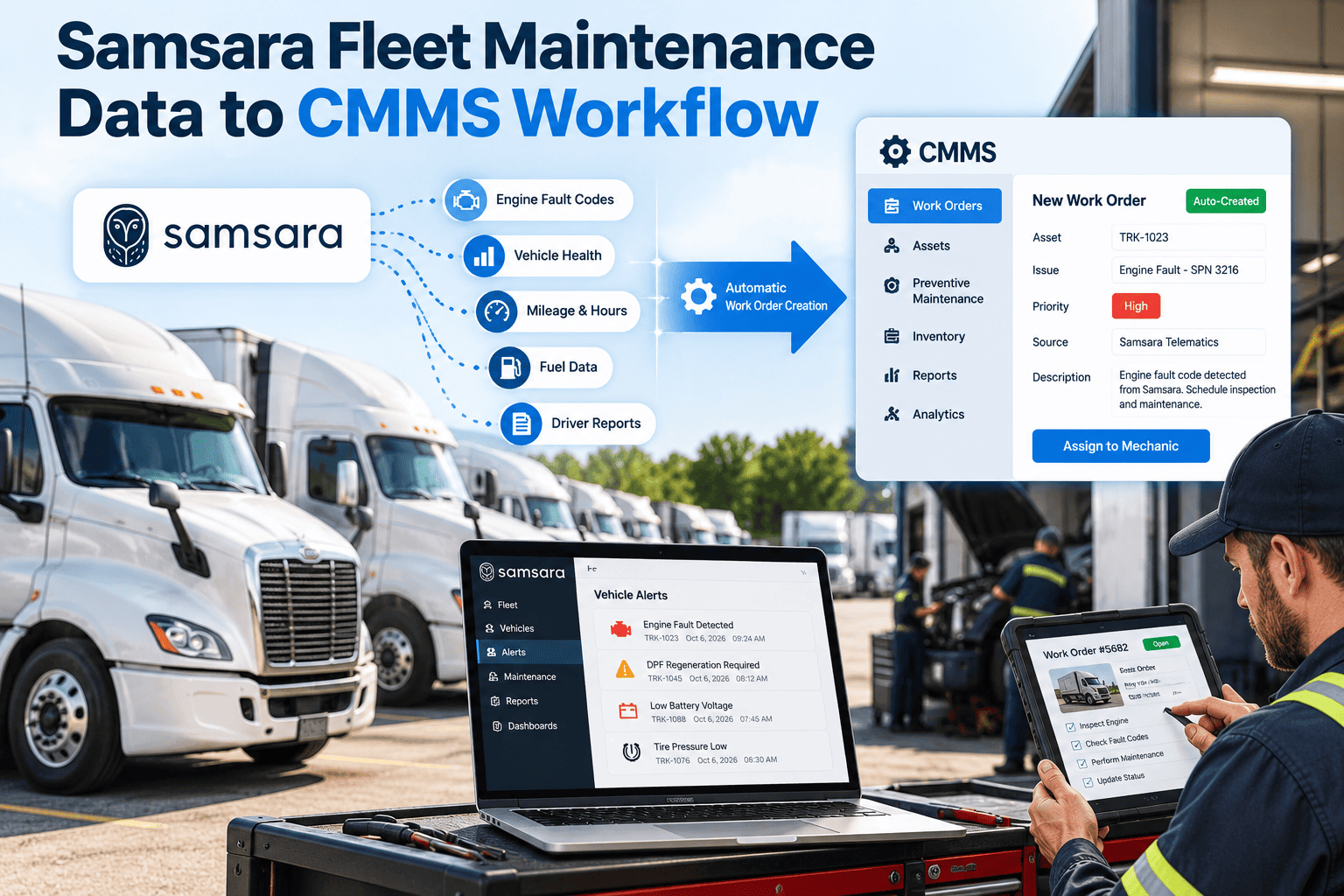
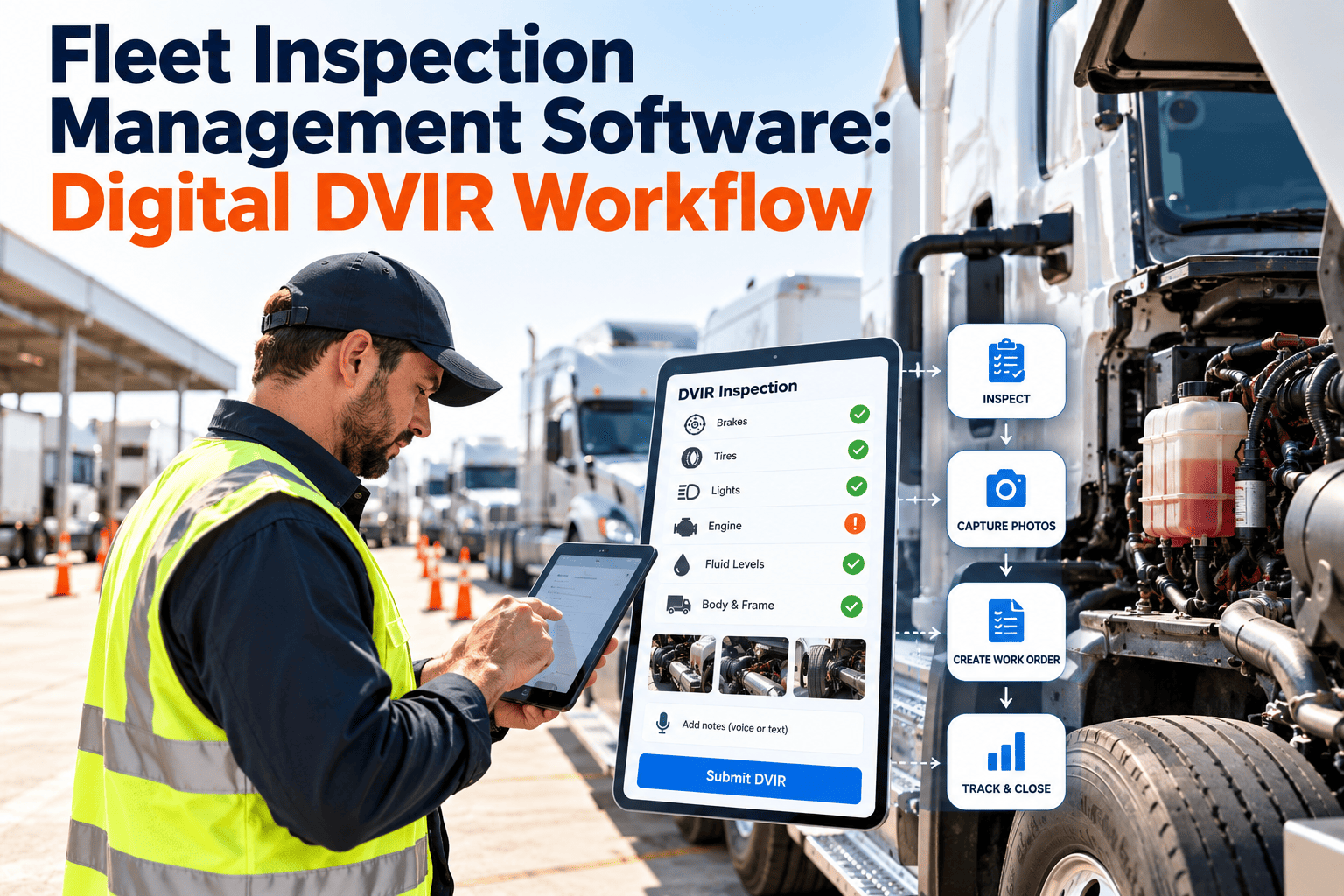
Oxmaint captures timestamped photos, digital signatures, and condition notes at every stop, so the documentation a claim needs already exists the moment damage is discovered.
A Cargo Claim's Journey From Pickup to Resolution
Documentation discipline has to hold at every leg of a shipment, not just at the final delivery. A gap anywhere in the chain gives a carrier's claims desk a reason to deny.
The Evidence Checklist Every Claim Needs
The Documentation Gaps Carriers Use to Reject a Claim
Denial patterns are remarkably consistent across freight modes, and nearly all of them trace back to a gap in documentation or timing rather than a real dispute over what happened to the freight.
| Denial Trigger | Why It Happens | How a Documented Workflow Prevents It |
|---|---|---|
| No Photo at Pickup | Nothing to compare the delivered condition against | Mandatory photo capture built into the pickup step |
| Clean Signature at Delivery | Damage went unnoted before the receiver signed | Exception capture required before the delivery step closes |
| Late Notice to Carrier | Damage discovered after the filing window closed | Instant digital record starts the notice clock immediately |
| Missing Valuation | No invoice or record tying damage to a dollar figure | Invoice attached directly to the shipment record |
| Unclear Custody | No record of who held the freight when damage occurred | Checkpoint logging at every transfer or cross-dock |
Reducing Damage Before a Claim Is Ever Needed
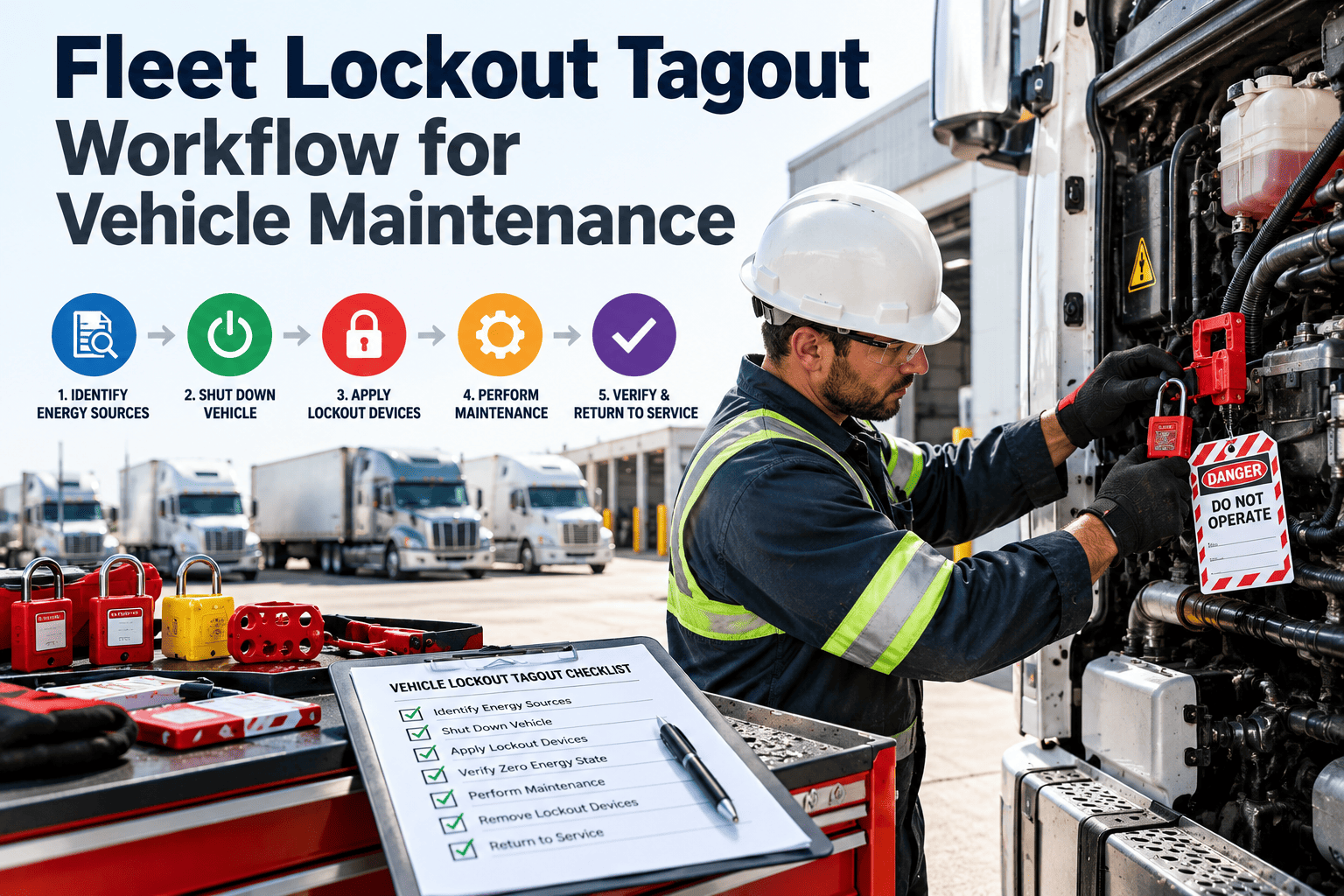
The strongest claims workflow still leaves money on the table if damage keeps happening in the first place. Documentation proves what went wrong; a securement and loading inspection discipline reduces how often it happens at all.
Freight that shifts in transit is one of the most common and most preventable causes of cargo damage. A pre-trip securement check, logged the same way a brake or tire check is logged, catches loose strapping or improper load distribution before the truck ever leaves the dock. For temperature-sensitive freight, a downloadable cold-chain log attached directly to the delivery record removes the guesswork from a reefer-related dispute, since the data either supports the claim or rules it out immediately.
What a Documented Claims Process Means for the Whole Fleet
A structured claims workflow doesn't just recover more money on individual disputes. It changes how a fleet negotiates with carriers and insurers over time, and it gives operations leaders a clearer picture of where damage is actually occurring.
Understanding What a Claim Can Actually Recover
Even a fully documented claim doesn't always recover the full retail value of damaged freight. Many carrier contracts include a released-rate tariff, which caps liability at a set dollar amount per pound rather than the shipment's declared value, unless the shipper specifically paid for higher coverage.
Understanding this cap before a shipment moves, not after damage is discovered, changes how a fleet decides which loads need supplemental cargo insurance. A high-value shipment moving under a standard released-rate tariff may only recover a fraction of its actual worth even with perfect documentation, which makes the insurance decision as important as the evidence-gathering discipline covered above.
Metrics Worth Watching Once Documentation Is in Place
A claims documentation workflow works best when it's treated as an ongoing operational discipline, not a one-time setup. A handful of recurring metrics tell a fleet manager whether the process is actually holding up under daily pressure.
Claim approval rate over time is the clearest signal, since a rising approval rate usually means documentation gaps are closing rather than reappearing. Average time from damage discovery to claim filing is another useful measure, particularly for fleets working against tight carrier notice windows, where a delay of even a day or two can be the difference between a paid claim and a denial.
Turn Every Shipment Into a Defensible Record, Not a Guessing Game.
Connect inspection, delivery, and claims documentation to your fleet's daily operations so evidence is captured once, automatically, and never has to be reconstructed after the fact.
Cargo Damage Claims Documentation — Common Questions
Notification windows for visible damage are typically 24 to 48 hours, while carrier contracts and the Carmack Amendment generally allow up to nine months to file the full written claim. Missing the notice window weakens a claim even when the loss is real.
It's harder, especially for damage that was clearly visible at delivery, since a clean signature is used by carriers as evidence the freight arrived in good order. Concealed damage discovered after unpacking has more room, provided it's reported quickly.
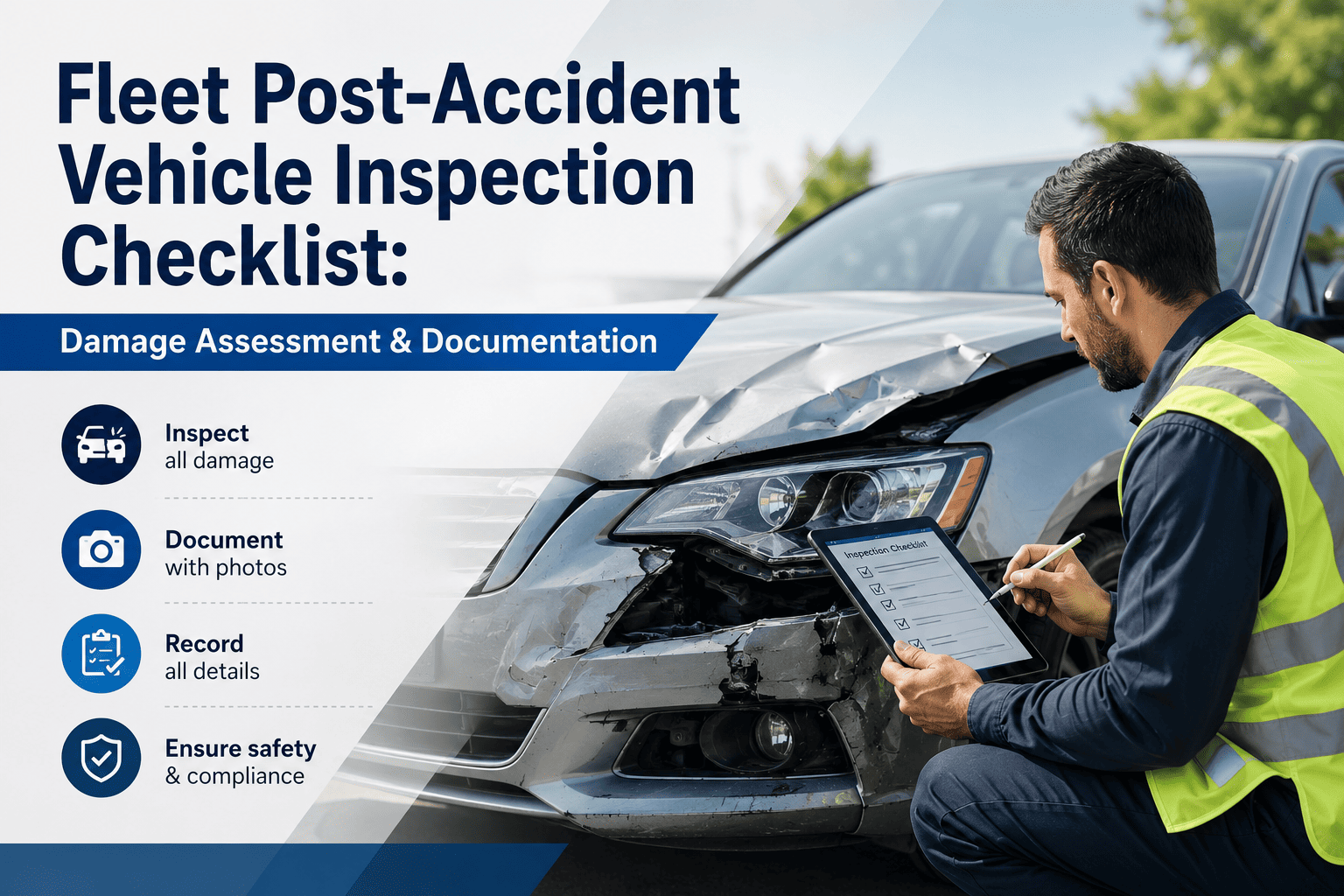
A photo needs a timestamp, a clear link to the specific shipment or bill of lading, and ideally a wider context shot alongside close-ups of the damaged area. Generic, unlabeled photos carry far less weight. Book a demo to see how photo evidence is linked to shipment records automatically.
The underlying documentation discipline is the same for both. A shortage claim relies on a verified piece count or weight at pickup compared against what actually arrived, while a damage claim relies on condition photos and notations.
Logging a condition check at each cross-dock or trailer transfer builds a leg-by-leg custody trail, which narrows down exactly which carrier or facility had the freight when the damage occurred. Sign up to set up checkpoint logging across your delivery network.
Where Fleets Most Often Lose an Otherwise Valid Claim
The pattern behind most preventable claim denials is remarkably consistent once you look across enough shipments. It isn't fraud, and it isn't usually a genuine dispute over whether damage occurred. It's a documentation step that gets skipped under time pressure at the dock.
Drivers signing a bill of lading without actually inspecting the load, receivers accepting a delivery without checking packaging before the driver leaves, and claims paperwork sitting in an inbox for a week before anyone files it are the three habits responsible for the largest share of denied claims. None of them require new technology to fix, only a workflow that makes the correct step the default rather than the exception.
Give Every Shipment a Paper Trail That Actually Gets Claims Paid.
Oxmaint connects pickup, in-transit, and delivery documentation into one shipment record, so the evidence a claim needs is already complete before the dispute even starts.