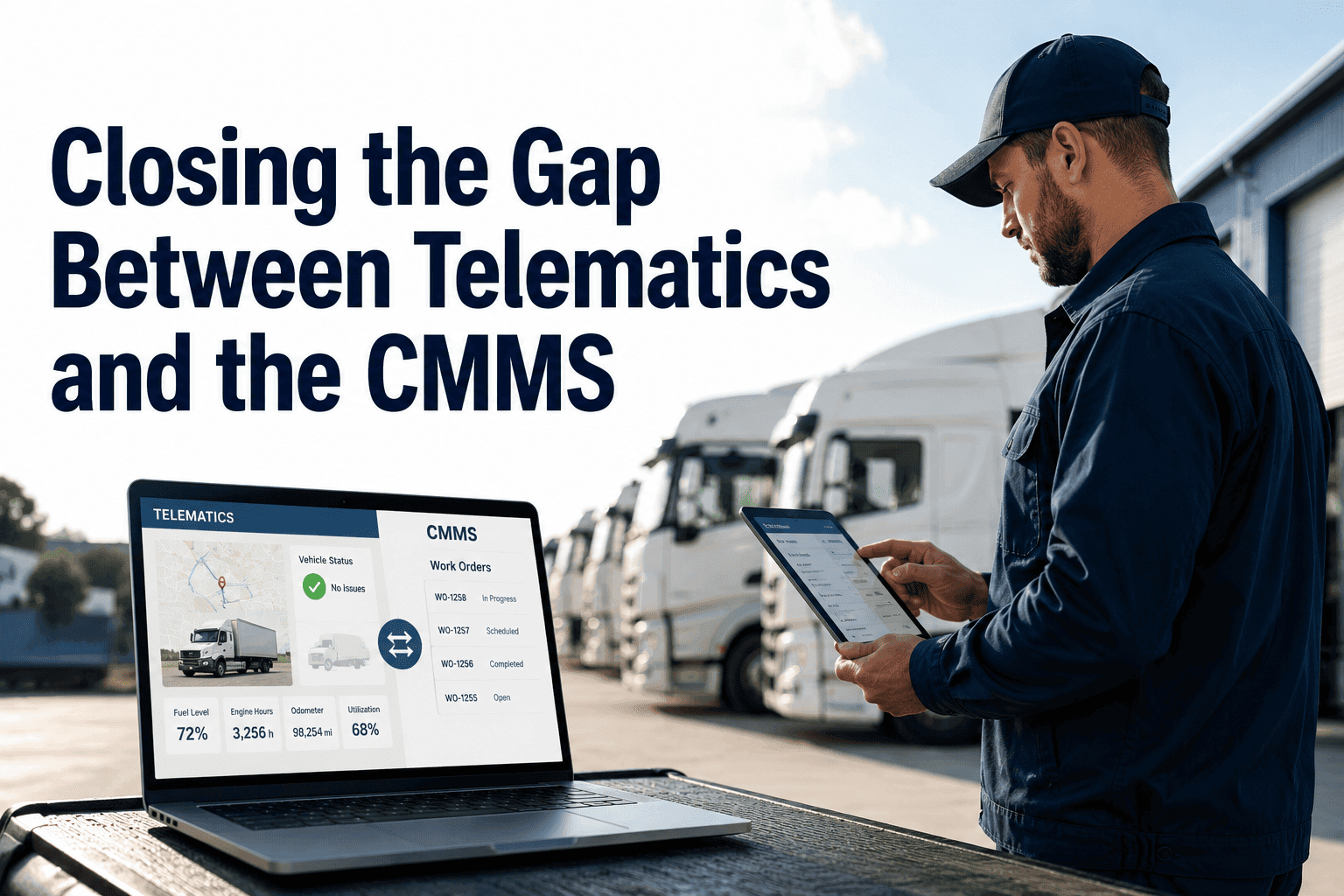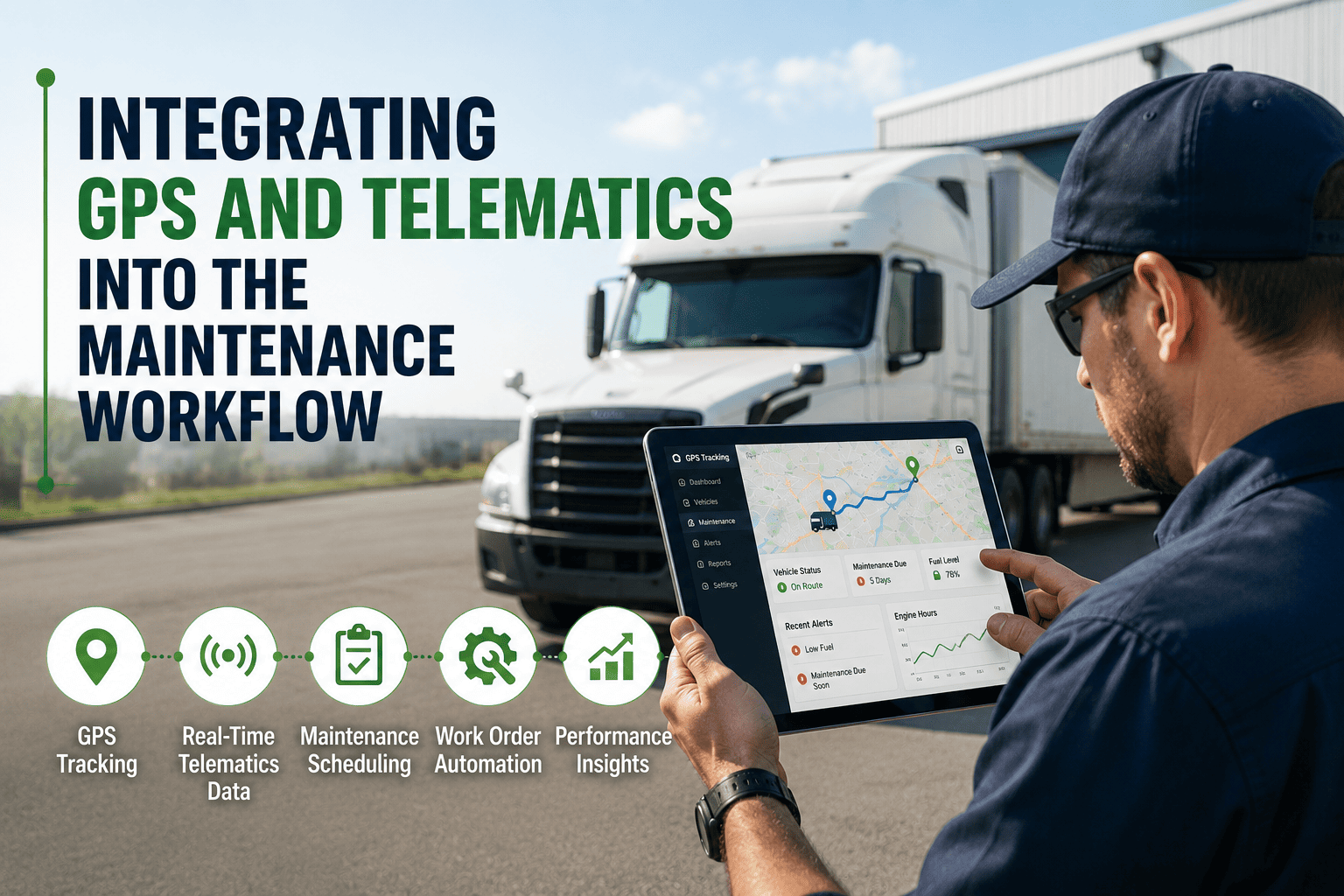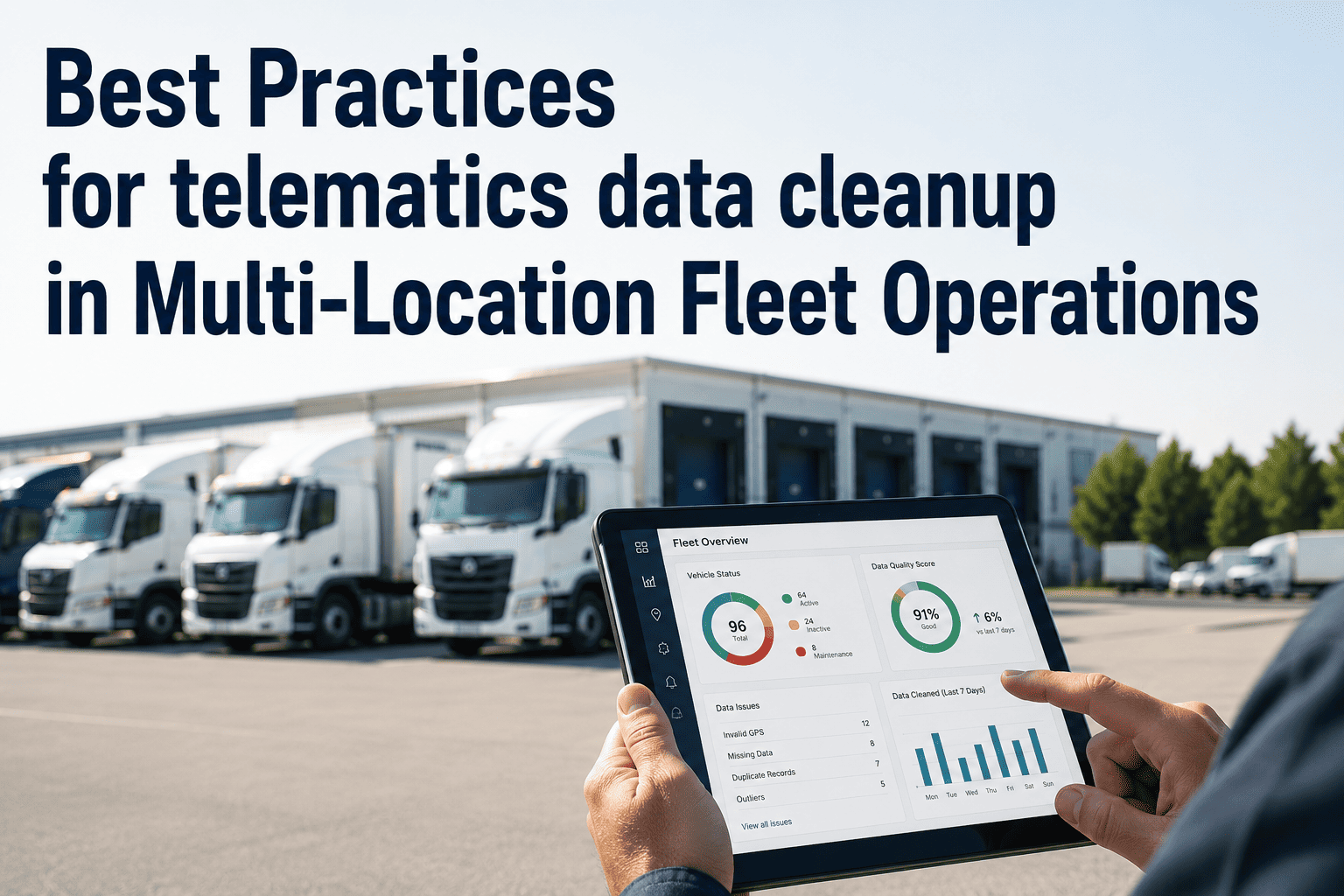
OEM telematics vs aftermarket telematics is the defining fleet data decision for 2026: with more than 90% of new vehicles shipping with factory-installed telematics, fleets can now tap rich OEM data feeds without buying hardware — but aftermarket devices still win on cross-brand coverage, install flexibility and sensor depth. The right strategy is rarely either/or; it is a deliberate mix based on data availability, warranty implications, integration capability and total cost of ownership. This guide breaks down the OEM vs aftermarket fleet telematics trade-offs with real numbers, a decision framework, and a worked cost model. Whatever mix you choose, the value of telematics data is only realized when it flows into a maintenance system that acts on it — which is why a platform-agnostic CMMS like OxMaint matters. Start Free Trial and connect your fleet data to automated work orders today.
OEM vs Aftermarket Fleet Telematics: Build a Data Strategy That Survives Both
Factory telematics is now standard on 9 out of 10 new vehicles. Aftermarket hardware still covers what OEM feeds can't. Here's how to decide — and how to make either stream drive maintenance automatically.
- Zero hardware cost, activated by subscription
- Deep native data: DTCs, DEF, battery SoH, odometer
- Warranty-safe, dealer-integrated service records
- Brand-locked — mixed fleets need 3–5 separate feeds
- One platform across every make, model and year
- Add-on sensors: temperature, PTO, tire, cameras
- Works on older assets with no factory modem
- Hardware + install: $100–$400 per vehicle upfront
Why the OEM vs Aftermarket Fleet Telematics Question Changed Overnight
A decade ago, factory telematics was a premium trim feature. Today it is default infrastructure — and that flips the economics of fleet data strategy.
The practical consequence: any fleet buying vehicles in 2026 already owns a telematics sensor network — the question is whether to pay to unlock it, supplement it with aftermarket devices, or blend both. Fleets that ignore factory data pay twice: once for the modem embedded in the vehicle price, and again for redundant aftermarket hardware.
OEM Fleet Telematics vs Aftermarket: Data, Cost and Coverage Compared
Neither option wins across the board. Score each factor against your fleet's actual composition and maintenance goals.
| Decision Factor | OEM / Factory Telematics | Aftermarket Telematics |
|---|---|---|
| Upfront hardware cost | None — modem built in | $100–$400 per vehicle + install labor |
| Data depth | Native DTCs, odometer, fuel, DEF, EV battery health | GPS, engine bus data; add-on sensors (temp, PTO, tire) |
| Mixed-brand coverage | Weak — one portal per manufacturer | Strong — one platform for all makes and years |
| Older / legacy assets | Not available pre-modem model years | Full support via OBD-II or hardwired units |
| Warranty relationship | Dealer-aligned; supports warranty claims | Neutral; improper installs can complicate claims |
| Data latency | Often 15 min–24 hr batch via cloud API | Near real-time (30–60 sec) on most platforms |
| Vendor lock-in risk | High — tied to vehicle brand agreements | Moderate — hardware swap required to switch |
Rule of thumb for 2026: use OEM telematics data for new, single-brand-dominant assets where warranty alignment matters; use aftermarket telematics for mixed, aging, or specialized fleets that need one dashboard and custom sensors. Most 100+ vehicle fleets end up hybrid.
What a 120-Vehicle Mixed Fleet Actually Spends: A 3-Year Cost Model
Consider a regional distribution fleet: 70 new Class 6 trucks from one OEM, 50 mixed vans and older units. Here is the real math.
120 units × $250 hardware/install = $30,000 upfront. Subscription $22/vehicle/month = $95,040 over 3 years. One platform, one integration. 3-year total: ~$125K. Real-time data everywhere, but the 70 new trucks pay for hardware they already have embedded.
70 new trucks on OEM data at $18/month = $45,360. 50 older units on aftermarket: $12,500 hardware + $39,600 subscription. Two feeds into one CMMS. 3-year total: ~$97K — a 22% saving, with deeper native diagnostics on the new assets.
The hybrid path saves roughly $28K over three years — but only if both data streams land in one system. Fleets that leave OEM data stranded in a manufacturer portal lose the savings to manual reconciliation, missed fault codes and duplicated admin time.
How to Build Your Fleet OEM Data Strategy in 5 Steps
Fleets that follow a structured assessment cut telematics spend 15–25% and avoid the classic trap of buying hardware for vehicles that already have it.
List every asset by make, model and year. Flag which already have factory modems — for most fleets under 5 years average age, 60–80% of vehicles qualify for OEM data activation at $0 hardware cost.
Maintenance-driven fleets need odometer, engine hours, DTC fault codes and fuel data. If you also need reefer temperature, PTO engagement or camera footage, those assets stay on the aftermarket shortlist.
Ask one question of every provider: does your data flow via open API into my CMMS? A beautiful portal that can't trigger a work order is a reporting tool, not a maintenance tool.
Include hardware amortization, subscriptions, API/integration fees and the admin hours to reconcile multiple portals. Hybrid fleets should budget one integration layer, not five logins.
Vehicle brands and telematics vendors will change over a 10-year asset life. Your maintenance system of record shouldn't. Choose a CMMS that ingests OEM and aftermarket feeds equally, so no vendor switch ever breaks your maintenance history.
Turn Any Telematics Feed — OEM or Aftermarket — into Automatic Maintenance
Telematics data without a maintenance action layer is just noise. OxMaint is the platform-agnostic CMMS that converts both OEM and aftermarket signals into scheduled, tracked work.
Odometer and engine-hour readings from OEM or aftermarket feeds trigger preventive maintenance automatically — no manual meter logging. Fleets cut missed PMs by up to 90% and extend asset life 15–20%.
A DTC from a factory modem or an OBD-II dongle becomes a prioritized work order in seconds, assigned with parts and labor attached. Catch failures 2–4 weeks before breakdown and cut unplanned downtime 30–50%.
Whether data arrives from a Ford, Freightliner or aftermarket API, each vehicle gets a single maintenance history, warranty file and cost ledger — audit-ready and immune to telematics vendor churn.
OxMaint combines telematics utilization with parts and labor costs to show true cost per mile or per hour by asset — the number that tells you which units to keep, reassign or replace, and proves telematics ROI.
Book a 30-Minute Demo — We'll Map Your OEM + Aftermarket Data Into OxMaint Live
Bring your vehicle list. We'll show you exactly how meter-based PMs, fault-code work orders and cost-per-mile analytics work on your mix of assets — no hardware decision required first.
OEM vs Aftermarket Fleet Telematics: 5 Questions Answered
Neither is universally better — it depends on fleet composition. OEM telematics wins on zero hardware cost, native diagnostic depth and warranty alignment for newer single-brand assets. Aftermarket wins on mixed-brand coverage, older vehicles and add-on sensors. Most fleets over 100 vehicles run a hybrid.
Expect $15–$40 per vehicle per month on either path. Aftermarket adds $100–$400 upfront per unit for hardware and installation, while OEM data typically carries no hardware cost but may require per-brand subscription agreements and API fees.
Yes — and you should. A platform-agnostic CMMS ingests feeds from multiple OEM portals and aftermarket platforms into one asset record. Start Free Trial with OxMaint to see both data types trigger the same automated PM and work-order workflows.
Properly installed OBD-II plug-in devices do not void warranties under Magnuson-Moss protections, but hardwired installs that tap factory wiring can complicate claims. OEM telematics carries zero warranty risk and often streamlines dealer warranty documentation.
Four data points drive 90% of maintenance value: odometer, engine hours, diagnostic trouble codes (DTCs) and fuel/DEF levels. When these flow into a CMMS, they automate PM scheduling and catch failures early. Book a Demo to see fault-code-to-work-order automation in action.
Your Telematics Vendors Will Change. Your Maintenance System Shouldn't.
OxMaint turns any OEM or aftermarket data feed into automated preventive maintenance, instant work orders and audit-ready asset histories — so your 2026 telematics strategy pays off in uptime, not dashboards.