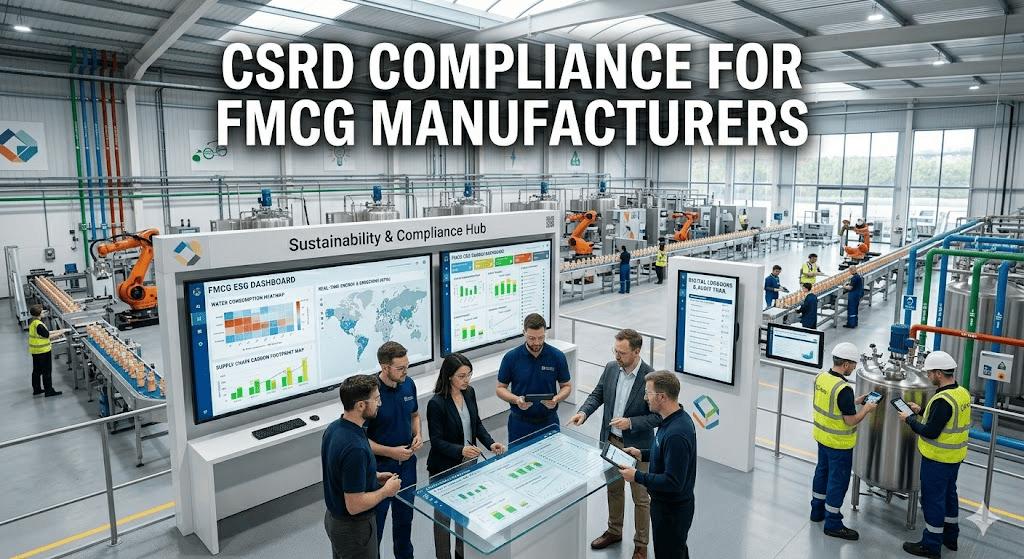
In the fast-paced realm of Fast-Moving Consumer Goods (FMCG), aligning operational efficiency with Environmental,
Social, and Governance (ESG) compliance is no longer optional. Modern manufacturing demands transparent, data-driven
sustainability reporting. A Computerized Maintenance Management System (CMMS) is the critical linchpin that
transforms raw maintenance data into actionable ESG insights, helping organizations track resource consumption,
reduce carbon footprints, and ensure regulatory adherence. Start your free trial today and build a digital ESG tracking system for your
operation. Schedule a 30-minute demo with
our FMCG specialists.
Manual / Reactive Reporting
Data Collection
Fragmented, End-of-Month Consolidation
Data Accuracy
High Risk of Human Error and Silos
Audit Readiness
High Stress, Weeks to Assemble Records
Resource Optimization
Minimal — Reactionary Only
CMMS / Automated ESG Tracking
Data Collection
Continuous, Real-Time Capture
Data Accuracy
Precision Metering & System Integration
Audit Readiness
Instant Reports & Verifiable Audit Trails
Resource Optimization
Predictive Energy & Waste Reductions
Average Annual Time Saved on Compliance Reporting:
Up to 400 Hours
Six ESG Metrics Impacted by CMMS Digitalization
Modern sustainability goals demand precise data. These six key areas are completely transformed when an FMCG facility
transitions from sporadic tracking to continuous CMMS monitoring. Oxmaint ensures every environmental and safety impact is measurable and verifiable
for investors and auditors.
Energy Consumption
15-20% Drop
By preventing motor overwork and minimizing compressor idling
through predictive scheduling
Water Management
Millions Saved
Fast leak resolution and optimized clean-in-place (CIP) scheduling
to prevent wasteful water usage
Emissions & Carbon
Scope 1 & 2
Lowering direct footprint by reducing fuel usage and extending
equipment life to avoid heavy manufacturing
Workplace Safety
Zero Incidents
Strengthens the "Social" pillar by enforcing safety checks,
lockout-tagout, and reducing machine hazards
Waste Diversion
Zero-Landfill
Tracking part lifecycles and recycling materials accurately towards
circular economy pledges
Regulatory Adherence
100% Passed
Automated, timestamped reporting ensures seamless audits for EPA,
OSHA, and global sustainability standards
FMCG Asset Sustainability and Maintenance Checklist
Evaluate your facility's ESG readiness using this checklist. Each unverified item indicates a potential blind spot in
your corporate sustainability reports.
The Four-Stage Framework for ESG Compliance
Modern sustainability is a structured four-stage operation that converts daily maintenance actions into irrefutable
compliance evidence and systemic efficiency. Oxmaint
aligns operational workflows directly with corporate ESG frameworks.
01
Data Capture
IoT sensors on intense energy-consuming assets
Mobile logging of materials used and waste processed
Automated safety and compliance checks from technicians
Output: Unbroken Data Chain
02
Centralized Processing
Compile all inputs into a single source of truth
Establish baseline metrics for carbon and water
Highlight deviations from sustainable benchmarks instantly
Output: Actionable Intelligence
03
Predictive Interventions
Trigger work orders for leaks and inefficiencies
Adjust cycles to lower peak electrical loads
Extend component life through precision adjustments
Output: Measurable Reductions
04
Automated Reporting
Seamless integration with corporate ESG scorecards
Zero-stress preparation for external environmental audits
Transparent proof of progress for stakeholders
Output: Audit-Ready Compliance
CMMS Implementation: Avoiding Costly Penalties
Connecting maintenance directly to ESG reduces wasted energy, mitigates non-compliance risks, and avoids heavy fines
associated with environmental negligence. Schedule a demo to visualize these operational improvements.
Energy Overconsumption
Motor inefficiencies, compressed air leaks, neglected HVAC calibration,
unoptimized heating
18% Usage Drop
Excess Scrap & Material
Frequent part disposal, premature failure of conveyors, improper
lubrication, ruined batches
30% Waste Fall
Water Utility Spikes
Ignored valve leaks, uncalibrated flow meters, inefficient
clean-in-place processes
12% Recovery
Reporting Labor
Manual data transcription, cross-referencing paper logs, building
spreadsheets for auditors
400+ Hrs Saved
Non-Compliance Fines
Missed environmental inspections, safety hazards, unchecked emissions
filtering systems
$0 Risk
Operational ROI Through Digital Sustainability
Transformative
Implementing an automated CMMS turns sustainability from an administrative burden
into a driver of process efficiency and profitability.
Upgrade Your Sustainability Tracking Without the Pain
Unify your environmental impact tracking and streamline ESG reporting with
robust digital workflows. Start capturing critical maintenance and compliance data effortlessly.
Frequently Asked Questions
How does a CMMS directly contribute to ESG net-zero carbon goals?
By ensuring machinery is properly lubricated, calibrated, and aligned, CMMS
prevents machines from experiencing friction and working harder than necessary. This directly cuts excessive
electrical or fuel energy consumption from your baseline operations, tangibly contributing to carbon
reduction.
Is standard maintenance logging sufficient for formal ESG reporting?
Yes, but only if it is digitized and organized correctly. A robust CMMS structures
standard work orders, utilities data, and spare parts usage into clean, verifiable metrics that ESG auditors
and corporate stakeholders use to substantiate overarching sustainability claims.
How do safety protocols tie into this system?
Workplace safety is the cornerstone of the 'Social' pillar in ESG. Digital safety
hazard reporting, automated LOTO procedures, and reliable incident tracking within the CMMS ensure a secure,
compliant environment for all plant personnel.
How quickly can we demonstrate compliance improvements after implementation?
Because the data capture begins immediately upon digitization, companies often see
improvements in audit readiness and reporting times within the first 60 to 90 days. The ability to pull
verifiable reports on demand dramatically accelerates compliance demonstration.
Ready to Elevate Your FMCG Reporting Standards?
Leverage the power of integrated maintenance data to satisfy both operational
demands and strict ESG constraints reliably. Let your data do the talking.