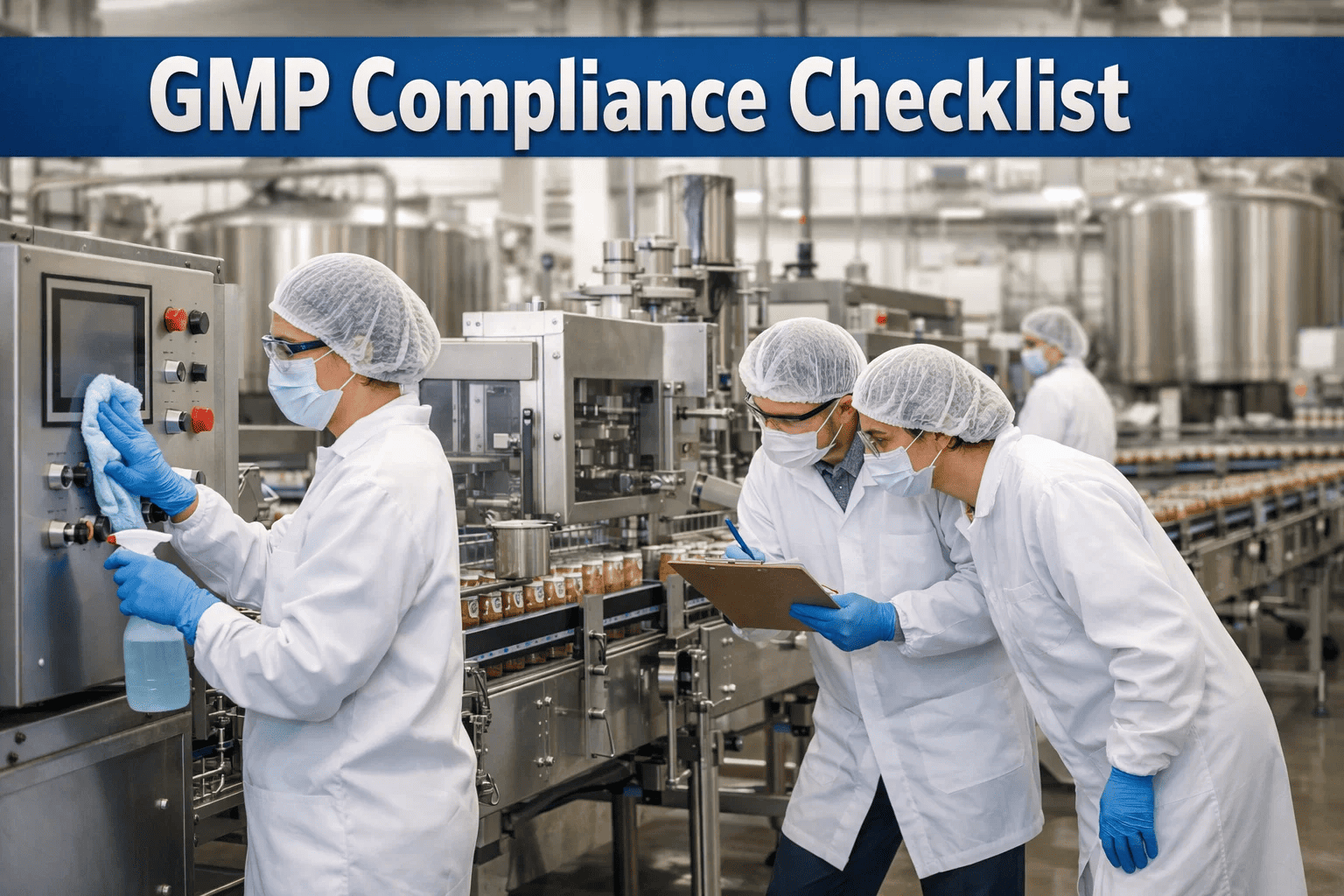
Pest Control & Integrated Management for FMCG Facilities

By Jack Edwards on April 15, 2026

pest-control-integrated-management-fmcg-facilities

A biscuit manufacturer in the Midwest USA lost its Walmart supplier certification after a third-party audit found rodent droppings in the raw materials storage area — a zone that had passed every monthly internal inspection for the previous 11 months. The pest control contractor had visited 12 times over that period, recording clean observations on each occasion. What none of those visits captured was a 40mm gap that had opened between a utility conduit and the exterior wall — created when a pipe support bracket failed three weeks earlier. The bracket failure had been reported to maintenance. The work order was still open. Nobody had connected the structural gap to the pest ingress risk. The supplier delisting cost $2.8 million in lost annual contract value. Start a free trial to connect building maintenance records to your pest risk zones in Oxmaint. Book a demo to see how Oxmaint manages IPM programs across multi-site FMCG operations.

Pest Control IPM Programs FMCG Facilities Food Safety Compliance

Integrated Pest Management in food manufacturing is 80% building maintenance and 20% pest control. Most FMCG plants have it backwards.

Contractor visits. Bait station monitoring. Pheromone trap counts. None of these activities stop pest ingress. Building fabric integrity — sealed penetrations, functioning door sweeps, drain covers in place — is the only thing that does. Oxmaint connects the maintenance records that determine your pest risk to the IPM program that monitors it.

$2.8M
supplier contract value lost in a single retailer delisting event following a rodent audit finding
63%
of pest ingress incidents in food facilities trace to building fabric failures — gaps, drains, unsealed penetrations
40mm
gap — the minimum opening through which a mouse can enter a building. Most maintenance teams have no proactive check for this.
BRC 4.14
requires a documented, active IPM program with site maps, monitoring logs, and corrective action records for food safety audits
IPM Framework

The Four Pillars of Integrated Pest Management in FMCG Facilities

1
Prevention — Building Fabric Integrity
The first line of defense is a building that pests cannot enter. Door sweeps functional. Utility penetrations sealed. Drains covered. Roof vents screened. Window seals intact. This is a maintenance program, not a pest control program — and it requires work order management to be done systematically.
Exterior door sweep inspection — weekly Penetration seal audit — quarterly Drain cover check — pre-start daily Roof and wall integrity inspection — semi-annual
2
Monitoring — Detection Before Evidence
Electronic monitoring devices, pheromone traps, and bait stations don't stop pests — they detect them. Regular monitoring gives you population trend data that identifies pressure buildup weeks before visible infestation. Trap check frequency should match zone risk level, not contractor convenience.
Fly control unit count — weekly Rodent bait station — monthly check, quarterly service Crawling insect trap — fortnightly in food contact zones Trend analysis — 12-week rolling count comparison
3
Control — Targeted, Documented Intervention
When monitoring detects pressure above threshold — defined activity level per zone — targeted intervention is deployed. In food facilities, chemical control methods must be recorded, documented, and reviewed against food safety risk. Every intervention generates a compliance record.
Action threshold defined per species and zone Chemical treatment records — product, dose, location Non-chemical controls — proofing, trapping, UV units Contractor visit report — linked to site map and asset records
4
Review — Corrective Action and Trend Analysis
IPM program reviews must identify trend changes, structural failure contributions, and program effectiveness. A monthly increase in rodent activity must trigger a building fabric inspection work order — not just more bait. Oxmaint connects the pest activity record to the maintenance corrective action in one platform.
Monthly trend review — all species, all zones Corrective action work orders — auto-generated on threshold breach Annual program effectiveness review Audit pack generation — contractor reports, monitoring logs, work orders
The Oxmaint Difference

What Changes When Pest Management Connects to Your CMMS

Building Defect to Pest Risk — Closed Loop
When a maintenance technician identifies a gap in the building fabric, Oxmaint creates a work order and automatically flags the associated pest risk zone as elevated-risk pending repair. The pest control contractor's next monitoring visit carries the context — they know where the structural vulnerability is before they inspect.
Monitoring Schedule Never Missed
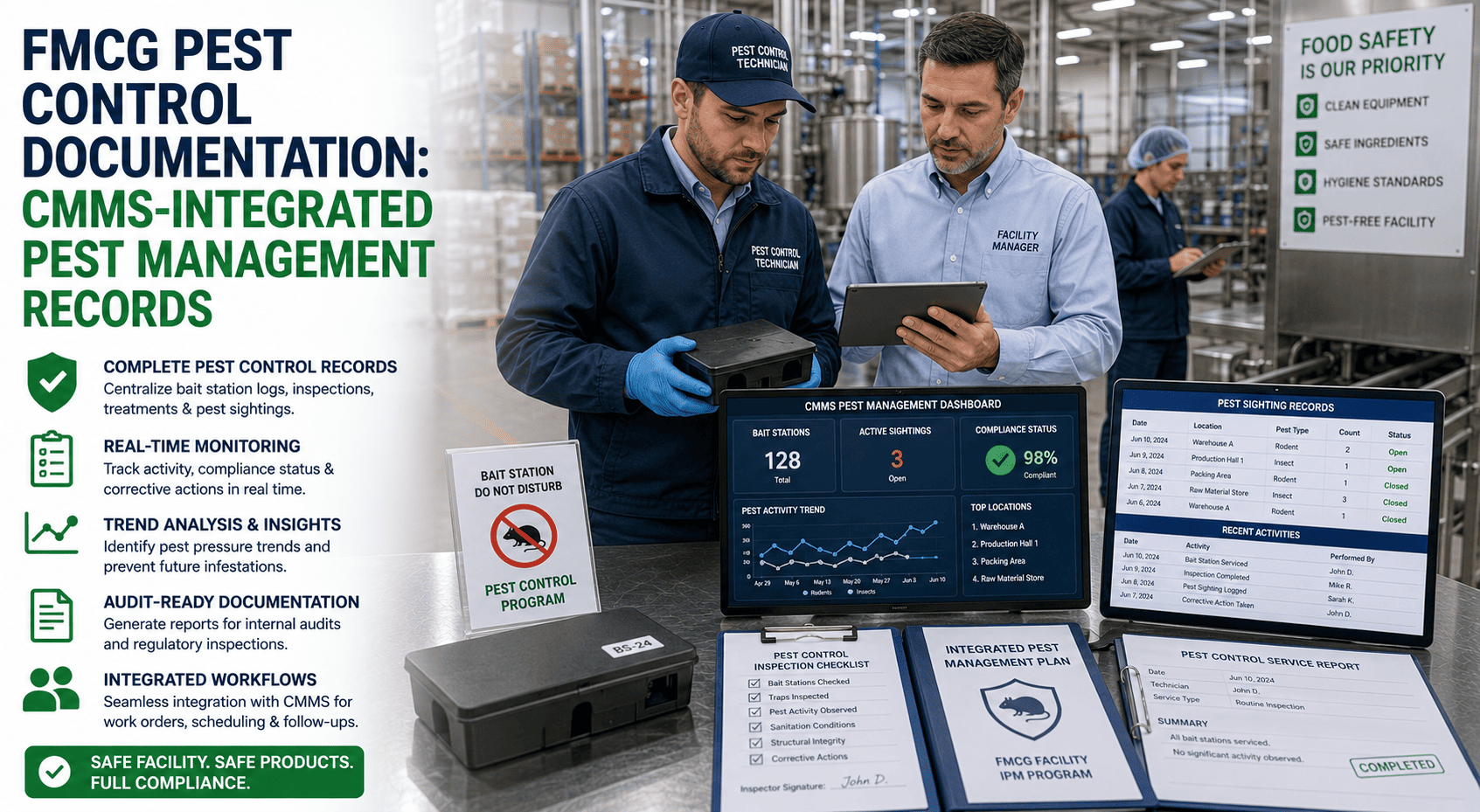
Bait station checks, fly unit counts, and drain inspections are scheduled as recurring tasks in Oxmaint — assigned to the specific zone, with completion required at the configured frequency. Missed checks are escalated automatically. Contractor visits are scheduled and their reports linked to the relevant device and zone records.
Activity Threshold Alerts Generate Work Orders
When monitoring results exceed the configured action threshold for a zone — more than 2 rodent sightings in 30 days, fly unit catch counts above baseline — Oxmaint generates a corrective action work order automatically. The pest pressure is documented, the response is scheduled, and the compliance trail is built in real time.
Audit Documentation Ready at All Times
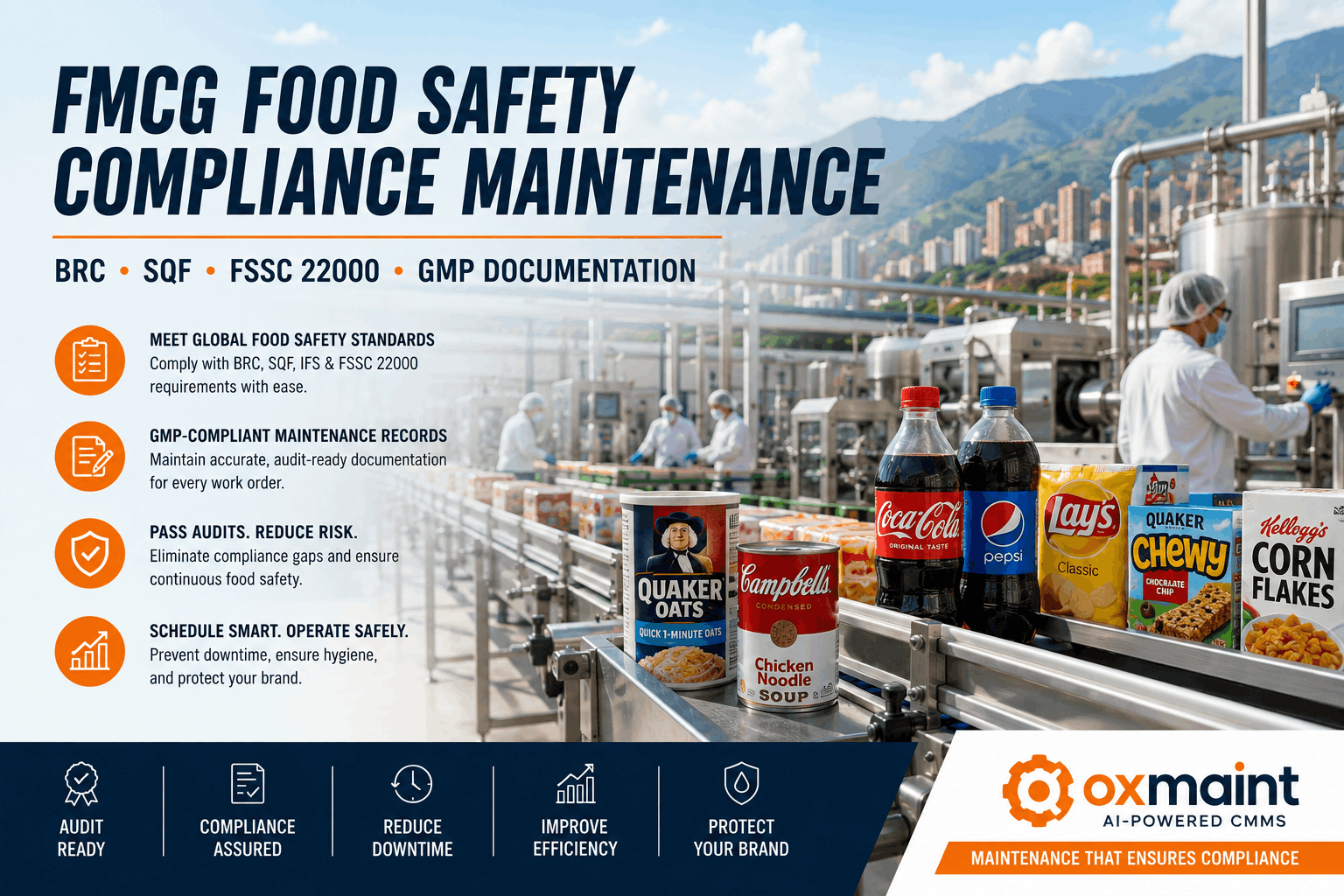
BRC 4.14, SQF Element 11, and FSSC 22000 all require documented IPM programs with monitoring logs, site maps, contractor reports, and corrective action records. Oxmaint maintains all of this digitally, linked to zone and asset records, and exportable for any audit without manual assembly — the program evidence is always current.

Connect your building maintenance program to your IPM monitoring records. Start a free trial and configure your first pest monitoring zone in Oxmaint today. Want to see how it handles a full IPM audit pack? Book a demo with our FMCG food safety specialists.

Before vs After

IPM Program Management: Contractor-Only vs. Oxmaint-Integrated

Contractor-Only Approach
Building defect reportingVerbal mention — no work order, no follow-up
Monitoring scheduleContractor-driven — no internal oversight
Threshold exceedanceNoted in report — no automatic work order
Activity trendingPaper reports — never plotted or analysed
Audit preparationManual file assembly — days of preparation time
Multi-site visibilitySite-by-site manual reports — no portfolio view
VS
With Oxmaint IPM Integration
Building defect reportingWork order auto-created — zone flagged elevated-risk
Monitoring schedulePlatform-scheduled — missed checks escalated automatically
Threshold exceedanceCorrective work order generated — response documented
Activity trendingRolling trend analysis — deterioration flagged before auditor sees it
Audit preparationAlways current — one-click export of full audit pack
Multi-site visibilityPortfolio dashboard — all sites, all zones, one screen
FAQ

Frequently Asked Questions — FMCG Pest Control & IPM

What does BRC Global Standard clause 4.14 require for pest management documentation?
BRC 4.14 requires a documented pest management program that includes a full site map showing device locations, current pest control contracts or competency records, and monitoring log records for all devices. Findings from contractor visits must be documented, and corrective actions for any pest activity must be recorded and closed out with evidence. Oxmaint maintains all of this documentation digitally, linked to zone and device records, and exportable for BRC audit without manual assembly. Start a free trial and configure your IPM program documentation in Oxmaint.
How often should rodent bait stations be checked in a food production facility?
Bait station inspection frequency should reflect zone risk level — not a one-size-fits-all contractor schedule. External stations adjacent to doors, drains, and waste areas should be checked monthly as a minimum. Internal stations in production areas and raw material storage should be checked fortnightly. In high-risk periods — seasonal pressure increases, facility construction or modification — weekly checks should be implemented for affected zones. Oxmaint schedules monitoring tasks at zone-specific frequencies, with overdue tasks escalated to site management automatically.
Can Oxmaint manage both internal IPM checks and third-party contractor visit records?
Yes. Oxmaint manages both internal monitoring tasks — assigned to your own maintenance or quality team — and external contractor visit records, which are uploaded against the relevant zone and device assets. The audit documentation pack for an IPM program therefore includes both internal checks and contractor reports, all linked, all timestamped, and all retrievable from a single platform without manual file consolidation. Book a demo to see how contractor visit reports are managed alongside internal checks in Oxmaint.
How does Oxmaint connect building maintenance defects to pest risk management?
In Oxmaint, production zones and pest risk zones are mapped to the building structure assets responsible for their integrity — exterior walls, doors, utility penetrations, drains, and roof sections. When a work order is raised for a structural defect in a pest-sensitive area — a failing door seal, an open penetration, a blocked drain — the associated pest risk zone is automatically flagged in the platform. This closes the most common gap in FMCG pest management: the maintenance team knows about the building defect, but the food safety team never finds out until an auditor does. Start a free trial and map your building assets to pest risk zones in Oxmaint.
Oxmaint · Integrated Pest Management · FMCG Food Safety · BRC SQF Compliance

The bracket that failed last month created the gap that let the pest in. Oxmaint connects your maintenance records to your IPM program — so building defects trigger pest risk alerts before the auditor finds the evidence they left behind.

Building fabric inspection scheduling. Monitoring device records. Contractor visit documentation. Threshold-triggered corrective work orders. Full BRC and SQF audit pack. One connected platform.
Share This Story, Choose Your Platform!