A ladder wobbles but nobody falls. A guard is left off for one shift and nothing happens. Most plants let that moment pass unreported — and lose the one warning that came free. Sign up to capture near misses the moment they happen and turn them into tracked, closed-out corrective actions.
What This Guide Covers
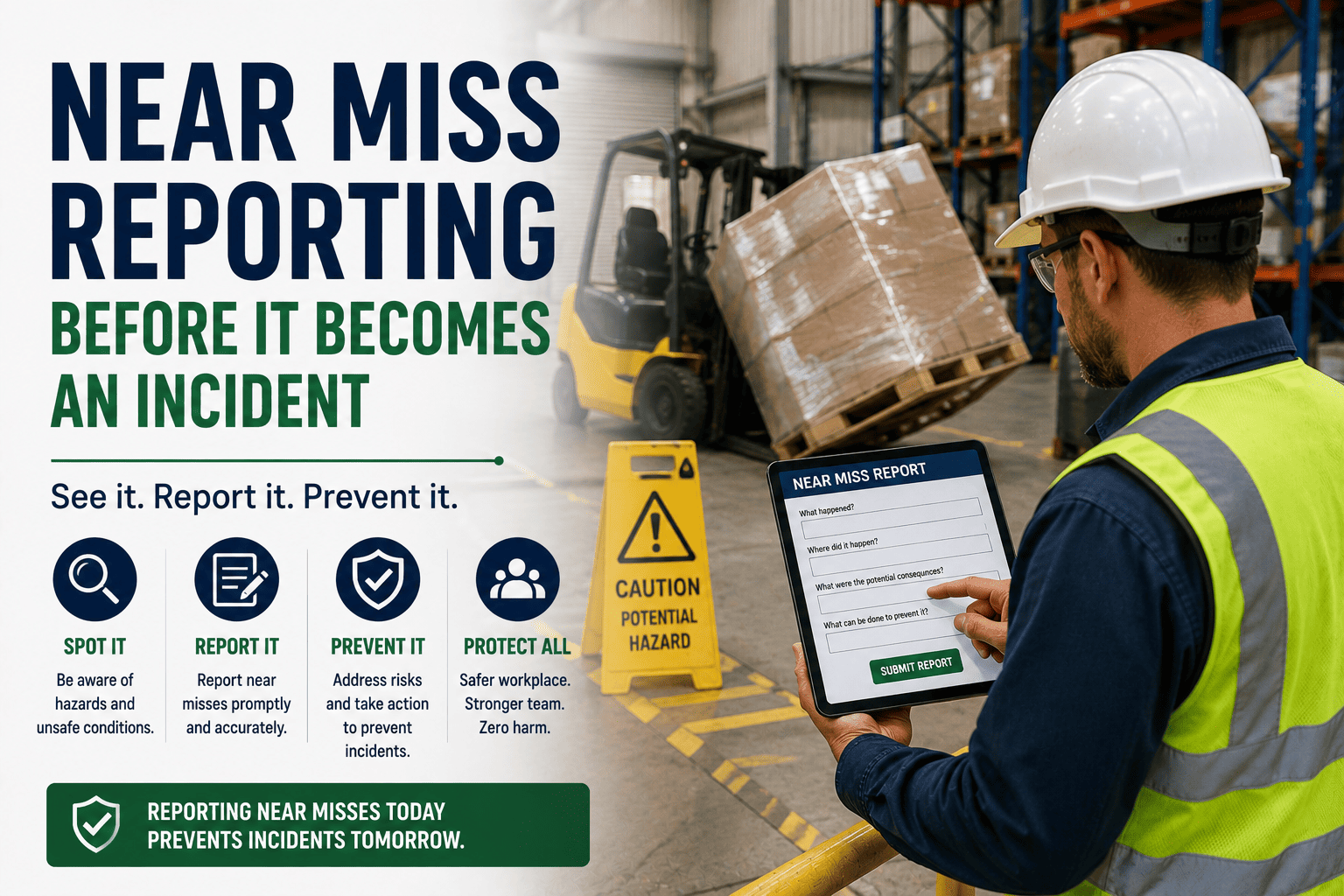
Near miss reporting means capturing hazards and close calls before they become incidents — a simple intake process, a way to prioritize which ones get investigated first, corrective actions that actually close, and a CMMS record that turns each near miss into evidence instead of an ignored event.
Why Near Misses Usually Go Unreported
| The Barrier |
What It Actually Costs The Plant |
| "Nothing happened, so why report it" |
The warning sign is lost, and the same hazard waits for someone less lucky |
| Reporting feels like paperwork with no visible outcome |
Workers stop reporting once they see reports go nowhere, and the pipeline dries up |
| Fear it points back at a person or a shift |
Real hazards stay hidden because reporting feels like blame instead of prevention |
| No easy way to log it in the moment |
By the time a form is found, the detail — and the motivation — has already faded |
Building A Near Miss Program That Actually Runs
1
Make Intake Take Under A Minute
A quick log from the floor, right where the near miss happened, beats a form that gets filled out at the end of shift or never
2
Prioritize By Severity Potential, Not Just What Happened
A near miss that could have caused serious harm gets investigated first, regardless of how minor the actual outcome was
3
Investigate The Ones That Matter, Fast
High-priority near misses get the same root cause attention as a real incident, while it's still fresh
4
Assign The Fix And Track It To Closure
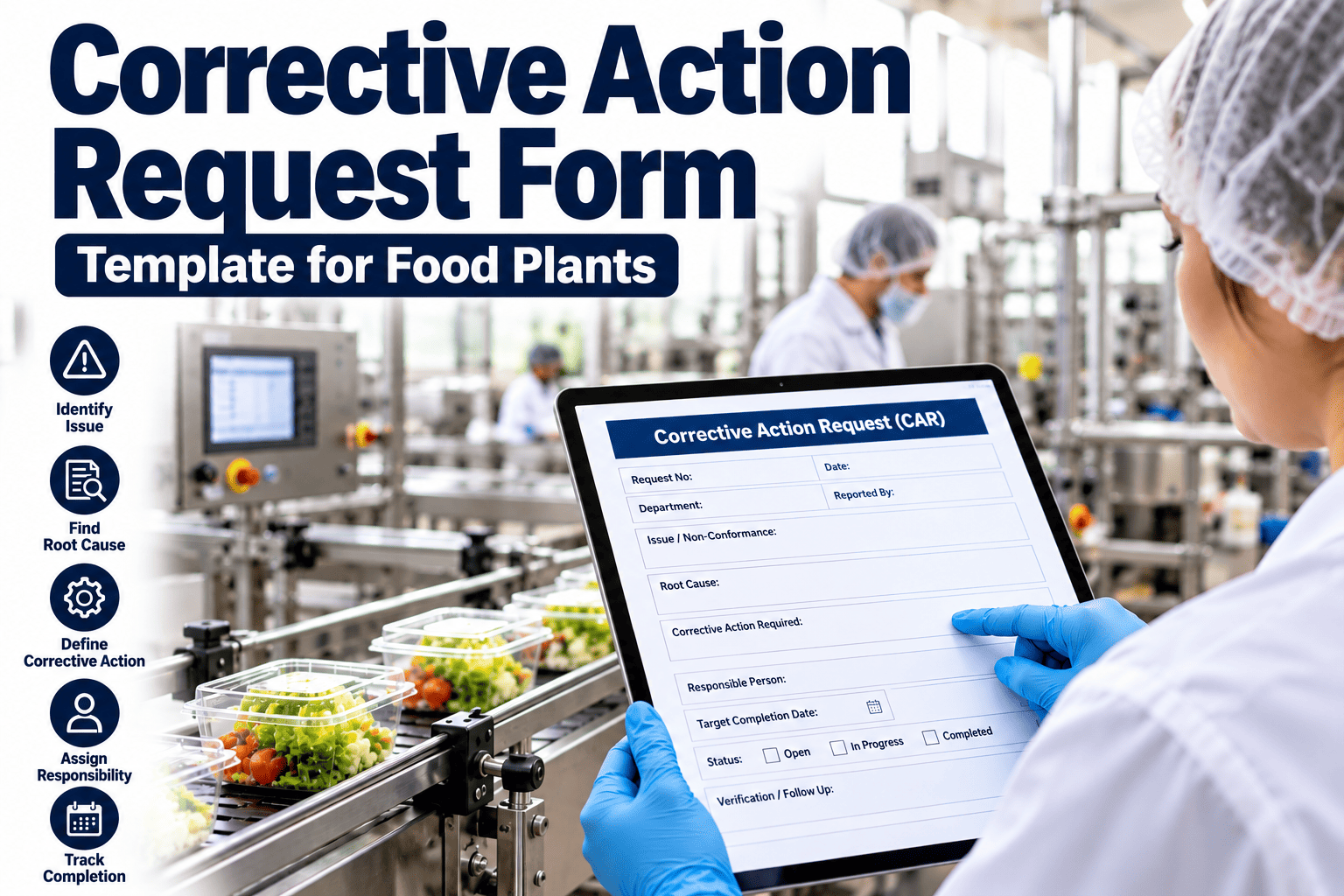
A corrective action with an owner and a deadline, not just a note in a spreadsheet no one reopens
5
Close The Loop With The Person Who Reported It
Showing the reporter what changed is what keeps the next near miss coming in instead of going unreported
Turn Every Near Miss Into A Tracked Record
OxMaint captures near misses in the moment and ties each one to a prioritized investigation and a corrective action that gets closed, not lost. Sign up for a free trial to start building a near miss record today, or book a demo to see the full workflow.
What A CMMS-Driven Near Miss Program Adds
One-Minute Reporting
A near miss can be logged from the floor in seconds, right where it happened
Severity-Based Prioritization
Reports are triaged by potential harm, so the ones that matter don't wait in a queue
Corrective Actions That Don't Stall
Every action is assigned, dated, and tracked until it's verified closed
Pattern Visibility Over Time
Recurring near misses on the same asset or area surface before they escalate
Compliance-Minimum vs. A Real Safety Culture
A plant that only logs near misses when a regulator asks for the number is stuck at compliance-minimum. A plant where workers report freely because they've seen reports lead to actual fixes is building something harder to copy — a floor that trusts the system enough to speak up before someone gets hurt.
Frequently Asked Questions
Q
What actually counts as a near miss?
Any event that had the potential to cause injury, illness, or damage but didn't — a slip that didn't result in a fall, a guard left off for a shift, a near-collision with a forklift. If harm could have happened, it counts.
Q
Do all near misses need a full investigation?
No. Low-severity-potential reports can be logged and reviewed on a schedule, while anything that could have caused serious harm should get the same fast, thorough investigation as an actual incident.
Q
What's the single biggest driver of low near miss reporting?
Reports that go nowhere. Once workers report something and never see a corrective action or a follow-up, they stop reporting — closing the loop visibly is what keeps the pipeline of reports alive.
Catch The Warning Before The Incident
OxMaint turns every near miss into a tracked, prioritized, closed-out record — so hazards get fixed instead of forgotten. Sign up for a free trial to start capturing near misses today, or book a demo to see the full program in action.